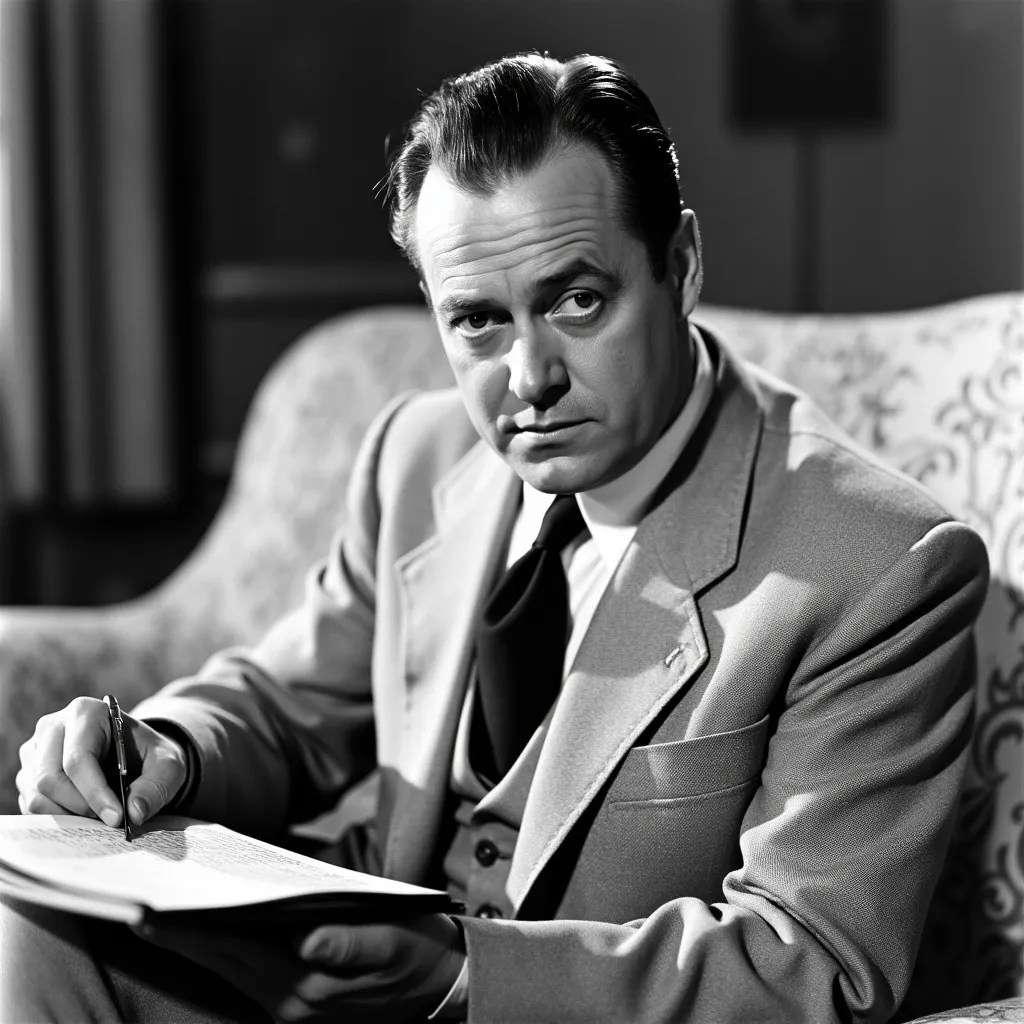
Citizen Kane, released in 1941, is a film that has transcended time and remains a cornerstone of cinematic history.
Directed by and starring Orson Welles, this groundbreaking film is often hailed as the greatest movie ever made. Its innovative storytelling, complex characters, and profound themes have left an indelible mark on the film industry and continue to inspire filmmakers and audiences alike. In this blog, we will explore the intricate layers of Citizen Kane, examining its narrative structure, visual style, and cultural significance.
The Story: A Life Unraveled
At its core, Citizen Kane is a biographical exploration of Charles Foster Kane, a wealthy newspaper magnate whose life is dissected through the memories of those who knew him. The film opens with the death of Kane at his opulent estate, Xanadu, followed by a newsreel obituary that sets the stage for the unfolding narrative. As reporters seek to uncover the meaning behind Kane’s last word—“Rosebud”—the story delves into flashbacks narrated by various characters, each offering their unique perspective on Kane’s life.Through these fragmented recollections, we witness Kane’s rise to power, his tumultuous relationships, and his ultimate isolation. From his idealistic beginnings as a young man who sought to champion the common man to his transformation into a ruthless tycoon consumed by ambition, Kane’s journey serves as a cautionary tale about the corrupting influence of wealth and power.
Innovative Storytelling Techniques
One of the most remarkable aspects of Citizen Kane is its innovative narrative structure. Welles and co-writer Herman J. Mankiewicz employed a non-linear storytelling approach that was revolutionary for its time. By using flashbacks from multiple perspectives, the film creates a complex portrait of its protagonist while simultaneously raising questions about memory and subjectivity.The use of unreliable narrators adds depth to the storytelling. Each character’s recollection is colored by their own biases and experiences, leaving viewers to piece together the truth about Kane’s life. This technique not only engages the audience but also reflects the complexities of human nature—no single person can encapsulate the entirety of another’s existence.
Groundbreaking Cinematography
Citizen Kane is renowned for its groundbreaking cinematography, primarily achieved through the work of Gregg Toland. The film popularized techniques such as deep focus, where both foreground and background elements are in sharp focus simultaneously. This allows for intricate compositions that draw viewers into the scene and emphasize the relationships between characters within their environments.The visual style of Citizen Kane also employs dramatic lighting and shadow to enhance emotional depth. Welles’s use of chiaroscuro—contrasting light and dark—creates a moody atmosphere that reflects Kane’s internal struggles. Iconic shots, such as low-angle perspectives that reveal ceilings or expansive settings, further contribute to the film’s innovative aesthetic.
Themes That Resonate
Citizen Kane explores several profound themes that continue to resonate with audiences today:
- The Nature of Power: The film examines how wealth can corrupt and isolate individuals. Despite his immense fortune and influence, Kane ultimately finds himself alone in his grand mansion—a poignant commentary on the emptiness that often accompanies unchecked ambition.
- The Elusiveness of Truth: Through its fragmented narrative structure, Citizen Kane raises questions about truth and perception. Each character’s perspective offers a different facet of Kane’s life, suggesting that understanding a person is inherently complex.
- The Search for Meaning: At its heart, Citizen Kane is about the search for meaning in life. The mystery surrounding “Rosebud” serves as a symbol of lost innocence and unfulfilled desires—a reminder that material success does not equate to personal fulfillment.
Cultural Impact and Legacy
Upon its release, Citizen Kane received critical acclaim but faced challenges at the box office due to its unconventional storytelling and themes. However, over time it gained recognition as a cinematic masterpiece and has been consistently ranked among the greatest films in history.Its influence extends far beyond its initial release; Citizen Kane inspired generations of filmmakers to experiment with narrative structure and visual style. The film’s innovations laid the groundwork for modern cinema, making it a touchstone for aspiring directors and writers.
Conclusion
Citizen Kane remains an enduring testament to Orson Welles’s genius as a filmmaker and storyteller. Its innovative narrative techniques, groundbreaking cinematography, and profound exploration of human nature make it a must-see for anyone interested in cinema’s artistic potential. As we reflect on this cinematic masterpiece, we are reminded that every life is a complex tapestry woven from memories, ambitions, and unfulfilled dreams—a lesson that resonates across time and continues to inspire audiences around the world.Whether you’re revisiting this classic or experiencing it for the first time, Citizen Kane offers a rich viewing experience that invites reflection on the nature of power, truth, and what it means to truly live.
 Janson's blog
“Rosebud”🛷
LikeLiked by 1 person