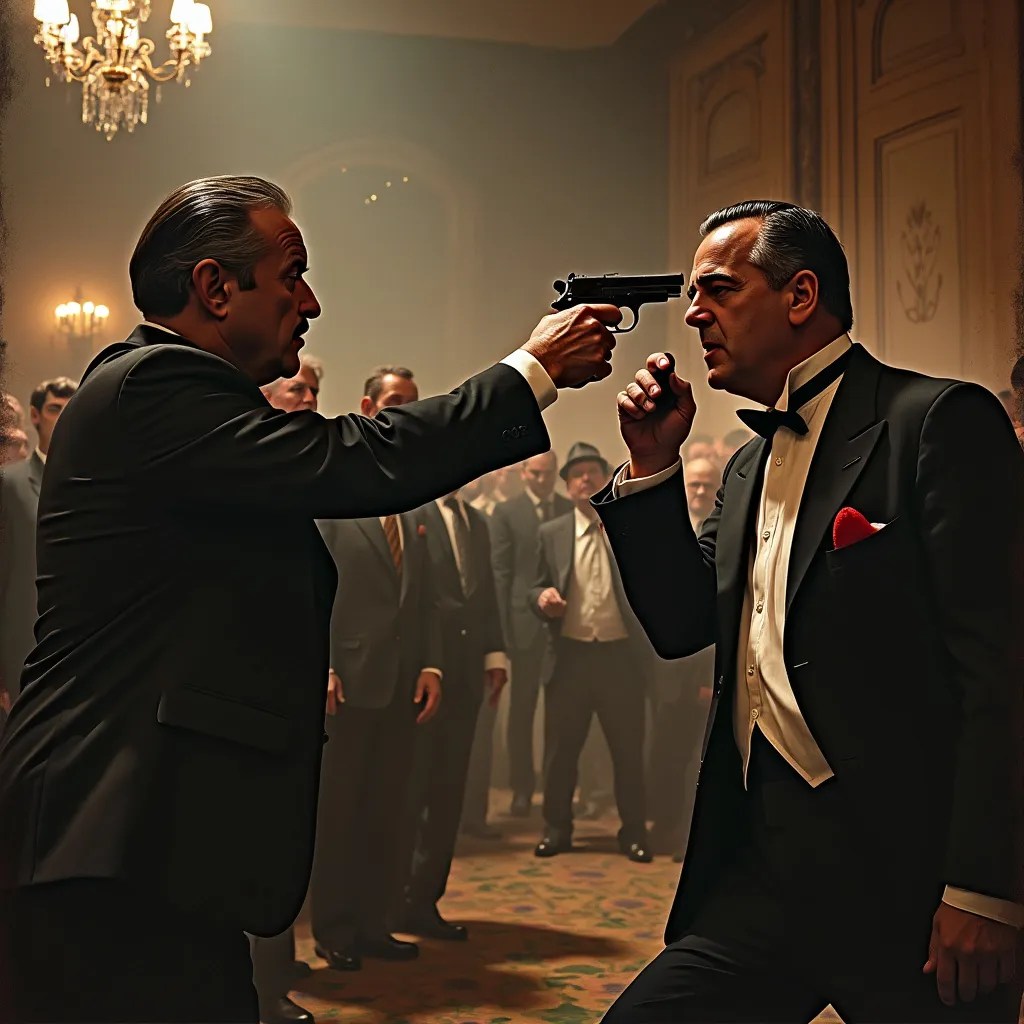
When discussing the greatest films in cinematic history, The Godfather (1972) invariably tops the list. Directed by Francis Ford Coppola and based on Mario Puzo’s best-selling novel, this epic tale of the Corleone crime family not only redefined the gangster genre but also left an indelible mark on American culture.
With its rich storytelling, complex characters, and stunning cinematography, The Godfather remains a timeless classic that continues to resonate with audiences today.
A Deep Dive into the Plot
Set in the aftermath of World War II, The Godfather chronicles the life of Vito Corleone (Marlon Brando), the aging patriarch of the Corleone family. As a powerful figure in organized crime, Vito navigates the treacherous waters of loyalty, power, and betrayal. The film opens with his daughter’s wedding, where we are introduced to various characters who will play pivotal roles throughout the story.The narrative primarily follows Vito’s youngest son, Michael Corleone (Al Pacino), who initially distances himself from the family’s criminal activities. However, as events unfold—particularly after an assassination attempt on his father—Michael is drawn deeper into the family business. His transformation from an innocent outsider to a ruthless leader is one of the film’s most compelling arcs.
Iconic Characters and Stellar Performances
The film features a remarkable ensemble cast that brings its characters to life with unforgettable performances:
- Marlon Brando as Vito Corleone: Brando’s portrayal of the titular Godfather is legendary. With his unique voice and commanding presence, he embodies both wisdom and intimidation. His famous line, “I’m gonna make him an offer he can’t refuse,” has become a cultural touchstone.
- Al Pacino as Michael Corleone: Pacino’s performance is nothing short of transformative. Starting as a reluctant participant in his family’s affairs, Michael evolves into a calculating and formidable leader. His nuanced portrayal captures the internal conflict between his moral compass and familial loyalty.
- James Caan as Sonny Corleone: Sonny is the hot-headed eldest son whose impulsive nature often leads to conflict. Caan’s dynamic performance highlights Sonny’s fierce loyalty to his family while also showcasing his tragic flaws.
- Diane Keaton as Kay Adams: As Michael’s love interest, Kay represents an outsider’s perspective on the Corleone family. Keaton’s portrayal adds depth to her character’s struggle between love and disillusionment.
- Robert Duvall as Tom Hagen: The family’s consigliere, Tom serves as a voice of reason amidst chaos. Duvall’s calm demeanor contrasts sharply with the volatility of other characters.
Themes That Resonate
The Godfather delves into several profound themes that continue to resonate:
- Family and Loyalty: At its core, the film examines the bonds of family and what it means to be loyal. The characters grapple with their responsibilities to each other while navigating a world filled with moral ambiguity.
- Power and Corruption: The film explores how power can corrupt even those with noble intentions. Vito Corleone’s initial desire to protect his family ultimately leads to a cycle of violence and betrayal.
- The American Dream: Through the lens of organized crime, The Godfather critiques the American Dream, revealing how ambition can lead to moral compromise and ethical dilemmas.
Cinematic Techniques
Coppola’s direction is masterful, employing various cinematic techniques that enhance the storytelling:
- Cinematography: Gordon Willis’s use of lighting creates a moody atmosphere that reflects the film’s themes. The interplay of light and shadow emphasizes character emotions and moral complexities.
- Sound Design: The film’s score, composed by Nino Rota, is hauntingly beautiful and perfectly complements the narrative’s emotional weight. The music becomes almost a character in itself, underscoring pivotal moments throughout the film.
- Editing: The pacing of The Godfather is deliberate, allowing viewers to absorb character development and thematic depth. The transitions between scenes are seamless, enhancing the storytelling flow.
Cultural Impact and Legacy
Upon its release in 1972, The Godfather was met with critical acclaim and commercial success. It grossed over $250 million worldwide and won three Academy Awards, including Best Picture. Its influence on cinema is immeasurable; it not only revitalized interest in gangster films but also set new standards for storytelling in Hollywood.The film has been referenced and parodied countless times across various media, solidifying its place in popular culture. Its exploration of complex characters and moral dilemmas continues to inspire filmmakers today.
Conclusion
The Godfather is more than just a film; it is a cultural phenomenon that has stood the test of time. With its rich narrative, unforgettable performances, and profound themes, it remains a cornerstone of cinematic history. Whether you are revisiting it for the umpteenth time or watching it for the first time, The Godfather offers a gripping experience that captivates audiences across generations. If you haven’t seen it yet—or even if you have—make sure to immerse yourself in this masterpiece that continues to define what great filmmaking truly means.
 Janson's blog
The scene where Michael avenges his father in the restaraunt is so intense. A classic film from Francis Ford Coppola🌹🤵🏽🐈⬛
LikeLiked by 1 person