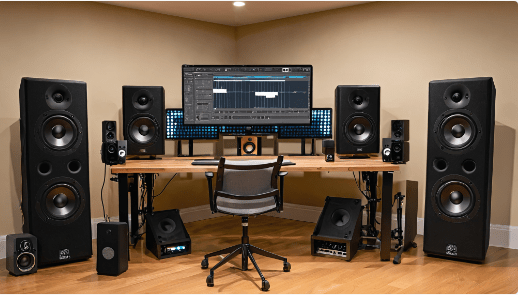
Creating a home studio is an exciting venture for anyone interested in music production, podcasting, or video content creation. With the right setup, you can produce high-quality content from the comfort of your own home. This guide provides essential tips and considerations for setting up an effective home studio that meets your creative needs.
1. Choose the Right Space
The first step in establishing a home studio is selecting an appropriate space. Here are some tips:
Quiet Environment: Look for a room that is free from distractions and external noise. A dedicated space will help you focus on your projects without interruptions.
Natural Light: If possible, choose a room with natural light. This can enhance your mood and creativity during long sessions.
Flexibility: Ensure the space can adapt to your changing needs. As your skills and projects evolve, you may need to rearrange your setup or accommodate new equipment.
2. Essential Equipment
Investing in the right equipment is crucial for a successful home studio. Here are the essentials:
Audio Interface: This device connects your instruments and microphones to your computer, ensuring high-quality sound capture. Look for interfaces that offer low latency and multiple input options.
Studio Monitors: Good studio monitors are vital for accurate sound reproduction. They help you hear your mixes clearly, allowing for better mixing and mastering decisions.
Microphones: Depending on your focus, invest in quality microphones. A condenser mic is ideal for vocals, while dynamic mics are great for instruments.
Digital Audio Workstation (DAW): Choose a DAW that suits your workflow. Popular options include Ableton Live, Logic Pro, and FL Studio. This software will be the heart of your production process.
3. Acoustic Treatment
To achieve professional sound quality, consider acoustic treatment for your studio:
Sound Absorption: Use acoustic panels to absorb sound and reduce echo. This will improve the clarity of your recordings and mixes.
Bass Traps: Install bass traps in the corners of your room to manage low-frequency sounds, which can significantly enhance your audio quality.
DIY Solutions: If you’re on a budget, consider DIY acoustic treatment options, such as using thick blankets or foam mattresses to dampen sound.
4. Lighting Considerations
Proper lighting can enhance your workspace and video quality:
Soft Lighting: Use soft, diffused lighting to avoid harsh shadows. Ring lights or softboxes are excellent for video production.
Adjustable Lighting: Consider adjustable lighting options to create different moods for various projects, whether it’s for recording, streaming, or video shoots.
5. Organizing Your Workspace
An organized workspace promotes efficiency and creativity:
Ergonomic Setup: Arrange your desk, monitors, and equipment to minimize strain during long sessions. An ergonomic chair and desk height can make a significant difference.
Cable Management: Keep cables organized to avoid clutter. Use cable ties or sleeves to bundle cables together, making your workspace look tidy and professional.
Accessibility: Position frequently used equipment within easy reach to streamline your workflow. This includes microphones, instruments, and control surfaces.
6. Budgeting for Your Studio
Setting a budget is essential for managing your home studio setup:
Prioritize Essentials: Focus on purchasing essential equipment first. You can always upgrade as your skills and budget allow.
Research and Compare: Take the time to research different brands and models. Compare prices to find the best deals without compromising quality.
Consider Used Equipment: Look for second-hand gear to save money. Many professional-grade items are available at a fraction of the new price.
7. Continuous Learning
Finally, continually improve your skills and knowledge:
Online Resources: Utilize online tutorials, courses, and forums to learn more about production techniques and equipment.
Experiment: Don’t be afraid to experiment with different setups and techniques. This hands-on experience will help you discover what works best for your style.
Conclusion
Setting up a home studio can be a rewarding experience that enhances your creative output. By choosing the right space, investing in essential equipment, treating your acoustics, and organizing your workspace, you can create a professional environment that inspires productivity. Remember to stay flexible and continuously seek knowledge to refine your skills and elevate your home studio to new heights.
 Janson's blog
tx much for visiting my site. I love anything to do with books & would be thrilled if you’d write a guest blog post for my site, which is for anyone who enjoys writing, or books, and all the arts. If you think it might be fun or helpful to have my followers (who total about 10k across my various social media) meet you, here’s the link for general guidelines:
https://wp.me/p6OZAy-1SOc
LikeLiked by 1 person