Exploring the World’s Best-Selling Street Foods from 10 Iconic Cities

Street food is more than just a quick meal; it’s a gateway into the heart and soul of a city’s culture and traditions. Across the globe, certain dishes have gained iconic status due to their unique flavors, accessibility, and the unforgettable experiences they create. Here are ten of the best-selling and most beloved street foods from different cities worldwide:

1. Tacos – Mexico City, Mexico

Tacos are a quintessential part of Mexican culture and a beloved street food in Mexico City. Fresh, flavorful, and highly customizable, tacos cater to all tastes. Whether you prefer carnitas or al pastor, there’s a taco for everyone.

  • Why Popular: Their versatility and vibrant flavors make them a universal favorite.
  • Key Ingredients: Corn tortillas, meat (pork, beef, or chicken), fresh salsa, onion, and cilantro.

2. Pad Thai – Bangkok, Thailand

Pad Thai captures the essence of Thai cuisine with its perfect harmony of sweet, sour, salty, and spicy flavors. A staple in Bangkok’s street food scene, it’s a must-try for visitors.

  • Why Popular: Its flavorful combination of ingredients represents Thai culinary excellence.
  • Key Ingredients: Rice noodles, shrimp, tofu, tamarind paste, eggs, and peanuts.

3. Pani Puri – Mumbai, India

Pani Puri is an interactive snack that delivers a burst of tangy, spicy, and sweet flavors in every bite. It’s a favorite among locals and tourists exploring Mumbai.

  • Why Popular: The unique combination of flavors and textures makes it irresistible.
  • Key Ingredients: Semolina or wheat shells, spiced water, tamarind chutney, mashed potatoes, and chickpeas.

4. Falafel – Cairo, Egypt

Falafel is a crispy, golden delight enjoyed by vegetarians and non-vegetarians alike. In Cairo, it’s a staple street food that offers a perfect balance of flavors.

  • Why Popular: Its crunchy exterior and soft interior make it a satisfying snack or meal.
  • Key Ingredients: Ground chickpeas or fava beans, herbs, and spices, served with pita bread and tahini.

5. Hot Dogs – New York City, USA

The classic hot dog is synonymous with New York City’s vibrant street culture. Simple yet satisfying, it’s a go-to option for busy locals and curious tourists.

  • Why Popular: Convenient, affordable, and customizable to suit any taste.
  • Key Ingredients: Sausage, bun, mustard, ketchup, sauerkraut, and onions.

6. Arepas – Bogotá, Colombia

Arepas are versatile cornmeal cakes that can be served sweet or savory. A staple in Bogotá, they’re perfect for breakfast, lunch, or a quick snack.

  • Why Popular: Their adaptability and comforting taste appeal to all.
  • Key Ingredients: Cornmeal, cheese, butter, and fillings like shredded chicken or avocado.

7. Gimbap – Seoul, South Korea

Gimbap is a portable, bite-sized snack that’s as nutritious as it is delicious. Found in Seoul’s bustling streets, it’s a favorite among food lovers on the go.

  • Why Popular: It’s healthy, flavorful, and easy to eat anywhere.
  • Key Ingredients: Seaweed, rice, pickled radish, egg, vegetables, and meat or fish.

8. Kroketten – Amsterdam, Netherlands

Kroketten are crispy croquettes filled with creamy ragout. A quintessential Dutch street food, they’re perfect for a quick bite or a satisfying snack.

  • Why Popular: Their crunchy exterior and creamy interior create a delightful texture contrast.
  • Key Ingredients: Breadcrumbs, meat ragout (beef or chicken), and spices.

9. Takoyaki – Osaka, Japan

Takoyaki, savory octopus-filled balls, are a highlight of Osaka’s street food scene. Their unique texture and umami-rich flavor make them a favorite.

  • Why Popular: They’re fun to eat and packed with flavor.
  • Key Ingredients: Batter, diced octopus, green onion, tempura scraps, and takoyaki sauce.

10. Bunny Chow – Durban, South Africa

Bunny Chow is a hearty street food that blends South African and Indian culinary traditions. This flavorful dish is perfect for a filling meal.

  • Why Popular: Its rich, spicy flavors and unique presentation make it a standout dish.
  • Key Ingredients: Hollowed-out bread filled with spicy curry (chicken, lamb, or vegetarian).

Conclusion

Each of these street foods offers a unique glimpse into the culture and traditions of its city. Whether it’s the tangy pani puri of Mumbai, the savory tacos of Mexico City, or the comforting arepas of Bogotá, these dishes are bound to delight food lovers and travelers alike. Which of these street foods would you like to try? Share your thoughts in the comments below!

A Vibrant Sunday Market: Where Everything Old and New Finds a Buyer

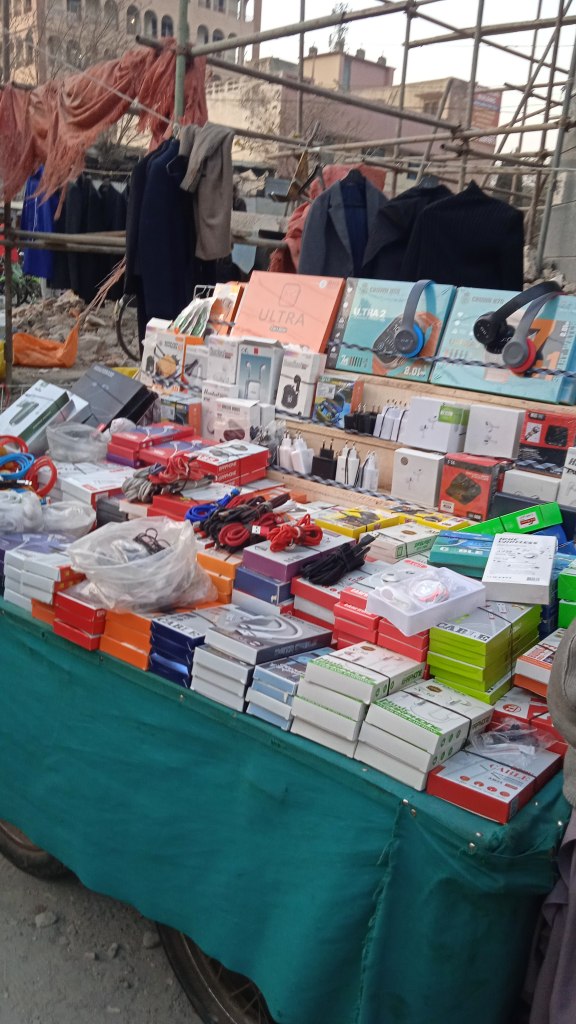
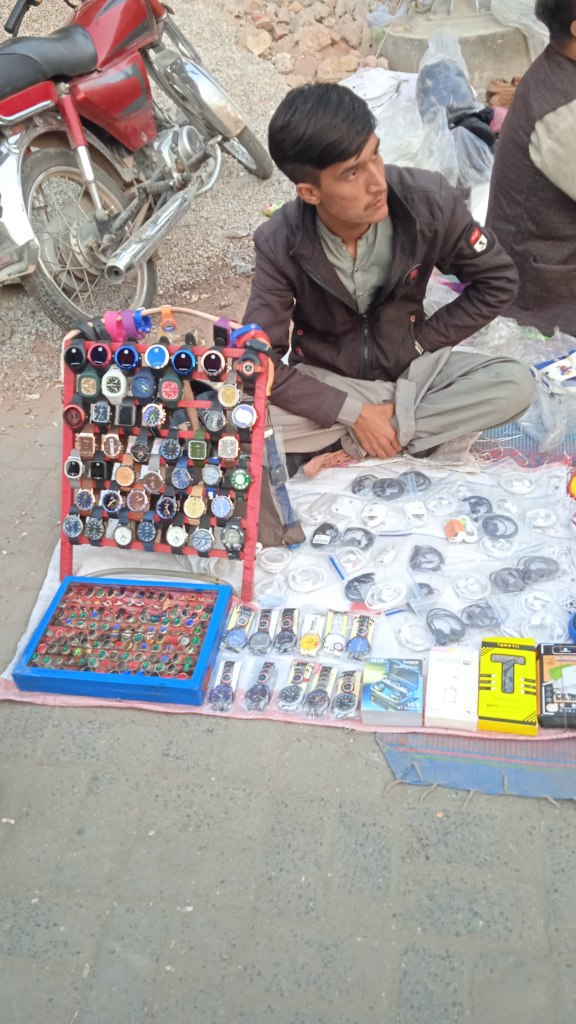
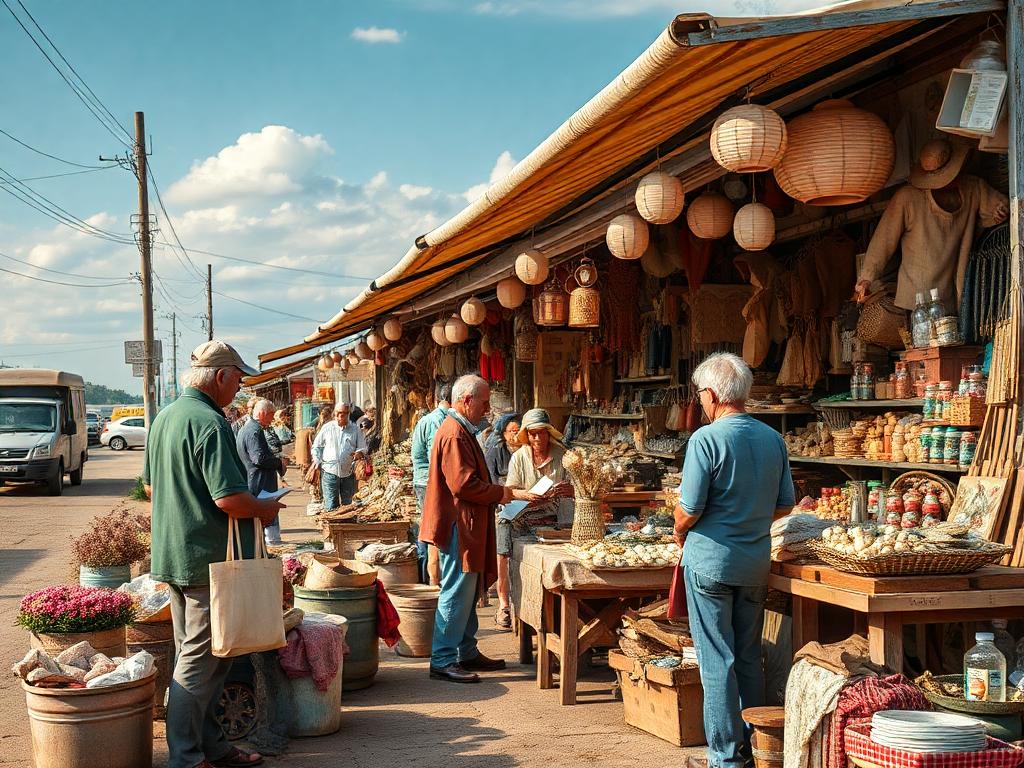
On a crisp Sunday evening, I embarked on an unforgettable journey to a bustling roadside market, the kind of place where the essence of community thrives and treasures, both old and new, await discovery. This vibrant bazaar, sprawling across a few chaotic yet colorful streets, offered an eclectic mix of goods—from antique collectibles to modern gadgets—all laid out on simple pieces of cloth in front of the shopkeepers. It was a sight to behold and an experience to cherish. The place is known as Juma Bazar in the old city of Rawalpindi (Pakistan).

A Symphony of Sounds and Sights

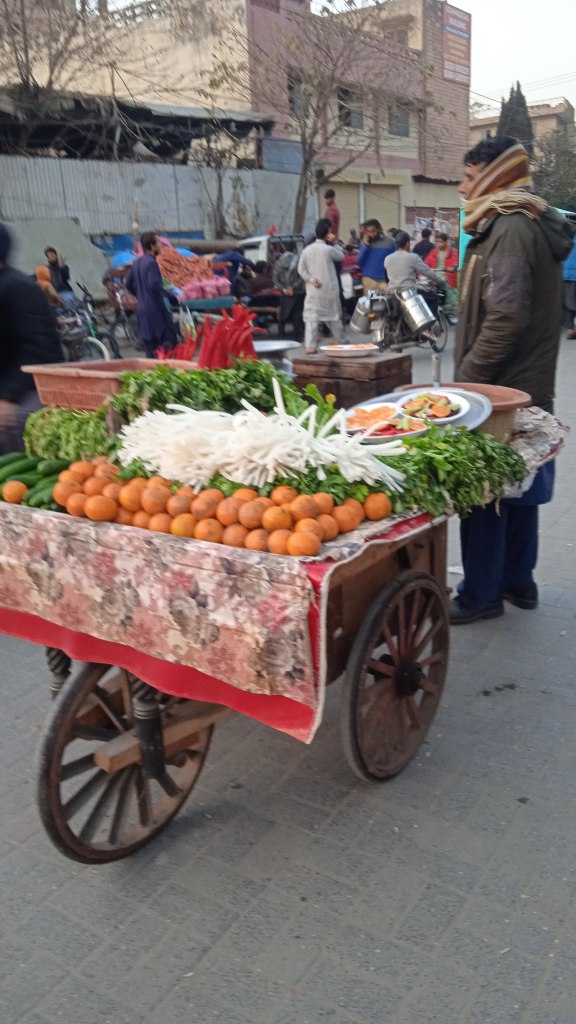
As I stepped into the market, the cacophony of life enveloped me. Vendors shouted out their prices in rhythmic chants, hoping to outdo their neighbors. The aroma of freshly fried snacks mingled with the scent of old leather and wood. Hawkers pushed carts laden with roasted corn, candy, and steaming cups of tea, catering to hungry shoppers.

The market was a mosaic of items. One vendor displayed tarnished brass utensils, their aged patina whispering stories of bygone eras, while another showcased pristine kitchenware that gleamed in the dying evening sun. Nearby, a man sold building materials—rusty nails, screws, and tools—likely salvaged and ready for a second life.

Treasures for All

The variety was astounding. A little further down, I found a vendor selling colorful, second-hand toys. Children tugged at their parents’ sleeves, begging for dolls, action figures, or puzzle sets. Next to them was a display of electronics: outdated DVD players, long discs from the 70s, quirky alarm clocks, (false) silver and gold chains and even an assortment of phone chargers that seemed to fit every model ever made.

Clothes and shoes dominated another section, where rows of jeans, dresses, and sneakers were piled high. Shoppers sifted through the garments, hunting for bargains. The air buzzed with negotiations as customers haggled passionately for the best price.

A Collector’s Paradise

For collectors, this market was a haven. Vintage wristwatches, old vinyl records, weathered books, and antique coins were meticulously arranged on makeshift stalls. One vendor’s collection of old cameras caught my eye. He spoke with pride about their history, showing me a decades-old Polaroid that still worked.

A Feast for the Taste Buds

After hours of exploration, I gave in to the tempting aromas wafting through the air. The food vendors here were just as diverse as the goods. I relished a plate of spicy chaat, followed by a sweet, syrupy jalebi. Nearby, a hawker sold fresh sugarcane balls (gander), which offered a refreshing reprieve from the sun.

People Watching: The Heart of the Market

One of the best parts of my visit was watching the people. There were families out for a weekend adventure, seasoned bargain hunters who knew the market’s every nook, and tourists like me, wide-eyed and marveling at the sheer scale of it all. Each person had their own story and reason for being there, adding to the vibrant tapestry of the market.

A Global Perspective

Markets like these are universal, yet unique. In Morocco, you might find souks brimming with spices and textiles; in Thailand, floating markets offer goods from wooden boats. But the charm of this roadside bazaar lay in its raw authenticity. It wasn’t polished or curated; it was a living, breathing entity where the past and present coexisted.

Why You Should Visit

If you ever find yourself near a market like this, don’t hesitate to dive in. It’s more than just a shopping experience; it’s a window into the culture, history, and everyday life of a community. Share this story with friends who love unique experiences and leave a comment about your own market adventures. Let’s celebrate these timeless hubs of human connection and commerce together.

The Architectural Brilliance of Jaulian: A Buddhist Sanctuary in Pakistan

Visiting the ancient ruins of Jaulian, located near Taxila in Pakistan, is a journey through time, revealing the grandeur of Buddhist architecture from centuries past. This site, perched on a hill, showcases the remains of a Buddhist monastery dating back to the 2nd century CE, making it one of the oldest and most significant religious complexes in the region.

As I explored the sprawling ruins, I was captivated by the intricate pathways and expansive verandas that once served as communal spaces for monks. The layout included study halls and living quarters, which provided insight into the daily lives of those who inhabited this majestic site.

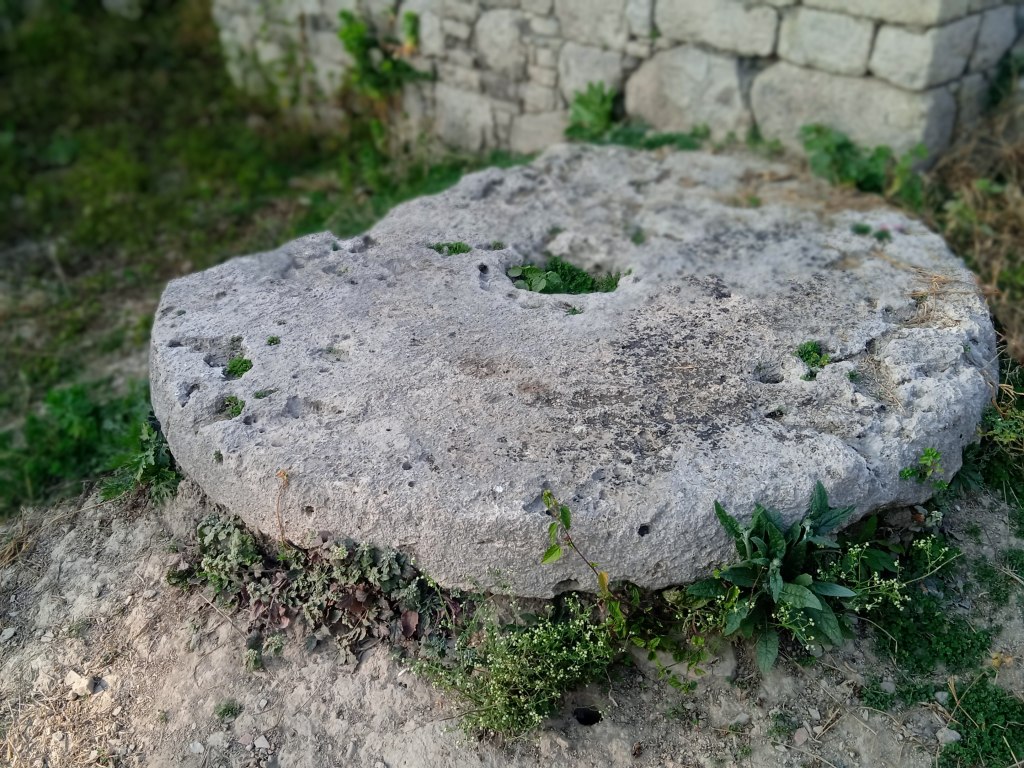
The presence of hand-carved statues of Buddha and his disciples adds a spiritual dimension to the experience, evoking a sense of reverence for the craftsmanship that has withstood the test of time. Among the remarkable features is a manual grinding mill, whose upper part is still visible today. This ancient apparatus was essential for grinding wheat or rice etc. into flour, highlighting the self-sufficiency of this monastic community. The remnants of kitchens and water wells further illustrate how these monks thrived in harmony with their environment.

The scenic beauty surrounding Jaulian enhances its allure. Nestled amidst lush greenery and rolling hills, the site offers breathtaking views that complement its historical significance. The serenity of the landscape invites reflection on the lives of those who once walked these paths. The architectural brilliance displayed at Jaulian is a testament to the skill and dedication of its designers and builders. Their ability to create such an enduring structure, which served as a center for learning and spirituality, deserves high praise. The meticulous attention to detail in every carving and layout reflects a deep understanding of both form and function.

In summary, my visit to Jaulian was not just an exploration of ruins but a profound encounter with history, art, and nature—a true celebration of human achievement in ancient times.

Seasonal Magic: Crafting Holiday Memories and Winter Wellness Tips

The festive season is upon us, bringing with it a spirit of joy, togetherness, and reflection. As the days grow shorter and the air turns crisp, many are searching for ways to make their holidays unforgettable while maintaining their physical and mental well-being. This article dives into the heartwarming world of seasonal celebrations, offering tips and ideas that are not only practical but also inspirational. Share this with your loved ones and spread the holiday cheer!


1. Gift Guides That Warm the Heart

Finding the perfect gift can be daunting, but personalized presents always leave a lasting impression. Consider options like:

  • DIY Kits: These range from candle-making sets to grow-your-own-herb gardens, fostering creativity and fun.
  • Experiences Over Objects: Gift a cooking class, spa voucher, or tickets to a winter festival.
  • Eco-Friendly Choices: Support sustainable brands by choosing biodegradable wrapping paper and zero-waste items.

2. Holiday Recipes That Delight

A winter table isn’t complete without comforting classics and innovative twists. Why not try:

  • Classic Gingerbread Cookies with a touch of chai spice.
  • Plant-Based Eggnog that’s creamy and lactose-free.
  • Globally Inspired Dishes: Incorporate international flavors like tamales or a fragrant Middle Eastern rice dish to surprise your guests.

3. Winter Wellness Tips for the Whole Family

Staying healthy during the holidays is as much about mental balance as it is about physical health. Here’s how:

  • Mindful Celebrations: Embrace gratitude journaling as a family activity.
  • Boosting Immunity: Include foods rich in Vitamin C, zinc, and probiotics in your holiday feasts.
  • Outdoor Adventures: Plan family-friendly activities like sledding, ice skating, or winter hikes to keep everyone active.

4. The Magic of Seasonal Décor

Transform your home into a festive wonderland by embracing sustainable decorations:

  • Natural Centerpieces: Use pinecones, holly, and branches for a rustic charm.
  • Handmade Ornaments: Get the kids involved in crafting keepsakes from recyclable materials.
  • Fairy Lights Everywhere: Twinkling lights instantly set the mood, whether indoors or on your porch.

5. Embracing New Year’s Traditions

The holiday season is incomplete without the promise of a new year. Kick off 2025 with these traditions:

  • Reflection Boards: Create a visual representation of your 2024 highlights and 2025 goals.
  • Community Service: Volunteer at local shelters or organize food drives to give back.
  • Family Resolutions: Set achievable goals together, like a family fitness challenge or a weekly tech-free day.

Why This Article Will Go Viral

  • Engaging Content: Practical tips paired with festive spirit captivate readers of all ages.
  • Viral Keywords: “Winter Wellness,” “Holiday Recipes,” “Eco-Friendly Gifts” are trending terms in 2024.

Let the holidays bring you closer to your loved ones while creating memories you’ll cherish forever. Celebrate this season with heartwarming traditions, thoughtful gestures, and a focus on wellness. What are your favorite holiday traditions? Share them in the comments below!

Don’t forget to click like, comment, and share this article with friends to spread the holiday magic.

St. Paul’s Church, Rawalpindi: A Historical Gem on The Mall

St. Paul’s Church, situated on The Mall Road in Rawalpindi, Pakistan, stands as a beacon of architectural splendor, colonial heritage, and religious significance. Established in the 19th century, this Anglican church has witnessed the evolution of Rawalpindi from a British garrison town to a bustling modern city. It remains one of the city’s most enduring landmarks, attracting worshippers and history enthusiasts alike.


Historical Context

St. Paul’s Church was built during the British colonial era, a time when Rawalpindi served as a key military hub for the British Indian Army. The church was constructed in 1876, during the tenure of the British Raj, primarily to cater to the spiritual needs of the British officers and soldiers stationed in the cantonment area. Its establishment marked the growing influence of Christian missions in the subcontinent, which sought to provide pastoral care to Europeans as well as spread the Christian faith among local communities.


Architectural Marvel

The architecture of St. Paul’s Church reflects the Gothic Revival style, a hallmark of British ecclesiastical structures of that era. The building features tall pointed arches, ribbed vaults, and an imposing spire that is visible from afar. Constructed with sandstone and brick, the church’s design is both functional and aesthetically pleasing, incorporating elements that suit the region’s climate.

The stained-glass windows are a defining feature, casting colorful patterns inside the sanctuary when sunlight filters through. These windows depict biblical scenes and saints, adding to the spiritual ambiance of the church. The interior is adorned with wooden pews, an intricately carved altar, and brass fixtures, all of which have been carefully preserved over the years.


A Recent Encounter Nearby

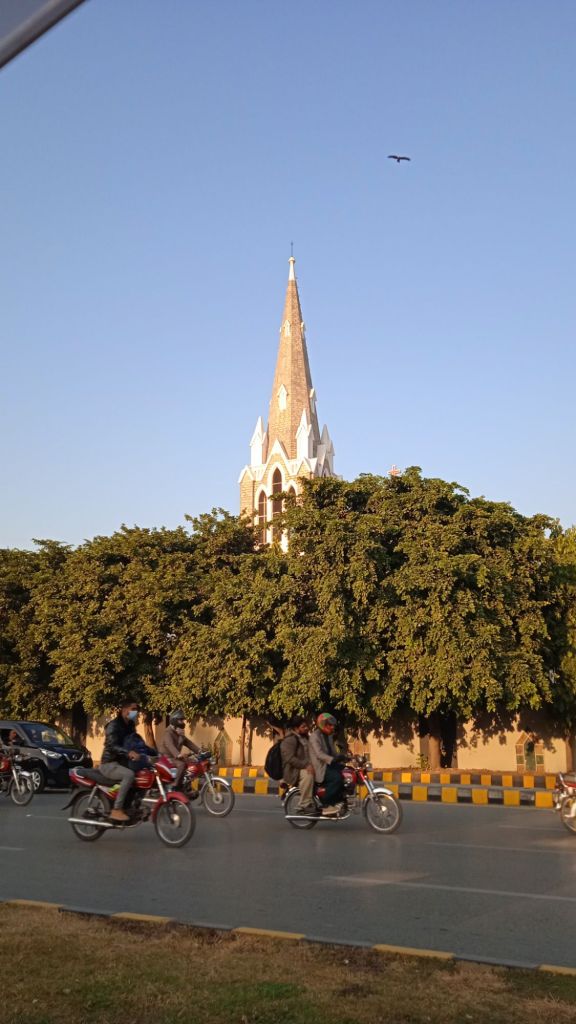
Driving along The Mall Road recently, I found myself near St. Paul’s Church during a calm afternoon. While waiting for the traffic signal to turn green, I was struck by the serene beauty of the church bathed in soft sunlight. Taking out my phone, I captured a quick photo from the car, marveling at its timeless architecture amid the modern chaos around.


Religious Significance

As part of the Anglican Church, St. Paul’s has historically been a place of worship for members of the Church of England residing in Rawalpindi. Post-independence in 1947, the church came under the jurisdiction of the Church of Pakistan, a united Protestant denomination. Today, it serves a diverse congregation, including members of the local Christian community.

The church hosts regular Sunday services, seasonal celebrations such as Christmas and Easter, and special events like weddings and baptisms. These occasions bring together people from various walks of life, fostering a sense of community and spiritual connection.


Role in the Community

St. Paul’s Church is not just a religious institution but also a cultural and historical landmark. It symbolizes the rich multicultural history of Rawalpindi and serves as a reminder of the city’s colonial past. Over the decades, it has been a site for interfaith harmony, with initiatives aimed at promoting dialogue between different religious communities.

The church also engages in charitable activities, offering support to the underprivileged in the form of education, healthcare, and financial assistance. Its community outreach programs are an extension of its Christian mission of compassion and service.


Preservation Efforts

As one of the oldest churches in Pakistan, St. Paul’s Church is a protected heritage site. Efforts have been made to preserve its original structure and prevent degradation caused by time and environmental factors. These initiatives are often carried out in collaboration with heritage conservation organizations and local authorities.

Despite these efforts, challenges remain, such as the need for regular maintenance and protection from urban encroachment. Community-led campaigns and support from the Christian diaspora have played a pivotal role in ensuring that the church remains a well-maintained symbol of Rawalpindi’s historical legacy.


Visiting St. Paul’s Church

Located on the iconic Mall Road, the church is easily accessible and serves as a peaceful retreat amid the city’s hustle and bustle. Visitors are welcomed, especially during public services and festive events, which provide a glimpse into the church’s vibrant community life. Photography is permitted, though visitors are encouraged to respect the sanctity of the space.

The surrounding area, with its colonial-era buildings and tree-lined avenues, adds to the charm of visiting St. Paul’s Church. It’s a perfect spot for history buffs and architectural enthusiasts looking to explore Rawalpindi’s rich cultural tapestry.


Conclusion

St. Paul’s Church on The Mall, Rawalpindi, is more than just a place of worship—it is a testament to the city’s historical and cultural evolution. With its timeless architecture, spiritual significance, and enduring community role, the church continues to inspire and attract people from all walks of life. Preserving such landmarks ensures that future generations can connect with Rawalpindi’s rich heritage, making St. Paul’s an essential part of Pakistan’s historical and religious narrative.

Like, comment and share

An Evening in Ashgabat’s Independence Park: A Timeless Memory

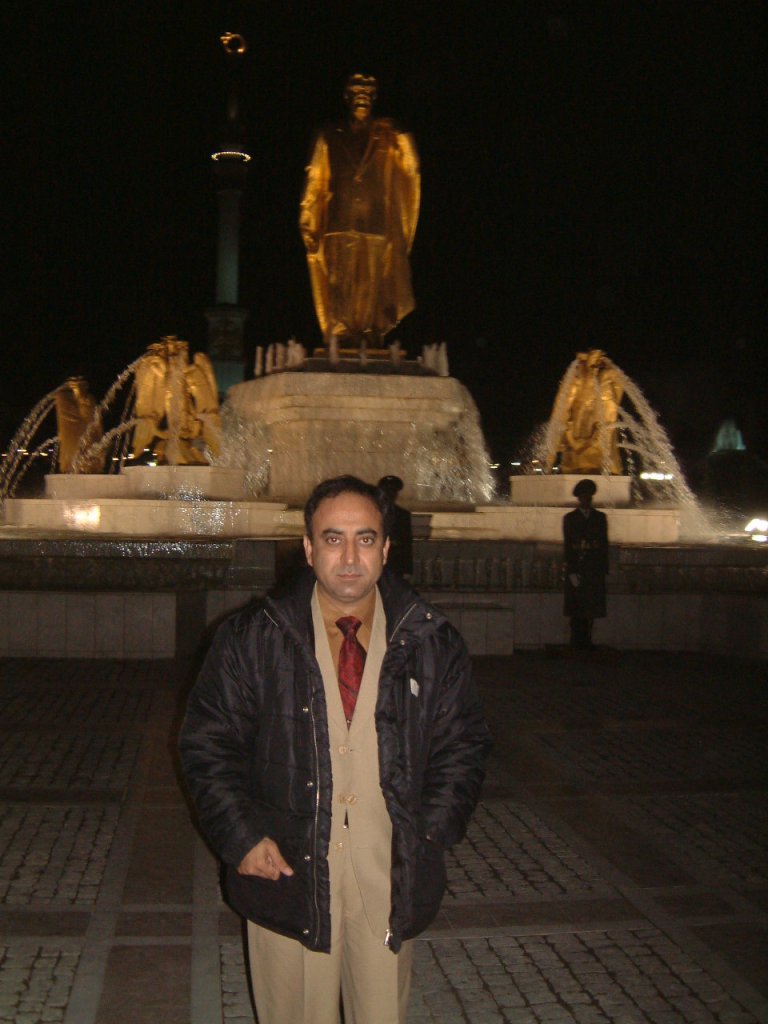
In late November 2003, I found myself in Ashgabat, the radiant capital of Turkmenistan, on a chilly evening. Though the air was crisp, my excitement to explore this extraordinary city kept me warm. Little did I know, the experience awaiting me at Independence Park would leave an indelible mark on my heart and soul.

As I arrived at the park around 10 PM, I was struck by its brilliance. Despite the late hour, the entire park was bathed in light, radiating an enchanting glow that seemed to erase the chill of the night. The meticulously arranged lights illuminated every corner, casting a golden sheen over the sprawling grounds, elegant walkways, and towering monuments. It was as if the park itself was alive, telling a story of Turkmenistan’s pride and history.

The fountains, illuminated in hues of blue and gold, danced gracefully in the night, their rhythmic sprays catching the light in a mesmerizing display. Waterfalls cascaded gently nearby, their soothing murmurs creating a serene soundtrack to the visual splendor. Each step revealed a new wonder—ornately carved monuments of Turkmenistan’s great elders stood as silent sentinels, their presence evoking a sense of reverence and history. The atmosphere was nothing short of magical, a perfect blend of tranquility and grandeur.

What truly elevated the experience was the serenity of the place. Despite its grandeur, the park was peaceful, inviting me to reflect and marvel. The locals, friendly and warm, passed by with polite nods, embodying the hospitality Turkmenistan is renowned for. The pride they take in their culture and heritage is evident in every detail of this majestic park.

Ashgabat itself is a city of contrasts—modern yet steeped in tradition. Its cleanliness, unique architecture, and welcoming people make it a destination unlike any other. Independence Park is its crowning jewel, a place where history and modernity blend seamlessly.

As I reluctantly left the park that night, I carried with me not just memories but a longing to return. The experience was not just a visit; it was a journey through the soul of Turkmenistan—a journey I wholeheartedly recommend to anyone seeking beauty, tranquility, and inspiration.

If you’ve ever dreamed of visiting a place that feels like stepping into a storybook, Independence Park in Ashgabat is it. I invite you to experience its magic for yourself. Click like, comment below, and share this article to inspire others to discover this breathtaking destination!

Forgotten Wonders of Ancient Architecture: Peshawar’s Central Asian Influences

Peshawar: A Timeless Gem of Ancient Architecture

Nestled in Pakistan, the city of Peshawar stands as a testament to ancient architectural wonders shaped by Central Asian influences. One of South Asia’s oldest cities, Peshawar has long served as a cultural crossroads. Its unique architectural style has been deeply influenced by Persian, Afghan, and Turkic designs, blending Central Asian traditions with local aesthetics. The city’s ancient structures showcase intricate woodwork, grand arches, and geometric patterns emblematic of Central Asian architecture. For architecture lovers, Peshawar offers a rare glimpse into the craftsmanship that defines the region’s historical identity.

The Bala Hissar Fort: Central Asian Majesty in Stone

Bala Hissar Fort is among Peshawar’s most significant architectural landmarks. This ancient fortress, built during the 16th century under the rule of the Mughal Empire, exemplifies Central Asian fortification design. Thick, towering walls surround its perimeter, providing strategic protection and a striking visual impact. The fort’s structure incorporates large, arched gateways, decorative turrets, and expansive courtyards typical of Turkic and Persian styles. Notably, the fort’s design includes brickwork and tile mosaics reminiscent of Central Asian citadels. This ancient structure remains an awe-inspiring reminder of the architectural fusion that Peshawar has preserved for centuries.

Mahabat Khan Mosque: Persian and Mughal Architectural Fusion

Constructed in the 17th century, the Mahabat Khan Mosque is another gem illustrating Peshawar’s Central Asian architectural lineage. Named after the Mughal governor Nawab Mahabat Khan, the mosque reflects a combination of Persian and Mughal influences, with some unique Central Asian details. Its facade features ornate tile work and intricate floral patterns, recalling the styles seen in Samarkand and Bukhara. The mosque’s minarets are crafted in the Persian tradition, towering elegantly above the city, while the spacious courtyard and domed prayer halls are influenced by the grand Mughal style. This blending of cultures makes the Mahabat Khan Mosque a fascinating piece of architectural heritage.

Sethi House Complex: A Fusion of Central Asian Craftsmanship

In Peshawar’s old city, the Sethi House Complex, built in the 19th century by the wealthy Sethi family, is an exceptional example of Central Asian-influenced residential architecture. The houses are known for their detailed wooden carvings, latticework, and stained glass, elements closely associated with Central Asian craftsmanship. These homes feature courtyards that mimic the Persian charbagh (four-part) garden design and rooms with intricate wood panels and painted ceilings. The Sethi House Complex highlights how Central Asian artistry has been integrated into the city’s architectural fabric, offering visitors a look at the domestic elegance that flourished during Peshawar’s golden age.

The Qissa Khwani Bazaar: Where Cultural Exchange Meets Architecture

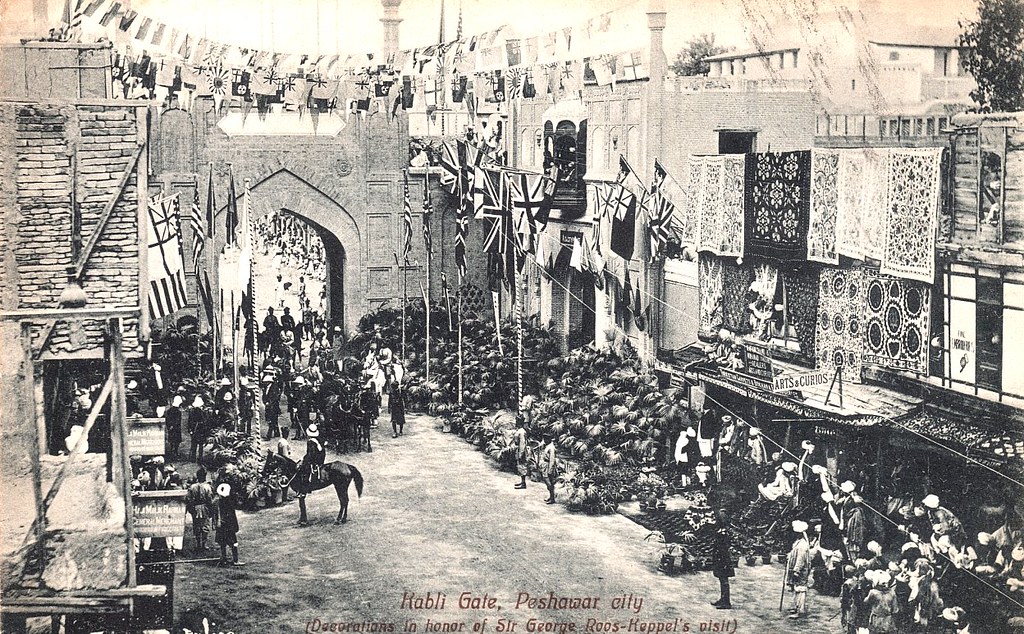
The historic Qissa Khwani Bazaar, also known as the “Bazaar of Storytellers,” has been a center for trade and cultural exchange since the Silk Road era. The architectural style of this market reflects influences from Persian and Central Asian bazaars, featuring arched doorways, carved wooden facades, and high ceilings that allow air circulation, perfect for the region’s hot climate. The traditional shops have maintained their ancient designs, and the bazaar itself offers an immersive experience for anyone interested in ancient architecture. This place remains a powerful symbol of the Central Asian influence on Peshawar, representing centuries of trade and cultural interaction.

Architectural Legacy and Central Asian Roots in Peshawar

Peshawar’s architectural marvels are enduring legacies of the city’s historical ties with Central Asia. The shared cultural history is evident in Peshawar’s buildings, which embody both resilience and artistry. Many of these structures, from forts to mosques to homes, carry the hallmarks of Central Asian architecture, including elaborate woodwork, geometric tile patterns, and Persian-influenced courtyards. For lovers of ancient architecture, Peshawar is not just a city but a living museum, preserving the remnants of a Central Asian aesthetic.

Conclusion: Preserving Ancient Architecture in Modern Times

While Peshawar’s architecture is a significant cultural treasure, efforts to preserve these structures are crucial. The impact of urbanization and environmental factors threatens the architectural heritage that has defined this city for centuries. Continued preservation efforts can ensure that Peshawar’s Central Asian-influenced architecture remains for future generations to appreciate and study. As global interest in ancient architecture grows, Peshawar stands as a captivating example of cultural fusion and historic beauty, inviting visitors and architecture enthusiasts alike to explore its forgotten wonders.

Cultural Festivals in Japan: A Celebration of Tradition and Diversity

Japan, a country known for its rich cultural heritage and deep-rooted traditions, is home to a plethora of festivals that reflect its history, beliefs, and community spirit. These festivals, known as “matsuri,” are celebrated throughout the year and provide a unique window into the country’s vibrant culture. Among the many festivals, a few stand out for their grandeur, historical significance, and the way they bring communities together.

1. Gion Matsuri (Kyoto)

Gion Matsuri is arguably the most famous festival in Japan, held annually in Kyoto during the entire month of July. It dates back to 869 AD when it was first celebrated to appease the gods during a time of plague and natural disasters. The highlight of Gion Matsuri is the grand procession of floats, known as “yamaboko junko,” which takes place on July 17 and 24.

Each float, meticulously crafted and decorated with traditional tapestries and artifacts, represents a different district in Kyoto. Participants dressed in traditional attire pull the floats through the streets, accompanied by music and chanting. The festival also features various events, including traditional music and dance performances, tea ceremonies, and special shrine rituals. Gion Matsuri is a celebration of Kyoto’s rich history and artistic heritage, attracting thousands of visitors from around the world.

2. Awa Odori (Tokushima)

Awa Odori, held in Tokushima City on Shikoku Island from August 12 to 15, is Japan’s largest dance festival. It originated during the 16th century and is characterized by its energetic and rhythmic dance known as “Awa Odori” or “fool’s dance.” Participants wear traditional summer kimono, straw hats, and wooden clogs, dancing through the streets to the lively sounds of shamisen (a traditional Japanese string instrument), taiko drums, and flutes.

The dance movements are exuberant and free-spirited, encouraging both performers and spectators to join in the festivities. Awa Odori’s inclusive nature and joyous atmosphere make it a celebration of community and shared joy, reflecting the spirit of Japanese festivals.

3. Nebuta Matsuri (Aomori)

Held from August 2 to 7 in Aomori City, Nebuta Matsuri is known for its spectacular illuminated floats, called “nebuta,” which are paraded through the streets at night. These floats, made of painted washi paper and lit from within, depict scenes from Japanese folklore, kabuki theater, and historical events.

Accompanied by the music of taiko drums, flutes, and chanting, the floats create a mesmerizing visual and auditory experience. Dancers, known as “haneto,” dressed in traditional costumes, perform energetic routines around the floats, adding to the festival’s dynamic atmosphere. Nebuta Matsuri is a feast for the senses, showcasing the artistic and creative prowess of the Aomori community.

4. Tanabata Matsuri (Sendai)

Tanabata Matsuri, also known as the Star Festival, is celebrated in Sendai from August 6 to 8. The festival is based on a Chinese legend about the celestial lovers, Orihime and Hikoboshi, who are separated by the Milky Way and can only meet once a year on the seventh day of the seventh month.

The streets of Sendai are adorned with colorful streamers and paper decorations, symbolizing the wishes of the festival-goers. These decorations hang from bamboo poles, creating a canopy of vibrant colors and intricate designs. Tanabata Matsuri also features parades, traditional music, dance performances, and food stalls offering local delicacies. The festival is a blend of myth, art, and community celebration, highlighting the cultural richness of Sendai.

5. Kanda Matsuri (Tokyo)

Kanda Matsuri, one of Tokyo’s three major festivals, is held in mid-May in honor of the Kanda Myojin Shrine. The festival dates back to the Edo period and is celebrated with a grand procession of portable shrines, known as “mikoshi,” through the streets of central Tokyo.

Participants, dressed in traditional attire, carry the mikoshi, which are believed to house deities, to bring blessings and prosperity to the local community. The procession is accompanied by traditional music, dance, and martial arts displays. Kanda Matsuri is a vibrant celebration of Tokyo’s history and religious traditions, drawing large crowds of both locals and tourists.

Soaring Dreams: A Journey by Seaplane in the Maldives

In the tranquil embrace of the Indian Ocean lies a paradise revered by travelers worldwide—the Maldives. While this archipelago nation is renowned for its pristine beaches, luxurious resorts, and vibrant marine life, my most unforgettable experience in this enchanting realm was the surreal journeys aboard a seaplane from Male to a number of islands/resorts. This aerial escapade not only transcended the boundaries of ordinary travel but also ignited a passion for exploration that remains unparalleled.

Flying in a seaplane is akin to stepping into a realm where time seems to stand still, and reality merges with fantasy. As we departed from the bustling capital of Male, the azure waters beneath us sparkled like a sea of sapphires, reflecting the golden hues of the tropical sun. The transition from land to sky was seamless, facilitated by the amphibious nature of the aircraft, which effortlessly skimmed the surface before gracefully ascending into the vast expanse above.

One cannot help but marvel at the panoramic vistas that unfold from the windows of a seaplane. The Maldives, with its labyrinthine atolls and emerald isles, appears as a masterpiece painted by the hand of nature itself. Islands adorned with lush vegetation and fringed by powdery white beaches drift beneath, while coral reefs cast intricate patterns upon the cerulean canvas of the ocean.

But it is not merely the visual spectacle that makes flying in a seaplane an unparalleled experience; it is the sense of freedom and liberation that accompanies it. In the confines of a conventional aircraft, one is bound by predefined flight paths and schedules. However, aboard a seaplane, the sky is the limit, and the journey becomes an adventure in itself. With the ability to land on water, remote and untouched corners of the Maldives become accessible, opening up a world of exploration beyond the reach of traditional transportation.

For many, the opportunity to fly in a seaplane remains a distant dream—a luxury reserved for the fortunate few. Yet, even for those who possess the means, time constraints and other obligations often conspire to keep this dream tantalizingly out of reach. Indeed, my own journey was made possible by a stroke of serendipity—an unexpected invitation that beckoned me to embark on an adventure of a lifetime.

In hindsight, I realize that flying in a seaplane is not merely a mode of transportation but a transcendental experience that leaves an indelible mark on the soul. It is a testament to the boundless wonders of our planet and the unyielding human spirit of exploration. As I reflect on my voyages through the skies of the Maldives, I am reminded that true fulfillment lies not in the destination but in the journey itself—in the moments of awe and wonder that stir the heart and ignite the imagination.

So, to all who harbor the dream of soaring above the cerulean seas of the Maldives in a seaplane, I urge you to seize the moment, to cast aside the shackles of routine and obligation, and to embrace the adventure that awaits. For in the embrace of the open skies, amidst the whispers of the wind and the dance of the waves, lies the promise of a journey unlike any other—a journey of discovery, of wonder, and of dreams fulfilled.

Travel Guide – Santorini, Greece

Immerse yourself in the stunning beauty of Santorini with its iconic white-washed buildings perched on cliffs overlooking the azure Aegean Sea. Explore charming villages, savor delicious Greek cuisine, and witness breathtaking sunsets.

Activities:
– Exploring the ancient ruins of Akrotiri
– Wine tasting at local vineyards
– Relaxing on the unique red and black sand beaches
– Shopping in the picturesque town of Oia
– Sailing around the caldera for panoramic views

Travel Guide – Seychelles

Escape to the Seychelles where lush jungles meet pristine beaches and granite boulders dot the landscape. Discover the unique flora and fauna of these islands, and unwind in the serene surroundings.

Activities:
– Hiking through Vallée de Mai Nature Reserve
– Swimming and sunbathing at Anse Lazio beach
– Island hopping to Praslin and La Digue
– Snorkeling among colorful fish and corals
– Visiting the giant tortoises on Curieuse Island

Travel Guide –  Bora Bora, French Polynesia

Experience the ultimate luxury getaway in Bora Bora with its crystal-clear waters, overwater bungalows, and stunning coral reefs. Enjoy the perfect blend of relaxation and adventure in this tropical paradise.

Activities:
– Snorkeling or diving in the vibrant coral gardens
– Relaxing on the beautiful white sand beaches
– Taking a romantic sunset cruise
– Exploring Mount Otemanu for picturesque views
– Indulging in a Polynesian spa treatment