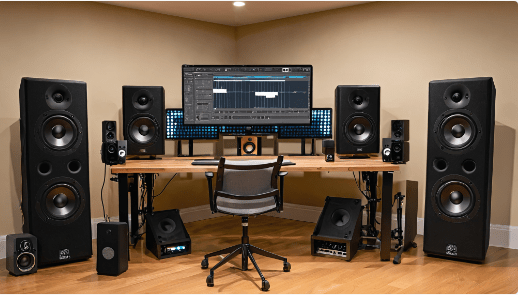
Creating a home studio is an exciting venture for anyone interested in music production, podcasting, or video content creation. With the right setup, you can produce high-quality content from the comfort of your own home. This guide provides essential tips and considerations for setting up an effective home studio that meets your creative needs.
There are numerous services you can offer as a virtual assistant (VA), catering to a wide range of client needs. Here are some ideas across various categories:
Administrative Services
Calendar Management: Organizing meetings, appointments, and reminders.
Travel Arrangements: Booking flights, accommodations, and transportation.
Email Management: Sorting and responding to emails, managing inboxes.
Data Entry: Inputting and organizing data for clients.
Customer Support
Client Communication: Handling inquiries and providing support via email or chat.
Feedback Management: Collecting and analyzing customer feedback.
Digital Marketing
Social Media Management: Creating and scheduling posts, engaging with followers.
Email Marketing: Designing and sending newsletters, managing subscriber lists.
SEO Assistance: Optimizing website content for search engines.
Content Creation
Blog Management: Writing, editing, and publishing blog posts.
Graphic Design: Creating visuals for social media, websites, or marketing materials.
Video Editing: Editing video content for promotional or educational purposes.
Project Management
Task Coordination: Overseeing project timelines and deliverables.
Team Management: Assisting in recruiting and managing team members.
Financial Services
Bookkeeping: Managing invoices, expenses, and financial records.
Budgeting: Assisting clients in tracking and planning their budgets.
Specialized Services
Research Assistance: Conducting market research or competitor analysis.
Transcription Services: Transcribing audio or video content into written form.
Website Maintenance: Updating content and managing website functionality.
Sales Support
Lead Generation: Identifying potential clients and managing outreach.
Follow-Up Calls: Contacting leads to nurture relationships and close sales.
These ideas can help you tailor your virtual assistant services to meet the specific needs of businesses and entrepreneurs, allowing for a flexible and profitable gig. Consider your skills and interests when deciding which services to offer, as this will enhance your effectiveness and client satisfaction
Horse hoof and shoe restoration is a vital practice in maintaining the health and soundness of horses. Whether it’s due to wear and tear, damage, or the need for corrective measures, restoring horse hooves and shoes is a necessary skill for any horse owner or farrier. In this article, we will explore the reasons behind horse hoof/shoe restoration, the requirements for undertaking the process, and a step-by-step guide to effectively restore hooves and shoes. Before we dive into the details, make sure to watch our instructional video on horse hoof/shoe restoration by clicking the link provided in this article.
Reasons for Horse Hoof/Shoe Restoration
Wear and Tear:
Over time, the constant use of hooves and shoes can result in natural wear and tear, leading to the need for restoration.
Damage and Injury:
Accidents, injuries, or certain medical conditions may cause damage to the hooves or shoes, requiring restoration for proper healing and functionality.
Corrective Measures:
Sometimes, horses may require corrective shoeing or trimming techniques to address gait abnormalities, lameness issues, or imbalances.
Requirements for Horse Hoof/Shoe Restoration
Proper Tools and Equipment:
A farrier or horse owner performing restoration work needs essential tools such as a hoof pick, rasp, nippers, hoof knife, clinch cutter, and hammer.
Safety Gear:
Wearing protective gear like gloves and safety shoes is crucial to ensure personal safety during the restoration process.
Knowledge and Skills:
Understanding equine anatomy, hoof health, and the techniques involved in restoration is essential. It is advisable to seek professional guidance or training.
Step-by-Step Process of Horse Hoof/Shoe Restoration
Assess the Hoof Condition:
Begin by thoroughly examining the hoof, checking for cracks, uneven wear, or any signs of damage.
Clean and Trim the Hoof:
Use a hoof pick to remove dirt and debris. Trim the hoof walls to achieve an appropriate length, ensuring a balanced and even surface.
Leveling and Balancing:
Use a rasp to level the hoof and create a balanced bearing surface. Address any unevenness or abnormalities that may affect the horse’s gait.
Shoe Fitting:
If shoe restoration involves replacing or resetting shoes, ensure they fit properly and provide adequate support. Secure them with nails or other suitable fasteners.
Finishing Touches:
Smooth out any rough edges using a rasp and ensure proper clinching of the nails. Apply any necessary finishing products, such as hoof conditioner or polish, for added protection and aesthetics.
Conclusion
Proper horse hoof and shoe restoration is a crucial aspect of equine care. By understanding the reasons behind restoration, gathering the necessary tools, and acquiring the knowledge and skills, you can ensure the well-being and performance of your horse. Remember to consult with a professional farrier when needed and make use of online resources, including the instructional video provided in this article, to enhance your understanding and proficiency in horse hoof/shoe restoration.
Watch an interesting video on the shoe restoration by clicking


 Janson's blog