A Vibrant Sunday Market: Where Everything Old and New Finds a Buyer
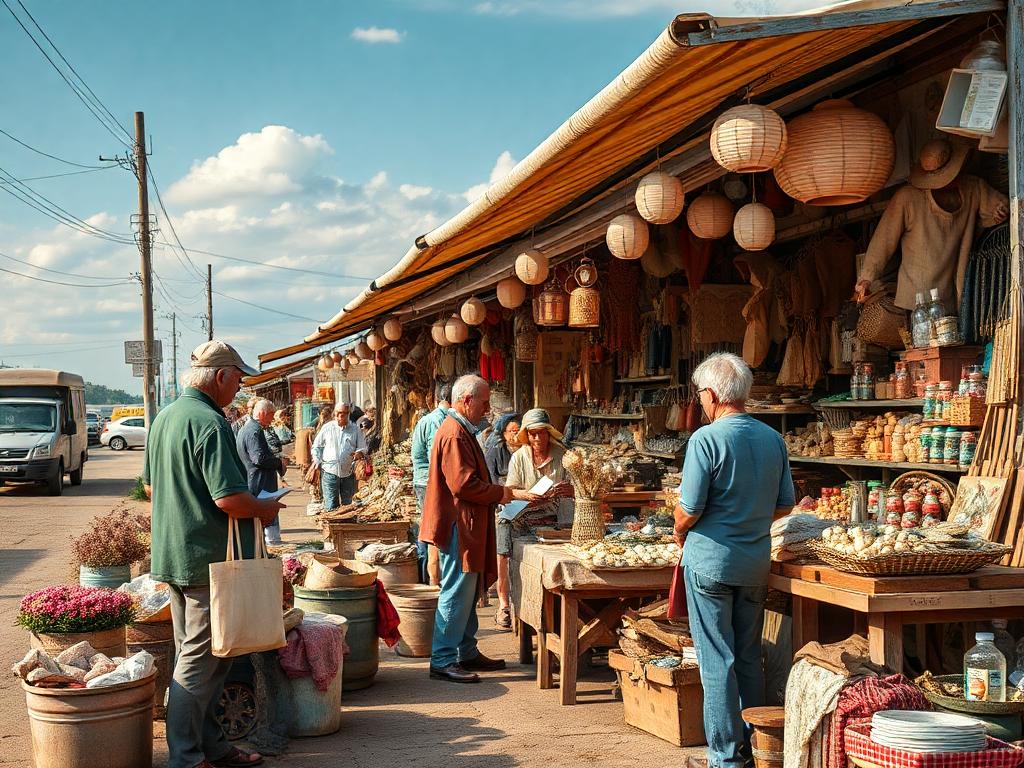
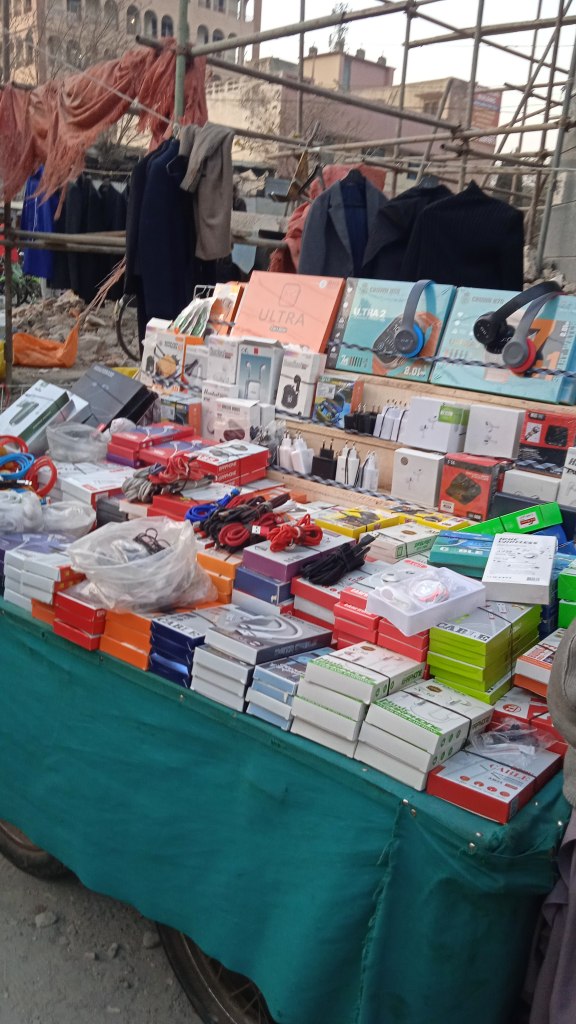
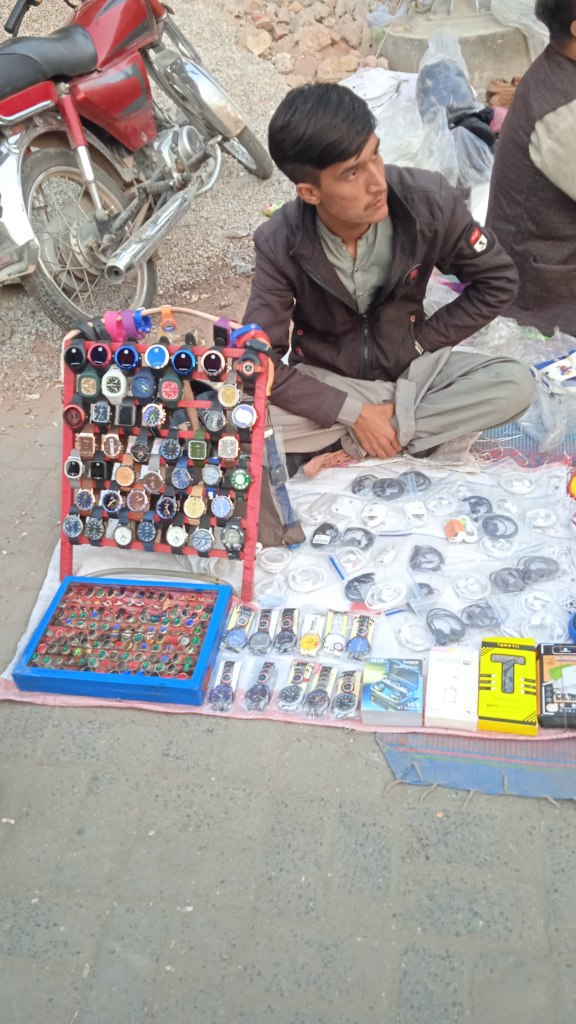
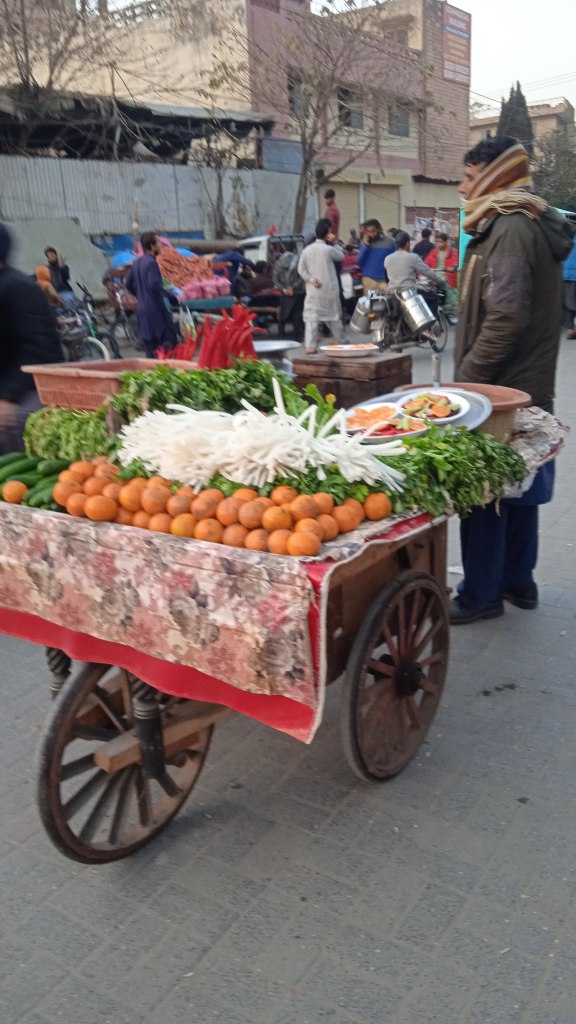
On a crisp Sunday evening, I embarked on an unforgettable journey to a bustling roadside market, the kind of place where the essence of community thrives and treasures, both old and new, await discovery. This vibrant bazaar, sprawling across a few chaotic yet colorful streets, offered an eclectic mix of goods—from antique collectibles to modern gadgets—all laid out on simple pieces of cloth in front of the shopkeepers. It was a sight to behold and an experience to cherish. The place is known as Juma Bazar in the old city of Rawalpindi (Pakistan).


A Symphony of Sounds and Sights

As I stepped into the market, the cacophony of life enveloped me. Vendors shouted out their prices in rhythmic chants, hoping to outdo their neighbors. The aroma of freshly fried snacks mingled with the scent of old leather and wood. Hawkers pushed carts laden with roasted corn, candy, and steaming cups of tea, catering to hungry shoppers.

The market was a mosaic of items. One vendor displayed tarnished brass utensils, their aged patina whispering stories of bygone eras, while another showcased pristine kitchenware that gleamed in the dying evening sun. Nearby, a man sold building materials—rusty nails, screws, and tools—likely salvaged and ready for a second life.

Treasures for All

The variety was astounding. A little further down, I found a vendor selling colorful, second-hand toys. Children tugged at their parents’ sleeves, begging for dolls, action figures, or puzzle sets. Next to them was a display of electronics: outdated DVD players, long discs from the 70s, quirky alarm clocks, (false) silver and gold chains and even an assortment of phone chargers that seemed to fit every model ever made.

Clothes and shoes dominated another section, where rows of jeans, dresses, and sneakers were piled high. Shoppers sifted through the garments, hunting for bargains. The air buzzed with negotiations as customers haggled passionately for the best price.

A Collector’s Paradise

For collectors, this market was a haven. Vintage wristwatches, old vinyl records, weathered books, and antique coins were meticulously arranged on makeshift stalls. One vendor’s collection of old cameras caught my eye. He spoke with pride about their history, showing me a decades-old Polaroid that still worked.

A Feast for the Taste Buds

After hours of exploration, I gave in to the tempting aromas wafting through the air. The food vendors here were just as diverse as the goods. I relished a plate of spicy chaat, followed by a sweet, syrupy jalebi. Nearby, a hawker sold fresh sugarcane balls (gander), which offered a refreshing reprieve from the sun.

People Watching: The Heart of the Market

One of the best parts of my visit was watching the people. There were families out for a weekend adventure, seasoned bargain hunters who knew the market’s every nook, and tourists like me, wide-eyed and marveling at the sheer scale of it all. Each person had their own story and reason for being there, adding to the vibrant tapestry of the market.

A Global Perspective

Markets like these are universal, yet unique. In Morocco, you might find souks brimming with spices and textiles; in Thailand, floating markets offer goods from wooden boats. But the charm of this roadside bazaar lay in its raw authenticity. It wasn’t polished or curated; it was a living, breathing entity where the past and present coexisted.

Why You Should Visit

If you ever find yourself near a market like this, don’t hesitate to dive in. It’s more than just a shopping experience; it’s a window into the culture, history, and everyday life of a community. Share this story with friends who love unique experiences and leave a comment about your own market adventures. Let’s celebrate these timeless hubs of human connection and commerce together.

Exploring Thailand on a Budget: 10 Affordable Destinations for Budget Travelers

Thailand offers plenty of affordable destinations for travelers on a budget. Here are 10 inexpensive places you might consider visiting:

Bangkok: While the capital city can be bustling and fast-paced, it also offers plenty of budget-friendly accommodation, street food, and attractions like temples, markets, and parks.

Chiang Mai: This northern city is known for its beautiful temples, rich culture, and affordable street food. You can also find reasonably priced guesthouses and hostels here.

Pai: A laid-back town in the mountains of northern Thailand, Pai is popular among backpackers for its relaxed atmosphere, beautiful scenery, and affordable accommodation options.

Ayutthaya: Just a short train ride from Bangkok, Ayutthaya is a UNESCO World Heritage Site known for its ancient ruins and temples. Entry fees are minimal, and you can explore much of the city on foot or by bicycle.

Chiang Rai: Another northern city, Chiang Rai offers a quieter alternative to Chiang Mai. Visit the White Temple (Wat Rong Khun), explore the night markets, and take in the scenic countryside.

    Kanchanaburi: Famous for the Bridge over the River Kwai, Kanchanaburi is a great destination for history buffs and nature lovers alike. You can visit war museums, waterfalls, and national parks on a budget.

    Pattaya: While Pattaya is known for its nightlife and beach resorts, it also has budget-friendly options for travelers. You can find affordable guesthouses, street food stalls, and free or low-cost activities like visiting temples or exploring nearby islands.

    Hua Hin: Another beach destination that’s more budget-friendly than some of Thailand’s more famous islands, Hua Hin offers sandy beaches, night markets, and affordable seafood restaurants.

    Koh Tao: While some of Thailand’s islands can be expensive, Koh Tao is known for its budget-friendly diving courses and laid-back atmosphere. You can also find affordable accommodation and dining options here.

    Koh Lanta: This island in the Andaman Sea is less developed than some of Thailand’s other islands, making it a great choice for budget travelers. Enjoy beautiful beaches, snorkeling, and exploring the island’s natural beauty without breaking the bank.

    Authentic Thai Pad Thai Recipe – Cooked Live for an Unforgettable Dining Experience

    Introduction:

    Prepare to embark on a culinary journey to Thailand as we unveil the secrets of crafting an authentic Pad Thai, a renowned Thai street food dish. Not only will you savor the tantalizing flavors of this iconic dish, but you’ll also get a taste of the live cooking experience that adds a unique dimension to your dining adventure. With our step-by-step guide, you can recreate this Thai masterpiece in your own kitchen and impress your guests with your culinary prowess.

    Ingredients:

    – 8 oz rice noodles / – 2 tbsp vegetable oil / – 2 cloves garlic, minced / – 2 eggs / – 1/2 cup tofu, cubed / – 1/2 cup shrimp, peeled and deveined (optional) / – 1/2 cup bean sprouts / – 1/4 cup crushed / peanuts / – 2 green onions, chopped / – 2 tbsp tamarind paste / – 2 tbsp fish sauce / – 1 tbsp sugar / – 1/2 tsp red pepper flakes (adjust to taste) / – Lime wedges for garnish / – Fresh cilantro leaves for garnish

    Instructions:

    1. Preparing the Noodles: Begin by soaking the rice noodles in warm water for about 30 minutes or until they become soft and pliable. Drain and set them aside.

    2. Making the Pad Thai Sauce: In a small bowl, mix the tamarind paste, fish sauce, sugar, and red pepper flakes. This sauce will add the characteristic sweet, sour, and savory flavors to your Pad Thai.

    3. Live Cooking Experience: Now, it’s time for the live cooking experience! Heat a wok or a large skillet over high heat. Add vegetable oil and minced garlic. Stir-fry for a few seconds until aromatic.

    4. Adding the Proteins: Push the garlic to the side and crack the eggs into the wok. Quickly scramble them until they are partially cooked. Then, add the tofu and shrimp (if using) and stir-fry until they turn pink and the tofu becomes slightly crispy.

    5. Incorporating the Noodles: Add the drained rice noodles to the wok. Use tongs or chopsticks to toss everything together, ensuring the noodles absorb the flavors from the wok.

    6. Pouring in the Pad Thai Sauce:

    Pour the prepared Pad Thai sauce over the noodles and continue to stir-fry until everything is well-coated and the noodles are heated through.

    7. Final Touches: Stir in the bean sprouts and half of the chopped green onions. Cook for an additional minute, allowing the bean sprouts to wilt slightly.

    8. Plating and Garnishing: Transfer your freshly cooked Pad Thai to a serving plate. Sprinkle crushed peanuts and the remaining green onions on top. Garnish with lime wedges and fresh cilantro leaves for an extra burst of flavor and color.

    9. Serving the Experience: Serve your Pad Thai immediately, and let your guests experience the aromatic essence of Thailand right in your dining room. Encourage them to squeeze lime juice over their dish for an extra zing.

    Congratulations! You’ve just unlocked the secrets to crafting an authentic Pad Thai, complete with the live cooking experience that makes dining out in Thailand so special. Now, you can create this beloved Thai dish in your own kitchen and impress your friends and family with your culinary expertise. From the enticing aroma to the delightful flavors, Pad Thai is a true Thai treasure that will transport your taste buds to the bustling streets of Bangkok.