The festive season is upon us, bringing with it a spirit of joy, togetherness, and reflection. As the days grow shorter and the air turns crisp, many are searching for ways to make their holidays unforgettable while maintaining their physical and mental well-being. This article dives into the heartwarming world of seasonal celebrations, offering tips and ideas that are not only practical but also inspirational. Share this with your loved ones and spread the holiday cheer!
1. Gift Guides That Warm the Heart
Finding the perfect gift can be daunting, but personalized presents always leave a lasting impression. Consider options like:
DIY Kits: These range from candle-making sets to grow-your-own-herb gardens, fostering creativity and fun.
Experiences Over Objects: Gift a cooking class, spa voucher, or tickets to a winter festival.
Eco-Friendly Choices: Support sustainable brands by choosing biodegradable wrapping paper and zero-waste items.
2. Holiday Recipes That Delight
A winter table isn’t complete without comforting classics and innovative twists. Why not try:
Classic Gingerbread Cookies with a touch of chai spice.
Plant-Based Eggnog that’s creamy and lactose-free.
Globally Inspired Dishes: Incorporate international flavors like tamales or a fragrant Middle Eastern rice dish to surprise your guests.
3. Winter Wellness Tips for the Whole Family
Staying healthy during the holidays is as much about mental balance as it is about physical health. Here’s how:
Mindful Celebrations: Embrace gratitude journaling as a family activity.
Boosting Immunity: Include foods rich in Vitamin C, zinc, and probiotics in your holiday feasts.
Outdoor Adventures: Plan family-friendly activities like sledding, ice skating, or winter hikes to keep everyone active.
4. The Magic of Seasonal Décor
Transform your home into a festive wonderland by embracing sustainable decorations:
Natural Centerpieces: Use pinecones, holly, and branches for a rustic charm.
Handmade Ornaments: Get the kids involved in crafting keepsakes from recyclable materials.
Fairy Lights Everywhere: Twinkling lights instantly set the mood, whether indoors or on your porch.
5. Embracing New Year’s Traditions
The holiday season is incomplete without the promise of a new year. Kick off 2025 with these traditions:
Reflection Boards: Create a visual representation of your 2024 highlights and 2025 goals.
Community Service: Volunteer at local shelters or organize food drives to give back.
Family Resolutions: Set achievable goals together, like a family fitness challenge or a weekly tech-free day.
Why This Article Will Go Viral
Engaging Content: Practical tips paired with festive spirit captivate readers of all ages.
Viral Keywords: “Winter Wellness,” “Holiday Recipes,” “Eco-Friendly Gifts” are trending terms in 2024.
Let the holidays bring you closer to your loved ones while creating memories you’ll cherish forever. Celebrate this season with heartwarming traditions, thoughtful gestures, and a focus on wellness. What are your favorite holiday traditions? Share them in the comments below!
Don’t forget to click like, comment, and share this article with friends to spread the holiday magic.
In a world driven by technology, the wisdom of ancient civilizations seems almost mystical. Yet, these ancient societies laid the foundations for some of the most essential practices we rely on today. From groundbreaking science to holistic health practices, ancient wisdom continues to shape our modern lives. But what exactly can we learn from the past, and how can these secrets be applied to enhance our well-being and understanding of the world today?
In this article, we’ll dive deep into ancient mysteries, from the secret knowledge of the Egyptians and the astonishing precision of Mayan astronomy to the sustainable, natural remedies that have been preserved for thousands of years. Let’s embark on a journey to uncover how these ancient truths can lead us to a richer, more mindful, and balanced life in the modern era.
1. Hidden Knowledge from Ancient Civilizations
The Egyptians: Guardians of Spiritual and Medical Knowledge
The ancient Egyptians were pioneers in various fields, with a particularly advanced understanding of medicine and spirituality. Through hieroglyphs and architectural remnants, we’ve come to understand their highly evolved medical practices, from herbal remedies to surgical techniques that rival modern methods.
One of the most remarkable aspects of Egyptian wisdom is the balance they maintained between body and soul. Their practices show a holistic view of health and well-being, combining medicine with spiritual healing. For instance, herbs like myrrh and frankincense were not only used in spiritual rituals but also had significant antiseptic properties. Ancient Egyptian medical texts, such as the Ebers Papyrus, reveal remedies that are still relevant today.
The Mayans: Masters of Astronomy and Time
The Mayans, another astonishing civilization, were experts in mathematics and astronomy, creating calendars that predicted celestial events with incredible accuracy. The Mayan Long Count calendar, often misunderstood in modern times, was a remarkable tool for tracking cosmic cycles. Their understanding of astronomy also reflected a deep connection between the cosmos and human experience, something we are rediscovering in today’s world of mindfulness and cosmic awareness.
Even in our modern world, with advanced telescopes and space exploration, the precision of Mayan calculations leaves researchers in awe. They viewed the movement of stars and planets as a reflection of earthly events, a perspective that resonates today with those seeking alignment with the universe.
The Greeks: Innovators in Science and Philosophy
Greek civilization contributed massively to the development of science, philosophy, and the arts. Figures like Pythagoras, Plato, and Aristotle set the groundwork for modern science, ethics, and logic. Greek philosophers didn’t just discuss theoretical ideas but applied them to human behavior, developing concepts still foundational to modern psychology and philosophy.
Greek advancements in architecture, as seen in the Parthenon, also highlight their expertise in engineering. By using mathematical precision, they built structures that have withstood millennia, offering insights into sustainable and aesthetically balanced construction.
2. Surprising Science in Ancient Practices
Ancient Medicine and Early Holistic Health Practices
Ancient civilizations across Asia, Africa, and the Americas practiced forms of medicine that are increasingly relevant to today’s wellness culture. Ayurveda, an ancient Indian system of health, focuses on balancing the body through diet, herbal treatments, and lifestyle. Its emphasis on personalized wellness resonates with modern trends, as people seek more individualized approaches to health.
Ayurvedic practices are rooted in the idea of balancing mind, body, and spirit, which has found new life in holistic wellness communities. By focusing on natural remedies and daily routines, Ayurveda can offer solutions for everything from stress relief to digestive health, all without the side effects of conventional drugs.
Astronomical Achievements and Their Influence on Modern Science
The astronomy of ancient civilizations was deeply intertwined with their view of the cosmos and human destiny. The Babylonians, for example, were the first to create a sophisticated zodiac system, which laid the groundwork for astronomy as we know it. Today, modern science has validated many of these ancient observations, showing that the cycles of celestial bodies can indeed have subtle effects on natural phenomena on Earth.
Ancient Chinese astronomy, with its early records of comets and supernovae, is another example. Ancient Chinese astronomers were among the first to document and interpret celestial events, often with striking accuracy. This legacy serves as a reminder of the value of observation and patience in scientific discovery.
Architectural Marvels and Sustainable Engineering
Ancient architectural wonders, such as the Egyptian pyramids, the Greek Parthenon, and the temples of Angkor Wat, show incredible engineering and design. These structures, built without modern machinery, reveal sustainable techniques that we are only beginning to rediscover today.
From using local materials to designing buildings that regulate temperature naturally, ancient architects mastered eco-friendly construction methods. The sustainable principles they adhered to offer a lesson for our urbanizing world, where sustainable development is no longer optional but essential.
3. Applying Ancient Wisdom to Modern Life
Mindfulness and Meditation: Timeless Tools for Well-being
Meditation, a cornerstone of many ancient cultures, is a practice that is now embraced globally for its health benefits. Originating in India, mindfulness meditation has roots in ancient Buddhist and Hindu practices, which emphasize awareness and living in the present moment. Today, mindfulness is used as a stress-relief technique in various therapeutic settings, from corporate environments to mental health clinics.
Practicing mindfulness involves focusing on one’s breathing, thoughts, and sensations without judgment. It allows us to reduce stress and improve focus, reminding us that ancient practices can be highly relevant for managing the pressures of modern life.
Natural Remedies and Healing Practices
Many modern-day pharmaceuticals find their roots in ancient natural remedies. For example, willow bark, used for centuries as a natural pain reliever, is the precursor to aspirin. Ancient herbal remedies like turmeric, ginger, and ginseng are celebrated today for their anti-inflammatory and immunity-boosting properties.
Turning to natural remedies can offer alternatives to synthetic drugs, with fewer side effects. Incorporating ancient practices, such as using herbs for wellness, can be a powerful way to support health.
Sustainable Living Inspired by the Ancients
As modern society faces environmental challenges, the sustainable practices of ancient cultures offer valuable insights. Indigenous tribes around the world understood the importance of harmony with nature, practicing sustainable hunting, agriculture, and waste management.
Ancient wisdom promotes a lifestyle that respects and conserves resources, something that today’s sustainability movement emphasizes. We can adopt these principles by reducing waste, conserving energy, and embracing a more mindful, eco-friendly approach to consumption.
Conclusion: Embracing Timeless Lessons for a Better Future
The knowledge and wisdom of ancient civilizations were vast, encompassing science, spirituality, and an understanding of the human condition that remains relevant. By integrating their insights into our lives, we can lead healthier, more balanced, and harmonious lives.
Reflect on the examples from the Egyptians, Mayans, Greeks, and others—what lessons resonate with you? Embracing ancient knowledge is about finding inspiration in their holistic approaches to health, sustainability, and community. Let these stories of the past empower you to make small, meaningful changes that will have a lasting impact on your life and the world.
If this article inspired you, don’t hesitate to share your thoughts in the comments below. Let us know how ancient wisdom resonates with your modern-day challenges. Remember to like, share, and repost this article to spread these timeless teachings!
Minimalism is more than just a trend—it’s a lifestyle that can lead to greater well-being, freedom, and fulfillment. By choosing to embrace simplicity, you can declutter your mind and your home, while discovering a sense of purpose in living with less. Minimalism isn’t about depriving yourself; it’s about focusing on what truly matters. The benefits are numerous, ranging from improved mental health to financial freedom. If you’re curious about how minimalism can improve your life, read on. In this post, we’ll explore 10 unexpected benefits of adopting minimalism and how living simply can create lasting changes for the better.
Image credit: Adobe Firefly
1. Improved Mental Clarity and Focus
When you clear away physical clutter, you also clear mental clutter. Minimalism helps reduce distractions, leading to enhanced focus and mental clarity. An organized, clutter-free environment can create a sense of calm and control, making it easier to think clearly and make better decisions. Studies have shown that a cluttered space can increase stress and anxiety, while a minimalist approach to your surroundings can have the opposite effect. By adopting minimalism, you’re not just simplifying your home—you’re setting the stage for a more focused, peaceful state of mind.
2. Increased Productivity
One of the surprising benefits of minimalism is its positive effect on productivity. When there are fewer distractions, it’s easier to focus on the task at hand. A minimalist approach helps you prioritize what’s most important, cutting out the noise and enabling you to work more efficiently. Whether at home or in the office, a simple, clean environment can help you achieve more with less effort. Minimalism encourages a mindset of intentionality, allowing you to allocate your time and energy where they matter most. It’s time to stop letting distractions control your productivity—embrace minimalism and make room for more success!
3. Financial Freedom
Adopting a minimalist lifestyle can lead to significant financial benefits. By focusing on only the essentials, you can cut back on unnecessary expenses and save money in the long run. Minimalism encourages you to prioritize quality over quantity and avoid impulse purchases. Over time, you’ll realize that owning fewer things leads to fewer financial burdens. With fewer material possessions to maintain, repair, or replace, you free up your resources for more meaningful experiences and long-term financial security. Minimalism could be the key to financial freedom and a more sustainable future.
4. Environmental Impact and Sustainability
Minimalism isn’t just good for your life—it’s good for the planet too. By consuming less, you reduce your carbon footprint and contribute to a more sustainable world. Owning fewer items means less waste, fewer resources consumed, and less pollution overall. Minimalism encourages thoughtful consumption, helping you make environmentally-friendly choices. Whether it’s opting for durable, eco-conscious products or simply buying less, adopting a minimalist lifestyle can make a significant impact on the environment. Every small decision counts when it comes to living more sustainably.
5. Enhanced Relationships and Social Connections
In a world that values material success, minimalism offers a refreshing change by emphasizing experiences and relationships over possessions. By simplifying your life, you have more time and energy to dedicate to the people who matter most. Minimalism encourages you to spend less time focusing on acquiring things and more time creating memories and deepening connections. When your life isn’t consumed by stuff, you can better prioritize what’s important—your loved ones, your health, and your passions. Focusing on meaningful relationships can lead to greater life satisfaction and a more connected existence.
6. Better Health and Well-Being
Living with less can have a profound impact on your health. The physical and emotional benefits of minimalism are numerous, from reduced stress to better sleep quality. A clutter-free environment can promote relaxation and allow you to unwind after a busy day. Minimalism also encourages a focus on self-care and well-being, as you’re no longer distracted by material pursuits. As you simplify your life, you create space for healthier habits, better nutrition, and regular exercise. Embracing minimalism can lead to a healthier, happier life—inside and out. It’s time to take care of yourself in a more intentional, holistic way.
7. Greater Freedom and Flexibility
Minimalism offers a unique sense of freedom. By owning fewer possessions, you’re not tied down to material things or the constant need to maintain them. This sense of freedom extends to your lifestyle, making it easier to travel, explore new experiences, and embrace spontaneous adventures. With fewer commitments and responsibilities, you gain the flexibility to live life on your own terms. Minimalism allows you to focus on what truly brings you joy and fulfillment, rather than feeling burdened by a never-ending to-do list. Minimalism opens up new possibilities in your life.
8. Increased Creativity and Innovation
A cluttered environment can stifle creativity, while a minimalist approach can help your mind stay sharp and innovative. By removing distractions and excess, minimalism allows you to think more clearly and approach problems with fresh perspectives. Whether it’s your workspace or your home, an organized, simple environment creates mental space for creativity to flow. Embracing minimalism can help you unlock new ideas and discover innovative solutions to challenges. With fewer things to focus on, you can let your imagination run wild and achieve things you never thought possible.
9. Less Time Spent on Maintenance
One of the hidden benefits of minimalism is the amount of time it frees up. With fewer possessions, there’s less to clean, organize, and maintain. Minimalism allows you to focus on more meaningful activities, whether that’s pursuing hobbies, spending time with family, or simply enjoying quiet moments. Instead of worrying about maintaining a collection of things, you can allocate your time to what truly enriches your life. Imagine how much more productive you could be with the time saved by not having to constantly organize your stuff.
10. Achieving Greater Life Satisfaction
At its core, minimalism is about finding contentment in less. By letting go of the constant pursuit of material possessions, you can focus on what really brings you joy. A minimalist lifestyle helps you discover deeper satisfaction through meaningful experiences, relationships, and self-reflection. Living with less allows you to live more intentionally, appreciating each moment rather than rushing toward the next acquisition. The simplicity of minimalism leads to greater life satisfaction and a more fulfilling existence.
Conclusion: Embrace Minimalism for a Simpler, More Rewarding Life
Adopting minimalism is a powerful way to transform your life. From improved mental clarity and health to greater financial freedom and enhanced relationships, the benefits are undeniable. Living simply and intentionally can lead to a more fulfilling and peaceful existence. If you’re ready to embrace a minimalist lifestyle, start by taking small steps today. Declutter your environment, focus on what matters most, and watch your life become more meaningful and rewarding.
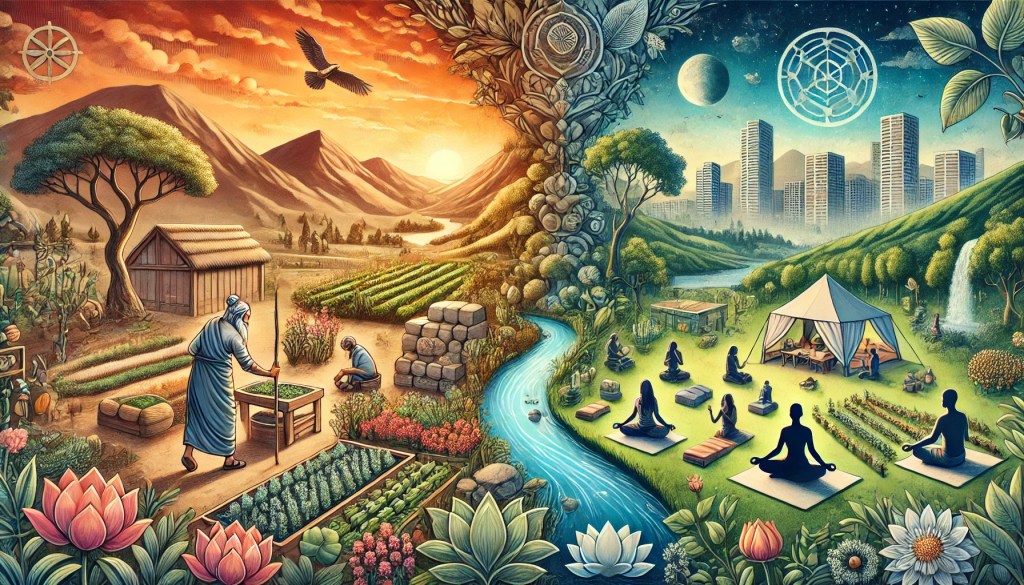
Introduction: Rediscovering Ancient Wisdom for Today’s World In our fast-paced, technology-driven world, ancient practices often get lost beneath modern solutions. However, these traditions offer time-tested insights that can improve our well-being, enhance productivity, and restore balance. From spiritual practices like meditation to sustainable agriculture and community living, this article explores how we can benefit from forgotten wisdom by applying ancient techniques in our daily lives.
1. The Value of Ancient Practices in a Modern Context
Ancient cultures relied on practices rooted in centuries of experience. Many of these practices are relevant today, offering solutions to health, sustainability, and mental well-being challenges. In this section, we discuss the growing interest in ancient traditions and the reasons behind their resurgence.
2. Traditional Medicine and Healing
Ancient medicinal practices like Ayurveda, Chinese Medicine, and herbal remedies are still relevant today. These methods emphasize prevention, balance, and natural healing, providing alternatives to modern pharmaceuticals.
3. Meditation, Mindfulness, and Inner Peace
Meditation and mindfulness practices date back thousands of years, originating from Buddhism, Hinduism, and Taoism. These techniques have proven benefits in managing stress, anxiety, and improving focus.
Practical applications:
Daily mindfulness exercises for mental clarity.
Breathwork techniques for relaxation and emotional regulation.
How ancient wisdom enhances mental health.
4. Agricultural Wisdom: Sustainable Farming and Permaculture
Modern farming practices have caused environmental degradation, but ancient agriculture emphasized sustainability. Indigenous farming methods, permaculture principles, crop rotation, and companion planting, offer valuable lessons for eco-friendly agriculture.
5. Communal Living and Tribal Wisdom
Ancient communities thrived on communal living, shared responsibilities, and strong social bonds. Today, intentional communities and co-housing movements reflect the importance of these traditions for building connected, supportive networks.
Insights from this section:
Lessons from tribal cultures in decision-making and governance.
Modern relevance of communal sharing and support.
Strengthening community bonds in urban areas.
6. Spiritual Rituals: Restoring Balance in Life
Many ancient rituals involved connecting with nature, honoring ancestors, and celebrating life’s cycles. These rituals fostered emotional resilience and a sense of purpose.
Examples to discuss:
The significance of solstice and equinox celebrations.
Practices like gratitude rituals and journaling.
Restoring emotional balance through spiritual connection.
7. The Power of Oral Tradition and Storytelling
Long before books, societies passed down wisdom through oral traditions and storytelling. Stories not only entertained but also conveyed values, history, and life lessons. In today’s fast-information culture, storytelling still holds a unique place.
Key elements to highlight:
Lessons from ancient fables and folklore.
How storytelling shapes culture and community.
Reviving oral traditions to foster connection and wisdom.
8. Physical Fitness: Ancient Practices for Strength and Longevity
Ancient cultures maintained physical health through yoga, martial arts, and endurance activities. Many of these practices still offer effective ways to stay healthy and improve longevity.
Fitness wisdom to explore:
Benefits of yoga for flexibility and mental peace.
Martial arts as a form of discipline and self-defense.
Ancient games and sports promoting physical fitness.
9. Applying Ancient Wisdom to Modern Challenges
The principles of ancient practices—like balance, mindfulness, sustainability, and community—are especially relevant in addressing modern challenges. This section covers how to integrate these practices into everyday life.
Suggestions for readers:
Incorporating mindfulness into your workday.
Using traditional herbal remedies alongside modern medicine.
Adopting sustainable living practices inspired by ancient farming.
10. Conclusion: Embracing the Past to Create a Better Future
Incorporating forgotten wisdom into our modern lives can offer profound benefits. Whether through mindfulness practices, sustainable agriculture, or storytelling, the lessons from the past provide a blueprint for a better future. By blending ancient and modern approaches, we can lead more meaningful, balanced, and sustainable lives.
Tips for Engaging with Ancient Wisdom Today
Start small: Introduce one practice at a time, like journaling or meditation.
Learn from experts: Explore books, workshops, or online courses about traditional practices.
Connect with communities: Engage with groups practicing sustainable farming, yoga, or storytelling.



 Janson's blog