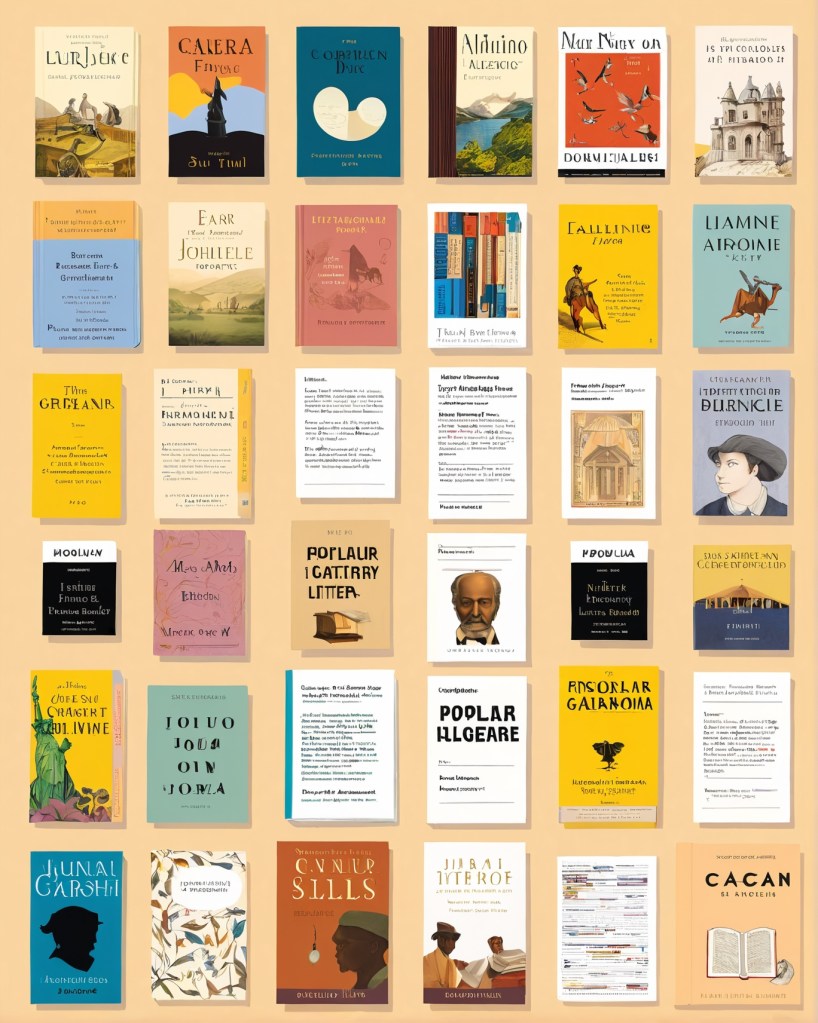
In 2024, various forms of literature continue to captivate readers, each with its unique appeal and popularity. Here’s a look at the most popular literary forms along with notable references for each:
1. Novel
Novels remain the most widely read form of literature. They encompass a variety of genres, including fiction, romance, and science fiction. In 2024, readers are particularly drawn to novels that explore contemporary themes and diverse narratives. Some of the most anticipated novels include titles like The Covenant of Water by Abraham Verghese and Fourth Wing by Rebecca Yarros, which have gained significant traction on platforms like Goodreads and Amazon.
2. Short Story
Short stories are increasingly popular for their brevity and ability to deliver impactful narratives in a compact format. In 2024, collections such as How Long ‘til Black Future Month? by N.K. Jemisin and When the Hibiscus Falls by M. Evelina Galang are among the top recommendations. These collections are celebrated for their engaging storytelling and accessibility, appealing to both casual and dedicated readers.
3. Poetry
Poetry continues to resonate with readers, offering emotional depth and artistic expression. Contemporary poets like Amanda Gorman and Ocean Vuong have garnered significant attention, with their works often featured in bestseller lists. In 2024, poetry collections that reflect social issues and personal experiences are particularly popular, making poetry a vibrant part of the literary landscape.
4. Drama
Drama, particularly in the form of plays and screenplays, remains a vital literary form. The resurgence of interest in theatrical performances and adaptations for streaming platforms has contributed to its popularity. Notable works in 2024 include plays that address contemporary social issues, drawing audiences both in theaters and through digital mediums.
5. Nonfiction
Nonfiction literature, encompassing memoirs, biographies, and essays, is increasingly popular among readers seeking real-life stories and insights. In 2024, works like Spare by Prince Harry and The Light We Carry by Michelle Obama have captured widespread attention, reflecting a growing interest in personal narratives that connect with broader societal themes. Nonfiction’s ability to inform and engage readers makes it a significant part of the current literary scene.These literary forms highlight the diverse interests of readers in 2024, showcasing a blend of traditional storytelling and modern themes that resonate across various demographics.
In the realm of Aethel, where emerald valleys cradled sapphire rivers and mountains kissed the clouds, reigned a king named Corvus. Not for the raven hair that cascaded down his back, but for the unyielding wisdom that perched in his obsidian eyes. His reign, etched in the annals of time, was a tapestry woven with threads of valor, wit, and an uncommon touch of magic.
Born under a blood-red comet, Corvus was no ordinary prince. He learned the language of birds, deciphered the whispers of the wind, and possessed a strength that belied his slender frame. Yet, ambition held no sway over him. He found joy in tending to his people, his laughter echoing through bustling markets and his counsel soothing weathered brows.
One fateful eve, a guttural roar shattered the kingdom’s serenity. From the obsidian maw of Mount Cinder spewed forth a horde of fire demons, their eyes burning with malevolent embers. Panic clawed at the hearts of men, as flames devoured homes and screams painted the night sky blood-red.
Corvus, though, stood resolute. He rallied his knights, their armor glinting like defiance in the firelight. But these were no mortal foes. Steel met searing claws, only to melt and twist. Arrows rained down, swallowed by the demons’ fiery aura. Despair threatened to consume hope.
Then, the impossible. Corvus, eyes blazing with the comet’s fiery spirit, raised his hands. The wind, heeding his unspoken command, whipped into a gale, fanning the demons’ flames even higher. But within the inferno, Corvus saw not destruction, but fuel. He wove the wind into a swirling vortex, drawing the flames inward, shaping them into a searing blade of pure heat.
With a thunderous cry, Corvus hurled the blade at the demon lord, its leader, a behemoth wreathed in molten rock. The blade struck true, cleaving the demon in two, its fiery essence scattered on the wind. The remaining demons, bereft of their leader, cowered before the king’s newfound power. With a final roar, they retreated back into the fiery mouth of Mount Cinder, the earth rumbling shut behind them. Aethel was saved, not by brute force, but by the king’s understanding of nature’s rhythm, his ability to turn its very breath into a weapon. The tale of Corvus, the Fire-Wielding King, echoed through generations, a testament to the power of wisdom, courage, and a touch of the extraordinary. His reign, forever etched in legend, served as a beacon, reminding all that even the most perilous darkness can be vanquished by the light of a truly exceptional soul.
After the resounding success of their duet, Anna and Lucas found themselves embarking on a new chapter of their dance journey. Madame Delacroix, recognizing their chemistry and talent, decided to enroll them in a prestigious ballroom dance competition.
The competition was to be held in a grand ballroom adorned with crystal chandeliers and mirrored walls that reflected the grace and elegance of the dancers. Anna and Lucas embraced this new challenge with open hearts, eager to explore the world of ballroom dance and the enchantment it held.
Under the guidance of renowned ballroom dance instructors, they delved into the intricate steps of the waltz, the passionate movements of the tango, and the lively rhythms of the cha-cha. Anna and Lucas became immersed in a whirlwind of dance, spending hours perfecting their technique and synchronizing their every motion.
As they practiced together, Anna and Lucas discovered a different kind of connection in ballroom dance. The closeness of their bodies, the trust required in each movement, and the unity of their steps fostered a profound sense of harmony. They learned to communicate not only through their eyes and gestures but also through the subtle shifts of weight and the embrace of their partner.
Beyond the technicalities, they discovered that ballroom dance was a celebration of life itself. Each step carried them into a world where elegance, passion, and grace intermingled, transcending the boundaries of the dance floor. It was a chance to embody characters and stories, to evoke emotions that would stir the hearts of those who watched.
As the day of the competition approached, nerves intertwined with excitement within Anna’s and Lucas’s hearts. They knew that this event would test their abilities, their resilience, and their connection as dance partners. But they also knew that they were ready to face the challenge head-on.
The ballroom was filled with anticipation as the couples gathered, donning their finest attire. Anna’s gown flowed around her like a cascade of moonlit silk, and Lucas stood by her side, exuding confidence in his tailored tuxedo. Together, they radiated a magnetic energy, drawing the eyes of all who beheld them.
The music began, and Anna and Lucas stepped onto the polished floor, gliding with the grace of swans. They twirled, spun, and embraced the rhythm that reverberated through their beings. Each movement was a testament to their countless hours of practice, their unwavering dedication, and the deep connection they had nurtured.
As they danced, time lost its meaning. The world around them faded into the background, and they became the embodiment of the music—poetry in motion. Their bodies spoke a language of unity and passion, leaving the audience captivated by their artistry.
When the final notes echoed through the ballroom, the applause erupted like thunder. Anna and Lucas stood in the center of the floor, their hearts pounding in unison, their eyes locked in an exchange of triumph and gratitude. They had poured their souls into their performance, and their efforts had been rewarded with the admiration and applause of the crowd.
As they basked in the glow of their achievement, Anna and Lucas realized that their dance partnership extended far beyond the competition. They had grown not only as individuals but also as collaborators, inspiring and supporting each other’s dreams. The enchanting ballroom nights had become a testament to their resilience, their growth, and the magic they created together.
As they left the ballroom hand in hand, Anna and Lucas carried with them a renewed sense of purpose. Their journey in dance was far from over, and they were eager to explore the next adventure that awaited them. With hearts intertwined and dreams reaching for the stars, they were ready to embrace the unknown, one step at a time.
Deep within the bustling city of Peshawar, Pakistan, lies a historical treasure that has captivated the hearts and minds of locals and visitors alike for centuries. Known as Qisa Khawani, which translates to “The Street of Storytellers,” this enchanting street holds a rich historical background, immense importance through history, and a unique charm that continues to resonate with storytellers and listeners to this day.
Historical Background:
Qisa Khawani, located in the heart of Peshawar, traces its roots back to the Mughal era in the 16th century. The street earned its name due to the tradition of storytellers who would gather there to entertain and educate the masses through their captivating tales. These skilled storytellers would weave together narratives from various genres, including folklore, mythology, history, and poetry, creating a vibrant cultural tapestry that captivated listeners from all walks of life.
Importance through History:
Over the centuries, Qisa Khawani has played a vital role in the cultural and intellectual development of the region. The street served as a meeting point for diverse communities, where people would come together to share stories, exchange ideas, and celebrate the rich tapestry of their collective heritage. This vibrant tradition of oral storytelling helped preserve the region’s history, customs, and moral values, passing them down from one generation to the next.
The Charms of Qisa Khawani:
Qisa Khawani is not merely a street; it is a living testament to the power of storytelling and human connection. As you wander through its narrow lanes, you can still feel the echoes of past narratives reverberating through the air. The vibrant atmosphere, adorned with traditional architecture and bustling markets, transports you to a bygone era.
The charm lies in the blend of history and culture that envelops the street. Visitors are greeted with a kaleidoscope of sights, sounds, and scents. The aroma of local delicacies wafts through the air, mingling with the bustling sounds of vendors, musicians, and the occasional poet reciting verses. The colorful shops and intricately carved wooden balconies provide a picturesque backdrop, evoking a sense of nostalgia for a time long gone.
Today, Qisa Khawani continues to be a hub of artistic expression, attracting tourists and locals alike. The ancient art of storytelling has evolved to include modern genres, attracting writers, poets, and performers who use various mediums to share their tales. The street serves as a platform for contemporary storytellers to captivate audiences with their narratives, fostering creativity and celebrating the enduring spirit of oral traditions.
The narrow lanes of Qisa Khawani Street have not only been a sanctuary for storytellers but have also witnessed the birth of legendary actors who have left an indelible mark on Indian cinema. Among the notable names hailing from this historic street are Raj Kapoor, Dilip Kumar, and Prithvi Raj Kapoor. These great actors, born and raised in the vibrant alleys of Qisa Khawani, went on to become icons of the silver screen, captivating audiences with their unparalleled talent, charisma, and versatility.
Raj Kapoor, the showman of Indian cinema, emerged from the very fabric of Qisa Khawani Street, carrying with him the tales and spirit of the storytellers who came before him. His contributions to the film industry as an actor, director, and producer are unparalleled, and his films continue to be celebrated as cinematic masterpieces even today.
Dilip Kumar, often referred to as the “Tragedy King,” was another luminary who was nurtured by the ethos of Qisa Khawani. His deep and nuanced performances brought forth a new era of realism in Indian cinema, earning him numerous accolades and a place in the hearts of millions of fans. Dilip Kumar’s portrayals of complex characters on the silver screen continue to be celebrated as a benchmark for acting excellence.
Prithvi Raj Kapoor, patriarch of the illustrious Kapoor family, hailed from Qisa Khawani Street, where he imbibed the essence of storytelling and artistry. He was an influential actor, director, and producer who played a significant role in shaping Indian theater and cinema. His legacy lives on through the Prithvi Theatre, a renowned cultural institution established by him and his wife, which has nurtured countless talents over the years.
Additionally, the talented actor Anil Kapoor’s parents, Surinder Kapoor and Nirmal Kapoor, resided in the very heart of Qisa Khawani Street. Anil Kapoor, a prominent figure in Indian cinema himself, inherited the passion for storytelling and performing arts from his family’s roots in this storied street. His contributions to the film industry have been remarkable, and he continues to inspire with his versatile performances and enduring charm.
The great actors who were born or lived in the narrow lanes of Qisa Khawani Street have not only made a significant impact on Indian cinema but have also become cultural icons whose influence transcends borders and generations. Their journey from the bustling streets of Peshawar to the glitz and glamour of Bollywood is a testament to the power of dreams, talent, and the rich cultural heritage that shaped them. Qisa Khawani Street stands proudly as the birthplace of these luminaries, forever etching its name in the annals of cinema history.


 Janson's blog