A Timeless Celebration: The Pastoral Festival on Keats’ Grecian Urn
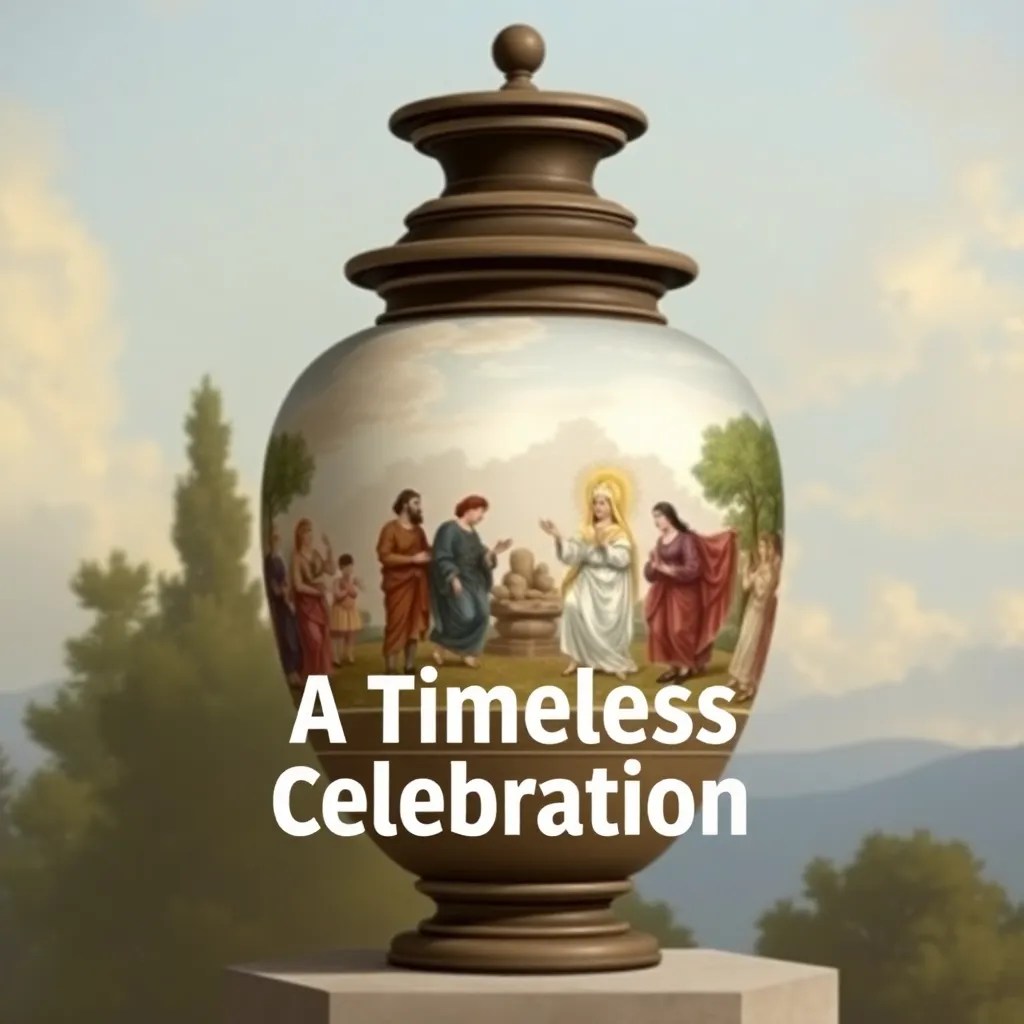
John Keats’ Ode on a Grecian Urn transports readers to an ancient world frozen in beauty and meaning. Among its enchanting depictions is a pastoral festival or religious celebration, an evocative tableau capturing a lively, communal event that will never fade or conclude. This scene, like others on the urn, is a rich canvas for exploring themes of permanence, vitality, and the human desire to preserve joy.
The Scene: A Bustling Festival Frozen in Time
Keats alludes to a festive gathering, possibly in a small town or pastoral setting, where the inhabitants are immersed in religious or communal celebration. We see images of young men and women adorned in ceremonial dress, trees in eternal bloom, and the distant altar awaiting its sacred role in the ritual. The streets are quiet, as all who dwell there are drawn to the collective moment of reverence.
This imagined depiction conveys movement and energy, yet it is forever paused on the urn. Keats’ vivid imagery allows readers to visualize an ancient culture full of life, faith, and artistry—locked in an endless moment of perfection.
Interpreting the Pastoral Scene
- The Joy of Rituals: The celebration on the urn reflects humanity’s universal inclination toward rituals that bring people together, whether for religious devotion, seasonal festivals, or communal milestones. By preserving such a scene in perpetuity, Keats highlights the beauty and significance of shared human experiences.
- Art’s Immortalizing Power: The festival participants will never grow tired, and the trees will never lose their blossoms. This permanence contrasts with the ephemeral nature of real-life celebrations, emphasizing art’s ability to eternalize fleeting moments of joy and meaning.
- The Paradox of Eternal Festivity: While the scene is vibrant and alive, its participants are trapped in their revelry. Keats prompts readers to question whether such permanence is a blessing or a curse. The festival is perfect, yet it can never evolve or lead to anything beyond itself. This duality reflects life’s tension between wanting to savor the moment and moving forward.
Keats’ Thoughts Behind the Ode
Keats was deeply attuned to the fleeting nature of human life, especially as he faced his own mortality. The Grecian urn, as an enduring artifact, became a symbol of what he could not achieve: permanence. The festival’s vibrant yet unchanging celebration represents his yearning for eternal beauty and his recognition of the limitations of life.
The urn’s portrayal is not merely a reflection of an ancient past but a timeless commentary on human desires, communal connections, and the role of art in preserving them.
Modern Relevance of the Festival Scene
In today’s world of digital experiences and fleeting trends, Keats’ depiction of the pastoral festival offers a profound reminder of the enduring value of shared moments. It speaks to our longing for connection, ritual, and a sense of belonging that transcends time.
For modern readers, this scene also highlights the importance of appreciating traditions and celebrating life’s transient joys while we have them. Keats’ message encourages us to cherish our present moments while understanding that, through art and memory, their beauty can last forever.
The pastoral festival on Keats’ Grecian urn isn’t just a frozen image; it’s an invitation to reflect on life, art, and the joy of celebration. How do you interpret the paradox of eternal festivity? Does the permanence of art inspire you to celebrate your fleeting moments?
Share your thoughts in the comments! If Keats’ vision resonates with you, like and reblog this article to keep the timeless beauty of his poetry alive. Let’s celebrate the enduring legacy of art together.
 Janson's blog