Warren Buffett: The Oracle of Omaha and His Impact on Global Investing
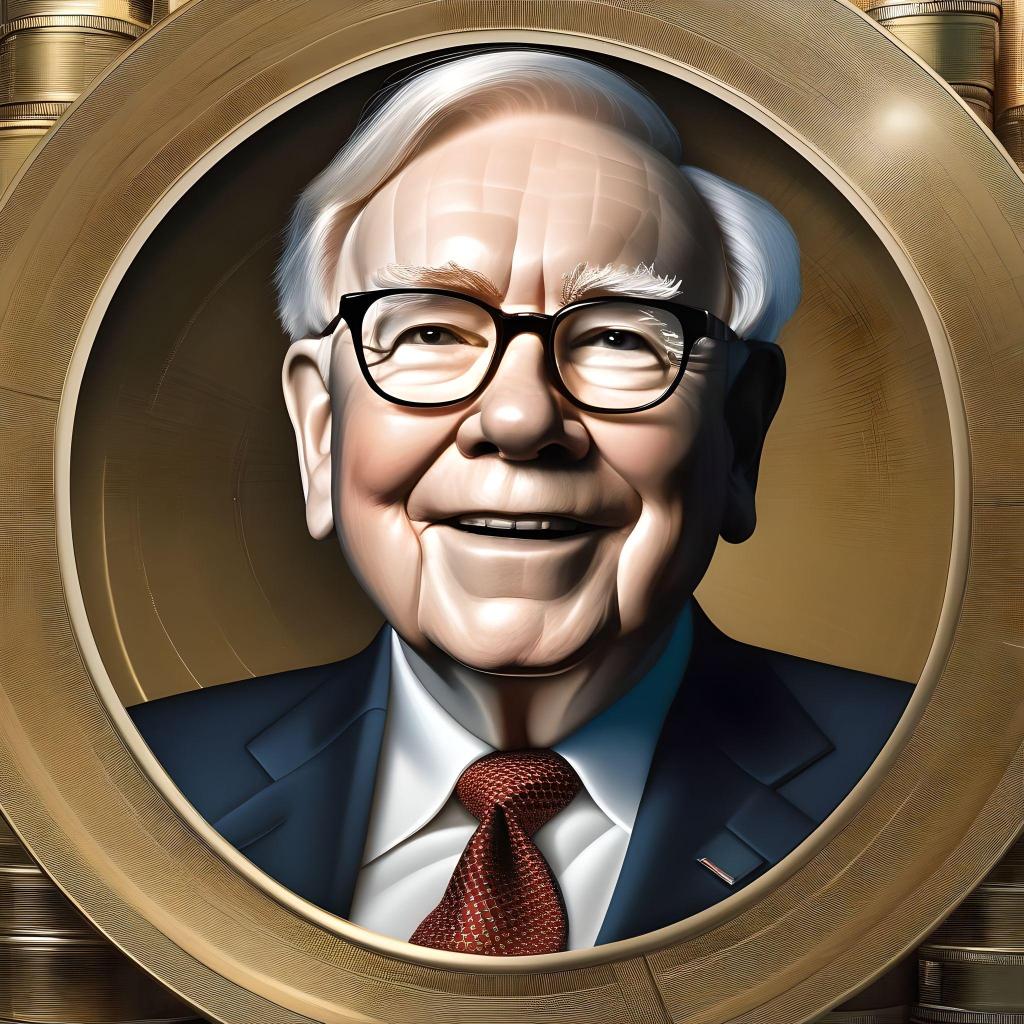
Warren Buffett, often referred to as the “Oracle of Omaha,” is one of the most renowned investors in history. His investment philosophy and strategies have not only made him one of the wealthiest individuals in the world but have also influenced countless investors and business leaders globally. This article explores Buffett’s historical significance, his remarkable achievements, and the principles that have guided his success.
Early Life and Education
Born on August 30, 1930, in Omaha, Nebraska, Warren Edward Buffett displayed an entrepreneurial spirit from a young age. By the time he was 11, he had already purchased his first stock, a share of Cities Service Preferred, which he later sold for a modest profit. Buffett’s early experiences in business, including selling chewing gum and Coca-Cola door-to-door, laid the foundation for his future in investing.After graduating from high school, Buffett attended the Wharton School of the University of Pennsylvania before transferring to the University of Nebraska, where he earned his bachelor’s degree in business administration. He later pursued a master’s degree in economics at Columbia University, studying under the legendary investor Benjamin Graham, whose value investing principles would greatly influence Buffett’s investment philosophy.
The Birth of Berkshire Hathaway
In 1965, Buffett took control of a struggling textile manufacturing company called Berkshire Hathaway. Under his leadership, he transformed the company into a diversified holding company. Buffett’s strategy involved acquiring undervalued companies with strong fundamentals and allowing them to operate independently while benefiting from Berkshire’s financial strength.Berkshire Hathaway’s portfolio grew to include a wide array of businesses, from insurance (GEICO) to consumer goods (Coca-Cola, Kraft Heinz) and energy (Berkshire Hathaway Energy). This diversification has helped the company weather economic downturns and emerge stronger.
Investment Philosophy and Strategies
Buffett’s investment philosophy is rooted in value investing, which emphasizes purchasing stocks that are undervalued relative to their intrinsic worth. He famously stated, “Price is what you pay. Value is what you get.” This principle underscores the importance of thorough research and analysis before making investment decisions.Key tenets of Buffett’s investment strategy include:
- Long-Term Focus: Buffett advocates for holding investments for the long term, stating, “If you aren’t willing to own a stock for ten years, don’t even think about owning it for ten minutes.” This approach allows investors to benefit from the compounding of returns over time.
- Understanding Businesses: Buffett only invests in companies he understands, often referred to as “circle of competence.” He emphasizes the importance of knowing the business model, competitive advantages, and potential risks.
- Durable Competitive Advantage: Buffett looks for companies with a “moat,” or a sustainable competitive advantage that protects them from competitors. This could be brand loyalty, proprietary technology, or regulatory barriers.
Philanthropy and Legacy
Beyond his success in investing, Buffett is also known for his philanthropic efforts. In 2006, he announced that he would gradually donate the majority of his wealth to the Bill & Melinda Gates Foundation and other charitable organizations. His commitment to philanthropy has inspired other billionaires to follow suit, leading to the creation of the Giving Pledge, which encourages wealthy individuals to give away at least half of their fortunes.Buffett’s legacy extends beyond his financial achievements. He is often celebrated for his down-to-earth personality, humility, and commitment to ethical business practices. His annual letters to Berkshire Hathaway shareholders are widely read and respected for their clarity and wisdom, offering insights into his investment philosophy and the state of the economy.
Conclusion
Warren Buffett’s impact on the world of investing and philanthropy is profound. Through his disciplined approach to investing and his commitment to giving back, he has set a standard for future generations of investors and business leaders. As the “Oracle of Omaha,” Buffett continues to inspire individuals to think critically about their investments and to prioritize long-term value over short-term gains. His legacy serves as a reminder that with patience, knowledge, and integrity, one can achieve remarkable success and make a lasting difference in the world.

 Janson's blog