Sukarno Square: A Symbol of Historical and Diplomatic Significance in Peshawar, Pakistan
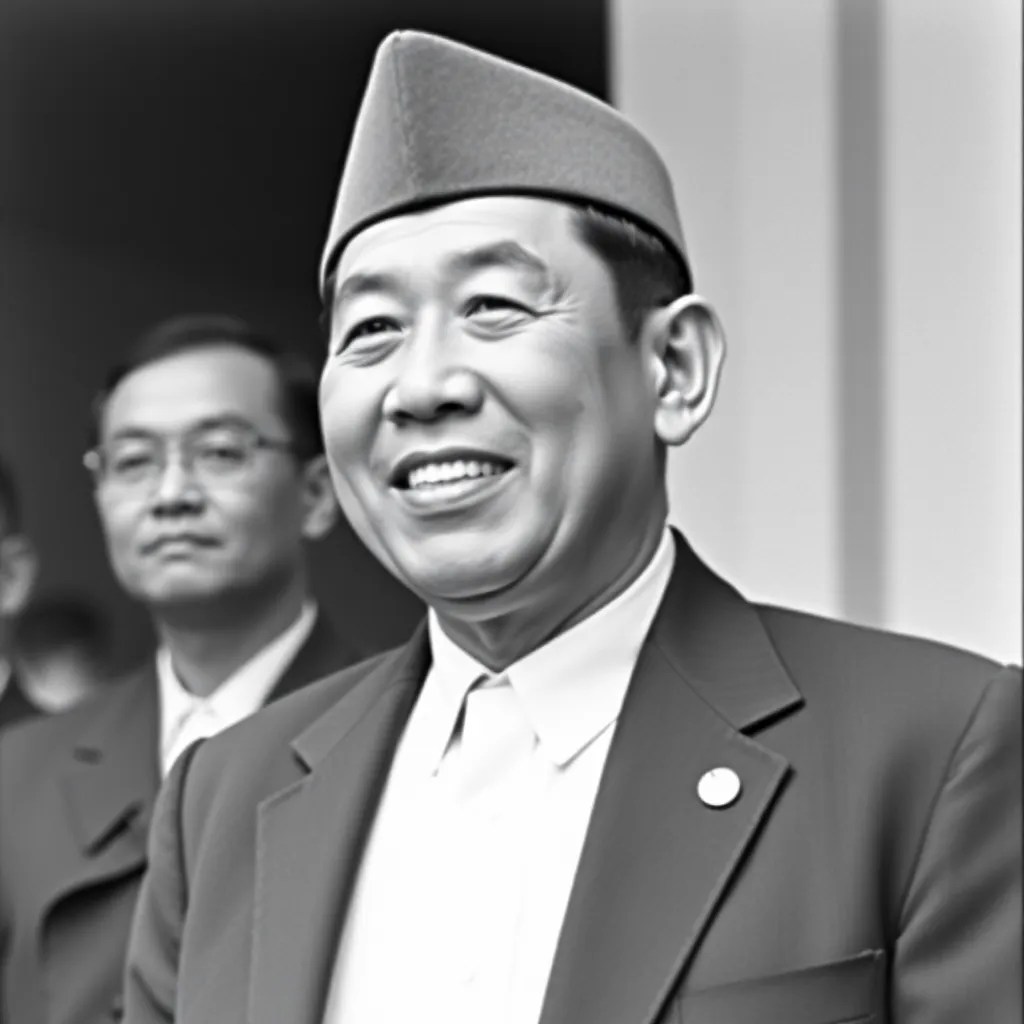
AI image credit: blackbox.ai
Nestled in the heart of Peshawar, Sukarno Square stands as a testament to the long-standing diplomatic ties between Pakistan and Indonesia. While Peshawar is celebrated for its rich history and cultural tapestry, this square adds a unique layer to its historical narrative, linking the city to a pivotal figure in Southeast Asia’s history—Indonesia’s founding father, Sukarno.
The Historical Context
Sukarno Square is named after Dr. Sukarno, the first President of Indonesia and a leading figure in the anti-colonial movement during the mid-20th century. The square commemorates his visit to Pakistan in 1963, a gesture that highlighted the camaraderie and mutual respect between the two nations. Sukarno’s leadership in fostering unity among newly independent nations resonated deeply with Pakistan, which shared similar struggles in its fight for independence.
Architectural Features
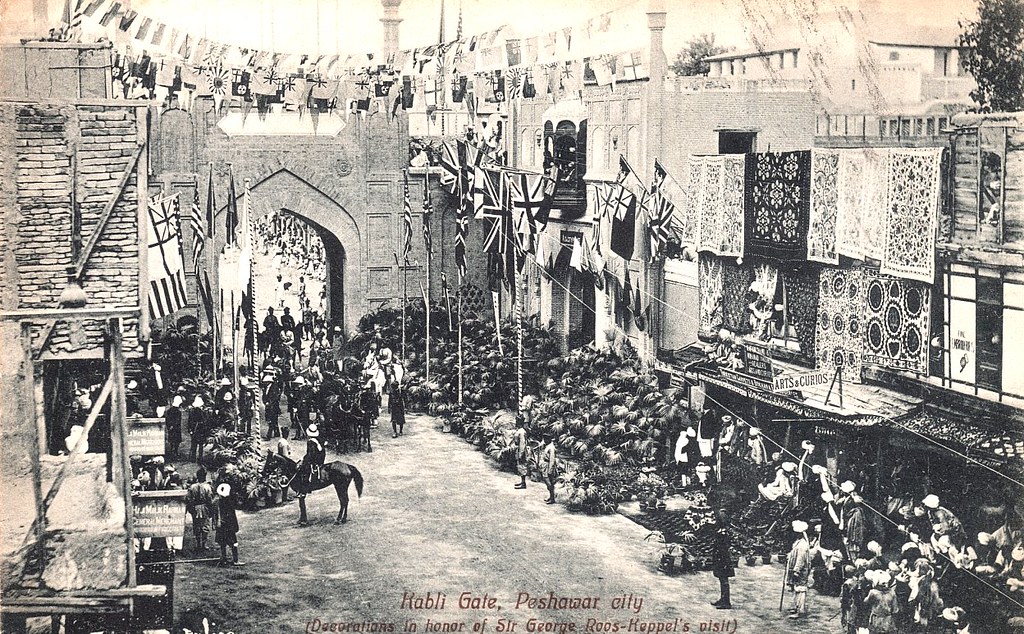
Sukarno Square is marked by a minimalist yet symbolic design. At the center lies a modest monument adorned with inscriptions that reflect the shared aspirations of Indonesia and Pakistan for peace and cooperation. Surrounding the square, the vibrant cityscape of Peshawar comes alive with bustling markets and colonial-era buildings, creating a juxtaposition of the old and the modern.
Cultural and Diplomatic Significance
The square symbolizes the bond between two Muslim-majority nations that played active roles in the Non-Aligned Movement during the Cold War. Sukarno and Pakistan’s leaders shared a vision for a world free from colonial dominance, emphasizing solidarity among developing nations. This historical connection remains a source of pride and is celebrated through cultural exchanges and events held in Peshawar and Jakarta.
Sukarno Square in Contemporary Times
Today, Sukarno Square is a vibrant public space where locals and tourists alike gather. It serves as a reminder of Peshawar’s openness to global influences and its role in fostering international relations. Its location in the heart of Peshawar also makes it a focal point for community activities and a marker for navigating the city’s lively streets.
Preserving a Legacy
Efforts have been made to preserve the historical and cultural significance of Sukarno Square. Urban planners and historians in Peshawar advocate for maintaining the square’s charm while incorporating modern amenities. This ensures that it remains a hub of activity and a source of inspiration for future generations.
Conclusion
Sukarno Square is more than just a public space; it is a historical landmark that connects Peshawar with the broader narrative of global diplomacy and anti-colonialism. For visitors exploring Peshawar, a visit to this square offers a chance to reflect on the enduring values of friendship, mutual respect, and shared history between Pakistan and Indonesia. In a city teeming with stories, Sukarno Square stands out as a chapter that bridges nations and cultures, reinforcing Peshawar’s status as a city of historical and cultural convergence.


 Janson's blog