The Heifer Led to Sacrifice: A Reflection on Keats’ Grecian Urn Scene
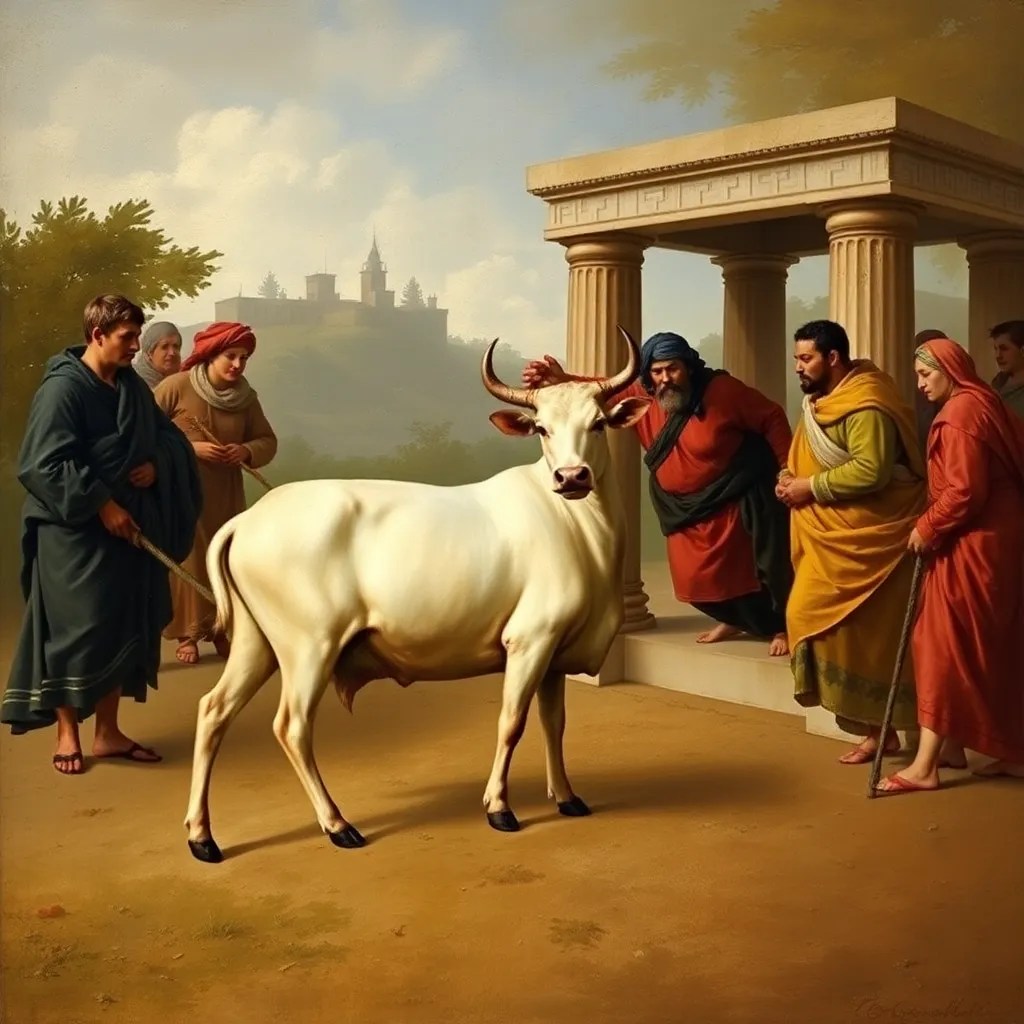
John Keats’ Ode on a Grecian Urn paints timeless scenes that explore the interplay between life, art, and eternity. Among these is a vivid depiction of a heifer being led to the altar for sacrifice. This scene, like the others on the urn, is frozen in time, offering a window into ancient rituals and a reflection on themes of permanence and mortality.

The Scene: A Silent Ritual

Keats describes a moment in which a heifer, adorned for sacrifice, is being forcibly led by its master to the altar. Surrounding the animal, we imagine a group of people dressed in ceremonial attire, their faces expressive yet motionless in the artwork. While the moment is steeped in solemnity, the urn’s silent portrayal captures only the act—not its culmination.

The Interpretation

This scene, though specific to the context of ancient rituals, resonates universally. The heifer’s sacrifice symbolizes themes of duty, loss, and reverence, and Keats uses this imagery to reflect on broader existential questions:

  1. Permanence of Art, Transience of Life: The heifer, forever on the way to the altar, is never sacrificed. Keats marvels at this eternal pause, highlighting how art immortalizes even the most transient acts. While the actual sacrifice would result in death and decay, the urn preserves the ritual in a state of unending reverence.
  2. Rituals and Meaning: The depiction evokes the cultural and religious significance of sacrifice, showcasing the human tendency to find meaning in acts of devotion. It also prompts readers to consider the ethical and emotional weight of such traditions.
  3. The Frozen Moment: Just as the lover eternally chases his beloved, the heifer is eternally led to its fate. This suspension in time adds a bittersweet beauty to the scene. Keats suggests that, while life moves forward relentlessly, art offers a reprieve—an opportunity to reflect on moments without the consequence of time.

Keats’ Thoughts While Writing

Keats, deeply aware of his own mortality, found solace in art’s ability to outlast life. The scene of the heifer led to sacrifice might reflect his feelings of inevitability and loss, as well as his admiration for art’s capacity to render such moments timeless and meaningful. Through this, he contemplates the interplay of permanence (in art) and ephemerality (in life).

For the Layman

Imagine a painting where a cow is being taken for a ritual. It might seem ordinary, but in Keats’ vision, this frozen scene becomes extraordinary. The cow will never reach the altar; it will always remain on its path, beautifully adorned and surrounded by solemn rituals. Keats uses this image to remind us that life is fleeting, but art captures moments forever, allowing us to reflect on their deeper meaning.

A Universal Reflection

The heifer’s scene speaks to humanity’s timeless struggle with sacrifice, purpose, and loss. By capturing this moment in perpetuity, Keats invites us to marvel at the beauty of life’s rituals, even as they remind us of our mortality. Like the urn itself, the heifer’s journey is a story of endurance, silently whispering to generations: “Beauty is truth, truth beauty.”
The Pursuit of Love on the Grecian Urn: A Window into Keats’ Thoughts

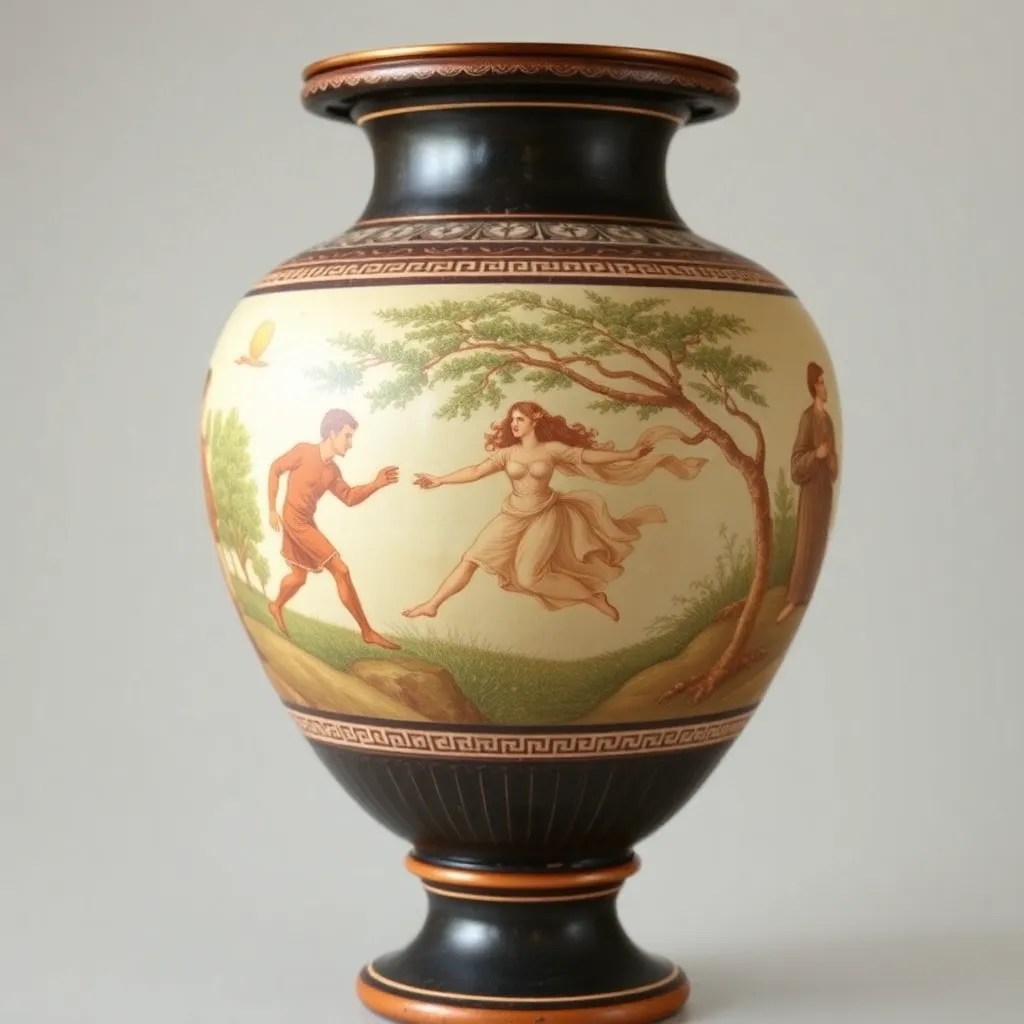
John Keats’ Ode on a Grecian Urn is one of the most celebrated poems in English literature, filled with timeless themes like beauty, permanence, and the nature of art. One of the vivid scenes depicted on the urn shows a lover chasing his beloved through an idyllic setting, yet never quite catching her. This captivating episode, rich in both visual and philosophical implications, reveals much about the poet’s contemplation of life and eternity.

The Scene: Eternal Chase

In the painting imagined by Keats, a youthful lover stretches out in pursuit of his beloved, her figure seemingly floating ahead, perpetually beyond his grasp. The scene is alive with motion, yet frozen in time, as it exists on the silent, unchanging urn. Keats describes the moment with admiration, calling attention to its beauty and vitality, though the figures themselves are locked in an eternal moment.

The Interpretation

This episode is not merely a depiction of romantic pursuit but serves as a metaphor for human desire, ambition, and the eternal yearning for fulfillment. Keats suggests that although the lover can never physically capture his beloved, there is profound beauty in the act of pursuit itself. Their love, untainted by time, remains forever new and unfulfilled, untouched by the fading effects of reality.

  1. The Immortal Beauty of Art: The urn preserves this moment forever. Unlike human life, where passions wane and beauty fades, the lovers on the urn are immortalized in their idealized state. Keats marvels at how art can transcend time, allowing beauty and emotion to remain perpetually fresh.
  2. The Paradox of Eternity: While the lovers’ moment is eternal, it is also incomplete. Keats highlights a paradox: what makes the scene beautiful is also what denies it fulfillment. The lover’s chase is endlessly hopeful but equally futile. This duality reflects the human condition—always striving, always yearning, never fully satisfied.
  3. Art vs. Reality: The static perfection of art contrasts with the dynamic imperfection of real life. In life, a lover might catch their beloved, but the passion could fade or become marred by imperfection. On the urn, however, the lover’s emotions remain forever vivid, untouched by disappointment.

Keats’ Thoughts While Writing

Keats wrote the ode during a time when he was grappling with personal struggles, including financial difficulties and declining health. His deep appreciation for beauty and art was perhaps a response to the transience of his own life. Through this ode, he explored the idea that while human experiences are fleeting, art offers a way to preserve beauty and emotion for eternity.

For the Layman

Keats uses the image of a lover chasing his beloved to talk about our own dreams and desires. While we may never achieve all that we hope for, the excitement of striving for those dreams is what makes life meaningful. The lover on the urn will never stop running, but he also will never grow tired or lose hope. For Keats, this eternal pursuit, captured in art, is both beautiful and bittersweet.

By exploring such universal themes, Keats transforms the scene from a mere painting on a vase into a profound meditation on human existence. The eternal chase, with its joy and sorrow, reflects the richness of life itself—an experience that, though fleeting, is beautiful in its imperfection.

The Pearl by John Steinbeck: A Tale of Greed, Class, and Morality

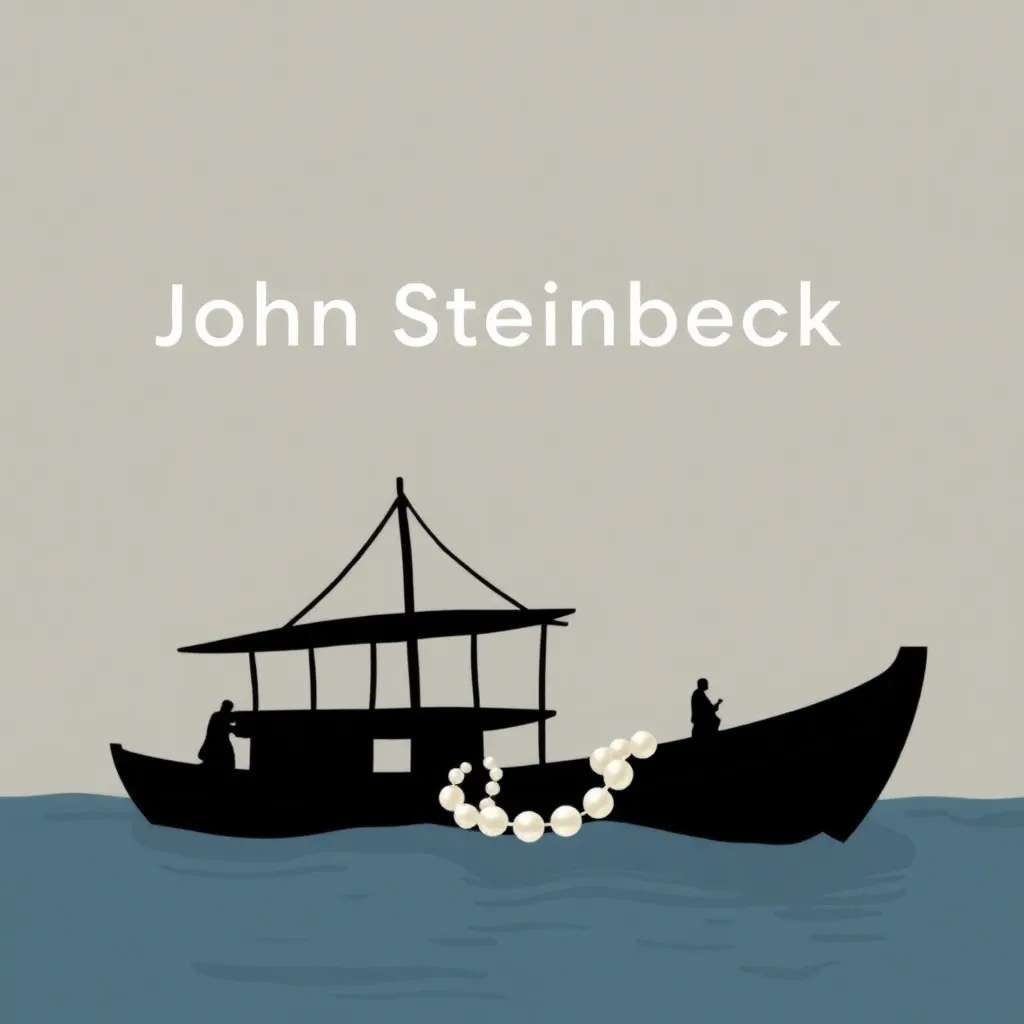
John Steinbeck’s The Pearl is a novella that masterfully explores themes of greed, class division, human nature, and the consequences of ambition. Set in a small coastal town in Baja California, Mexico, the story follows Kino, a poor pearl diver, and his family as they encounter both hope and tragedy when Kino discovers a magnificent pearl, the “Pearl of the World.” The novella’s brevity and symbolism make it a powerful work that resonates with readers on multiple levels. In this article, we will delve into one special element of The Pearl—the transformative and corrupting influence of the pearl itself—and examine how it becomes a central symbol of the story.

The Discovery of the Pearl

The plot of The Pearl revolves around Kino’s discovery of an unusually large, lustrous pearl while diving for oysters. Kino, a poor but contented man, dreams of a better life for his family. The pearl promises to be the means to achieve those dreams. It is seen as a symbol of hope and possibility—a means to pay for his son Coyotito’s education, marry his wife Juana in a church, and improve their living conditions. Kino is consumed by the prospect of a brighter future, and initially, the pearl seems to represent a new beginning.

However, it soon becomes evident that the pearl’s influence is more insidious than Kino could have imagined. While it initially appears to be a symbol of hope and opportunity, it quickly becomes a source of conflict and destruction, both within Kino’s family and in the wider community.

The Corruption of Kino

One of the most striking elements of The Pearl is the way in which Kino’s character is gradually transformed by the pearl. Kino begins as a simple, hardworking man, motivated by the desire to provide for his family. Yet, as the story progresses, the pearl changes him. His desire for wealth grows more intense, and his actions become increasingly irrational. He becomes paranoid, distrustful, and violent.

Kino’s transformation is reflected in his behavior towards his wife, Juana. At the beginning of the novella, Kino and Juana have a loving and supportive relationship. They are partners in their struggles, sharing a sense of unity and purpose. However, as Kino becomes consumed by the pearl, he begins to ignore Juana’s warnings and suggestions. Juana, who initially sees the pearl as a blessing, soon recognizes its dangerous influence and urges Kino to throw it away. She sees that the pearl is no longer a symbol of hope, but a symbol of evil. Kino, blinded by his greed, refuses to listen to her. He is determined to keep the pearl, no matter the cost.

Kino’s descent into violence is marked by his willingness to harm others to protect the pearl. He attacks those who would take it from him, even resorting to killing in the process. This transformation from a humble, hard-working man to a violent and obsessed figure illustrates the corrupting influence of wealth and the dangers of allowing material possessions to define one’s identity and priorities.

The Pearl as a Symbol

The pearl itself is the central symbol in the novella, representing not just wealth, but the destructive power of greed. Steinbeck uses the pearl to highlight how the pursuit of material gain can corrupt individuals, families, and entire communities. Kino’s obsession with the pearl reflects a universal human tendency to become consumed by desires and ambitions, often at the expense of one’s integrity and relationships.

At first, the pearl represents the promise of a better life. However, as Kino’s desire for the pearl grows, it comes to symbolize the darker aspects of human nature—greed, envy, and pride. Kino’s initial dream of improving his family’s life is overtaken by his obsession with acquiring more and more wealth, and the happiness he hopes to find turns into sorrow and tragedy. The pearl, once a symbol of hope, becomes a curse, and its true value is revealed to be much less than its cost.

The local townspeople, who initially celebrate Kino’s discovery, also fall prey to the pearl’s corrupting influence. They all become obsessed with the potential fortune Kino can acquire and view him through the lens of their own desires. The doctor, who refuses to treat Kino’s son Coyotito’s scorpion sting until he learns of the pearl’s existence, becomes a symbol of how greed can distort human compassion. The priest, the dealers, and the trackers who pursue Kino are all driven by the pearl’s promise of wealth, reflecting the widespread impact of materialism.

The Tragic Conclusion

The tragic end of The Pearl underscores the novella’s powerful moral lesson. After Kino’s violence and the death of his son, Coyotito, Kino comes to realize that the pearl has brought nothing but pain and destruction to his life. In the final act of the novella, Kino and Juana, now devastated by the loss of their son, make the decision to throw the pearl back into the sea. This act of abandoning the pearl signifies Kino’s recognition that his greed has cost him everything. It is a moment of profound insight, but it comes too late to reverse the damage that has been done.

The conclusion of the novella reveals that true wealth lies not in material possessions but in the things that cannot be bought—love, family, and peace of mind. Kino’s ultimate rejection of the pearl serves as a poignant reminder of the dangers of materialism and the importance of retaining one’s humanity in the face of temptation.

Conclusion

In The Pearl, John Steinbeck presents a timeless tale about the corrosive effects of greed and the moral lessons that can be learned from the pursuit of wealth. The pearl itself is a powerful symbol of both hope and destruction, and its role in the story highlights the dangers of letting material desires overshadow the values that truly matter in life. Through Kino’s journey, Steinbeck asks us to reflect on our own values and the costs of our ambitions. In the end, The Pearl is a cautionary tale that reminds readers of the fragile nature of happiness and the destructive potential of unchecked greed.

The Dichotomy of Good and Evil: Exploring the Role of Angels in Marlowe’s Doctor Faustus

Introduction:

In Christopher Marlowe’s timeless tragedy “Doctor Faustus,” the presence of good and bad angels serves as a symbolic representation of the eternal struggle between virtue and vice, morality and temptation. These ethereal beings play a pivotal role in the protagonist’s spiritual journey, reflecting the inner conflict inherent in human nature. Through their interactions with Faustus, Marlowe explores themes of ambition, redemption, and the consequences of succumbing to temptation.

The Good Angel:

The Good Angel in “Doctor Faustus” embodies the voice of conscience and righteousness. It serves as Faustus’s moral compass, urging him to repent and seek redemption for his sinful desires. The Good Angel represents the idealized version of Faustus’s aspirations, guiding him towards the path of virtue and salvation. Its presence highlights the eternal struggle between the forces of good and evil within the human soul.

Symbolism:

In literary terms, the Good Angel can be interpreted as a manifestation of the superego, according to Freudian psychology. It represents the internalized moral standards and values that strive to restrain Faustus’s reckless pursuit of power. The angel’s ethereal nature symbolizes purity and divine intervention, contrasting sharply with the dark forces that seek to ensnare Faustus’s soul.

Importance:

The Good Angel serves as a constant reminder of Faustus’s capacity for redemption. Despite his transgressions and pact with the devil, the angel offers hope for salvation through repentance. Its presence underscores the underlying theme of divine mercy and forgiveness, suggesting that even the most sinful souls can find redemption if they sincerely repent.

Dialogue:

The interactions between Faustus and the Good Angel are characterized by inner turmoil and conflict. The angel’s admonitions and warnings evoke feelings of guilt and remorse within Faustus, highlighting the internal struggle between his worldly ambitions and moral conscience. Their dialogue serves as a dramatic device, intensifying the psychological tension and suspense as Faustus grapples with his inner demons.

The Bad Angel:

Contrasting with the Good Angel, the Bad Angel embodies temptation, corruption, and the allure of worldly power. It serves as Faustus’s inner tempter, enticing him with promises of wealth, knowledge, and earthly pleasures in exchange for his soul. The Bad Angel symbolizes the darker impulses within Faustus’s psyche, urging him to embrace his desires without regard for the consequences.

Symbolism:

In symbolic terms, the Bad Angel can be interpreted as a representation of the id, according to Freudian theory. It embodies Faustus’s primal instincts and desires, driving him towards self-gratification and hedonism. The angel’s demonic appearance and persuasive rhetoric symbolize the seductive nature of evil, enticing Faustus to forsake his moral principles in pursuit of power and glory.

Importance:

The Bad Angel plays a crucial role in Faustus’s downfall, serving as the catalyst for his descent into damnation. Its relentless temptations and manipulations gradually erode Faustus’s moral resolve, leading him further astray from the path of righteousness. The angel’s presence highlights the destructive consequences of unchecked ambition and the tragic consequences of succumbing to temptation.

Dialogue:

The exchanges between Faustus and the Bad Angel are characterized by deception and manipulation. The angel’s cunning rhetoric and false promises exploit Faustus’s vulnerabilities, fueling his desires and leading him towards his eventual doom. Their dialogue serves as a dramatic device, illustrating the internal conflict and moral ambiguity that defines Faustus’s character.

Conclusion:

In “Doctor Faustus,” the good and bad angels represent the eternal struggle between virtue and vice, morality and temptation. Through their interactions with Faustus, Marlowe explores the complexities of human nature and the consequences of moral compromise. The angels serve as symbolic embodiments of the protagonist’s inner conflict, highlighting the universal themes of ambition, redemption, and the eternal battle between good and evil.

The Noble Paragon: Unveiling Chivalry in Chaucer’s Knight

Geoffrey Chaucer’s portrayal of the Knight in “The Canterbury Tales” reflects the quintessential chivalric ideal of the medieval era. Clad in a tunic stained from his armor, the Knight embodies nobility, valor, and a deep sense of honor. His visage resonates with a wisdom earned on the battlefields, a testament to his extensive experience in wars and crusades. Chaucer employs literary devices such as imagery and symbolism to illuminate the Knight’s unwavering dedication to truth and justice.

The Knight’s genteel manners and genuine humility stand out amidst the diverse assembly of pilgrims, offering a stark contrast to the prevalent social stratification. Chaucer utilizes the Knight as a foil to critique the societal norms of the time, subtly challenging the ostentatious displays of wealth and status by other characters. The Knight’s tale, recounting a classic romance of love and honor, further underscores Chaucer’s thematic exploration of the human condition and the juxtaposition of ideals against the backdrop of medieval society.