Spider-Man’s Heroic Stand Against Knull: Exploring His Role in Marvel’s King in Black Event
Overview of the King in Black
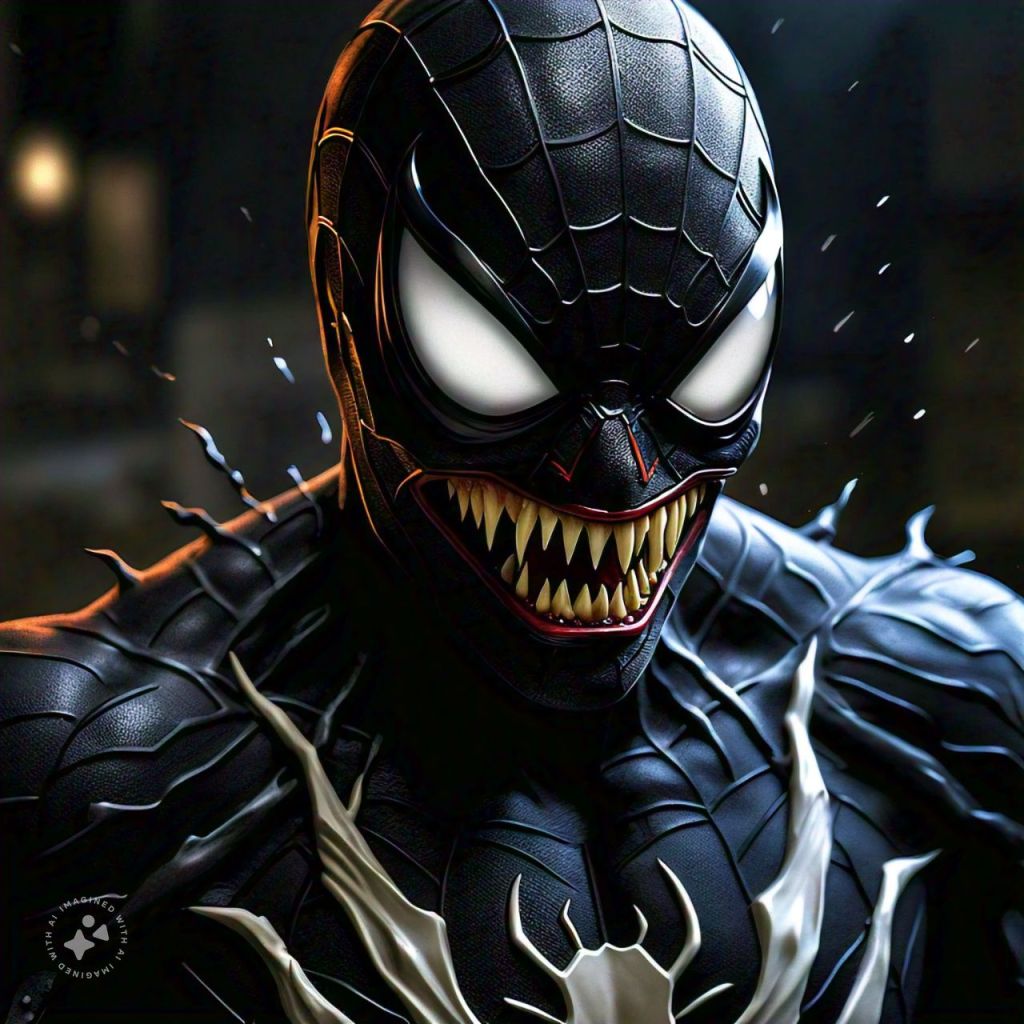
The King in Black storyline centers on Knull, the malevolent god of darkness and creator of all symbiotes, including Venom. Knull’s goal is simple yet terrifying: he seeks to plunge the universe into eternal darkness and enslave all life. After years of preparation, Knull descends upon Earth with a massive army of symbiote dragons, casting an ominous shadow over the planet. His power is so overwhelming that even Earth’s mightiest heroes—Avengers, X-Men, and the Fantastic Four—are left scrambling.
Spider-Man’s Role in the King in Black
Spider-Man, also known as Peter Parker, is deeply tied to the symbiote storyline through his past relationship with Venom. He once wore the symbiote suit, which ultimately bonded with Eddie Brock to become Venom. Given this history, Spider-Man is drawn into the fight with personal stakes, as he knows firsthand the dangers and horrors that Knull represents. However, Peter’s role in King in Black is more complex than just a typical hero-villain confrontation. He becomes a symbol of resilience and compassion, even as the world around him is overrun by darkness.
1. Spider-Man’s Strength and Humanity
One of the biggest challenges Spider-Man faces during King in Black is the overwhelming power of Knull and his forces. As New York City is covered in symbiote darkness, Spider-Man has to contend with an almost unmanageable number of symbiote-controlled entities, all while protecting innocent civilians. The scale of destruction threatens to crush Peter both physically and emotionally. Despite this, he remains resolute, showcasing his trademark resilience and bravery.
Unlike heroes who wield god-like powers, Spider-Man is known for his humanity and empathy. Throughout the event, he risks his life to protect ordinary citizens, reminding readers why he is a beloved character. Even when hope seems lost, Peter does not give up, which inspires both his fellow heroes and the people he protects.
2. Aiding Eddie Brock and Dylan
One of Spider-Man’s central roles in the storyline is his relationship with Eddie Brock and Eddie’s son, Dylan. Eddie, as Venom, becomes one of Knull’s primary targets, and he suffers greatly at Knull’s hands. When Eddie is critically injured, Peter steps in to protect Dylan, recognizing the boy’s importance as someone who has the power to resist Knull. Spider-Man’s protective instincts kick in as he shields Dylan, acting as a surrogate guardian.
This subplot deepens the storyline as Peter becomes a mentor figure for Dylan. He offers guidance and support, knowing that Dylan’s bond with the symbiotes could be the key to defeating Knull. Spider-Man’s interactions with Dylan add an emotional layer to the story, highlighting Peter’s compassion and fatherly instincts, which resonate especially because of the sacrifices he has made in his own life.
3. Fighting Against Overwhelming Odds
As the battle against Knull escalates, Spider-Man faces the harsh reality of fighting a near-invincible foe. Despite not possessing the cosmic powers of heroes like Thor or Silver Surfer, he continues to confront Knull’s forces with his agility, intelligence, and indomitable spirit. Peter joins forces with other heroes to protect key locations and civilians from being overtaken by Knull’s darkness.
Throughout King in Black, Peter exemplifies a heroic figure who, despite his limitations, refuses to back down. His struggle against overwhelming odds embodies the classic Spider-Man theme of responsibility and perseverance. Spider-Man’s resistance becomes a beacon of hope, demonstrating that even in the face of darkness, the spirit of heroism can’t be extinguished.
4. The Symbiote Connection
Spider-Man’s past with the Venom symbiote grants him a unique understanding of the symbiotes and Knull’s influence over them. This history allows him to communicate with Venom and other symbiote allies on a more personal level. His bond with Eddie Brock plays a significant role, as Peter understands the risks and responsibilities that come with wielding symbiote powers.
Peter’s experience with the symbiote brings added insight into the way Knull manipulates and controls the symbiotes. He is aware of how Knull’s darkness affects those connected to the symbiotes, which helps him advise other heroes on how to combat Knull’s army. This connection makes Spider-Man an essential asset in the fight, as he understands the intricacies of Knull’s powers in a way few others do.
5. Facing Personal Demons
Spider-Man’s role in King in Black isn’t just a battle against an external enemy; it’s also a personal test of character. The looming darkness forces Peter to confront his own doubts and fears, especially as he witnesses friends and allies succumbing to Knull’s influence. He grapples with the guilt of potentially failing those he cares about, but he ultimately overcomes these fears by focusing on his core belief: with great power comes great responsibility.
In many ways, King in Black serves as a reminder of Spider-Man’s unyielding sense of duty. Even in a world consumed by fear and despair, Peter stays true to his calling as a protector, embodying the resilience that defines him.
The Impact of King in Black on Spider-Man’s Future
The King in Black event leaves a lasting impact on Spider-Man. He emerges from the battle with a renewed sense of purpose and a deeper bond with his allies, especially Venom and Dylan. Through his experiences, Peter gains a greater understanding of the cosmic scale of threats that can endanger Earth, as well as the importance of unity among heroes when facing such enemies.
Spider-Man’s journey in King in Black is a testament to his enduring legacy as a hero who stands for hope, courage, and resilience. Despite being a “street-level” hero, Peter Parker proves that he can make a difference even in cosmic battles. The story enriches his character, showing that true heroism isn’t defined by power alone but by heart and determination.
Conclusion
King in Black is a monumental storyline for Spider-Man, pushing him to his limits and underscoring his essential qualities as a hero. His role in the battle against Knull highlights the strength, sacrifice, and compassion that make him a beloved figure in the Marvel Universe. As Peter Parker faces darkness and despair, he shines as a beacon of hope, demonstrating that even the most powerful forces can’t dim the light of true heroism. For Spider-Man fans, King in Black is a thrilling and inspiring addition to his story, capturing the essence of what makes Spider-Man a hero we can all admire.
 Janson's blog