The Heifer Led to Sacrifice: A Reflection on Keats’ Grecian Urn Scene
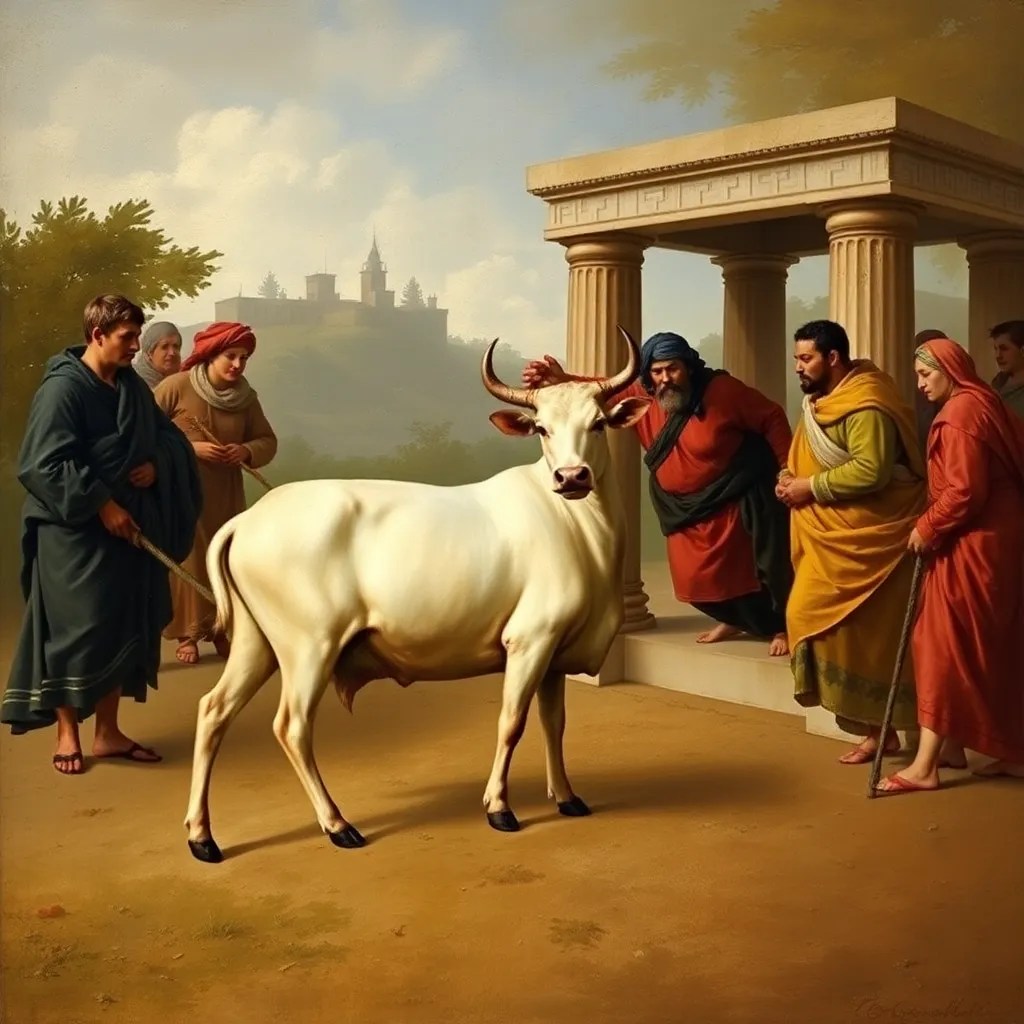
John Keats’ Ode on a Grecian Urn paints timeless scenes that explore the interplay between life, art, and eternity. Among these is a vivid depiction of a heifer being led to the altar for sacrifice. This scene, like the others on the urn, is frozen in time, offering a window into ancient rituals and a reflection on themes of permanence and mortality.

The Scene: A Silent Ritual

Keats describes a moment in which a heifer, adorned for sacrifice, is being forcibly led by its master to the altar. Surrounding the animal, we imagine a group of people dressed in ceremonial attire, their faces expressive yet motionless in the artwork. While the moment is steeped in solemnity, the urn’s silent portrayal captures only the act—not its culmination.

The Interpretation

This scene, though specific to the context of ancient rituals, resonates universally. The heifer’s sacrifice symbolizes themes of duty, loss, and reverence, and Keats uses this imagery to reflect on broader existential questions:

  1. Permanence of Art, Transience of Life: The heifer, forever on the way to the altar, is never sacrificed. Keats marvels at this eternal pause, highlighting how art immortalizes even the most transient acts. While the actual sacrifice would result in death and decay, the urn preserves the ritual in a state of unending reverence.
  2. Rituals and Meaning: The depiction evokes the cultural and religious significance of sacrifice, showcasing the human tendency to find meaning in acts of devotion. It also prompts readers to consider the ethical and emotional weight of such traditions.
  3. The Frozen Moment: Just as the lover eternally chases his beloved, the heifer is eternally led to its fate. This suspension in time adds a bittersweet beauty to the scene. Keats suggests that, while life moves forward relentlessly, art offers a reprieve—an opportunity to reflect on moments without the consequence of time.

Keats’ Thoughts While Writing

Keats, deeply aware of his own mortality, found solace in art’s ability to outlast life. The scene of the heifer led to sacrifice might reflect his feelings of inevitability and loss, as well as his admiration for art’s capacity to render such moments timeless and meaningful. Through this, he contemplates the interplay of permanence (in art) and ephemerality (in life).

For the Layman

Imagine a painting where a cow is being taken for a ritual. It might seem ordinary, but in Keats’ vision, this frozen scene becomes extraordinary. The cow will never reach the altar; it will always remain on its path, beautifully adorned and surrounded by solemn rituals. Keats uses this image to remind us that life is fleeting, but art captures moments forever, allowing us to reflect on their deeper meaning.

A Universal Reflection

The heifer’s scene speaks to humanity’s timeless struggle with sacrifice, purpose, and loss. By capturing this moment in perpetuity, Keats invites us to marvel at the beauty of life’s rituals, even as they remind us of our mortality. Like the urn itself, the heifer’s journey is a story of endurance, silently whispering to generations: “Beauty is truth, truth beauty.”
The Pursuit of Love on the Grecian Urn: A Window into Keats’ Thoughts

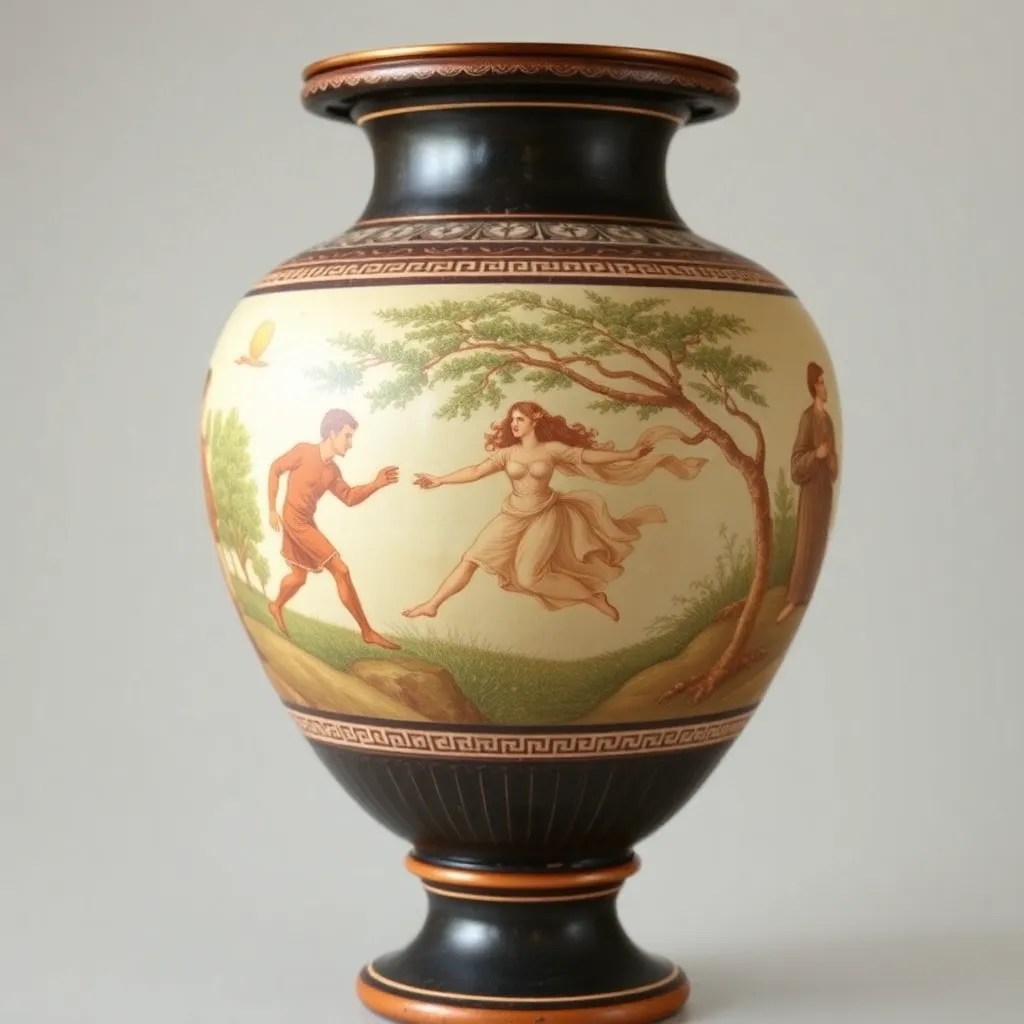
John Keats’ Ode on a Grecian Urn is one of the most celebrated poems in English literature, filled with timeless themes like beauty, permanence, and the nature of art. One of the vivid scenes depicted on the urn shows a lover chasing his beloved through an idyllic setting, yet never quite catching her. This captivating episode, rich in both visual and philosophical implications, reveals much about the poet’s contemplation of life and eternity.

The Scene: Eternal Chase

In the painting imagined by Keats, a youthful lover stretches out in pursuit of his beloved, her figure seemingly floating ahead, perpetually beyond his grasp. The scene is alive with motion, yet frozen in time, as it exists on the silent, unchanging urn. Keats describes the moment with admiration, calling attention to its beauty and vitality, though the figures themselves are locked in an eternal moment.

The Interpretation

This episode is not merely a depiction of romantic pursuit but serves as a metaphor for human desire, ambition, and the eternal yearning for fulfillment. Keats suggests that although the lover can never physically capture his beloved, there is profound beauty in the act of pursuit itself. Their love, untainted by time, remains forever new and unfulfilled, untouched by the fading effects of reality.

  1. The Immortal Beauty of Art: The urn preserves this moment forever. Unlike human life, where passions wane and beauty fades, the lovers on the urn are immortalized in their idealized state. Keats marvels at how art can transcend time, allowing beauty and emotion to remain perpetually fresh.
  2. The Paradox of Eternity: While the lovers’ moment is eternal, it is also incomplete. Keats highlights a paradox: what makes the scene beautiful is also what denies it fulfillment. The lover’s chase is endlessly hopeful but equally futile. This duality reflects the human condition—always striving, always yearning, never fully satisfied.
  3. Art vs. Reality: The static perfection of art contrasts with the dynamic imperfection of real life. In life, a lover might catch their beloved, but the passion could fade or become marred by imperfection. On the urn, however, the lover’s emotions remain forever vivid, untouched by disappointment.

Keats’ Thoughts While Writing

Keats wrote the ode during a time when he was grappling with personal struggles, including financial difficulties and declining health. His deep appreciation for beauty and art was perhaps a response to the transience of his own life. Through this ode, he explored the idea that while human experiences are fleeting, art offers a way to preserve beauty and emotion for eternity.

For the Layman

Keats uses the image of a lover chasing his beloved to talk about our own dreams and desires. While we may never achieve all that we hope for, the excitement of striving for those dreams is what makes life meaningful. The lover on the urn will never stop running, but he also will never grow tired or lose hope. For Keats, this eternal pursuit, captured in art, is both beautiful and bittersweet.

By exploring such universal themes, Keats transforms the scene from a mere painting on a vase into a profound meditation on human existence. The eternal chase, with its joy and sorrow, reflects the richness of life itself—an experience that, though fleeting, is beautiful in its imperfection.