The Silent Symphony: Musicians Under the Trees in Keats’ Grecian Urn
The Silent Symphony: Musicians Under the Trees in Keats’ Grecian Urn
John Keats, the Romantic poet who celebrated beauty and eternity, invites us to explore the quiet yet profound world of art in Ode on a Grecian Urn. Among the vivid images painted in words is a timeless scene of musicians playing under trees, frozen forever in their act. This portrayal isn’t just a snapshot of an ancient pastoral life; it’s a gateway to understanding the power of art to transcend time and evoke emotions.
The Scene: Music Frozen in Time
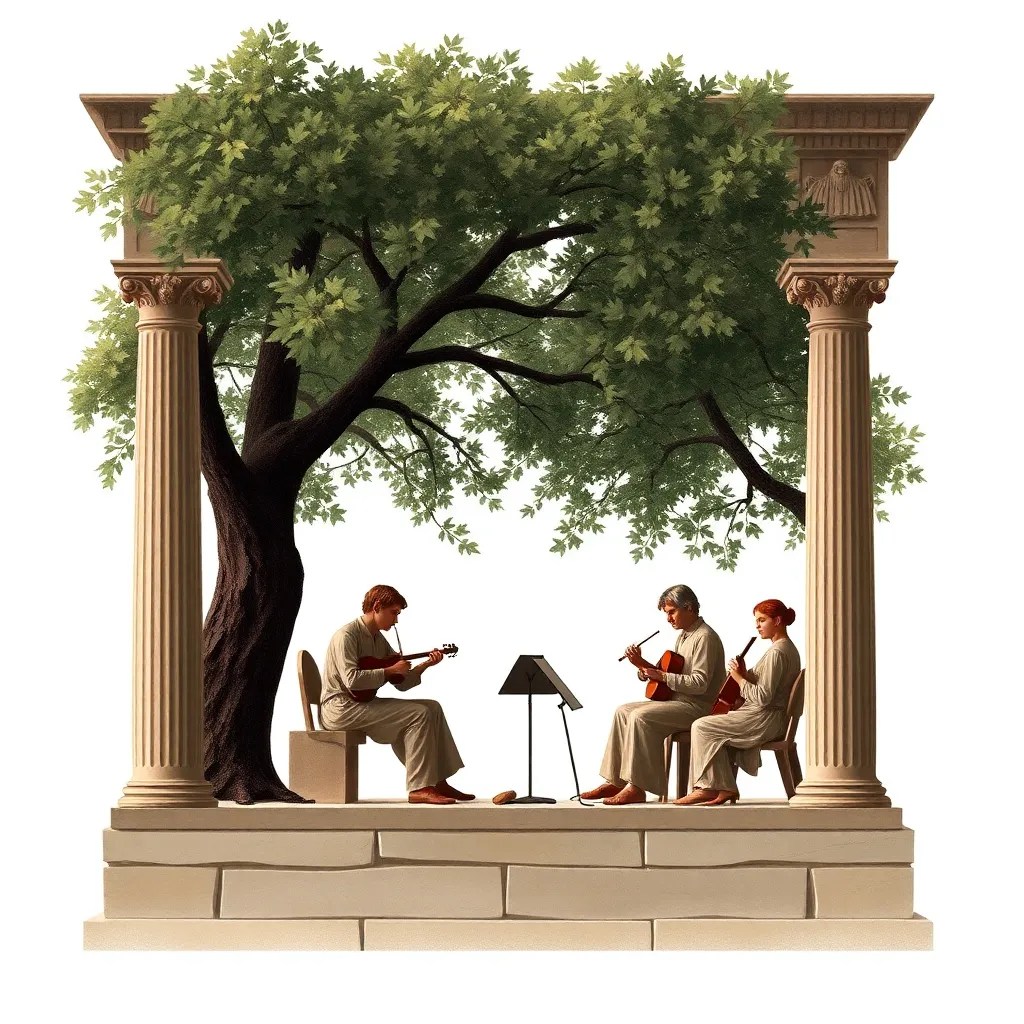
Keats describes a group of musicians under shady boughs, forever mid-performance. Their instruments are poised, their tunes unheard yet eternal, and their joy everlasting. The leaves of the trees never fall, and the melodies never fade. This portrayal captures a moment of perfect harmony between man and nature, untainted by the passage of time.
This scene is not just about music but a metaphor for the timelessness of art. The urn preserves a moment of creativity, vitality, and celebration, offering it to every viewer and reader who contemplates its silent symphony.
The Power of Silent Music
Keats’ depiction of the musicians emphasizes a paradox: though we cannot hear their tunes, the silence enhances their beauty. For Keats, imagined music surpasses real sound, as it lives in the realm of perfection, unbound by flaws or fading.
He writes:
“Heard melodies are sweet, but those unheard
Are sweeter.”
This line underscores the idea that the imagination can create its own idealized experience, transcending the limitations of physical reality. In this way, the urn becomes a muse, inspiring endless interpretations and inviting modern readers to use their imagination to complete the scene.
Why It Resonates with Modern Readers
- Eternal Creativity:
In an age of fleeting digital content, Keats’ silent musicians remind us of the enduring power of art to inspire across generations. Their music may not play in real time, but its essence is alive, just as a work of literature, film, or painting continues to impact audiences long after its creation. - Connection to Nature:
The tranquil image of musicians beneath leafy trees resonates with contemporary readers longing for simplicity and connection in an era dominated by urbanization and technological overload. - Celebration of Imagination:
Keats’ belief in the power of the imagination aligns with modern creative pursuits, where interpretation and individual experience are as important as the art itself.
A Reflection on Keats’ Genius
By embedding eternal music within a silent medium, Keats challenges us to think about art’s purpose. Art, he suggests, does not need to speak aloud to touch the soul. In fact, its stillness allows it to transcend time, offering something fresh to every viewer.
This timeless quality is what makes Keats’ work not just a relic of Romanticism but a relevant and vital piece of literature today. His scene of the musicians under the trees invites modern readers to pause and appreciate the beauty of silence, the permanence of art, and the boundless nature of human imagination.
Call to Action for Readers
Keats’ Ode on a Grecian Urn teaches us that beauty and art live forever. Take a moment to ponder his words and envision the silent symphony under the shade of timeless trees. Let it inspire you to find beauty in your surroundings and create something lasting in your life.
Share this article to honor Keats’ vision. What are your thoughts on the silent music of art? Like, comment, and reblog to join the conversation and keep the timeless symphony alive!
 Janson's blog