Skylanders: A Legendary Gaming Franchise That Revolutionized Toys-2-Life
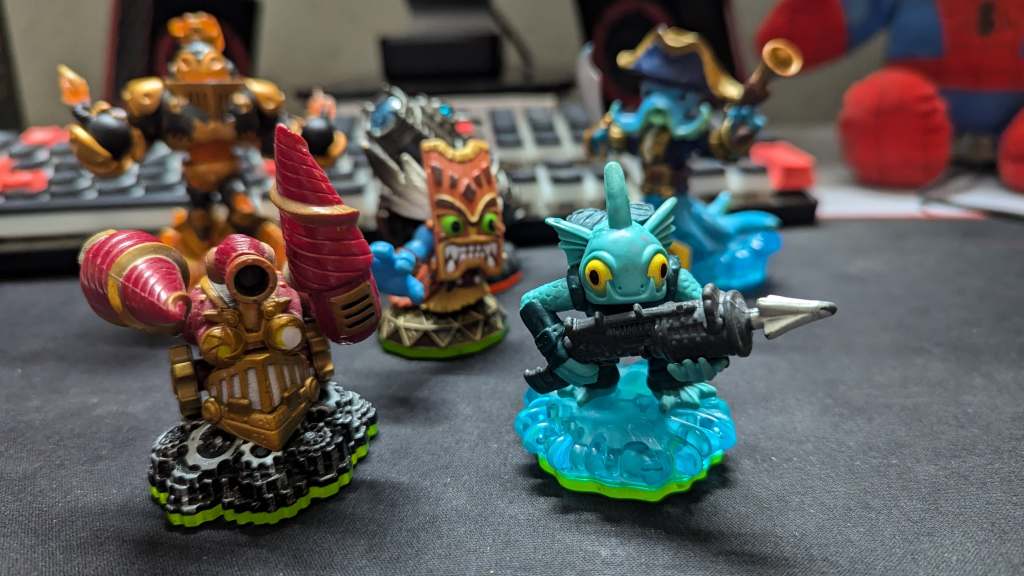
Introduction

For game lovers, Skylanders is more than just a video game series—it’s an experience that blends physical toys with digital gameplay. Developed by Toys for Bob and published by Activision, Skylanders brought the innovative toys-to-life concept to the mainstream, setting the stage for an era of interactive gaming. But what led to its meteoric rise, and where does the franchise stand today? Let’s dive deep into the background, history, popularity, nomenclature, validity, expiry, and the lasting impact of Skylanders.

Background and History

The Skylanders series began in 2011 with Skylanders: Spyro’s Adventure. Initially conceived as a reboot of the Spyro the Dragon franchise, it quickly evolved into a groundbreaking concept that combined collectible figurines with NFC (near-field communication) technology. Players could place their figurines on a special Portal of Power, which would bring the characters to life in the game. This innovation captured the imagination of players worldwide, leading to several sequels:

  1. Skylanders: Spyro’s Adventure (2011)
  2. Skylanders: Giants (2012)
  3. Skylanders: Swap Force (2013)
  4. Skylanders: Trap Team (2014)
  5. Skylanders: SuperChargers (2015)
  6. Skylanders: Imaginators (2016)

Each new installment introduced fresh mechanics, such as swappable parts, larger-than-life figures, traps, vehicles, and character customization.

Popularity and Impact

The Skylanders franchise was an instant success, generating billions in revenue and inspiring competitors like Disney Infinity and LEGO Dimensions. The appeal of collecting and playing with real-world toys, combined with a compelling in-game storyline, made Skylanders a household name. The game’s mechanics appealed to both casual and hardcore gamers, and its unique blend of action, puzzles, and exploration kept players engaged.

However, by 2017, the franchise saw a decline in sales, largely due to market saturation and the eventual downfall of the toys-to-life genre. Despite this, Skylanders left an indelible mark on gaming, influencing later games that integrate physical-digital interaction.

Nomenclature and Naming Conventions

The name Skylanders suggests a group of heroes who protect the floating islands of Skylands. Each character in the series belongs to different elements, including Fire, Water, Earth, Air, Tech, Magic, Undead, and Life. Names of the characters often reflect their abilities, personalities, and elemental alignments. For instance:

  • Spyro – A fiery dragon and the franchise’s original mascot.
  • Trigger Happy – A Tech-element gunslinger known for his chaotic nature.
  • Stealth Elf – A stealthy ninja from the Life element.

The creativity in naming characters contributes to their charm and marketability, making them memorable for players of all ages.

Validity and Expiry: Are Skylanders Still Playable?

A common concern for collectors and new players is whether Skylanders games and figures are still valid or usable. The good news is that despite Activision discontinuing new entries, previous Skylanders games are still playable on older consoles, such as PlayStation, Xbox, and Nintendo platforms. Many fans continue to enjoy the series, and second-hand Skylanders figurines are still available online.

However, with the rise of digital gaming and the lack of backward compatibility on newer consoles, the franchise’s accessibility is becoming increasingly limited. Without official server support, online multiplayer modes have become obsolete, but single-player campaigns remain intact for those with the necessary hardware.

The Future of Skylanders

Although there hasn’t been a new Skylanders game since Imaginators (2016), the franchise’s legacy endures through mobile spin-offs, animated series (Skylanders Academy on Netflix), and fan communities. Rumors occasionally surface about a potential revival, but Activision has not confirmed any future plans.

Call to Action

If you’re a longtime Skylanders fan or someone looking to experience the magic for the first time, now is the perfect time to revisit the series! Hunt down some classic Skylanders figures, set up your Portal of Power, and relive the adventure that changed gaming forever. Share your favorite Skylanders memories in the comments, and let’s keep the spirit of Skylands alive!
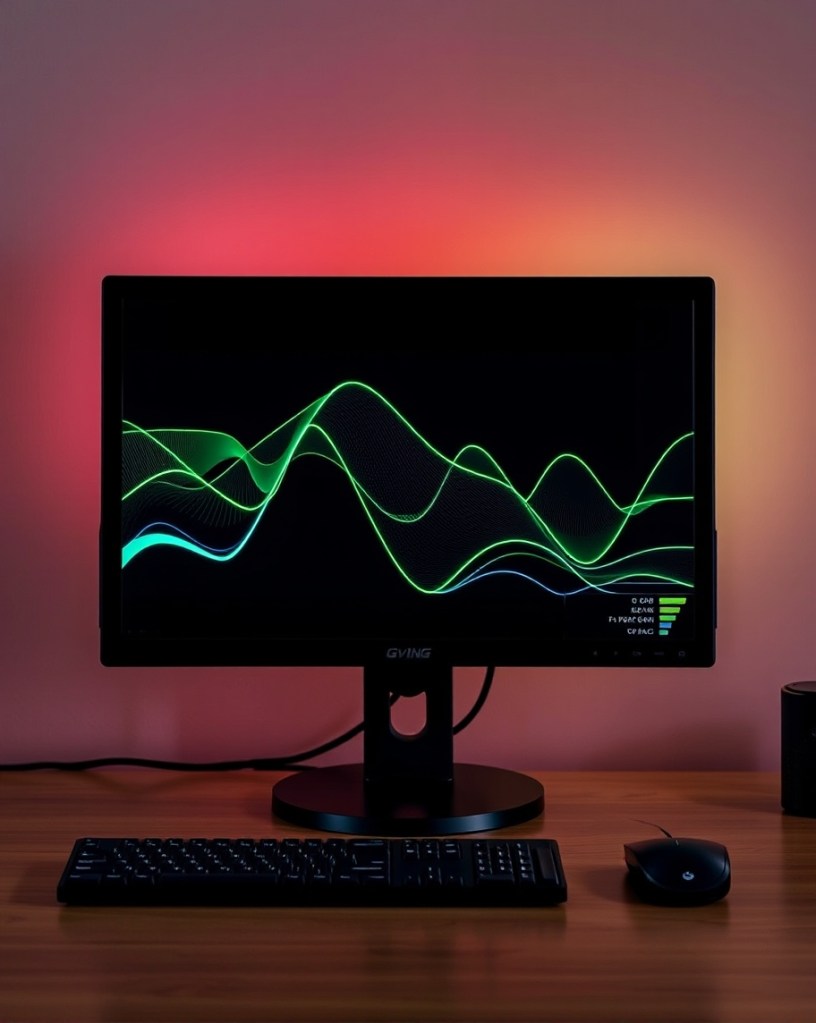
Understanding Latency Between CPU/GPU and the Monitor in Gaming

When you’re playing a game, you expect smooth, responsive interactions. However, the delay between an action and its appearance on the screen can affect your experience. This delay is known as latency, and it refers to the time it takes for information to travel from your computer’s hardware—like the CPU (Central Processing Unit) and GPU (Graphics Processing Unit)—to the display on your monitor.

Let’s break down the key components and facts about this process to help clarify how latency works.

1. What is Latency?

Latency, in the context of gaming, is the time taken for an input (like pressing a button or moving your mouse) to appear on your screen. Latency affects the responsiveness of your game, with lower latency providing a more immediate response and higher latency leading to noticeable delays. This delay can be caused by a variety of factors, including hardware limitations, software settings, or network conditions in online games.

2. CPU and GPU: Their Roles

  • CPU (Central Processing Unit): The CPU is responsible for executing the game’s logic, processing inputs, managing physics, and handling AI. It processes the instructions that tell the game what needs to happen, such as character movements, actions, or environmental changes.
  • GPU (Graphics Processing Unit): The GPU handles rendering—the process of creating the visuals on your screen. It takes the data from the CPU, such as the position of objects, and generates the images or frames. The more powerful your GPU, the faster it can render complex scenes, resulting in better performance.

3. The Journey from Input to Display

Here’s a simplified flow of how data moves through your system during gameplay:

  • Input: You press a button on your controller or keyboard.
  • CPU Processing: The CPU processes that input and determines what happens next in the game (for example, your character moves or jumps).
  • GPU Rendering: The CPU sends this information to the GPU, which calculates the lighting, textures, and effects needed for the next frame.
  • Frame Sent to Monitor: Once the frame is ready, it’s sent to the monitor, which then displays the image for you to see.

Each step in this chain adds a small amount of time, or latency.

4. Types of Latency

  • Input Lag: This refers to the time between when you press a button and when that action happens in the game. Input lag is mainly affected by the speed of the CPU in processing commands and the efficiency of communication between devices (e.g., keyboard, mouse, controller, etc.).
  • Rendering Lag: This occurs when the GPU takes too long to render a frame, often due to high graphical settings or limitations in hardware. It can also occur if the game is running at a low frame rate (FPS), as the GPU might be struggling to keep up with the workload.
  • Display Lag: This is the delay between when the GPU sends a frame and when the monitor displays it. It can vary depending on your monitor’s refresh rate and response time. High-end gaming monitors are designed to minimize display lag.

5. Factors That Influence Latency

  • Frame Rate (FPS): A higher frame rate means the GPU is rendering frames faster, reducing rendering lag. However, if the CPU or GPU can’t keep up with high settings, the FPS may drop, increasing latency.
  • Monitor Refresh Rate: A monitor with a higher refresh rate (measured in Hz) can display frames more frequently, reducing display lag. For instance, a 144Hz monitor can refresh the screen 144 times per second, compared to 60Hz, which only refreshes 60 times per second.
  • V-Sync and G-Sync: Technologies like V-Sync (Vertical Sync) and G-Sync (by NVIDIA) or FreeSync (by AMD) are designed to synchronize the frame rate of the GPU with the refresh rate of the monitor to prevent screen tearing. However, enabling V-Sync can introduce additional latency, as the GPU may wait to complete a frame until the monitor is ready to display it.

6. Measuring and Reducing Latency

Gamers often measure latency to ensure smooth, responsive gameplay, especially in competitive environments. Tools like NVIDIA’s Reflex and AMD’s Radeon Anti-Lag can help reduce latency by optimizing the timing between the CPU and GPU.

Here are a few steps to reduce latency:

  • Optimize Your Graphics Settings: Lowering certain graphics settings, like shadows or texture quality, can reduce the workload on the GPU and allow it to render frames faster.
  • Upgrade Your Hardware: Using a faster CPU, GPU, or higher refresh rate monitor can dramatically reduce latency. Gaming monitors with low response times and high refresh rates are essential for competitive gamers.
  • Disable V-Sync: Disabling V-Sync in certain situations can reduce latency, though you may experience screen tearing. G-Sync and FreeSync provide better alternatives that reduce screen tearing without adding as much latency.

7. Network Latency in Online Games

When playing online, you also have to factor in network latency, often called ping. This measures the time it takes for your computer to communicate with the game server. Even if your CPU/GPU and monitor have low latency, a high ping can still cause noticeable delays in online games.

Conclusion

Latency in gaming is a crucial aspect of the overall experience. It involves multiple components working together—CPU, GPU, monitor, and input devices—to create the smoothest possible experience. By understanding the factors that contribute to latency and how to manage them, gamers can enjoy a more responsive and immersive experience.

If you’re looking to reduce latency, consider upgrading your hardware, adjusting your game’s settings, or using technologies like NVIDIA Reflex or G-Sync to fine-tune the balance between visual quality and performance.

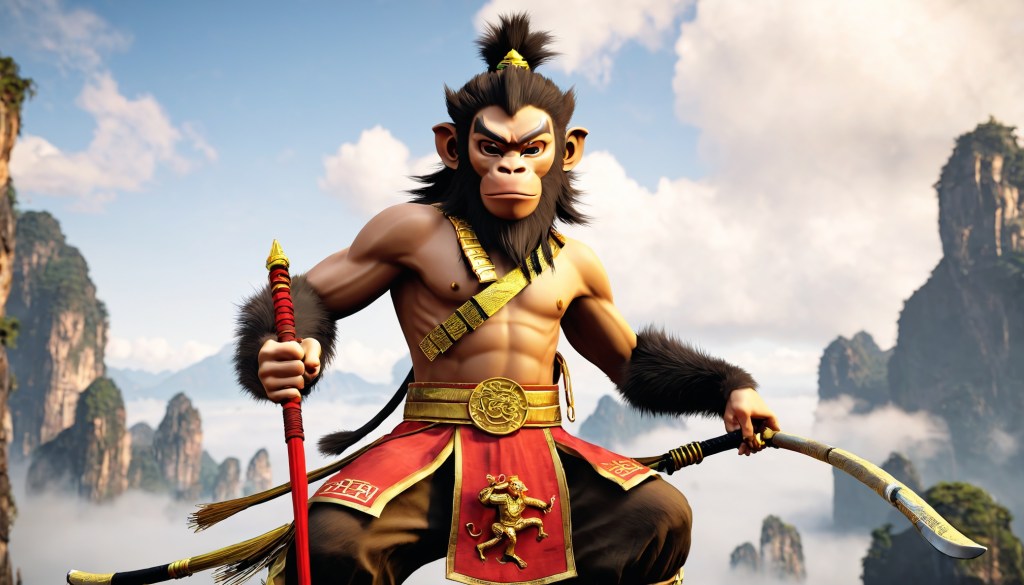
“Wu Kong: The Monkey King Reimagined for a New Generation of Gamers”

Wu Kong, also known as the Monkey King, is a character deeply rooted in Chinese mythology and literature, particularly in the classic novel “Journey to the West.” This legendary figure has recently gained traction in gaming, becoming a trending topic among game lovers. In this blog post, we will explore Wu Kong’s background, the development of games featuring him, the challenges faced in bringing his character to life, and the expectations surrounding these games.

Read More

Exploring the Mythical World of Vyvern Riders

In the realm of fantasy literature and lore, certain creatures capture the imagination like none other. Among these, the majestic Vyverns stand out as both awe-inspiring and mysterious. Often depicted as powerful, intelligent beings capable of flight and bonded with skilled riders, Vyverns have become iconic figures in fantastical tales across various cultures.

Read more: Exploring the Mythical World of Vyvern Riders

What are Vyverns?

Vyverns, also spelled as Wyverns in some traditions, are legendary dragon-like creatures characterized by their two legs and wings. They are typically smaller than dragons and lack front limbs, relying solely on their hind legs and wings for movement and flight. In many myths, Vyverns are portrayed as cunning and proud, with a keen intellect that rivals humans.

The Bond Between Vyverns and Riders

One of the most captivating aspects of Vyverns is their bond with riders. Unlike traditional dragons, which are often depicted as solitary or fiercely independent creatures, Vyverns are known to form deep, almost telepathic connections with their chosen riders. This bond transcends mere companionship; it is a symbiotic relationship where both parties rely on each other’s strengths and instincts.

Characteristics of Vyvern Riders

Vyvern riders are typically courageous individuals who possess exceptional skills in aerial combat and navigation. They undergo rigorous training to earn the trust of their Vyverns and to hone their abilities in flight and combat. Riders often come from diverse backgrounds, ranging from noble knights to daring adventurers seeking the thrill of mastering the skies.

Training and Skills

Becoming a Vyvern rider is no easy feat. Training begins from a young age, where prospective riders learn the intricacies of Vyvern behavior, flight dynamics, and combat tactics. They must demonstrate not only physical prowess but also a deep understanding of their partner’s instincts and non-verbal communication. Mutual trust and respect are key pillars of this training, as riders and Vyverns learn to anticipate each other’s moves in the heat of battle.

Cultural Significance

Throughout history, Vyverns have held significant cultural and symbolic meanings. In some cultures, they are revered as guardians of ancient knowledge or protectors of sacred lands. Stories of heroic Vyvern riders have been passed down through generations, inspiring countless tales of bravery and resilience.

Famous Vyvern Riders in Literature and Media

From literature to movies and video games, Vyvern riders have left an indelible mark on popular culture. Characters like Eragon and his dragon Saphira from Christopher Paolini’s “Inheritance Cycle” and the dragonriders of Pern from Anne McCaffrey’s series have enthralled audiences with their daring adventures and deep emotional bonds with their Vyverns.

Conclusion

The world of Vyvern riders is a rich tapestry of adventure, bravery, and camaraderie between humans and mythical beasts. As we delve into their stories, we uncover timeless lessons about courage, loyalty, and the power of mutual understanding. Whether soaring through the clouds or battling fearsome foes, Vyvern riders embody the spirit of adventure and the enduring bond between rider and steed.

In the realms of fantasy and beyond, Vyverns and their riders continue to captivate our imaginations and remind us of the endless possibilities that await those willing to explore the skies and forge bonds that transcend the ordinary.