The Agonizing Tragedy of Sohrab and Rustum: A Heartbreaking Tale of Fate and Folly
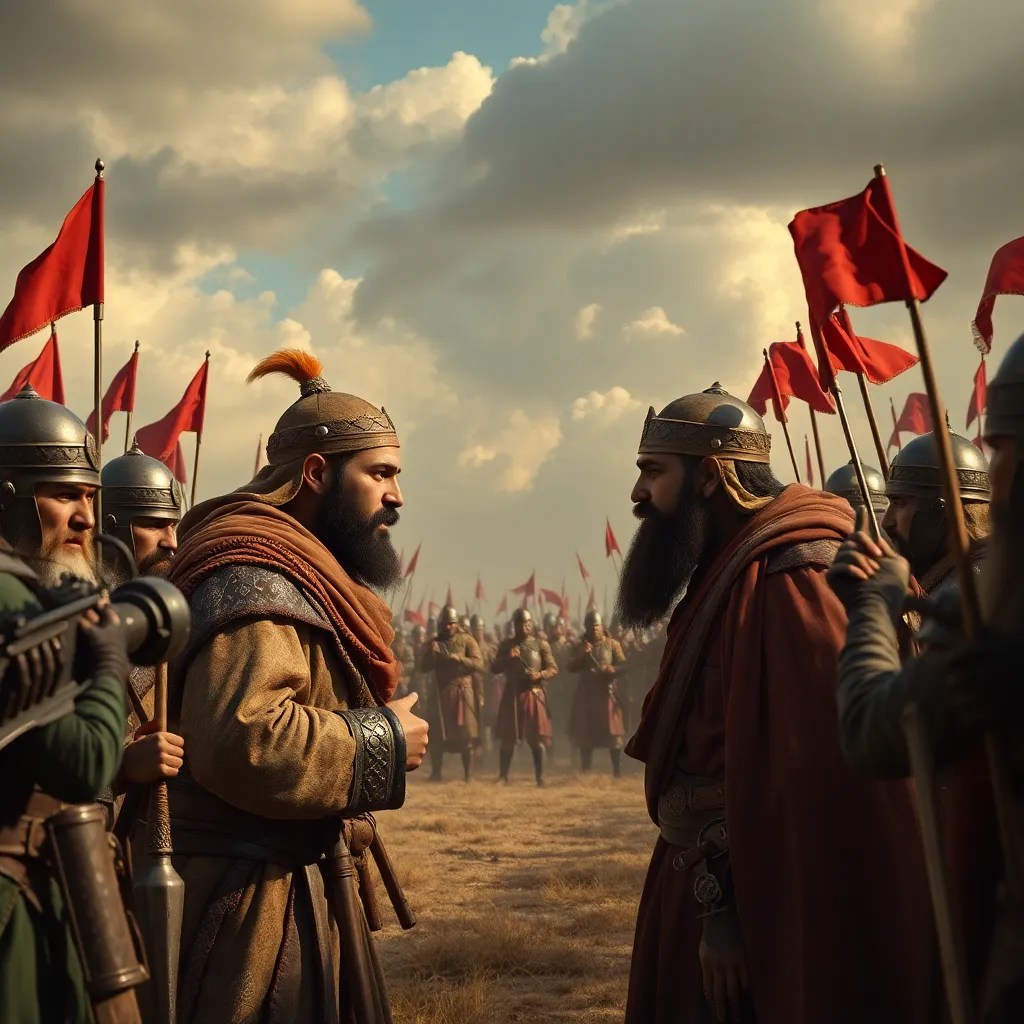
In the vast expanse of Persian literary heritage, few tales resonate as profoundly as the heartbreaking story of Sohrab and Rustum, retold with somber brilliance by Matthew Arnold in his 1853 narrative poem. Derived from Ferdowsi’s Shahnameh, Arnold reimagines the timeless tragedy in English verse, infusing it with profound melancholy and stoic inevitability that haunt the soul long after the final line. With every word, Arnold masterfully amplifies the grief of a father and son locked in a cruel embrace of fate, where recognition comes only too late.

The Fateful Protagonists: Sohrab and Rustum

Sohrab, the embodiment of youthful vigor and unbridled ambition, charges onto the battlefield with dreams of glory. He is the very image of a noble warrior, endowed with both strength and compassion. Yet his innocence, his yearning for recognition, and his tender hope to find the father he has never known—these very qualities make his tragic end all the more unbearable.

Opposite him stands Rustum, the famed warrior of Persia, weighed down by the burdens of age, pride, and a lifetime of battles. Rustum, whose greatness echoes across empires, is a man blind to the threads of fate that bind him to the very foe he faces. His ignorance of Sohrab’s identity, though understandable, fills the reader with a crushing sense of foreboding. The tragedy is not merely in their fatal combat but in Rustum’s unyielding belief that he fights an anonymous enemy, only to discover—when it is far too late—that the boy he has slain is his own flesh and blood.

The Supporting Figures and the Unseen Forces of Fate

Arnold’s verse introduces us to figures and forces that deepen the tragedy of Sohrab and Rustum. Tahmineh, Sohrab’s mother, remains a spectral presence throughout the narrative, her unspoken anguish lingering in the background. She bore Sohrab after a single night with Rustum and raised him alone, never revealing his lineage. This secret, rooted in her fear of losing her child to Rustum’s martial world, sows the seeds of the catastrophe.

Even Rustum’s horse, the magnificent Ruksh, becomes a silent participant in the tragedy. Ruksh, Rustum’s steadfast companion in countless battles, symbolizes loyalty and duty—qualities that propel Rustum toward a fatal confrontation with his own son.

The world of Sohrab and Rustum is also one of stoic landscapes that seem to reflect the characters’ despair. The Oxus River, meandering through the poem with an indifferent constancy, becomes a powerful metaphor for the relentless flow of time and fate. It witnesses the folly of men, absorbs their grief, and carries their stories to oblivion.

The Tragic Duel: A Slow-Building Crescendo of Sorrow

Arnold’s rendering of the climactic battle is a masterclass in restrained yet devastating storytelling. The duel between Sohrab and Rustum unfolds with a tragic inevitability that grips the heart. Arnold describes the clash of father and son with vivid detail, capturing the raw power of their combat while letting the emotional weight simmer beneath the surface. Sohrab’s youthful vigor matches Rustum’s seasoned strength, but the older warrior’s experience proves decisive.

When Rustum’s final, fatal blow lands, it is not triumph but doom that settles over the battlefield. Sohrab’s dying words—his revelation of his parentage—pierce Rustum like a dagger. The mighty warrior, who has vanquished countless foes, is brought to his knees by the cruel irony of fate. Arnold’s language here is devastatingly beautiful, painting Rustum not as a hero but as a broken man, shattered by the realization that his own hand has destroyed his legacy.

Grief Beyond Words: The Universal Tragedy

What makes Sohrab and Rustum so heart-wrenching is its universal resonance. At its core, the poem is not just about a father and son—it is about the devastating consequences of misunderstanding, pride, and the inexorable march of fate. Sohrab dies not only because Rustum fails to recognize him, but because the forces of the universe seem to conspire against them.

Arnold’s melancholic tone is unrelenting, and the reader cannot help but feel both sympathy for Rustum and an overwhelming grief for Sohrab. Rustum’s anguish is palpable as he cradles his dying son, a moment of recognition that comes far too late. And as the Oxus River flows on, indifferent to the tragedy it has witnessed, the reader is left with an aching sense of loss.

The Eternal River: A Metaphor for Life’s Indifference

The poem’s final lines, which describe the eternal flow of the Oxus River, serve as a poignant reminder of life’s indifference to human suffering. While Sohrab’s death devastates Rustum and echoes in the hearts of readers, the river flows on, unchanging, unconcerned. Arnold’s imagery here is haunting, driving home the idea that human grief, no matter how profound, is but a ripple in the vast ocean of existence.

Why This Tale Still Matters

Arnold’s Sohrab and Rustum endures not only for its poetic beauty but for its emotional depth. It is a story that forces us to confront the fragility of human connections and the inexorable power of fate. The characters, though drawn from an ancient epic, feel achingly real in their struggles and sorrows.

In a world often consumed by pride, misunderstanding, and unspoken truths, Sohrab and Rustum is a timeless reminder of the cost of silence and the tragedy of missed opportunities. It compels us to question how often we, like Rustum, fail to see the truths before us until it is too late.

As readers, we are left mourning for Sohrab, who dies with unfulfilled dreams and unanswered questions, and for Rustum, whose legendary strength cannot shield him from the most devastating blow of all. Their story is a testament to the enduring power of love, loss, and the human condition.

Share Your Thoughts

If this tale of devastating loss and unspoken truths has moved you, share your thoughts in the comments. How did Sohrab’s innocence and Rustum’s grief impact you? Let us grieve together for a tragedy that transcends time.

Click like if this tale stirred your soul, and share this article with others who need to experience the haunting beauty of Sohrab and Rustum. Perhaps, in their story, we can find a reflection of our own lives—and a lesson we must never forget.
The Pearl by John Steinbeck: A Tale of Greed, Class, and Morality

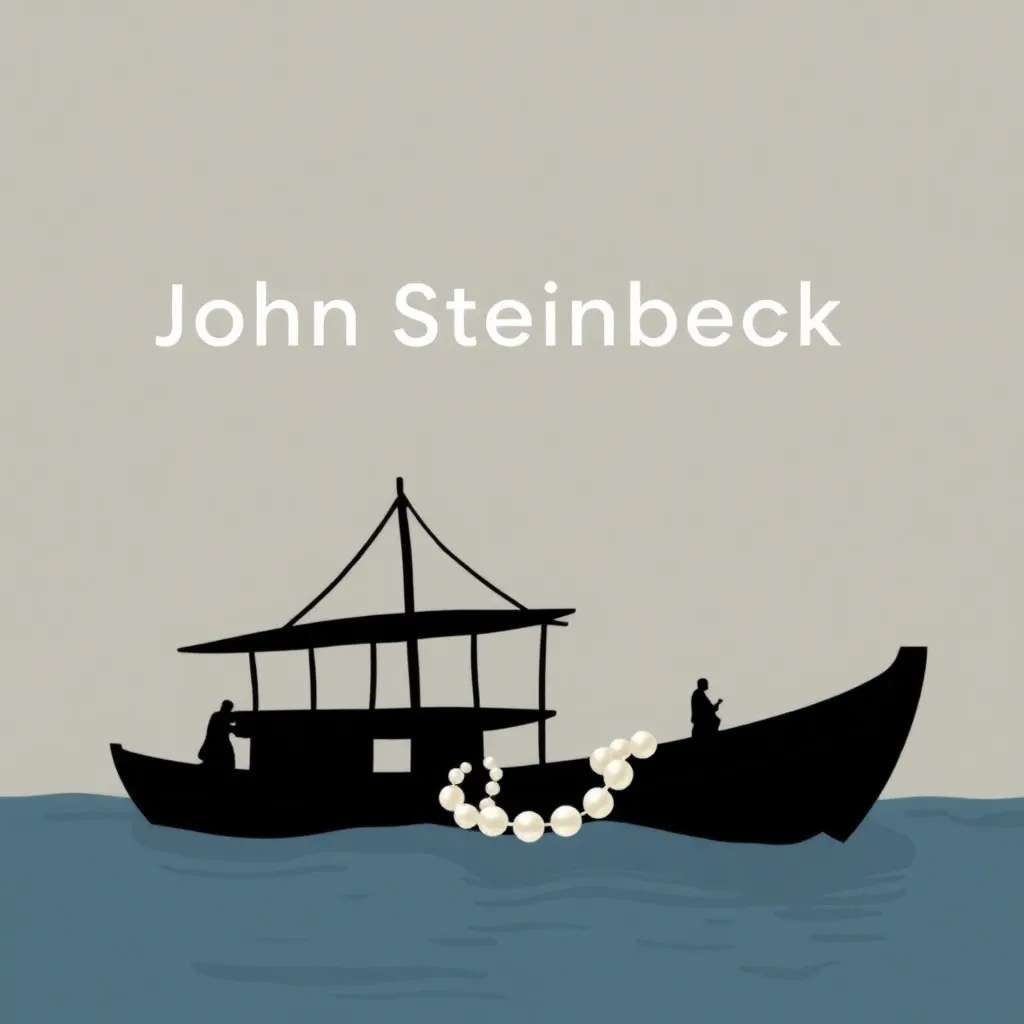
John Steinbeck’s The Pearl is a novella that masterfully explores themes of greed, class division, human nature, and the consequences of ambition. Set in a small coastal town in Baja California, Mexico, the story follows Kino, a poor pearl diver, and his family as they encounter both hope and tragedy when Kino discovers a magnificent pearl, the “Pearl of the World.” The novella’s brevity and symbolism make it a powerful work that resonates with readers on multiple levels. In this article, we will delve into one special element of The Pearl—the transformative and corrupting influence of the pearl itself—and examine how it becomes a central symbol of the story.

The Discovery of the Pearl

The plot of The Pearl revolves around Kino’s discovery of an unusually large, lustrous pearl while diving for oysters. Kino, a poor but contented man, dreams of a better life for his family. The pearl promises to be the means to achieve those dreams. It is seen as a symbol of hope and possibility—a means to pay for his son Coyotito’s education, marry his wife Juana in a church, and improve their living conditions. Kino is consumed by the prospect of a brighter future, and initially, the pearl seems to represent a new beginning.

However, it soon becomes evident that the pearl’s influence is more insidious than Kino could have imagined. While it initially appears to be a symbol of hope and opportunity, it quickly becomes a source of conflict and destruction, both within Kino’s family and in the wider community.

The Corruption of Kino

One of the most striking elements of The Pearl is the way in which Kino’s character is gradually transformed by the pearl. Kino begins as a simple, hardworking man, motivated by the desire to provide for his family. Yet, as the story progresses, the pearl changes him. His desire for wealth grows more intense, and his actions become increasingly irrational. He becomes paranoid, distrustful, and violent.

Kino’s transformation is reflected in his behavior towards his wife, Juana. At the beginning of the novella, Kino and Juana have a loving and supportive relationship. They are partners in their struggles, sharing a sense of unity and purpose. However, as Kino becomes consumed by the pearl, he begins to ignore Juana’s warnings and suggestions. Juana, who initially sees the pearl as a blessing, soon recognizes its dangerous influence and urges Kino to throw it away. She sees that the pearl is no longer a symbol of hope, but a symbol of evil. Kino, blinded by his greed, refuses to listen to her. He is determined to keep the pearl, no matter the cost.

Kino’s descent into violence is marked by his willingness to harm others to protect the pearl. He attacks those who would take it from him, even resorting to killing in the process. This transformation from a humble, hard-working man to a violent and obsessed figure illustrates the corrupting influence of wealth and the dangers of allowing material possessions to define one’s identity and priorities.

The Pearl as a Symbol

The pearl itself is the central symbol in the novella, representing not just wealth, but the destructive power of greed. Steinbeck uses the pearl to highlight how the pursuit of material gain can corrupt individuals, families, and entire communities. Kino’s obsession with the pearl reflects a universal human tendency to become consumed by desires and ambitions, often at the expense of one’s integrity and relationships.

At first, the pearl represents the promise of a better life. However, as Kino’s desire for the pearl grows, it comes to symbolize the darker aspects of human nature—greed, envy, and pride. Kino’s initial dream of improving his family’s life is overtaken by his obsession with acquiring more and more wealth, and the happiness he hopes to find turns into sorrow and tragedy. The pearl, once a symbol of hope, becomes a curse, and its true value is revealed to be much less than its cost.

The local townspeople, who initially celebrate Kino’s discovery, also fall prey to the pearl’s corrupting influence. They all become obsessed with the potential fortune Kino can acquire and view him through the lens of their own desires. The doctor, who refuses to treat Kino’s son Coyotito’s scorpion sting until he learns of the pearl’s existence, becomes a symbol of how greed can distort human compassion. The priest, the dealers, and the trackers who pursue Kino are all driven by the pearl’s promise of wealth, reflecting the widespread impact of materialism.

The Tragic Conclusion

The tragic end of The Pearl underscores the novella’s powerful moral lesson. After Kino’s violence and the death of his son, Coyotito, Kino comes to realize that the pearl has brought nothing but pain and destruction to his life. In the final act of the novella, Kino and Juana, now devastated by the loss of their son, make the decision to throw the pearl back into the sea. This act of abandoning the pearl signifies Kino’s recognition that his greed has cost him everything. It is a moment of profound insight, but it comes too late to reverse the damage that has been done.

The conclusion of the novella reveals that true wealth lies not in material possessions but in the things that cannot be bought—love, family, and peace of mind. Kino’s ultimate rejection of the pearl serves as a poignant reminder of the dangers of materialism and the importance of retaining one’s humanity in the face of temptation.

Conclusion

In The Pearl, John Steinbeck presents a timeless tale about the corrosive effects of greed and the moral lessons that can be learned from the pursuit of wealth. The pearl itself is a powerful symbol of both hope and destruction, and its role in the story highlights the dangers of letting material desires overshadow the values that truly matter in life. Through Kino’s journey, Steinbeck asks us to reflect on our own values and the costs of our ambitions. In the end, The Pearl is a cautionary tale that reminds readers of the fragile nature of happiness and the destructive potential of unchecked greed.

“The End of the Beginning” by Sean O’Casey

“The End of the Beginning” by Sean O’Casey is a one-act comedy that explores themes of gender roles, domestic life, and the absurdity of everyday tasks. The play is set in a rural Irish cottage and centers on a married couple, Darry Berrill and his wife, Lizzie.

The play opens with Lizzie preparing to go out and Darry, a somewhat clumsy and arrogant man, boasting about how easy it is to manage household chores compared to the “real” work he does outside. Lizzie, tired of his arrogance, challenges him to swap roles for a day. She goes out to take care of the farm work, while Darry stays home to handle the household chores.

Throughout the play, Darry’s comedic ineptitude at domestic tasks is on full display. He struggles with simple activities like sweeping, washing dishes, and baking, leading to a series of humorous mishaps and escalating chaos in the home. Darry’s friend, Barry Derrill, arrives and attempts to help, but his presence only adds to the confusion and comedy.

As the day progresses, Darry becomes increasingly frustrated and exhausted. By the time Lizzie returns, the house is in disarray. Lizzie, seeing the mess, points out the difficulties of housework and teaches Darry a lesson about the value and complexity of domestic labor. Humbled by his experience, Darry gains a newfound appreciation for Lizzie’s daily efforts.

“The End of the Beginning” is a light-hearted yet insightful examination of the traditional roles within marriage and the often-overlooked challenges of maintaining a household. O’Casey’s witty dialogue and humorous situations highlight the importance of mutual respect and understanding in relationships.

The Rapier: A Journey Through History and Varieties of Swords

From the echoing clashes of medieval battlefields to the elegant duels of Renaissance nobility, swords have played a significant role in shaping human history and culture. Among the plethora of swords that have graced the annals of time, the rapier stands out as a symbol of finesse, sophistication, and deadly precision. In this exploration, we embark on a journey through the historical background and various types of swords, with a special focus on the iconic rapier.

Historical Background: Swords Through the Ages

Swords have been wielded by warriors and revered by civilizations for millennia. The earliest known swords date back to the Bronze Age, with examples found in archaeological sites across the globe. These early swords were typically made of bronze and were more akin to short, stabbing weapons rather than the longer, slashing swords we envision today.

As civilizations progressed and metallurgical techniques improved, swords evolved alongside them. The Iron Age saw the rise of longer, more versatile swords, capable of both thrusting and slashing motions. The Roman gladius, for instance, became synonymous with the might of the Roman legions, while the iconic katana emerged as the symbol of samurai honor and prowess in feudal Japan.

The Renaissance and the Rise of the Rapier

The Renaissance period marked a significant turning point in the evolution of swords, particularly with the emergence of the rapier. Originating in Spain during the late 15th century, the rapier quickly gained popularity across Europe as the preferred weapon for civilian self-defense and dueling.

Unlike its predecessors, the rapier was characterized by its slender, sharply pointed blade, designed primarily for thrusting attacks rather than slashing. This shift in design reflected the changing nature of combat during the Renaissance, where duels and personal skirmishes demanded a more precise and elegant weapon.

Types of Swords: A Diverse Array of Blades

While the rapier may be one of the most iconic swords of the Renaissance, it is just one among many in the diverse world of swordsmanship. Here are a few notable types of swords from different cultures and time periods:

  1. Longsword: Also known as the “hand-and-a-half sword,” the longsword was a versatile weapon popular during the late Middle Ages and Renaissance. It featured a double-edged blade, suitable for both cutting and thrusting, and was often wielded with two hands for increased control and power.
  2. Katana: The katana is perhaps the most famous Japanese sword, renowned for its exquisite craftsmanship and deadly sharpness. Wielded by samurai warriors, the katana was a symbol of honor and loyalty, embodying the code of bushido.
  3. Scimitar: Originating in the Middle East, the scimitar is characterized by its curved blade, designed for powerful slashing attacks. It was favored by cavalry units and became synonymous with various Islamic empires throughout history.
  4. Claymore: The claymore, a Scottish two-handed sword, gained prominence during the medieval period. With its imposing size and formidable blade, the claymore was wielded by Highland warriors and played a crucial role in Scottish warfare.
  5. Sabre: The sabre is a type of curved sword associated with cavalry units in Europe and Asia. Its design was optimized for slashing attacks from horseback, making it a formidable weapon on the battlefield.

Conclusion: Preserving the Legacy of Swords

From the rapier’s graceful thrusts to the katana’s swift strikes, swords have left an indelible mark on history and culture. Each type of sword embodies the unique traditions, techniques, and values of the civilizations that wielded them. As we continue to study and appreciate these timeless weapons, we ensure that their legacy endures for generations to come, inspiring awe and admiration in the hearts of all who encounter them.

The Lantern – A Short Story

In the heart of medieval England, where the whispers of history danced amidst cobblestone streets and towering castles, there existed a quaint village nestled in the shadow of a great forest. Its name was Willowbrook, and its story was woven with threads of love, betrayal, and the flickering light of a solitary lantern.

At the heart of Willowbrook stood a grand manor, home to Lord Cedric, a man of great wealth and power. His presence commanded respect, yet beneath his stern facade lay a heart burdened with secrets. Lady Elara, his wife, adorned in silks and jewels, was the envy of the village, but her beauty concealed a yearning for something more than the confines of her gilded cage.

Amidst this opulent yet stifling existence, there emerged a figure of intrigue – a mysterious wanderer known only as The Wanderer. Cloaked in darkness, he arrived in Willowbrook like a whisper in the night, his eyes alight with an otherworldly glow. With a lantern in hand, he wandered the streets, weaving tales of distant lands and forgotten dreams.

It was on a moonlit night, beneath the canopy of stars, that Lady Elara first encountered The Wanderer. Enthralled by his tales of adventure and freedom, she found herself drawn to him like a moth to a flame. Their clandestine meetings became a dance of forbidden desire, each moment stolen amidst the shadows.

But as whispers of their affair spread like wildfire through the village, jealousy reared its ugly head. Sir William, a knight loyal to Lord Cedric, harbored a love for Lady Elara that burned with a fierce intensity. Consumed by rage and envy, he vowed to rid Willowbrook of The Wanderer and claim Lady Elara for himself.

Under the cloak of night, Sir William ambushed The Wanderer as he wandered the forest paths, his lantern casting eerie shadows amidst the ancient trees. A fierce struggle ensued, the clash of steel echoing through the silent night. In the end, it was the treacherous blade of Sir William that extinguished the light of The Wanderer’s lantern, leaving him lying lifeless amidst the fallen leaves.

Upon discovering The Wanderer’s fate, Lady Elara’s heart shattered into a million fragments. The lantern, once a symbol of their clandestine love, now lay shattered alongside her dreams. Wracked with grief and guilt, she confessed her sins to Lord Cedric, her voice trembling like the delicate wings of a wounded bird.

In a fit of rage and despair, Lord Cedric cast Lady Elara from his manor, her name tarnished by scandal and betrayal. Alone and broken, she wandered the streets of Willowbrook, her footsteps echoing like a haunting refrain. The once-vibrant village now lay cloaked in sorrow, its streets filled with whispers of a love lost and a light extinguished.

As for Sir William, his victory was hollow, his heart consumed by remorse and regret. Haunted by the memory of The Wanderer’s final moments, he found no solace in his triumph. The lantern, now a symbol of his sins, cast a flickering light upon his tortured soul, a reminder of the darkness that lurked within.

And so, in the heart of medieval England, amidst the tangled webs of love and betrayal, the tale of The Lantern was written. A tragic saga of forbidden love and shattered dreams, it echoed through the annals of time, a haunting reminder of the fragile beauty of the human heart.