Exploring Perfume’s Global Allure: History, Scents, and Cultural Significance Unveiled
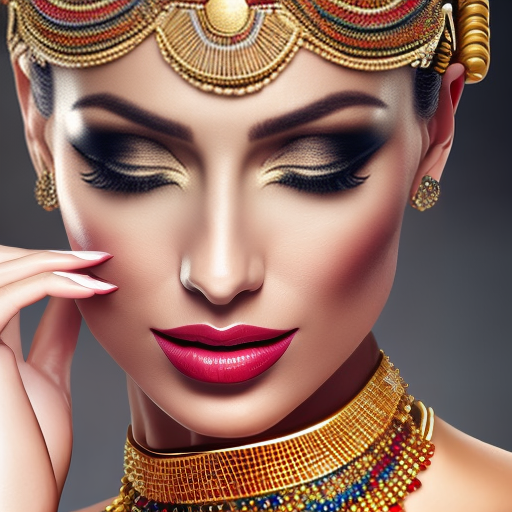
The Use of Perfumes Worldwide: A Journey Through Time, Culture, and Scents

Perfumes have a long-standing role in human history, often representing status, cultural identity, and personal preference. From ancient Egypt to modern-day Paris, perfume has woven itself into the cultural fabric of societies worldwide. This article explores how perfumes have evolved, their diverse cultural meanings, and how the industry continues to captivate enthusiasts worldwide.

A Brief History of Perfume

The art of perfumery dates back over 4,000 years to Mesopotamia and Egypt. Early fragrances were crafted from oils and natural resins for spiritual and ceremonial purposes, as well as personal enjoyment. The Egyptians, notably, valued scents in their daily lives, and Cleopatra’s legendary allure was said to be heightened by her perfumes. Fast forward to the Roman Empire, where perfumes became symbols of luxury, traded across continents as coveted commodities.

Perfume and Cultural Significance

The significance of perfume varies across cultures:

  • Middle Eastern Traditions: Oud and other deep, woodsy scents are celebrated, often used in religious rituals and cultural gatherings. In regions like the Arabian Peninsula, fragrances are integral to hospitality, symbolizing honor and warmth.
  • European Heritage: France, the heart of modern perfumery, saw the development of classic perfumes that combined floral, citrus, and musky notes. Today, Grasse in France remains a world center for high-quality fragrance production.
  • Asian Essence: Countries like Japan and India cherish subtle scents. Japanese culture, with a deep appreciation for nature, embraces light, minimalistic fragrances in their daily lives, while India’s traditional attars emphasize rich, earthy notes from native florals like jasmine and tuberose.

The Science and Art of Perfume Composition

Perfume creation blends chemistry with artistry. Fragrances are typically structured in three layers:

  1. Top Notes: Initial scents like citrus or lavender that fade quickly but make a strong first impression.
  2. Heart Notes: Middle layers that emerge as top notes dissipate, often floral or spicy.
  3. Base Notes: The lasting impression, often woody or musky, that anchors the fragrance.

Perfumers work with hundreds of natural and synthetic ingredients, balancing these layers to evoke emotions and memories. The science extends to understanding how perfumes interact with skin chemistry, making the scent unique to each individual.

Perfume in Modern Society

Today, perfumes are personal signatures and a form of self-expression. The global fragrance market is booming, with artisanal and niche perfumes gaining popularity alongside mainstream brands. Eco-friendly and cruelty-free options are emerging as key trends, meeting consumer demand for sustainability.

In addition, the psychological effects of scents are well-documented. Certain fragrances are known to evoke emotions, reduce stress, or even enhance focus, with many people selecting perfumes based on how they wish to feel.

The Influence of Perfume in Pop Culture and Media

Perfumes have taken on symbolic value, representing elegance, mystery, and allure in cinema, literature, and advertising. Iconic perfumes like Chanel No. 5, Shalimar, and Opium have become cultural icons themselves, with advertising campaigns that weave tales of romance and sophistication.

Conclusion: Perfumes as Timeless Treasures

Perfume remains a testament to human creativity and cultural diversity. From ancient rituals to contemporary trends, it has the power to connect us to our heritage and express our individuality. This sensory journey across the world reminds us of the enduring charm of perfumes, urging us to continue exploring and cherishing scents that speak to our souls.

Luxury Watches vs. Affordable Timepieces: Exploring the Psychology Behind Watch Choices

Introduction: In the world of horology, the debate between luxury watches and affordable timepieces has long been a topic of fascination. While both serve the primary purpose of telling time, the choice between a costly watch and a budget-friendly alternative often goes beyond mere functionality. This blog aims to delve into the psychology behind why individuals opt for a costly watch when a cheap one can serve the same purpose.

Luxury Watch Appeal: Luxury watches are often associated with prestige, craftsmanship, and exclusivity. Brands like Rolex, Patek Philippe, and Audemars Piguet have built a reputation for producing timepieces that are not only accurate but also serve as status symbols. Owning a luxury watch can signal wealth, success, and refined taste, making it a desirable accessory for many.

Craftsmanship and Quality: One of the primary reasons individuals are drawn to costly watches is the superior craftsmanship and quality they offer. Luxury watchmakers invest considerable time and resources into perfecting their timepieces, utilizing premium materials and intricate designs. The attention to detail and precision engineering result in watches that not only tell time but also stand the test of time, becoming heirlooms passed down through generations.

Status and Social Signaling: Wearing a luxury watch can be a form of social signaling, communicating one’s status and affluence to others. In certain circles, the brand and model of a watch can convey membership in exclusive clubs or signify belonging to a particular social class. As such, owning a luxury watch can be seen as an investment in one’s image and reputation, enhancing one’s perceived status and influence.

Collectibility and Investment Value: Beyond being mere accessories, luxury watches are often viewed as collectible items with investment potential. Limited edition releases, rare materials, and historical significance can contribute to the appreciation of a watch’s value over time. For some enthusiasts, collecting luxury watches is not only a hobby but also a means of diversifying their investment portfolio.

Affordable Timepieces: On the other end of the spectrum, affordable timepieces offer practicality and accessibility to a broader audience. While they may lack the prestige and craftsmanship of luxury watches, budget-friendly options from brands like Casio, Timex, and Seiko are reliable and functional. Many individuals opt for affordable watches as they prioritize utility over status symbols or investment potential.

Value Proposition and Functionality: Affordable timepieces appeal to consumers who prioritize value for money and practicality. These watches often feature quartz movements, durable materials, and basic functionalities without the added frills of luxury watches. For everyday wear or specific activities like sports or outdoor adventures, affordable watches offer a reliable timekeeping solution without the fear of damaging an expensive investment.

Inclusivity and Accessibility: Affordable timepieces cater to a broader demographic, making quality watches accessible to those with varying budgets. Whether it’s a student buying their first watch or someone looking for a reliable timepiece for everyday wear, affordable options provide an entry point into the world of horology without breaking the bank. This inclusivity ensures that individuals from diverse backgrounds can enjoy the utility and style of a wristwatch.

Conclusion: In conclusion, the choice between wearing a costly watch versus a cheap one goes beyond mere functionality and extends into the realms of status, craftsmanship, and personal values. While luxury watches offer prestige, exclusivity, and investment potential, affordable timepieces prioritize value for money, practicality, and accessibility. Ultimately, whether one chooses a luxury watch or an affordable timepiece depends on individual preferences, lifestyle, and the significance they attribute to their choice of wristwear.

By exploring the psychology behind watch choices, we gain insight into how accessories like watches serve as expressions of identity, status, and personal taste in today’s society. Whether it’s a statement of luxury or a practical timekeeping tool, the wristwatch remains a timeless accessory that continues to captivate enthusiasts around the world.