The Living Legend Forgotten: Why Has “Peshawar’s Dilip Kumar” Been Denied National Recognition?
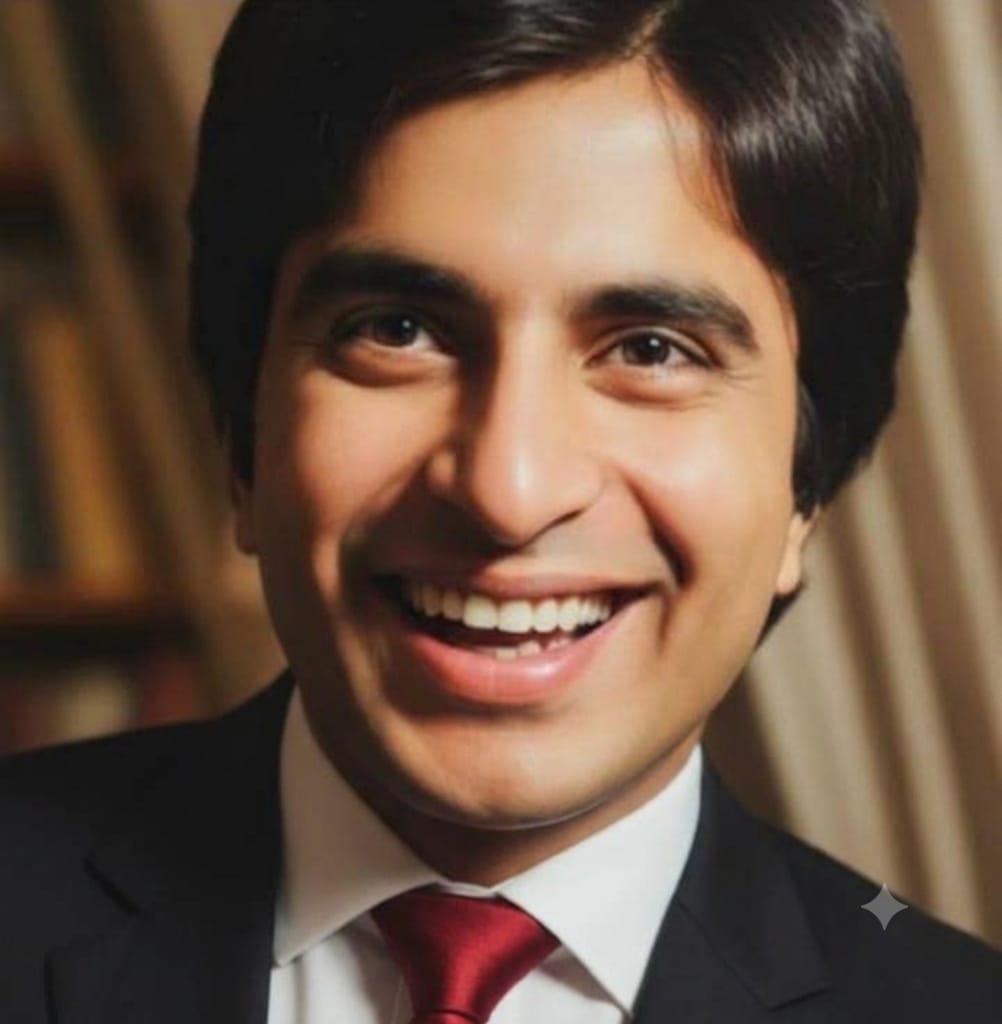
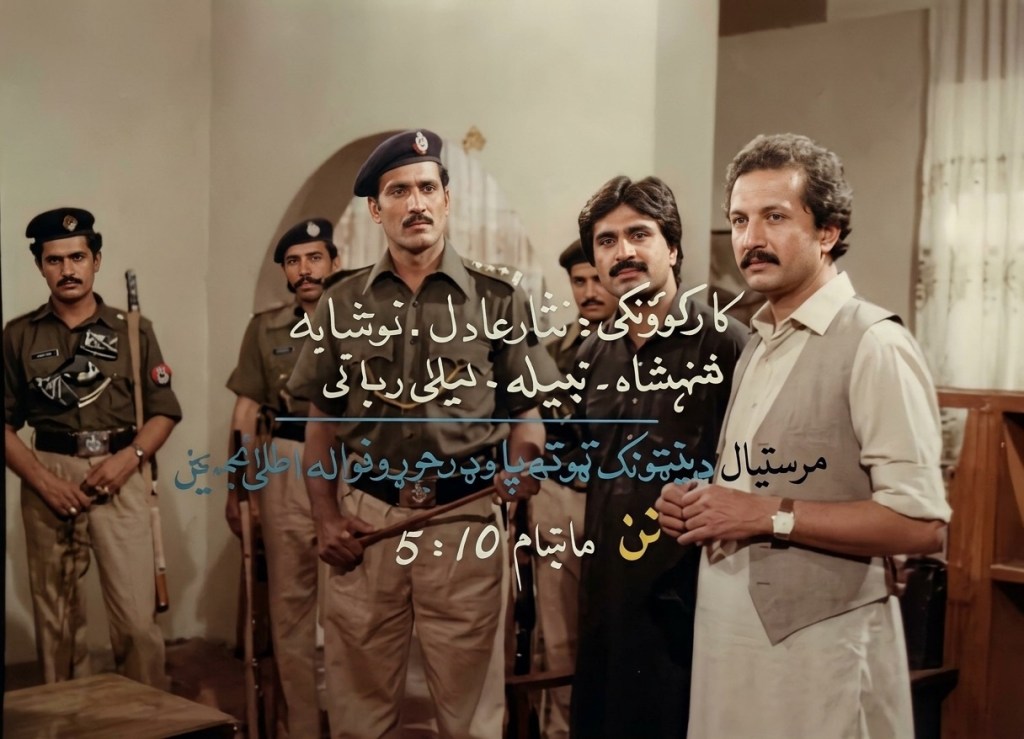
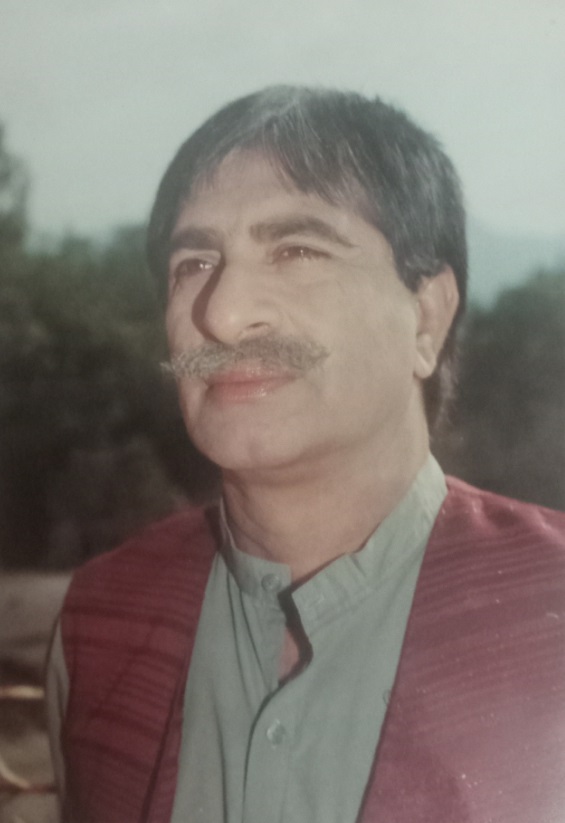
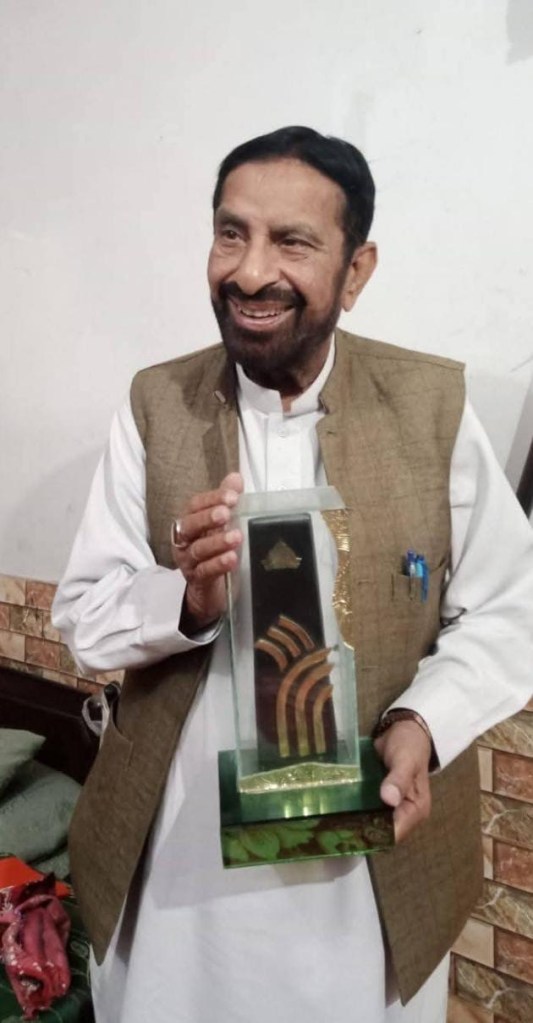
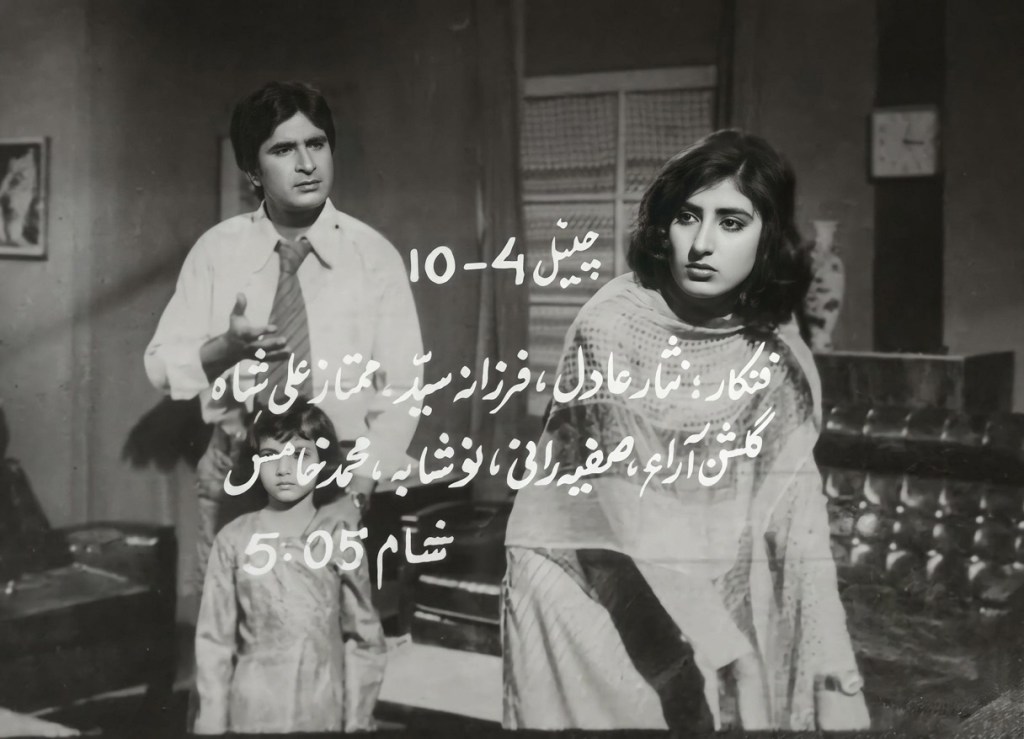
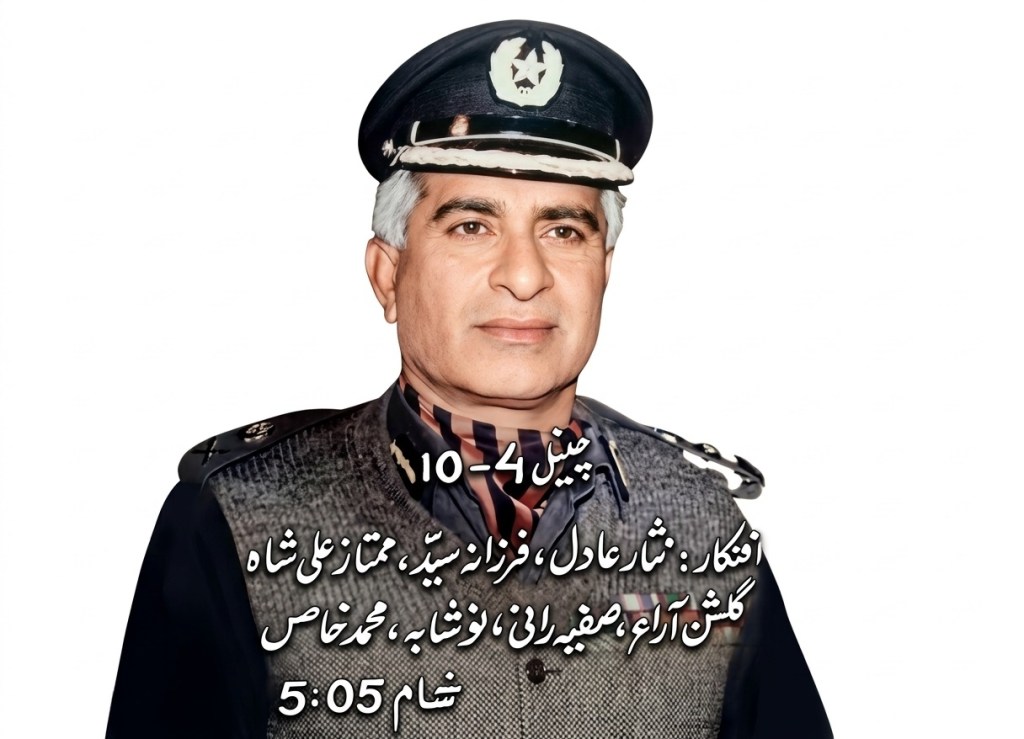
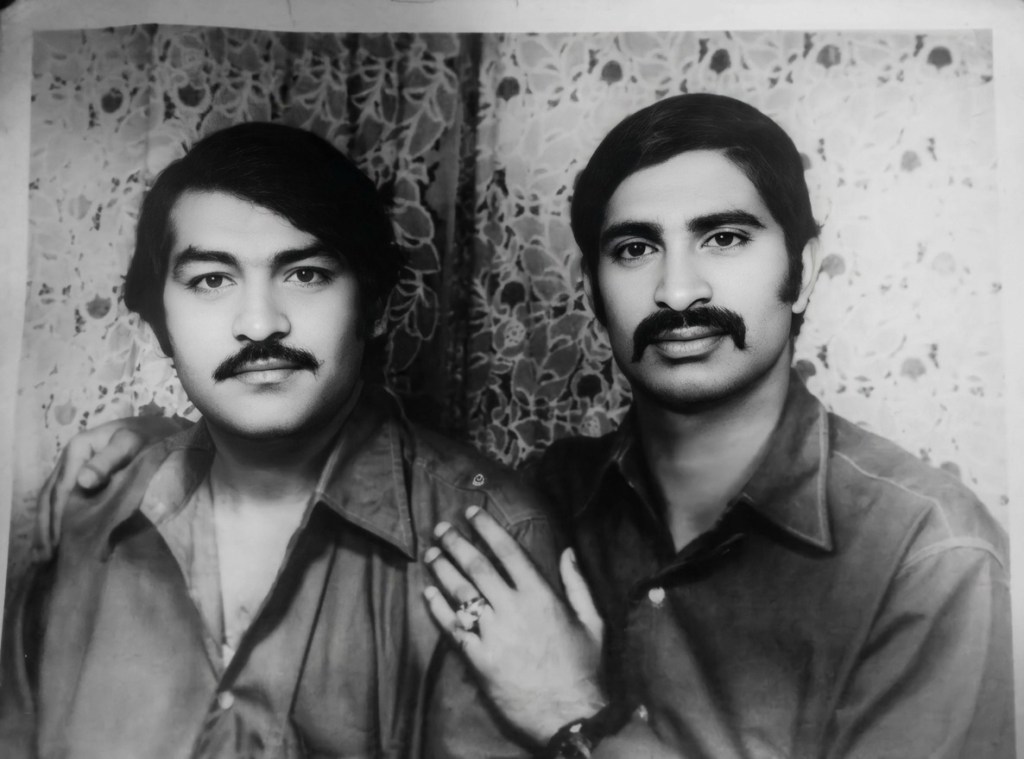
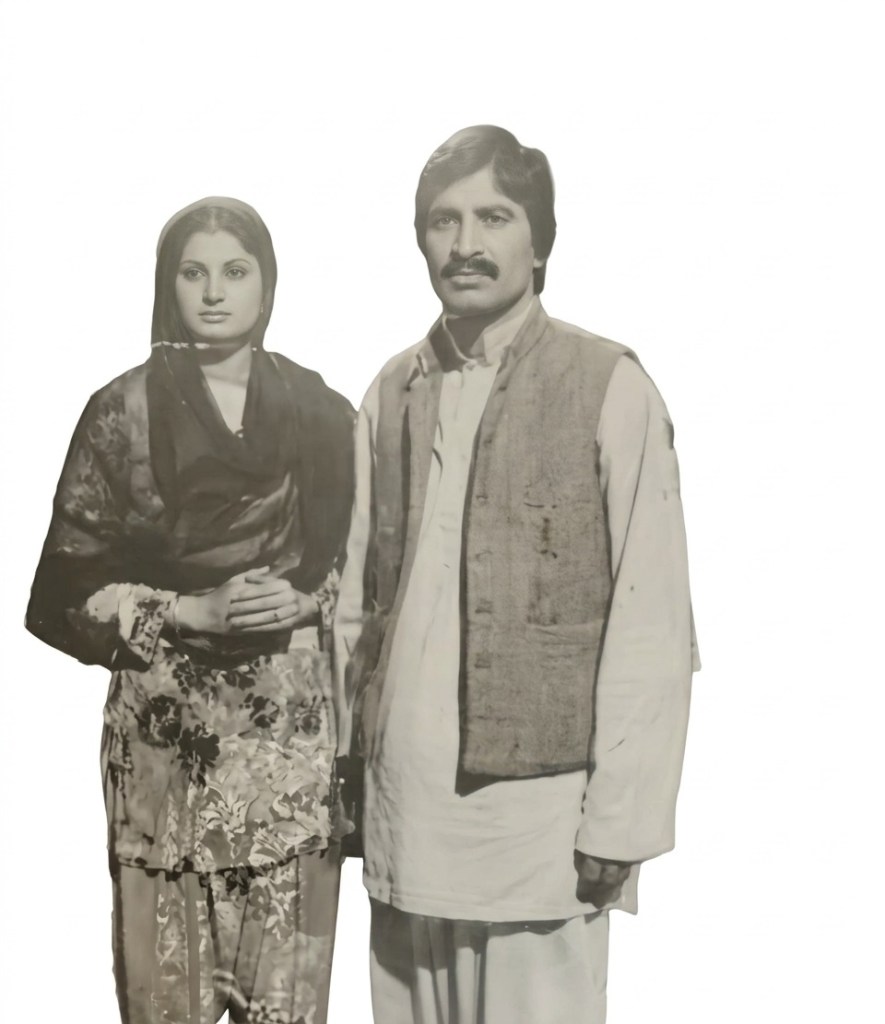
Peshawar has long been celebrated as the cradle of art, culture, and iconic storytellers. From its historic streets emerged living legends who shaped the golden era of Pakistani media. Chief among these living titans is Nisar Adil—a master artist affectionately known across the region as “Peshawar’s Dilip Kumar.”

Yet, despite an extraordinary career spanning over 56 years across Radio Pakistan and Pakistan Television (PTV), Nisar Adil’s invaluable contributions remain unrecognized at the highest official level.

A Dual Legacy: Shaping Minds in the Classroom, Captivating Millions on Screen

Nisar Adil is not simply a veteran performer; he is an institution.

  • The Educator: As a dedicated schoolteacher, he spent decades molding young minds. Today, thousands of his former students serve society as accomplished doctors, engineers, lawyers, and civil servants.
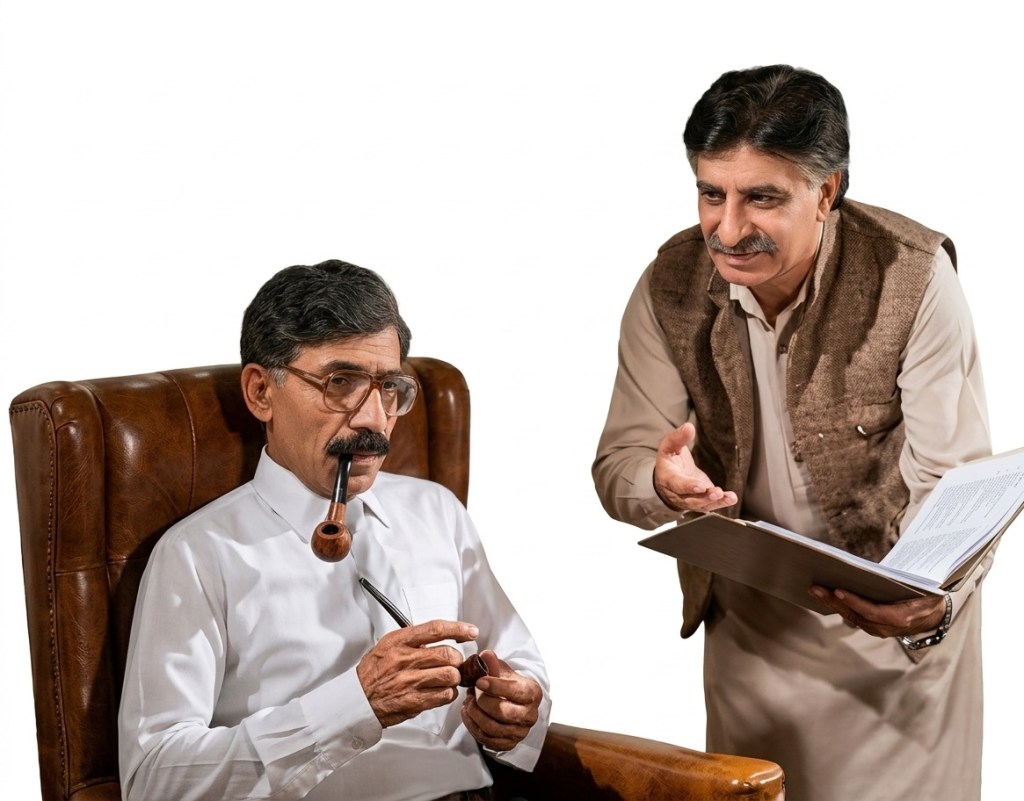
  • The Cultural Icon: Simultaneously, he established himself as a titan of performance art. Appearing as a lead actor in dozens of Pashto and Urdu television dramas, his presence alone was once considered a guarantee of a project’s success.

For generations of artists, he was the benchmark of excellence—a true master of his craft, both at the teacher’s podium and before the television camera.
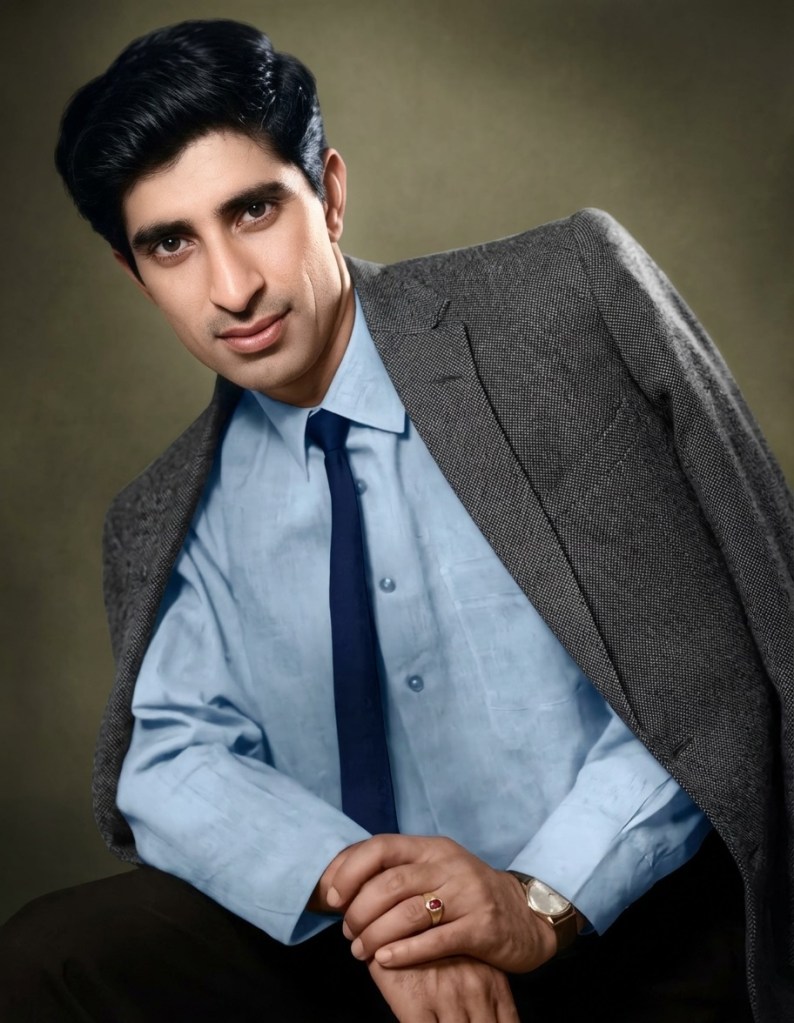
The Merit Dilemma: A Lifetime of Service Ignored

is a painful irony of our cultural landscape that while many junior performers have been honored with the Presidential Pride of Performance and Tamgha-e-Imtiaz, a stalwart with nearly six decades of selfless dedication has been left in the shadows.

Recently, Mr. Nisar Adil submitted an official appeal addressed to:

  • The President of Pakistan
  • The Governor of Khyber Pakhtunkhwa Province
  • The Chief Minister of Khyber Pakhtunkhwa Province
  • The Chief Secretary of Khyber Pakhtunkhwa Province

His appeal asks a fundamental question: Why does true merit require nepotism to be seen?

Today, living a quiet retired life away from the screen, he remains fully vibrant and dedicated to the arts. Radio Pakistan Peshawar and PTV archives stand as living testaments to his genius, and the public still holds him in the highest esteem as their hero.

Honor Our Heroes While They Are Still With Us

Acknowledging our national icons after they pass away carries no real meaning. As the famous Pashto proverb poignant reminds us:

(translation “When I was alive, you pelted me with stones; why do you kiss my tombstone now?”)

The demand for justice is neither unreasonable nor extravagant. It is a humble, legitimate request to honor a lifetime of service while the artist is still here to receive it.

Official Appeal & Direct Contact Details

We urge the Federal Government and the Provincial Government of Khyber Pakhtunkhwa to urgently review Mr. Nisar Adil’s petition and confer upon him the Presidential Pride of Performance Award.

Direct Contact Information:

  • Address: Bostan Abad No. 3, Shaheen Muslim Town, Near Gulbahar, Peshawar City

Contact Numbers: +92 300 5826039 / +92 321 9153447
The Myth Behind the Street of Storytellers: Qisa Khawani in Peshawar, Pakistan

Introduction:

Deep within the bustling city of Peshawar, Pakistan, lies a historical treasure that has captivated the hearts and minds of locals and visitors alike for centuries. Known as Qisa Khawani, which translates to “The Street of Storytellers,” this enchanting street holds a rich historical background, immense importance through history, and a unique charm that continues to resonate with storytellers and listeners to this day.

Historical Background:

Qisa Khawani, located in the heart of Peshawar, traces its roots back to the Mughal era in the 16th century. The street earned its name due to the tradition of storytellers who would gather there to entertain and educate the masses through their captivating tales. These skilled storytellers would weave together narratives from various genres, including folklore, mythology, history, and poetry, creating a vibrant cultural tapestry that captivated listeners from all walks of life.

Importance through History:

Over the centuries, Qisa Khawani has played a vital role in the cultural and intellectual development of the region. The street served as a meeting point for diverse communities, where people would come together to share stories, exchange ideas, and celebrate the rich tapestry of their collective heritage. This vibrant tradition of oral storytelling helped preserve the region’s history, customs, and moral values, passing them down from one generation to the next.

The Charms of Qisa Khawani:

Qisa Khawani is not merely a street; it is a living testament to the power of storytelling and human connection. As you wander through its narrow lanes, you can still feel the echoes of past narratives reverberating through the air. The vibrant atmosphere, adorned with traditional architecture and bustling markets, transports you to a bygone era.

The charm lies in the blend of history and culture that envelops the street. Visitors are greeted with a kaleidoscope of sights, sounds, and scents. The aroma of local delicacies wafts through the air, mingling with the bustling sounds of vendors, musicians, and the occasional poet reciting verses. The colorful shops and intricately carved wooden balconies provide a picturesque backdrop, evoking a sense of nostalgia for a time long gone.

Today, Qisa Khawani continues to be a hub of artistic expression, attracting tourists and locals alike. The ancient art of storytelling has evolved to include modern genres, attracting writers, poets, and performers who use various mediums to share their tales. The street serves as a platform for contemporary storytellers to captivate audiences with their narratives, fostering creativity and celebrating the enduring spirit of oral traditions.

The narrow lanes of Qisa Khawani Street have not only been a sanctuary for storytellers but have also witnessed the birth of legendary actors who have left an indelible mark on Indian cinema. Among the notable names hailing from this historic street are Raj Kapoor, Dilip Kumar, and Prithvi Raj Kapoor. These great actors, born and raised in the vibrant alleys of Qisa Khawani, went on to become icons of the silver screen, captivating audiences with their unparalleled talent, charisma, and versatility.

Raj Kapoor, the showman of Indian cinema, emerged from the very fabric of Qisa Khawani Street, carrying with him the tales and spirit of the storytellers who came before him. His contributions to the film industry as an actor, director, and producer are unparalleled, and his films continue to be celebrated as cinematic masterpieces even today.

Dilip Kumar, often referred to as the “Tragedy King,” was another luminary who was nurtured by the ethos of Qisa Khawani. His deep and nuanced performances brought forth a new era of realism in Indian cinema, earning him numerous accolades and a place in the hearts of millions of fans. Dilip Kumar’s portrayals of complex characters on the silver screen continue to be celebrated as a benchmark for acting excellence.

Prithvi Raj Kapoor, patriarch of the illustrious Kapoor family, hailed from Qisa Khawani Street, where he imbibed the essence of storytelling and artistry. He was an influential actor, director, and producer who played a significant role in shaping Indian theater and cinema. His legacy lives on through the Prithvi Theatre, a renowned cultural institution established by him and his wife, which has nurtured countless talents over the years.

Additionally, the talented actor Anil Kapoor’s parents, Surinder Kapoor and Nirmal Kapoor, resided in the very heart of Qisa Khawani Street. Anil Kapoor, a prominent figure in Indian cinema himself, inherited the passion for storytelling and performing arts from his family’s roots in this storied street. His contributions to the film industry have been remarkable, and he continues to inspire with his versatile performances and enduring charm.

The great actors who were born or lived in the narrow lanes of Qisa Khawani Street have not only made a significant impact on Indian cinema but have also become cultural icons whose influence transcends borders and generations. Their journey from the bustling streets of Peshawar to the glitz and glamour of Bollywood is a testament to the power of dreams, talent, and the rich cultural heritage that shaped them. Qisa Khawani Street stands proudly as the birthplace of these luminaries, forever etching its name in the annals of cinema history.