Gul Hamid: The Forgotten Star of Early Indian Cinema
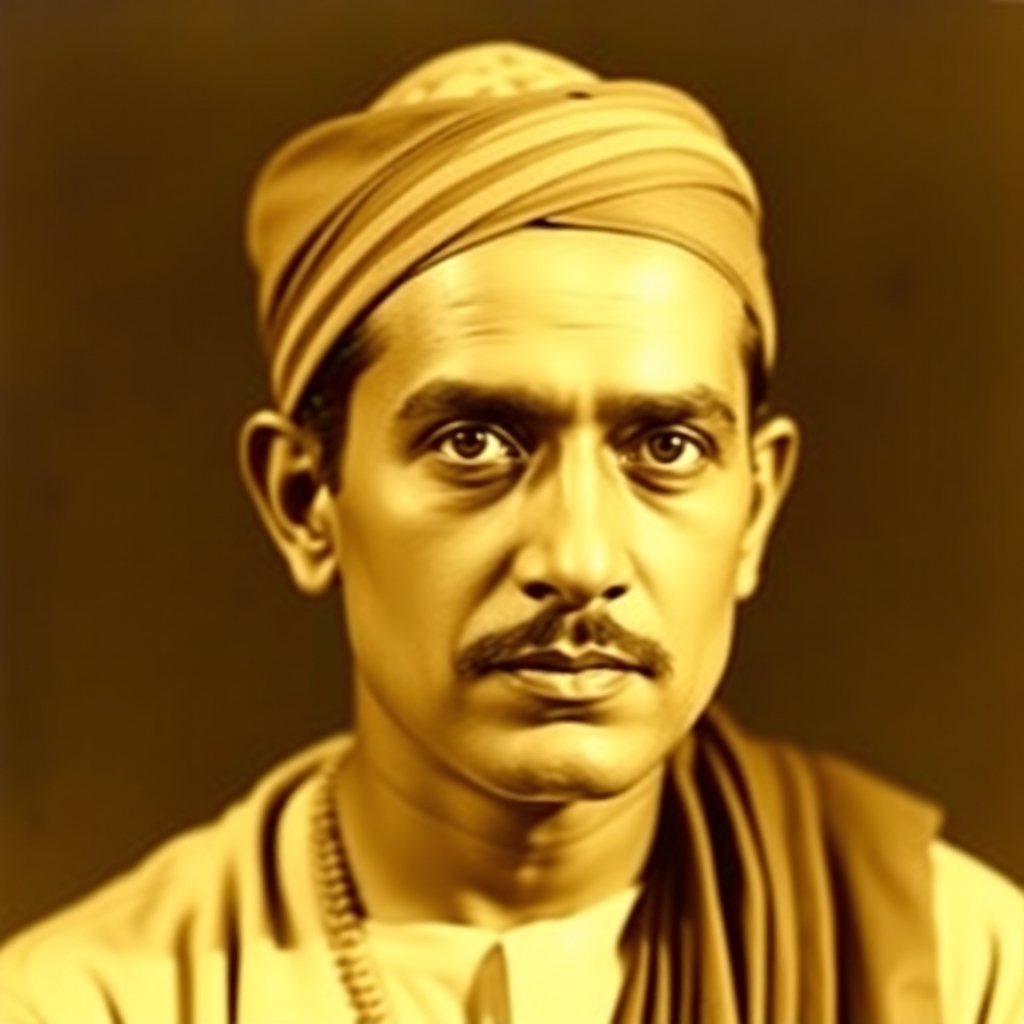
AI image credit: Imagine.art
Gul Hamid Khan, born in 1905 in Pirpiai village near Nowshera, British India (now Pakistan), emerged as a prominent figure in early Indian cinema during the 1930s.
Early Life and Entry into Cinema
Initially serving in the British Indian Police, Gul Hamid’s striking appearance and passion for acting led him to the burgeoning film industry. He debuted in A. R. Kardar’s silent film “Sarfarosh” (1930), marking the beginning of a brief yet impactful cinematic journey.
Career Highlights
Gul Hamid’s filmography includes significant contributions to both silent films and talkies:
- “Heer Ranjha” (1932): He played a pivotal role in this film, recognized as the first Punjabi feature film.
- “Yahudi Ki Ladki” (1933): This film was based on Agha Hashar Kashmiri’s renowned play, showcasing his versatility.
- “Seeta” (1934): Directed by Debaki Bose, “Seeta” was the first Indian talkie to be screened at an international film festival, earning an honorary diploma at the Venice Film Festival.
- “Khyber Pass” (1936): Demonstrating his multifaceted talent, Gul Hamid not only acted but also wrote and directed this film.
Personal Life
In 1930, Gul Hamid married Patience Cooper, a prominent actress of the silent film era. Their partnership extended to the screen, co-starring in films such as “Baghi Sipahi” (1936) and “Khyber Pass” (1936).
Illness and Untimely Demise
Tragically, at the zenith of his career, Gul Hamid was diagnosed with Hodgkin’s lymphoma. Despite his declining health, he continued to contribute to cinema until his passing in 1936.
Legacy
Gul Hamid’s contributions during the formative years of Indian cinema left an indelible mark. His performances and pioneering efforts in early films continue to be remembered and studied by cinema enthusiasts and historians.
 Janson's blog