The Architectural Brilliance of Jaulian: A Buddhist Sanctuary in Pakistan
Visiting the ancient ruins of Jaulian, located near Taxila in Pakistan, is a journey through time, revealing the grandeur of Buddhist architecture from centuries past. This site, perched on a hill, showcases the remains of a Buddhist monastery dating back to the 2nd century CE, making it one of the oldest and most significant religious complexes in the region.

As I explored the sprawling ruins, I was captivated by the intricate pathways and expansive verandas that once served as communal spaces for monks. The layout included study halls and living quarters, which provided insight into the daily lives of those who inhabited this majestic site.

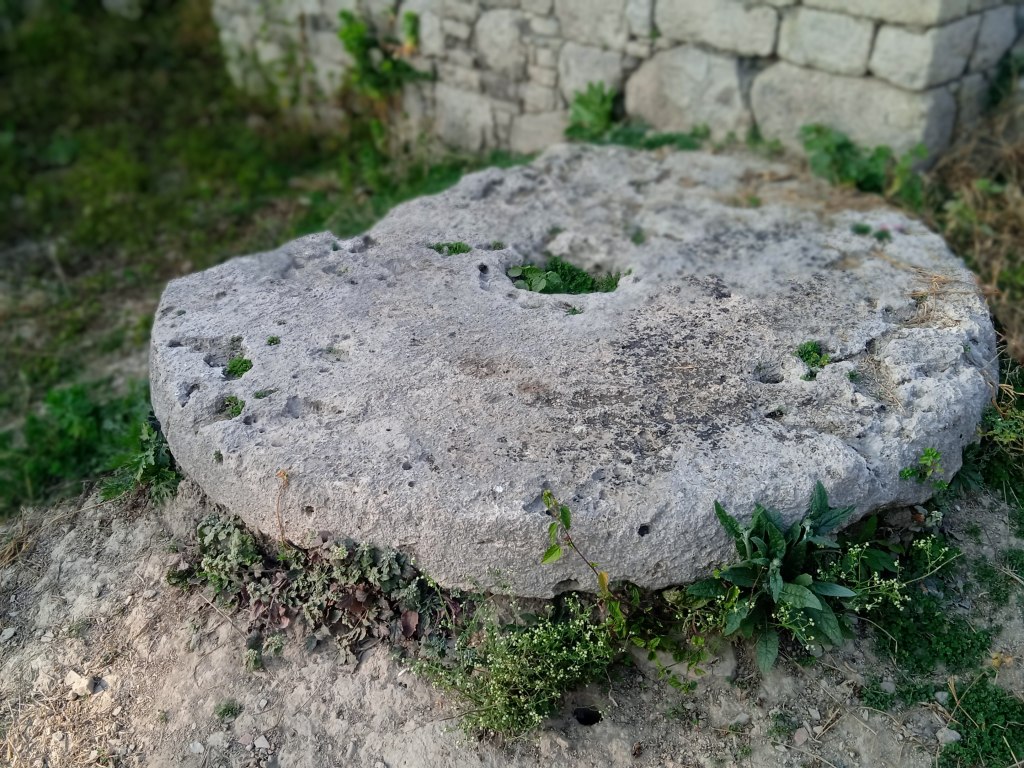
The presence of hand-carved statues of Buddha and his disciples adds a spiritual dimension to the experience, evoking a sense of reverence for the craftsmanship that has withstood the test of time. Among the remarkable features is a manual grinding mill, whose upper part is still visible today. This ancient apparatus was essential for grinding wheat or rice etc. into flour, highlighting the self-sufficiency of this monastic community. The remnants of kitchens and water wells further illustrate how these monks thrived in harmony with their environment.

The scenic beauty surrounding Jaulian enhances its allure. Nestled amidst lush greenery and rolling hills, the site offers breathtaking views that complement its historical significance. The serenity of the landscape invites reflection on the lives of those who once walked these paths. The architectural brilliance displayed at Jaulian is a testament to the skill and dedication of its designers and builders. Their ability to create such an enduring structure, which served as a center for learning and spirituality, deserves high praise. The meticulous attention to detail in every carving and layout reflects a deep understanding of both form and function.

In summary, my visit to Jaulian was not just an exploration of ruins but a profound encounter with history, art, and nature—a true celebration of human achievement in ancient times.

Exploring Sri Lanka’s Full Moon Holiday: A Timeless Celebration

Introduction

Sri Lanka, the resplendent island nestled in the Indian Ocean, boasts a rich tapestry of traditions and festivities. Among these, the Full Moon Holiday, known locally as ‘Poya,’ stands out as a time-honored celebration with deep historical roots. In this article, we’ll dive into the historical background of the Full Moon Holiday in Sri Lanka and explore how people worldwide view this unique celebration.

Historical Background

The Full Moon Holiday, or Poya, in Sri Lanka traces its origins back to Buddhism, the predominant religion in the country. It holds immense significance in the Buddhist calendar, commemorating key events in the life of Gautama Buddha, the founder of Buddhism. Each full moon marks a specific event in his life, and thus, Poya occurs every month.

The roots of Poya in Sri Lanka can be traced to the 3rd century BCE when Buddhism was introduced to the island by Arahat Mahinda, the son of Emperor Ashoka of India. With the introduction of Buddhism, the full moon gained prominence as a time for reflection, meditation, and religious observance. As Buddhism flourished in Sri Lanka, Poya became an integral part of the culture, deeply ingrained in the lives of the people.

Modern Observance of Poya

Today, Poya is observed with great reverence and enthusiasm throughout Sri Lanka. It is a public holiday, allowing Sri Lankans to take a break from their daily routines and focus on spiritual activities. Devotees flock to temples to make offerings, participate in religious ceremonies, and meditate. Buddhist flags fly high, and the atmosphere is one of serenity and devotion.

Moreover, on Poya days, the sale of alcohol and meat is prohibited by law. This practice encourages people to embrace a vegetarian diet for the day and maintain a state of purity and self-discipline. Visitors to Sri Lanka during Poya can witness the island’s unique blend of spirituality and cultural diversity.

International Perception of Poya

While Poya is deeply rooted in Sri Lanka’s Buddhist heritage, its significance has also gained international recognition. Travelers from around the world are drawn to Sri Lanka to experience this unique cultural phenomenon.

Many tourists find Poya to be a fascinating window into Sri Lankan culture and spirituality. It offers an opportunity to witness the island’s deep-rooted religious traditions and the unwavering devotion of its people. The serene ambiance, colorful ceremonies, and delicious vegetarian cuisine on offer during Poya are just a few of the aspects that captivate international visitors.

Travel blogs and websites frequently feature articles and accounts of travelers who have had the privilege of experiencing Poya in Sri Lanka. The worldwide appeal of Poya as a cultural and spiritual event continues to grow, making it a sought-after experience for tourists looking to immerse themselves in authentic local culture.

The Full Moon Holiday, or Poya, in Sri Lanka is a remarkable celebration that not only holds profound historical significance but also continues to captivate people from all corners of the world. As a time for reflection, devotion, and cultural immersion, Poya stands as a testament to the enduring allure of Sri Lanka’s rich traditions. Whether you’re a local or a traveler, Poya offers a unique opportunity to connect with spirituality and experience the beauty of this enchanting island nation.

As you plan your travels, consider scheduling your visit to Sri Lanka during a Full Moon Holiday, and you’ll have the chance to witness the island’s captivating celebration of Poya for yourself.

https://www.youtube.com/channel/UCWc_2zlK-tprm6wLS4SmUsg