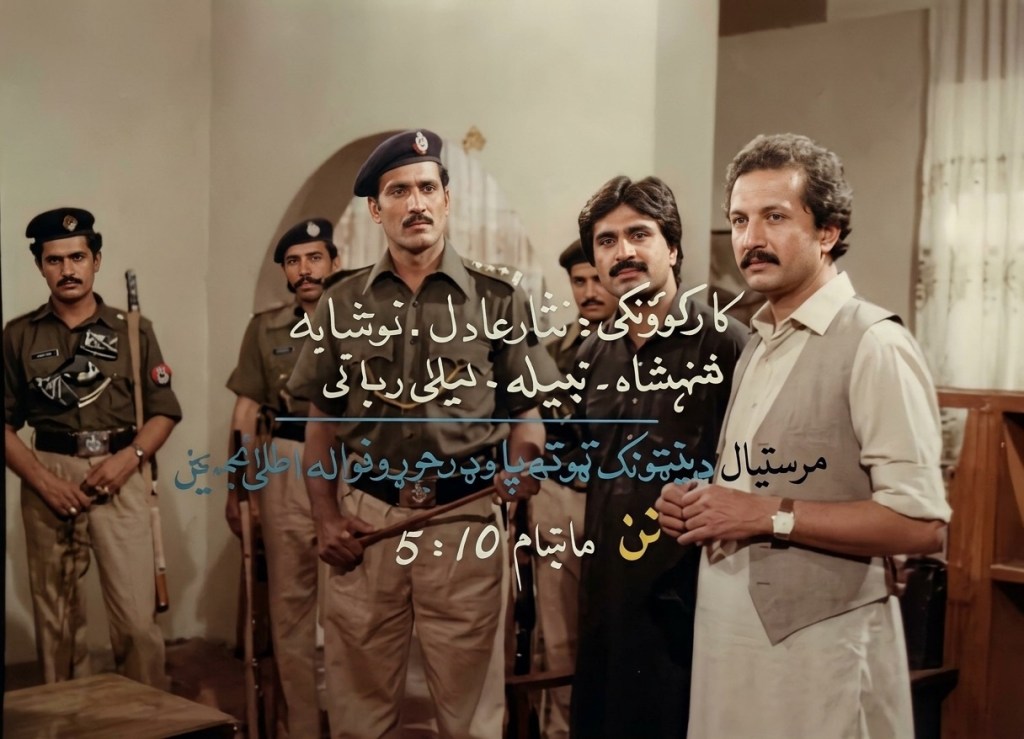
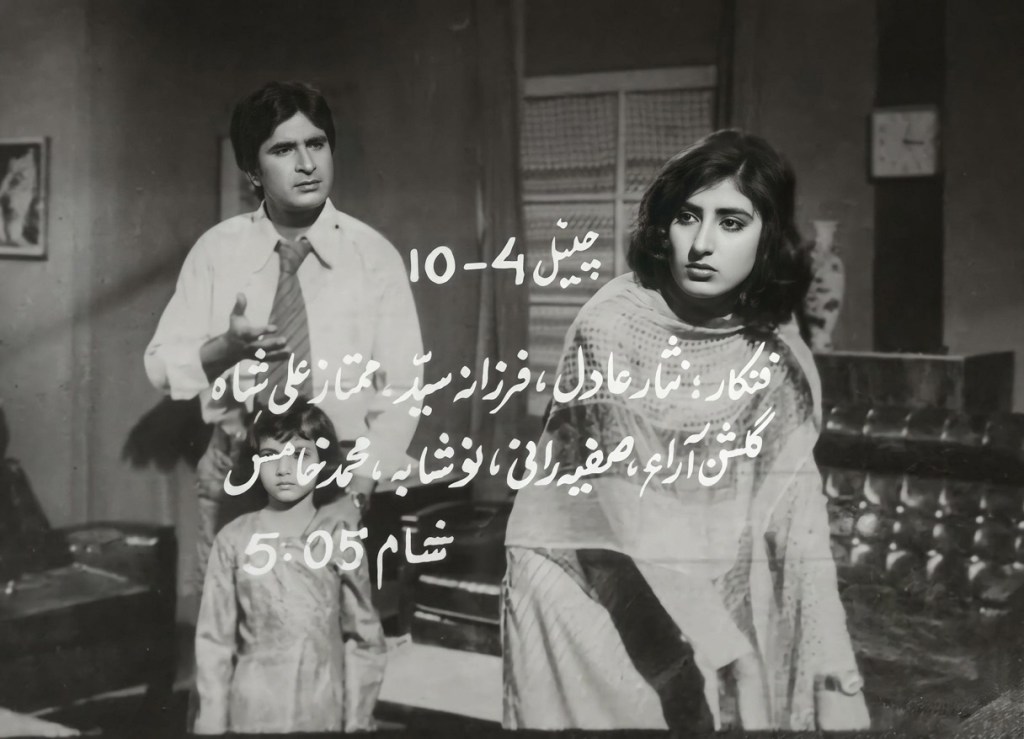
Peshawar has long been celebrated as the cradle of art, culture, and iconic storytellers. From its historic streets emerged living legends who shaped the golden era of Pakistani media. Chief among these living titans is Nisar Adil—a master artist affectionately known across the region as “Peshawar’s Dilip Kumar.”
Yet, despite an extraordinary career spanning over 56 years across Radio Pakistan and Pakistan Television (PTV), Nisar Adil’s invaluable contributions remain unrecognized at the highest official level.
A Dual Legacy: Shaping Minds in the Classroom, Captivating Millions on Screen
Nisar Adil is not simply a veteran performer; he is an institution.
The Educator: As a dedicated schoolteacher, he spent decades molding young minds. Today, thousands of his former students serve society as accomplished doctors, engineers, lawyers, and civil servants.
The Cultural Icon: Simultaneously, he established himself as a titan of performance art. Appearing as a lead actor in dozens of Pashto and Urdu television dramas, his presence alone was once considered a guarantee of a project’s success.
For generations of artists, he was the benchmark of excellence—a true master of his craft, both at the teacher’s podium and before the television camera.
The Merit Dilemma: A Lifetime of Service Ignored
is a painful irony of our cultural landscape that while many junior performers have been honored with the Presidential Pride of Performance and Tamgha-e-Imtiaz, a stalwart with nearly six decades of selfless dedication has been left in the shadows.
Recently, Mr. Nisar Adil submitted an official appeal addressed to:
The President of Pakistan
The Governor of Khyber Pakhtunkhwa Province
The Chief Minister of Khyber Pakhtunkhwa Province
The Chief Secretary of Khyber Pakhtunkhwa Province
His appeal asks a fundamental question: Why does true merit require nepotism to be seen?
Today, living a quiet retired life away from the screen, he remains fully vibrant and dedicated to the arts. Radio Pakistan Peshawar and PTV archives stand as living testaments to his genius, and the public still holds him in the highest esteem as their hero.
Honor Our Heroes While They Are Still With Us
Acknowledging our national icons after they pass away carries no real meaning. As the famous Pashto proverb poignant reminds us:
(translation “When I was alive, you pelted me with stones; why do you kiss my tombstone now?”)
The demand for justice is neither unreasonable nor extravagant. It is a humble, legitimate request to honor a lifetime of service while the artist is still here to receive it.
Official Appeal & Direct Contact Details
We urge the Federal Government and the Provincial Government of Khyber Pakhtunkhwa to urgently review Mr. Nisar Adil’s petition and confer upon him the Presidential Pride of Performance Award.
Direct Contact Information:
Address: Bostan Abad No. 3, Shaheen Muslim Town, Near Gulbahar, Peshawar City
In the vast expanse of Persian literary heritage, few tales resonate as profoundly as the heartbreaking story of Sohrab and Rustum, retold with somber brilliance by Matthew Arnold in his 1853 narrative poem. Derived from Ferdowsi’s Shahnameh, Arnold reimagines the timeless tragedy in English verse, infusing it with profound melancholy and stoic inevitability that haunt the soul long after the final line. With every word, Arnold masterfully amplifies the grief of a father and son locked in a cruel embrace of fate, where recognition comes only too late.
The Fateful Protagonists: Sohrab and Rustum
Sohrab, the embodiment of youthful vigor and unbridled ambition, charges onto the battlefield with dreams of glory. He is the very image of a noble warrior, endowed with both strength and compassion. Yet his innocence, his yearning for recognition, and his tender hope to find the father he has never known—these very qualities make his tragic end all the more unbearable.
Opposite him stands Rustum, the famed warrior of Persia, weighed down by the burdens of age, pride, and a lifetime of battles. Rustum, whose greatness echoes across empires, is a man blind to the threads of fate that bind him to the very foe he faces. His ignorance of Sohrab’s identity, though understandable, fills the reader with a crushing sense of foreboding. The tragedy is not merely in their fatal combat but in Rustum’s unyielding belief that he fights an anonymous enemy, only to discover—when it is far too late—that the boy he has slain is his own flesh and blood.
The Supporting Figures and the Unseen Forces of Fate
Arnold’s verse introduces us to figures and forces that deepen the tragedy of Sohrab and Rustum. Tahmineh, Sohrab’s mother, remains a spectral presence throughout the narrative, her unspoken anguish lingering in the background. She bore Sohrab after a single night with Rustum and raised him alone, never revealing his lineage. This secret, rooted in her fear of losing her child to Rustum’s martial world, sows the seeds of the catastrophe.
Even Rustum’s horse, the magnificent Ruksh, becomes a silent participant in the tragedy. Ruksh, Rustum’s steadfast companion in countless battles, symbolizes loyalty and duty—qualities that propel Rustum toward a fatal confrontation with his own son.
The world of Sohrab and Rustum is also one of stoic landscapes that seem to reflect the characters’ despair. The Oxus River, meandering through the poem with an indifferent constancy, becomes a powerful metaphor for the relentless flow of time and fate. It witnesses the folly of men, absorbs their grief, and carries their stories to oblivion.
The Tragic Duel: A Slow-Building Crescendo of Sorrow
Arnold’s rendering of the climactic battle is a masterclass in restrained yet devastating storytelling. The duel between Sohrab and Rustum unfolds with a tragic inevitability that grips the heart. Arnold describes the clash of father and son with vivid detail, capturing the raw power of their combat while letting the emotional weight simmer beneath the surface. Sohrab’s youthful vigor matches Rustum’s seasoned strength, but the older warrior’s experience proves decisive.
When Rustum’s final, fatal blow lands, it is not triumph but doom that settles over the battlefield. Sohrab’s dying words—his revelation of his parentage—pierce Rustum like a dagger. The mighty warrior, who has vanquished countless foes, is brought to his knees by the cruel irony of fate. Arnold’s language here is devastatingly beautiful, painting Rustum not as a hero but as a broken man, shattered by the realization that his own hand has destroyed his legacy.
Grief Beyond Words: The Universal Tragedy
What makes Sohrab and Rustum so heart-wrenching is its universal resonance. At its core, the poem is not just about a father and son—it is about the devastating consequences of misunderstanding, pride, and the inexorable march of fate. Sohrab dies not only because Rustum fails to recognize him, but because the forces of the universe seem to conspire against them.
Arnold’s melancholic tone is unrelenting, and the reader cannot help but feel both sympathy for Rustum and an overwhelming grief for Sohrab. Rustum’s anguish is palpable as he cradles his dying son, a moment of recognition that comes far too late. And as the Oxus River flows on, indifferent to the tragedy it has witnessed, the reader is left with an aching sense of loss.
The Eternal River: A Metaphor for Life’s Indifference
The poem’s final lines, which describe the eternal flow of the Oxus River, serve as a poignant reminder of life’s indifference to human suffering. While Sohrab’s death devastates Rustum and echoes in the hearts of readers, the river flows on, unchanging, unconcerned. Arnold’s imagery here is haunting, driving home the idea that human grief, no matter how profound, is but a ripple in the vast ocean of existence.
Why This Tale Still Matters
Arnold’s Sohrab and Rustum endures not only for its poetic beauty but for its emotional depth. It is a story that forces us to confront the fragility of human connections and the inexorable power of fate. The characters, though drawn from an ancient epic, feel achingly real in their struggles and sorrows.
In a world often consumed by pride, misunderstanding, and unspoken truths, Sohrab and Rustum is a timeless reminder of the cost of silence and the tragedy of missed opportunities. It compels us to question how often we, like Rustum, fail to see the truths before us until it is too late.
As readers, we are left mourning for Sohrab, who dies with unfulfilled dreams and unanswered questions, and for Rustum, whose legendary strength cannot shield him from the most devastating blow of all. Their story is a testament to the enduring power of love, loss, and the human condition.
Share Your Thoughts
If this tale of devastating loss and unspoken truths has moved you, share your thoughts in the comments. How did Sohrab’s innocence and Rustum’s grief impact you? Let us grieve together for a tragedy that transcends time.
Click like if this tale stirred your soul, and share this article with others who need to experience the haunting beauty of Sohrab and Rustum. Perhaps, in their story, we can find a reflection of our own lives—and a lesson we must never forget.
In the realm of Wizarding World merchandise, few items embody both fandom and fashion quite like Harry Potter pins. From beautiful enamel pins depicting house crests to limited-edition releases of iconic characters and symbols, these pins have become a must-have accessory for Potterheads worldwide. Whether fans are attending conventions, building collections, or showing off their Hogwarts house loyalty, Harry Potter pins offer the perfect balance of personalization and nostalgia.
This article dives deep into the world of Harry Potter-themed pins, explaining their significance, popularity, types, and usage. Fans across generations, from children to adults, cherish these pins for their design, meaning, and collectability. Let’s explore why Harry Potter pins are so special and how they’ve become an essential element of both fan culture and personal expression.
Types of Harry Potter Pins
The diversity in Harry Potter pins makes them appealing to a wide audience. Collectors often find themselves captivated by unique designs and themed enamel pins, some of which are only available through special events or limited runs. Below is a detailed look at the various types of pins available:
1. House Crest Pins
One of the most popular types among fans is the Hogwarts house crest pins, representing Gryffindor, Slytherin, Hufflepuff, and Ravenclaw. Fans can wear their house pin proudly to show their allegiance. These pins come in various styles, including vintage-inspired designs, hard enamel pins, and those encrusted with metallic finishes.
2. Character Pins
From Harry Potter, Hermione Granger, and Ron Weasley to iconic villains like Voldemort and Bellatrix Lestrange, character pins capture the essence of beloved figures. These pins often feature chibi art styles or detailed portraits that make them highly collectible. Some character pins are designed to reflect specific movie scenes, adding sentimental value.
3. Magical Object Pins
The world of Harry Potter is filled with magical artifacts, such as wands, time-turners, and Horcruxes. These objects make for fascinating pins. Golden Snitch enamel pins are especially popular among Quidditch fans. Likewise, pins shaped like the Elder Wand or the Sorting Hat evoke nostalgia and add flair to outfits.
4. Event Pins and Limited Editions
Special event-based Harry Potter pins are often sold during conventions like Comic-Con or as themed releases from theme parks like the Wizarding World of Harry Potter. These limited-edition pins are prized for their rarity and uniqueness.
Why Are Harry Potter Pins So Popular?
The growing popularity of Harry Potter pins can be attributed to several factors:
1. Expression of Fandom
Wearing Harry Potter-themed pins allows fans to express their love for the series. These pins let people wear their fandom on their sleeves—literally—by pinning their favorite symbols on jackets, hats, or backpacks.
2. Highly Collectible
Like other types of pop-culture collectibles, Harry Potter pins have become an investment for many collectors. With limited runs and special editions, certain pins increase in value over time, making them coveted items in collector communities.
3. Versatility in Use
Whether pinned to clothing or used as part of decorative displays, Harry Potter pins serve multiple purposes. They are perfect for decorating bags, bulletin boards, or pin albums. Many fans exchange pins as gifts during birthdays, holidays, or fan events.
Where Are Harry Potter Pins Used?
Harry Potter pins are worn, collected, and gifted on various occasions. Let’s explore some of the most common occasions where these pins shine:
1. Fan Conventions and Cosplay Events
At events like Comic-Con, LeakyCon, and other fan gatherings, attendees often wear pins to identify with their favorite Hogwarts house or character. Pins are also used in pin-trading events, where collectors exchange their duplicates for rare items.
Example: A fan might wear a Gryffindor pin on their jacket to complement a cosplay outfit, signaling to other attendees that they belong to the lion-hearted house.
2. Theme Park Visits
The Wizarding World of Harry Potter at Universal Studios offers exclusive pins that fans purchase as souvenirs. Visitors often wear these pins during their trips to make their experience more immersive. House pins and Quidditch-themed pins are especially popular among park-goers.
3. Special Celebrations and Birthdays
For birthdays or holidays, Harry Potter pins make thoughtful gifts for fans of all ages. Some fans also host Harry Potter-themed parties, where guests receive themed pins as party favors.
Gift Example: A Golden Snitch pin can be an excellent token of appreciation for someone who loves Quidditch.
Building a Harry Potter Pin Collection
Many fans dive into the world of pin collecting, dedicating time and effort to assembling unique Harry Potter-themed collections. Below are some tips for building and maintaining your collection:
1. Start with Your Favorite Themes
Begin by focusing on house crests, characters, or magical objects that resonate most with you. This helps narrow your search and makes the collection more meaningful.
2. Look for Limited Editions
Limited-edition Wizarding World enamel pins tend to increase in value over time. Keep an eye out for releases from theme parks, conventions, or online shops.
3. Join Pin-Trading Communities
Online communities such as Facebook groups and Reddit forums dedicated to Harry Potter collectibles offer great opportunities to trade or buy rare pins. Many fans post about upcoming releases or pin-trading meetups in these spaces.
The Artistic Appeal of Enamel Pins
One of the reasons Harry Potter enamel pins stand out is their artistic quality. These pins often feature intricate designs, vibrant colors, and glossy finishes. Hard enamel pins provide a smooth, polished surface, while soft enamel pins offer a textured feel, adding depth to the design.
Where to Buy Harry Potter Pins
If you’re ready to start or expand your Harry Potter pin collection, here are a few reliable sources to explore:
Wizarding World Theme Parks – Offers exclusive and limited-edition pins.
Online Stores – Websites like Etsy, eBay, and official Harry Potter stores have a wide range of enamel pins.
Conventions and Fan Events – Comic-Con and LeakyCon often feature vendors selling rare and collectible Harry Potter pins.
Pin Subscription Boxes – Services like Accio! Box offer monthly deliveries of themed pins and other merchandise.
To keep your Harry Potter pins in pristine condition, follow these simple care tips:
Store them in a Pin Album or Shadow Box – Avoid leaving pins exposed to dust or moisture.
Use Rubber or Locking Backings – Prevent your pins from accidentally falling off by using secure backings.
Clean Occasionally with a Soft Cloth – Gently wipe pins to maintain their shine and remove fingerprints.
Conclusion
Whether you’re a dedicated collector or a casual fan, Harry Potter pins offer a unique way to connect with the magical world of Hogwarts. With a wide variety of designs, limited editions, and exclusive event pins, there’s something for everyone in this enchanting hobby. These pins not only celebrate the iconic series but also bring people together—whether through pin-trading events, fan conventions, or thoughtful gifting. So, dive into the magical world of Harry Potter pins and start collecting today!
William Shakespeare, often hailed as the greatest playwright in the English language, has left an indelible mark on literature. His works, spanning tragedies, comedies, and histories, continue to captivate audiences around the world. Among his extensive repertoire, certain dramas have risen to prominence, becoming essential reading for literature enthusiasts and students alike. Here, we’ll explore the top 10 dramas of Shakespeare that are read and celebrated globally.
1. Hamlet
Plot Summary
“To be, or not to be, that is the question.” Shakespeare’s Hamlet follows the young prince of Denmark, Hamlet, as he grapples with the ghost of his father, who reveals that he was murdered by Hamlet’s uncle, now the king. Hamlet’s quest for revenge leads to a series of tragic events, culminating in a dramatic and bloody conclusion.
Key Themes
Madness: The fine line between sanity and insanity is explored through Hamlet’s feigned madness and Ophelia’s real descent into insanity.
Revenge: The destructive nature of revenge drives the plot and leads to the downfall of many characters.
Mortality: Reflections on life and death are central, highlighted by Hamlet’s contemplation of suicide and the famous graveyard scene.
Famous Quotes
“To be, or not to be: that is the question.”
“The lady doth protest too much, methinks.”
“Frailty, thy name is woman!”
Why It’s Popular
Hamlet is celebrated for its complex characters, profound themes, and poetic language. The play’s exploration of existential questions and human emotions resonates with audiences, making it a timeless classic.
2. Romeo and Juliet
Plot Summary
The quintessential love story, Romeo and Juliet tells the tale of two young lovers from feuding families in Verona. Their secret romance leads to tragic consequences, as misunderstandings and fate conspire against them, ending in their untimely deaths.
Key Themes
Love: The intense and immediate love between Romeo and Juliet challenges familial and societal boundaries.
Fate: The concept of star-crossed lovers highlights the inevitability of their tragic end.
Conflict: The destructive power of familial hatred and its impact on innocent lives is central to the narrative.
Famous Quotes
“But, soft! what light through yonder window breaks?”
“A plague o’ both your houses!”
“Thus with a kiss I die.”
Why It’s Popular
Romeo and Juliet endures as a symbol of passionate, youthful love. Its exploration of love and tragedy, combined with its poetic dialogue, continues to captivate readers and audiences worldwide.
3. Macbeth
Plot Summary
Macbeth follows the ambitious Scottish general, Macbeth, who receives a prophecy from three witches that he will become king. Spurred by his wife, Lady Macbeth, he murders King Duncan and takes the throne, only to descend into paranoia and madness, leading to his eventual downfall.
Key Themes
Ambition: The corrupting power of unchecked ambition drives Macbeth’s actions.
Guilt: The psychological torment of guilt haunts both Macbeth and Lady Macbeth.
Supernatural: The witches and their prophecies add a mystical element, influencing Macbeth’s fate.
Famous Quotes
“Out, damned spot! out, I say!”
“Is this a dagger which I see before me?”
“Fair is foul, and foul is fair.”
Why It’s Popular
Macbeth is a compelling study of ambition and guilt. Its fast-paced, gripping plot and exploration of moral themes make it a favorite among readers and performers alike.
4. Othello
Plot Summary
Othello tells the story of Othello, a Moorish general in the Venetian army, and his beautiful wife, Desdemona. The villainous Iago, fueled by jealousy, sows seeds of doubt in Othello’s mind about Desdemona’s fidelity, leading to jealousy, betrayal, and tragedy.
Key Themes
Jealousy: The destructive power of jealousy is central to Othello’s tragic downfall.
Race: Othello’s status as an outsider due to his race plays a significant role in the story.
Manipulation: Iago’s cunning manipulation highlights themes of deceit and betrayal.
Famous Quotes
“O, beware, my lord, of jealousy!”
“I kissed thee ere I killed thee: no way but this; Killing myself, to die upon a kiss.”
“I am not what I am.”
Why It’s Popular
Othello remains relevant for its exploration of themes like racism, jealousy, and betrayal. Its complex characters and emotional intensity make it a powerful and enduring drama.
5. King Lear
Plot Summary
King Lear follows the aging King Lear, who decides to divide his kingdom among his three daughters based on their flattery. This decision leads to betrayal, madness, and tragedy as familial bonds are tested and broken.
Key Themes
Madness: Lear’s descent into madness reflects the chaos in his kingdom.
Authority and Chaos: The transfer of power results in political and familial chaos.
Blindness: Both literal and metaphorical blindness play crucial roles in the characters’ fates.
Famous Quotes
“How sharper than a serpent’s tooth it is to have a thankless child!”
“Blow, winds, and crack your cheeks!”
“When we are born, we cry that we are come to this great stage of fools.”
Why It’s Popular
King Lear is celebrated for its profound exploration of human nature, power, and family dynamics. Its dramatic and emotional depth continues to resonate with audiences.
6. A Midsummer Night’s Dream
Plot Summary
A whimsical comedy, A Midsummer Night’s Dream intertwines the lives of four young lovers, a group of amateur actors, and the fairies who manipulate their fates. The play explores love, magic, and transformation in a fantastical forest setting.
Key Themes
Love: The complexities and irrationalities of love are humorously depicted.
Magic: The use of magic creates chaos and resolution, highlighting the play’s fantastical elements.
Reality vs. Illusion: The blurring of reality and illusion adds to the play’s whimsical nature.
Famous Quotes
“The course of true love never did run smooth.”
“Lord, what fools these mortals be!”
“Though she be but little, she is fierce!”
Why It’s Popular
A Midsummer Night’s Dream is beloved for its enchanting mix of romance, comedy, and magic. Its playful tone and imaginative plot make it a perennial favorite.
7. Julius Caesar
Plot Summary
Julius Caesar dramatizes the political conspiracy against the Roman dictator Julius Caesar, his assassination, and its aftermath. The play explores themes of power, loyalty, and betrayal as Brutus grapples with his role in Caesar’s murder.
Key Themes
Power and Ambition: The struggle for power drives the plot and characters’ actions.
Betrayal: The theme of betrayal is central, especially in the relationship between Brutus and Caesar.
Public vs. Private: The tension between public duty and private loyalty is explored through Brutus’s internal conflict.
Famous Quotes
“Et tu, Brute?”
“Friends, Romans, countrymen, lend me your ears.”
“Beware the Ides of March.”
Why It’s Popular
Julius Caesar is a compelling political drama that continues to be relevant for its exploration of power, betrayal, and rhetoric. Its memorable speeches and historical intrigue make it a standout play.
8. The Tempest
Plot Summary
The Tempest follows the sorcerer Prospero, who, with his daughter Miranda, has been stranded on an island. Using his magical powers, Prospero orchestrates events to restore his daughter to her rightful place and seek revenge on his usurping brother.
Key Themes
Forgiveness and Redemption: Prospero’s journey from vengeance to forgiveness is central to the play.
Magic and Power: The use of magic highlights themes of control and manipulation.
Colonialism: The play’s depiction of the island and its inhabitants raises questions about colonialism and power dynamics.
Famous Quotes
“We are such stuff as dreams are made on.”
“O brave new world, that has such people in’t!”
“This thing of darkness I acknowledge mine.”
Why It’s Popular
The Tempest is celebrated for its rich symbolism, lyrical language, and themes of redemption and forgiveness. Its mystical elements and compelling characters make it a favorite among readers and performers.
9. Twelfth Night
Plot Summary
Twelfth Night is a comedic tale of mistaken identities and romantic entanglements. Viola, shipwrecked and believing her twin brother to be dead, disguises herself as a man and becomes entangled in a love triangle involving Duke Orsino and Lady Olivia.
Key Themes
Identity and Disguise: The use of disguise and mistaken identity drives the plot and humor.
Love: The various forms and follies of love are humorously explored.
Festivity and Chaos: The play’s festive setting highlights themes of revelry and disorder.
Famous Quotes
“If music be the food of love, play on.”
“Some are born great, some achieve greatness, and some have greatness thrust upon ’em.”
“Better a witty fool, than a foolish wit.”
Why It’s Popular
Twelfth Night is beloved for its humorous and engaging plot, memorable characters, and exploration of love and identity. Its lively and festive atmosphere continues to delight audiences.
10. Much Ado About Nothing
H2: Plot Summary
Much Ado About Nothing revolves around the romantic entanglements of two couples, Beatrice and Benedick, and Hero and Claudio. The play explores themes of deception, honor, and love, culminating in a series of misunderstandings and reconciliations.
Key Themes
Deception: Both malicious and benign deceptions drive the plot and character interactions.
Honor and Reputation: The importance of honor and reputation is central to the characters’ conflicts.
Love and Courtship: The play humorously explores the trials and tribulations of love and courtship.
Famous Quotes
“I do love nothing in the world so well as you: is not that strange?”
“The world must be peopled!”
“For which of my bad parts didst thou first fall in love with me?”
Why It’s Popular
Much Ado About Nothing is celebrated for its witty dialogue, engaging characters, and exploration of love and deception. Its blend of humor and drama makes it a favorite among Shakespeare’s
Christopher Marlowe’s Doctor Faustus is a seminal work of Elizabethan drama that delves into the themes of ambition, knowledge, and damnation. The tragic end of Doctor Faustus, encapsulated in the anguished cry, “My God, my God, look not so fierce on me!” serves as a poignant reflection of his ultimate realization and despair.
Doctor Faustus tells the tale of Dr. John Faustus, a highly accomplished scholar disillusioned with the limits of traditional forms of knowledge. Driven by an insatiable thirst for power and understanding, Faustus turns to necromancy, hoping to transcend human limitations. He summons the demon Mephistophilis and strikes a pact with Lucifer, exchanging his soul for 24 years of unlimited knowledge and magical abilities.
Throughout the play, Faustus experiences the highs and lows of his bargain. Initially, he revels in his newfound powers, performing grandiose feats and indulging in hedonistic pleasures. However, as the end of his 24-year term approaches, Faustus becomes increasingly tormented by the consequences of his deal. The fleeting nature of his power and the permanence of his damnation weigh heavily upon him.
The Imminent End and Faustus’s Realization
As the final hour of his life approaches, Faustus’s bravado gives way to fear and regret. The scene is charged with a palpable sense of impending doom. Faustus is haunted by the thoughts of eternal damnation and the irreversible nature of his pact with Lucifer. In his last moments, he is overwhelmed by terror and remorse, seeking a way to escape his fate but finding none.
The line “My God, my God, look not so fierce on me!” is uttered in this climactic moment of the play. It is a cry of desperation and a plea for mercy. Here, Faustus confronts the full weight of his transgressions and the reality of divine judgment. This line reflects his intense inner turmoil and the fear of eternal punishment. It is a stark contrast to his earlier arrogance and defiance, highlighting the depth of his tragic fall.
Literary Significance
This dialogue is rich in literary and thematic significance. First, it underscores the theme of damnation and the consequences of overreaching ambition. Faustus’s cry to God is futile; his repentance comes too late. This reflects the moral lesson of the play: the perils of forsaking spiritual salvation for temporal gains.
Secondly, the repetition of “My God, my God” emphasizes Faustus’s desperation and the intensity of his fear. It echoes the biblical cry of Jesus on the cross, “My God, my God, why hast thou forsaken me?” (Matthew 27:46), creating a poignant parallel. However, unlike Christ, Faustus’s suffering is self-inflicted and rooted in his hubris and folly.
Lastly, this line exemplifies the play’s tragic structure. Faustus is a classic tragic hero, whose flaw—excessive pride and ambition—leads to his downfall. His final plea is a recognition of his humanity and fallibility, evoking a sense of pity and fear in the audience. It marks the culmination of his tragic journey from a revered scholar to a damned soul.
Conclusion
The anguished plea, “My God, my God, look not so fierce on me!” encapsulates the tragic essence of Marlowe’s Doctor Faustus. It is a powerful expression of Faustus’s ultimate realization of his error and his fear of divine retribution. Through this line, Marlowe delivers a timeless cautionary tale about the dangers of unchecked ambition and the irreversible consequences of forsaking one’s soul for earthly power. The tragic end of Doctor Faustus remains a compelling study of human frailty and the existential cost of hubris.
The concept of the “Achilles heel” is deeply entrenched in Western cultural and literary traditions, originating from ancient Greek mythology. This paper aims to explore the historical background of the Achilles heel, its mythological origins, and its subsequent permeation into various aspects of literature and modern vernacular. Through an analysis of ancient texts and their interpretations, we can understand the enduring significance of Achilles and his vulnerable heel in shaping human understanding of invulnerability and weakness.
The term “Achilles heel” is widely recognized today as a metaphor for a critical vulnerability or a fatal flaw in an otherwise strong entity. This paper traces the origins of the term back to the mythological figure Achilles, a hero of the Trojan War, whose story has been immortalized in Homer’s epic poem, “The Iliad.” By examining the historical and literary contexts of Achilles’ myth, we can gain insight into how this concept has evolved and its lasting impact on literature and culture.
Historical and Mythological Origins
Achilles is one of the most prominent figures in Greek mythology, renowned for his prowess as a warrior. According to myth, Achilles was the son of the mortal Peleus, king of the Myrmidons, and the sea nymph Thetis. His most notable characteristic, as described in “The Iliad,” was his near invincibility in battle. However, this near invincibility was undermined by a singular vulnerability: his heel.
The story of Achilles’ heel is not detailed in Homer’s “Iliad” but is found in later sources such as Statius’ “Achilleid” and Ovid’s “Metamorphoses.” According to these accounts, Thetis attempted to make Achilles immortal by dipping him in the River Styx, which granted invulnerability to any part of the body it touched. However, as she held him by his heel, that spot remained untouched by the waters, leaving it vulnerable. This seemingly minor flaw would ultimately lead to Achilles’ demise when Paris, guided by Apollo, shot an arrow that struck his heel.
Literary Analysis
Achilles’ story is rich with themes of heroism, mortality, and fate. In “The Iliad,” Achilles embodies the Greek heroic ideal—brave, strong, and nearly invincible. Yet, his rage and pride also underscore his humanity and the Greek understanding of hubris. The concept of the Achilles heel serves as a poignant reminder that even the mightiest heroes have their weaknesses.
The literary significance of Achilles’ heel extends beyond its mythological roots. It has been a powerful symbol in literature, representing the idea that no person, no matter how strong, is without vulnerabilities. This theme resonates in various literary works, from Shakespeare’s plays to modern novels, where characters often grapple with their own “Achilles heels.”
In Shakespeare’s “Troilus and Cressida,” Achilles is depicted as a formidable but flawed hero, further exploring the complexities of his character and his vulnerabilities. Modern literature continues to draw on this concept, using the Achilles heel to illustrate the fragile nature of human strength and the inevitability of human flaws.
Cultural Impact
The metaphor of the Achilles heel has transcended literature to become a part of everyday language. It is used to describe a critical weakness in individuals, organizations, or systems that otherwise appear strong. This usage underscores a universal truth about the human condition: vulnerability is an inherent part of existence.
The enduring appeal of the Achilles heel metaphor lies in its ability to convey the paradox of strength and weakness. It reflects the human experience, where even those who seem invincible have their frailties. This metaphor is evident in diverse fields, from psychology to politics, emphasizing its relevance across different domains.