A Vibrant Sunday Market: Where Everything Old and New Finds a Buyer
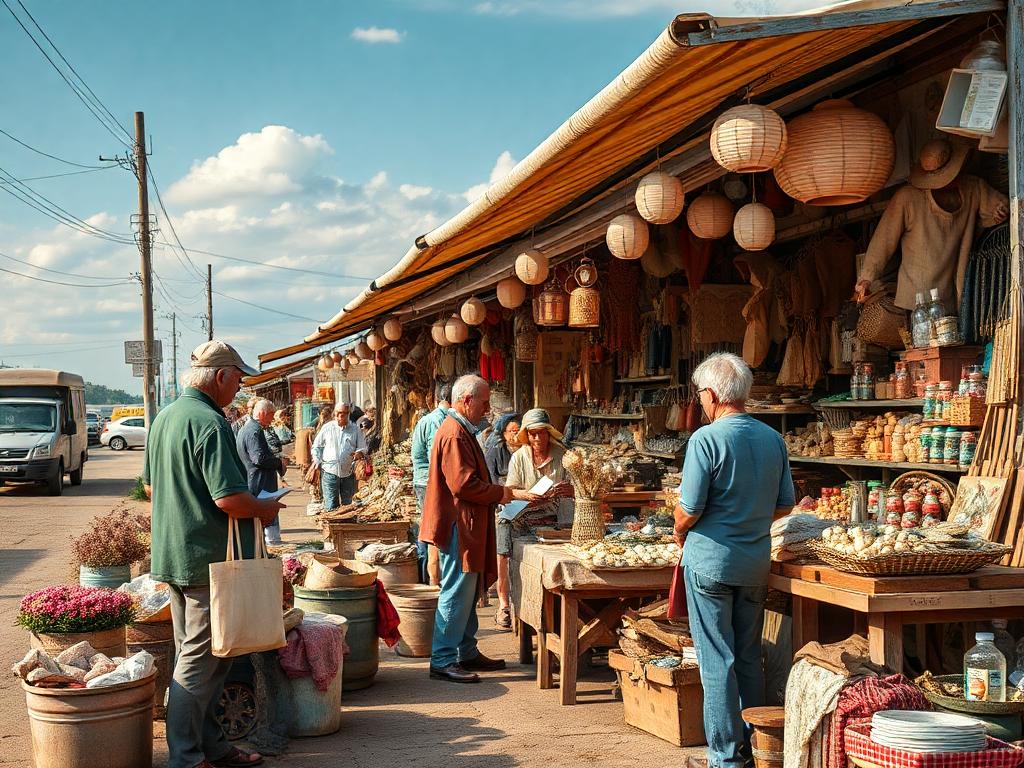
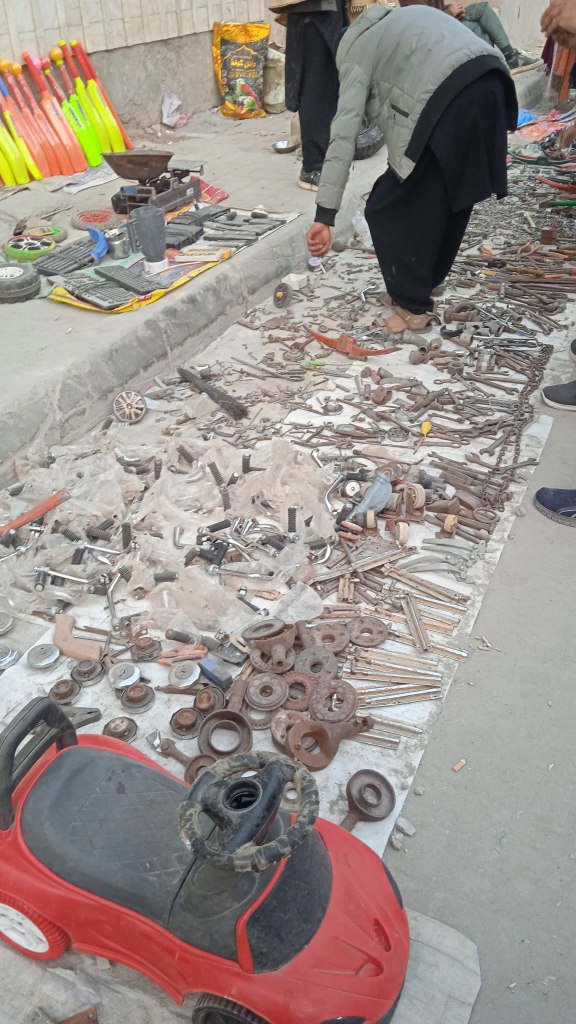
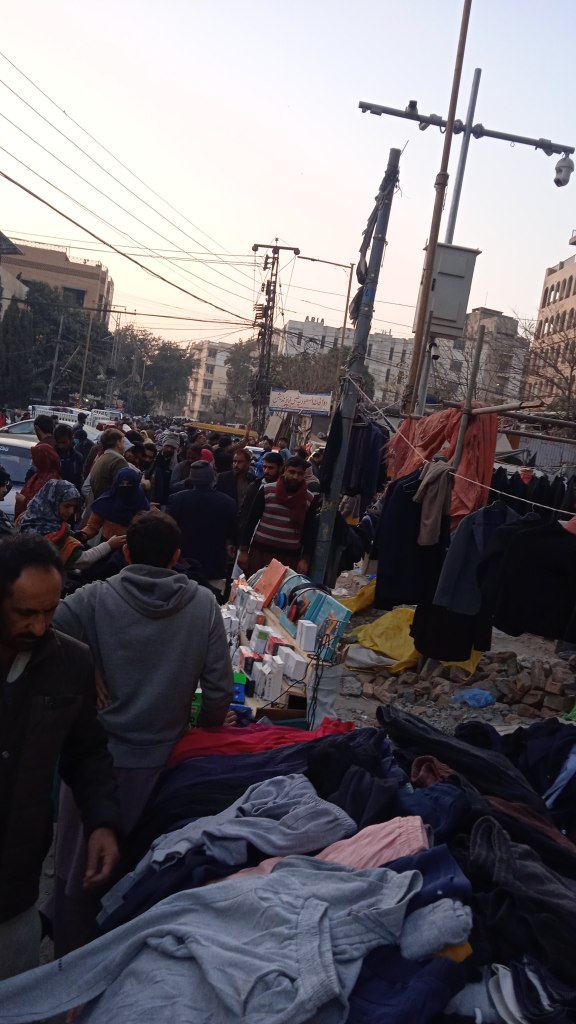
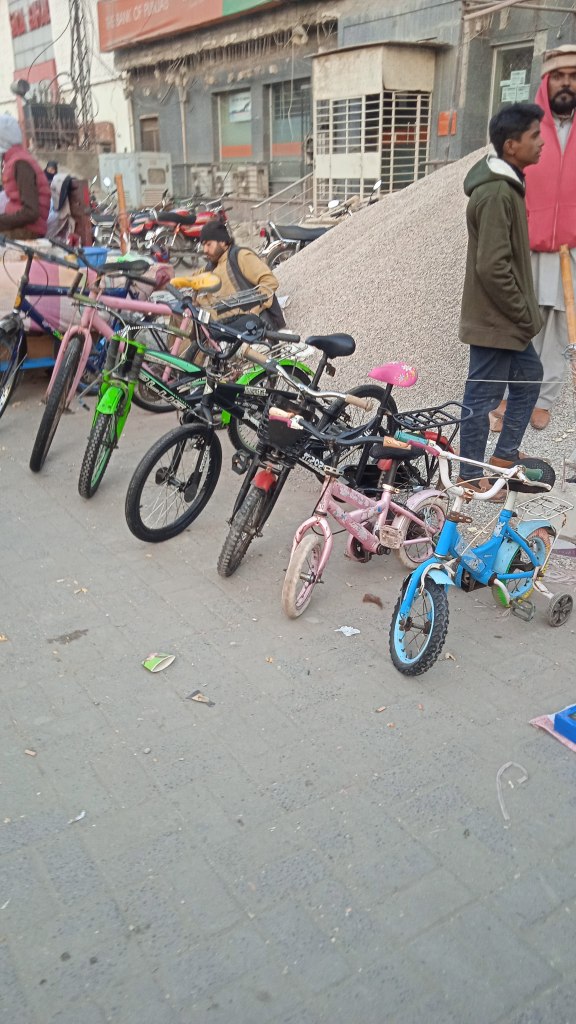
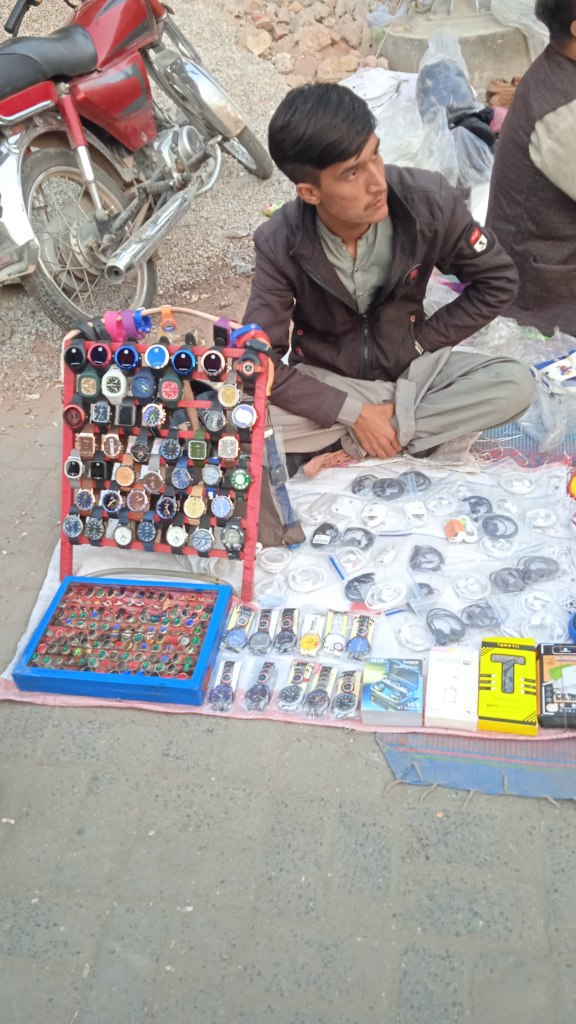
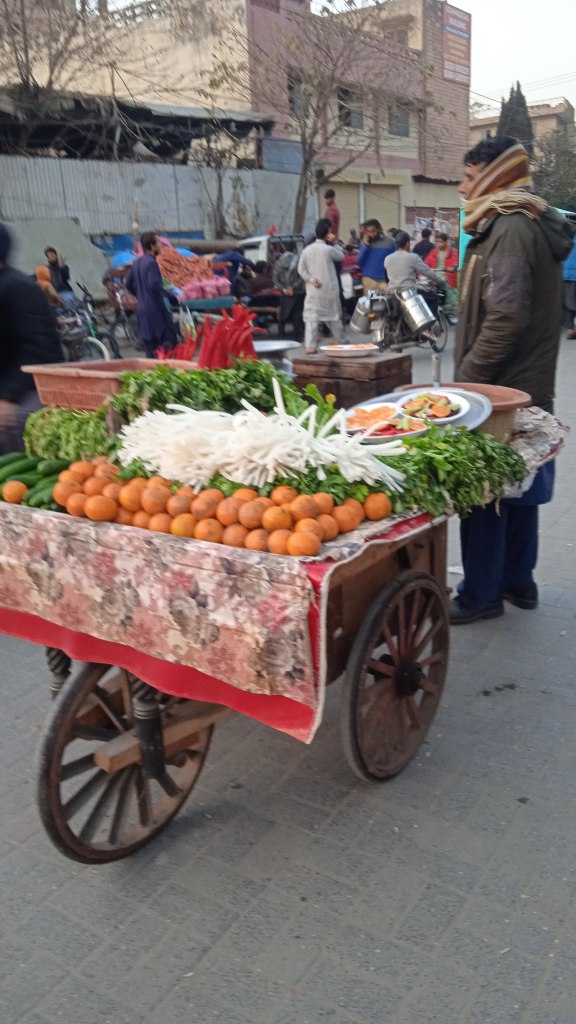
On a crisp Sunday evening, I embarked on an unforgettable journey to a bustling roadside market, the kind of place where the essence of community thrives and treasures, both old and new, await discovery. This vibrant bazaar, sprawling across a few chaotic yet colorful streets, offered an eclectic mix of goods—from antique collectibles to modern gadgets—all laid out on simple pieces of cloth in front of the shopkeepers. It was a sight to behold and an experience to cherish. The place is known as Juma Bazar in the old city of Rawalpindi (Pakistan).
A Symphony of Sounds and Sights

As I stepped into the market, the cacophony of life enveloped me. Vendors shouted out their prices in rhythmic chants, hoping to outdo their neighbors. The aroma of freshly fried snacks mingled with the scent of old leather and wood. Hawkers pushed carts laden with roasted corn, candy, and steaming cups of tea, catering to hungry shoppers.

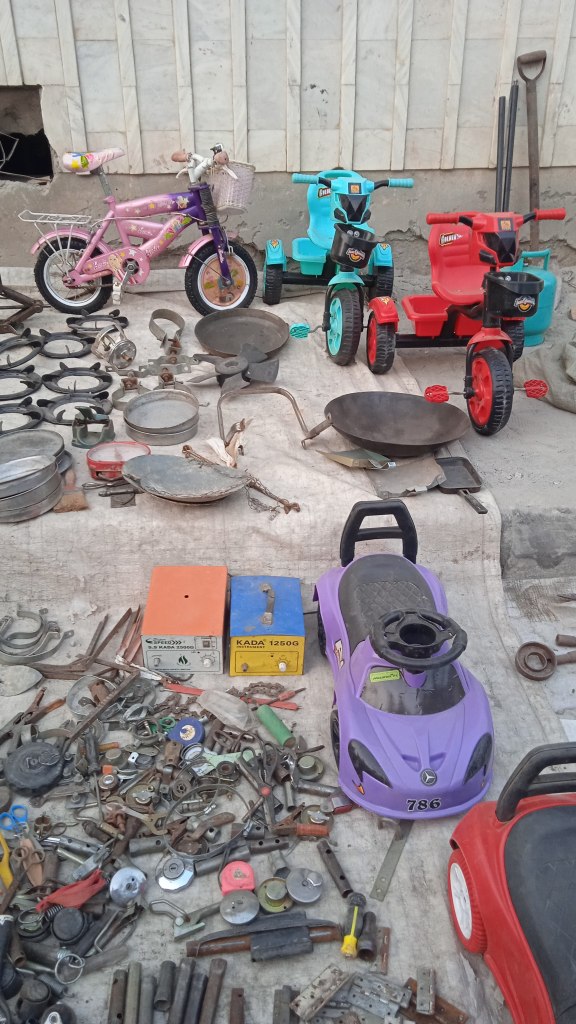
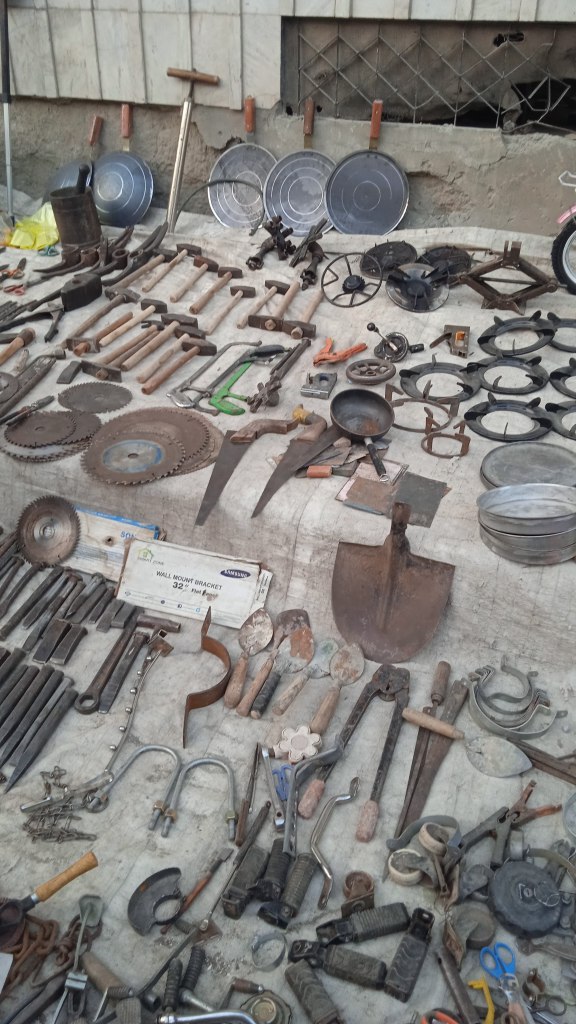
The market was a mosaic of items. One vendor displayed tarnished brass utensils, their aged patina whispering stories of bygone eras, while another showcased pristine kitchenware that gleamed in the dying evening sun. Nearby, a man sold building materials—rusty nails, screws, and tools—likely salvaged and ready for a second life.

Treasures for All

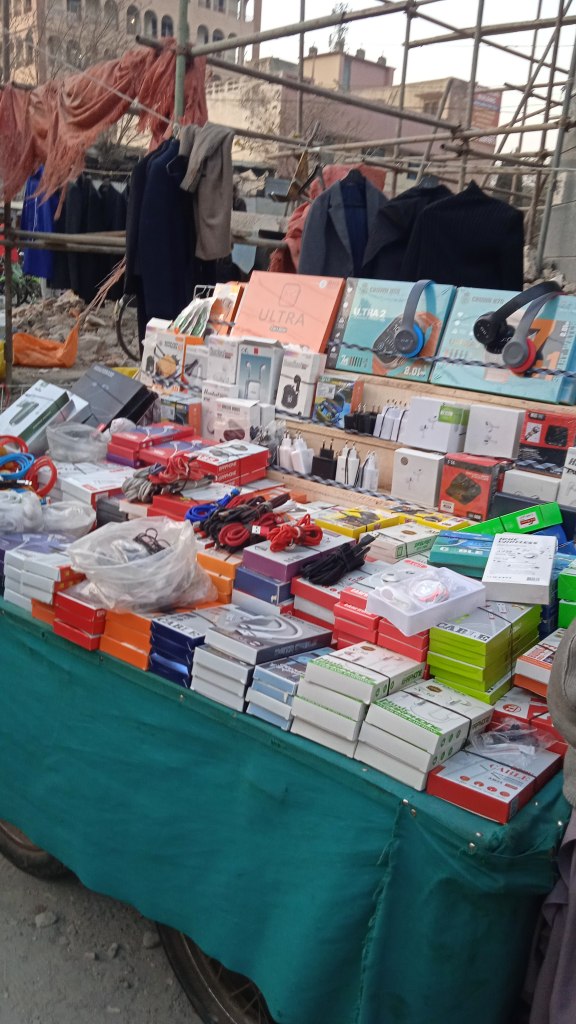
The variety was astounding. A little further down, I found a vendor selling colorful, second-hand toys. Children tugged at their parents’ sleeves, begging for dolls, action figures, or puzzle sets. Next to them was a display of electronics: outdated DVD players, long discs from the 70s, quirky alarm clocks, (false) silver and gold chains and even an assortment of phone chargers that seemed to fit every model ever made.

Clothes and shoes dominated another section, where rows of jeans, dresses, and sneakers were piled high. Shoppers sifted through the garments, hunting for bargains. The air buzzed with negotiations as customers haggled passionately for the best price.

A Collector’s Paradise

For collectors, this market was a haven. Vintage wristwatches, old vinyl records, weathered books, and antique coins were meticulously arranged on makeshift stalls. One vendor’s collection of old cameras caught my eye. He spoke with pride about their history, showing me a decades-old Polaroid that still worked.

A Feast for the Taste Buds

After hours of exploration, I gave in to the tempting aromas wafting through the air. The food vendors here were just as diverse as the goods. I relished a plate of spicy chaat, followed by a sweet, syrupy jalebi. Nearby, a hawker sold fresh sugarcane balls (gander), which offered a refreshing reprieve from the sun.

People Watching: The Heart of the Market

One of the best parts of my visit was watching the people. There were families out for a weekend adventure, seasoned bargain hunters who knew the market’s every nook, and tourists like me, wide-eyed and marveling at the sheer scale of it all. Each person had their own story and reason for being there, adding to the vibrant tapestry of the market.

A Global Perspective

Markets like these are universal, yet unique. In Morocco, you might find souks brimming with spices and textiles; in Thailand, floating markets offer goods from wooden boats. But the charm of this roadside bazaar lay in its raw authenticity. It wasn’t polished or curated; it was a living, breathing entity where the past and present coexisted.

Why You Should Visit

If you ever find yourself near a market like this, don’t hesitate to dive in. It’s more than just a shopping experience; it’s a window into the culture, history, and everyday life of a community. Share this story with friends who love unique experiences and leave a comment about your own market adventures. Let’s celebrate these timeless hubs of human connection and commerce together.
The Architectural Brilliance of Jaulian: A Buddhist Sanctuary in Pakistan

Visiting the ancient ruins of Jaulian, located near Taxila in Pakistan, is a journey through time, revealing the grandeur of Buddhist architecture from centuries past. This site, perched on a hill, showcases the remains of a Buddhist monastery dating back to the 2nd century CE, making it one of the oldest and most significant religious complexes in the region.

As I explored the sprawling ruins, I was captivated by the intricate pathways and expansive verandas that once served as communal spaces for monks. The layout included study halls and living quarters, which provided insight into the daily lives of those who inhabited this majestic site.

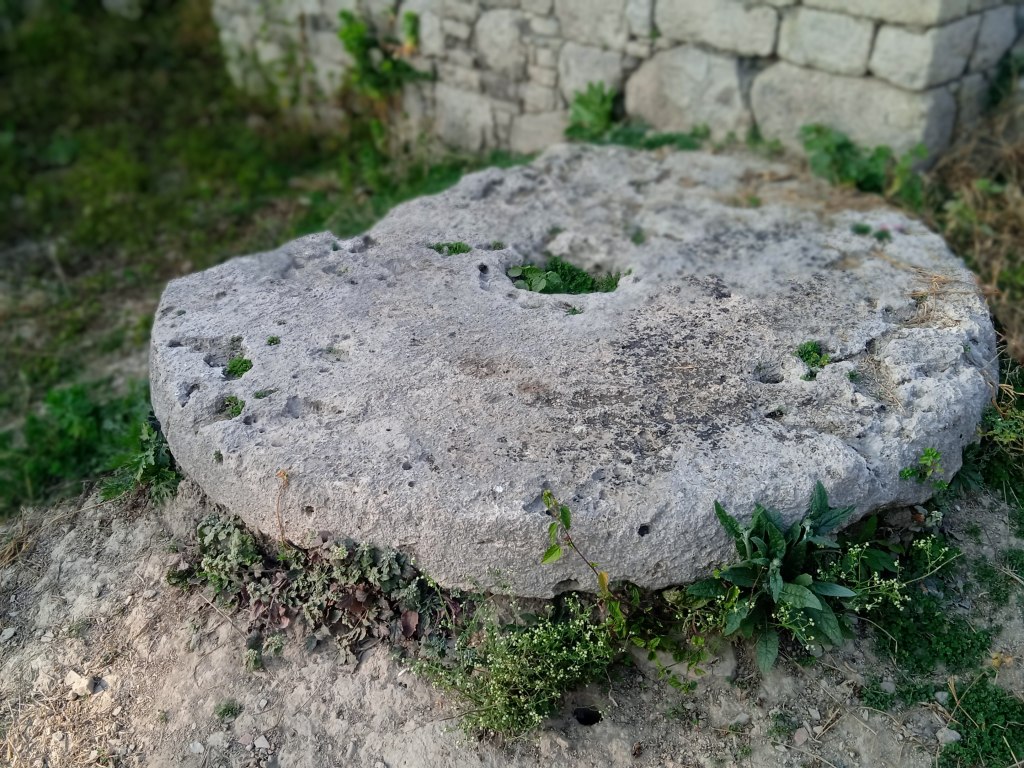
The presence of hand-carved statues of Buddha and his disciples adds a spiritual dimension to the experience, evoking a sense of reverence for the craftsmanship that has withstood the test of time. Among the remarkable features is a manual grinding mill, whose upper part is still visible today. This ancient apparatus was essential for grinding wheat or rice etc. into flour, highlighting the self-sufficiency of this monastic community. The remnants of kitchens and water wells further illustrate how these monks thrived in harmony with their environment.

The scenic beauty surrounding Jaulian enhances its allure. Nestled amidst lush greenery and rolling hills, the site offers breathtaking views that complement its historical significance. The serenity of the landscape invites reflection on the lives of those who once walked these paths. The architectural brilliance displayed at Jaulian is a testament to the skill and dedication of its designers and builders. Their ability to create such an enduring structure, which served as a center for learning and spirituality, deserves high praise. The meticulous attention to detail in every carving and layout reflects a deep understanding of both form and function.

In summary, my visit to Jaulian was not just an exploration of ruins but a profound encounter with history, art, and nature—a true celebration of human achievement in ancient times.

An Evening in Ashgabat’s Independence Park: A Timeless Memory

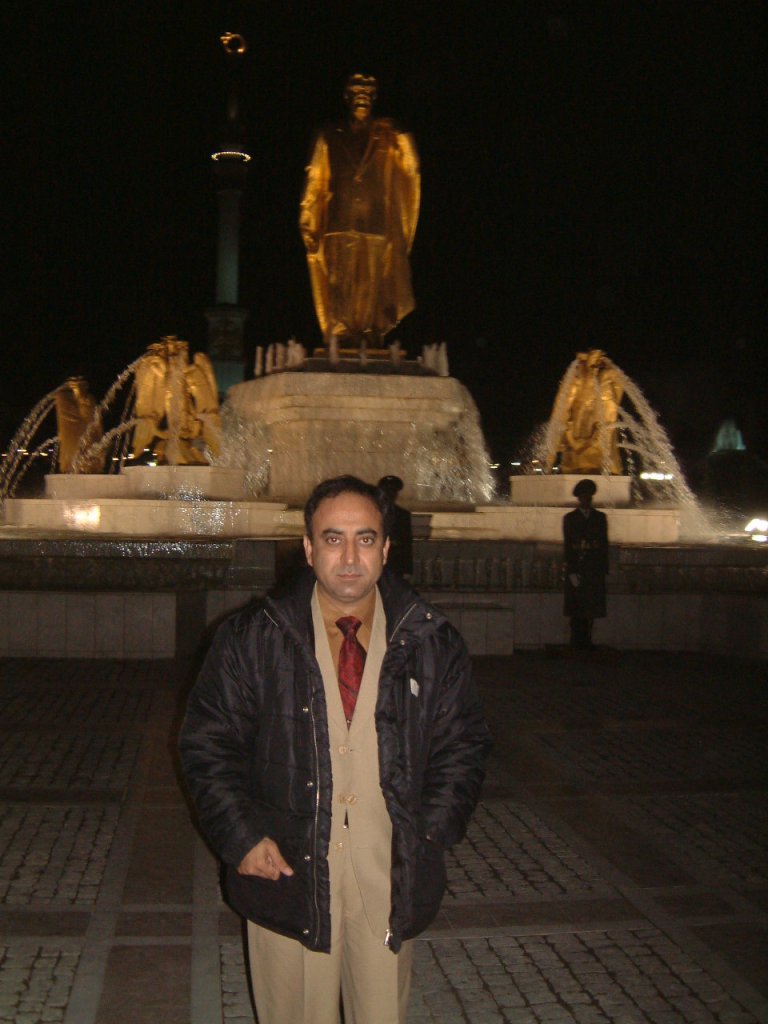
In late November 2003, I found myself in Ashgabat, the radiant capital of Turkmenistan, on a chilly evening. Though the air was crisp, my excitement to explore this extraordinary city kept me warm. Little did I know, the experience awaiting me at Independence Park would leave an indelible mark on my heart and soul.

As I arrived at the park around 10 PM, I was struck by its brilliance. Despite the late hour, the entire park was bathed in light, radiating an enchanting glow that seemed to erase the chill of the night. The meticulously arranged lights illuminated every corner, casting a golden sheen over the sprawling grounds, elegant walkways, and towering monuments. It was as if the park itself was alive, telling a story of Turkmenistan’s pride and history.

The fountains, illuminated in hues of blue and gold, danced gracefully in the night, their rhythmic sprays catching the light in a mesmerizing display. Waterfalls cascaded gently nearby, their soothing murmurs creating a serene soundtrack to the visual splendor. Each step revealed a new wonder—ornately carved monuments of Turkmenistan’s great elders stood as silent sentinels, their presence evoking a sense of reverence and history. The atmosphere was nothing short of magical, a perfect blend of tranquility and grandeur.

What truly elevated the experience was the serenity of the place. Despite its grandeur, the park was peaceful, inviting me to reflect and marvel. The locals, friendly and warm, passed by with polite nods, embodying the hospitality Turkmenistan is renowned for. The pride they take in their culture and heritage is evident in every detail of this majestic park.

Ashgabat itself is a city of contrasts—modern yet steeped in tradition. Its cleanliness, unique architecture, and welcoming people make it a destination unlike any other. Independence Park is its crowning jewel, a place where history and modernity blend seamlessly.

As I reluctantly left the park that night, I carried with me not just memories but a longing to return. The experience was not just a visit; it was a journey through the soul of Turkmenistan—a journey I wholeheartedly recommend to anyone seeking beauty, tranquility, and inspiration.

If you’ve ever dreamed of visiting a place that feels like stepping into a storybook, Independence Park in Ashgabat is it. I invite you to experience its magic for yourself. Click like, comment below, and share this article to inspire others to discover this breathtaking destination!

Forgotten Wonders of Ancient Architecture: Peshawar’s Central Asian Influences

Peshawar: A Timeless Gem of Ancient Architecture

Nestled in Pakistan, the city of Peshawar stands as a testament to ancient architectural wonders shaped by Central Asian influences. One of South Asia’s oldest cities, Peshawar has long served as a cultural crossroads. Its unique architectural style has been deeply influenced by Persian, Afghan, and Turkic designs, blending Central Asian traditions with local aesthetics. The city’s ancient structures showcase intricate woodwork, grand arches, and geometric patterns emblematic of Central Asian architecture. For architecture lovers, Peshawar offers a rare glimpse into the craftsmanship that defines the region’s historical identity.

The Bala Hissar Fort: Central Asian Majesty in Stone

Bala Hissar Fort is among Peshawar’s most significant architectural landmarks. This ancient fortress, built during the 16th century under the rule of the Mughal Empire, exemplifies Central Asian fortification design. Thick, towering walls surround its perimeter, providing strategic protection and a striking visual impact. The fort’s structure incorporates large, arched gateways, decorative turrets, and expansive courtyards typical of Turkic and Persian styles. Notably, the fort’s design includes brickwork and tile mosaics reminiscent of Central Asian citadels. This ancient structure remains an awe-inspiring reminder of the architectural fusion that Peshawar has preserved for centuries.

Mahabat Khan Mosque: Persian and Mughal Architectural Fusion

Constructed in the 17th century, the Mahabat Khan Mosque is another gem illustrating Peshawar’s Central Asian architectural lineage. Named after the Mughal governor Nawab Mahabat Khan, the mosque reflects a combination of Persian and Mughal influences, with some unique Central Asian details. Its facade features ornate tile work and intricate floral patterns, recalling the styles seen in Samarkand and Bukhara. The mosque’s minarets are crafted in the Persian tradition, towering elegantly above the city, while the spacious courtyard and domed prayer halls are influenced by the grand Mughal style. This blending of cultures makes the Mahabat Khan Mosque a fascinating piece of architectural heritage.

Sethi House Complex: A Fusion of Central Asian Craftsmanship

In Peshawar’s old city, the Sethi House Complex, built in the 19th century by the wealthy Sethi family, is an exceptional example of Central Asian-influenced residential architecture. The houses are known for their detailed wooden carvings, latticework, and stained glass, elements closely associated with Central Asian craftsmanship. These homes feature courtyards that mimic the Persian charbagh (four-part) garden design and rooms with intricate wood panels and painted ceilings. The Sethi House Complex highlights how Central Asian artistry has been integrated into the city’s architectural fabric, offering visitors a look at the domestic elegance that flourished during Peshawar’s golden age.

The Qissa Khwani Bazaar: Where Cultural Exchange Meets Architecture

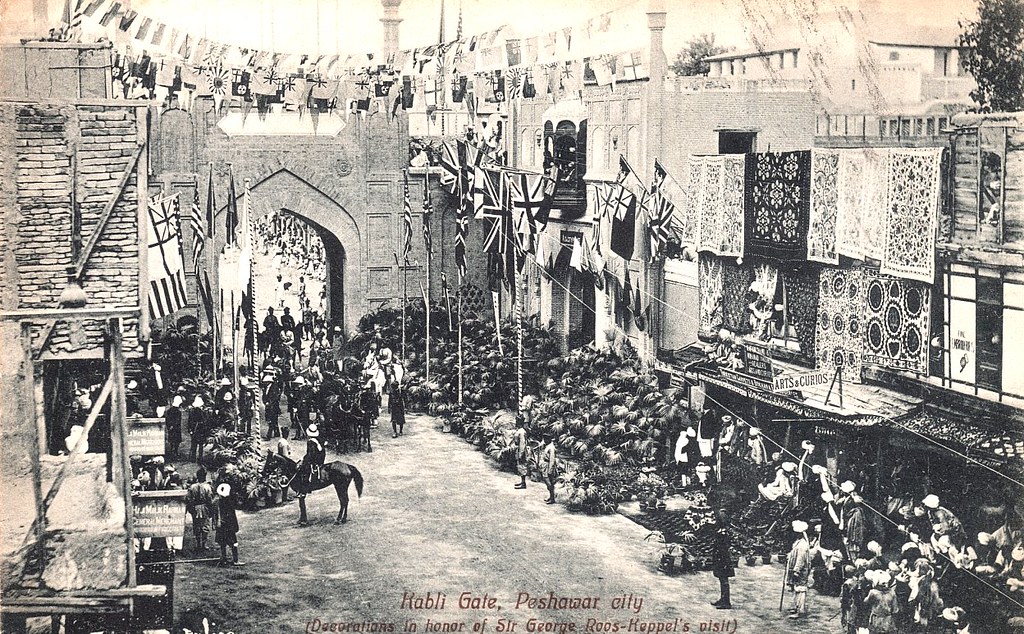
The historic Qissa Khwani Bazaar, also known as the “Bazaar of Storytellers,” has been a center for trade and cultural exchange since the Silk Road era. The architectural style of this market reflects influences from Persian and Central Asian bazaars, featuring arched doorways, carved wooden facades, and high ceilings that allow air circulation, perfect for the region’s hot climate. The traditional shops have maintained their ancient designs, and the bazaar itself offers an immersive experience for anyone interested in ancient architecture. This place remains a powerful symbol of the Central Asian influence on Peshawar, representing centuries of trade and cultural interaction.

Architectural Legacy and Central Asian Roots in Peshawar

Peshawar’s architectural marvels are enduring legacies of the city’s historical ties with Central Asia. The shared cultural history is evident in Peshawar’s buildings, which embody both resilience and artistry. Many of these structures, from forts to mosques to homes, carry the hallmarks of Central Asian architecture, including elaborate woodwork, geometric tile patterns, and Persian-influenced courtyards. For lovers of ancient architecture, Peshawar is not just a city but a living museum, preserving the remnants of a Central Asian aesthetic.

Conclusion: Preserving Ancient Architecture in Modern Times

While Peshawar’s architecture is a significant cultural treasure, efforts to preserve these structures are crucial. The impact of urbanization and environmental factors threatens the architectural heritage that has defined this city for centuries. Continued preservation efforts can ensure that Peshawar’s Central Asian-influenced architecture remains for future generations to appreciate and study. As global interest in ancient architecture grows, Peshawar stands as a captivating example of cultural fusion and historic beauty, inviting visitors and architecture enthusiasts alike to explore its forgotten wonders.

Cultural Festivals in Japan: A Celebration of Tradition and Diversity

Japan, a country known for its rich cultural heritage and deep-rooted traditions, is home to a plethora of festivals that reflect its history, beliefs, and community spirit. These festivals, known as “matsuri,” are celebrated throughout the year and provide a unique window into the country’s vibrant culture. Among the many festivals, a few stand out for their grandeur, historical significance, and the way they bring communities together.

1. Gion Matsuri (Kyoto)

Gion Matsuri is arguably the most famous festival in Japan, held annually in Kyoto during the entire month of July. It dates back to 869 AD when it was first celebrated to appease the gods during a time of plague and natural disasters. The highlight of Gion Matsuri is the grand procession of floats, known as “yamaboko junko,” which takes place on July 17 and 24.

Each float, meticulously crafted and decorated with traditional tapestries and artifacts, represents a different district in Kyoto. Participants dressed in traditional attire pull the floats through the streets, accompanied by music and chanting. The festival also features various events, including traditional music and dance performances, tea ceremonies, and special shrine rituals. Gion Matsuri is a celebration of Kyoto’s rich history and artistic heritage, attracting thousands of visitors from around the world.

2. Awa Odori (Tokushima)

Awa Odori, held in Tokushima City on Shikoku Island from August 12 to 15, is Japan’s largest dance festival. It originated during the 16th century and is characterized by its energetic and rhythmic dance known as “Awa Odori” or “fool’s dance.” Participants wear traditional summer kimono, straw hats, and wooden clogs, dancing through the streets to the lively sounds of shamisen (a traditional Japanese string instrument), taiko drums, and flutes.

The dance movements are exuberant and free-spirited, encouraging both performers and spectators to join in the festivities. Awa Odori’s inclusive nature and joyous atmosphere make it a celebration of community and shared joy, reflecting the spirit of Japanese festivals.

3. Nebuta Matsuri (Aomori)

Held from August 2 to 7 in Aomori City, Nebuta Matsuri is known for its spectacular illuminated floats, called “nebuta,” which are paraded through the streets at night. These floats, made of painted washi paper and lit from within, depict scenes from Japanese folklore, kabuki theater, and historical events.

Accompanied by the music of taiko drums, flutes, and chanting, the floats create a mesmerizing visual and auditory experience. Dancers, known as “haneto,” dressed in traditional costumes, perform energetic routines around the floats, adding to the festival’s dynamic atmosphere. Nebuta Matsuri is a feast for the senses, showcasing the artistic and creative prowess of the Aomori community.

4. Tanabata Matsuri (Sendai)

Tanabata Matsuri, also known as the Star Festival, is celebrated in Sendai from August 6 to 8. The festival is based on a Chinese legend about the celestial lovers, Orihime and Hikoboshi, who are separated by the Milky Way and can only meet once a year on the seventh day of the seventh month.

The streets of Sendai are adorned with colorful streamers and paper decorations, symbolizing the wishes of the festival-goers. These decorations hang from bamboo poles, creating a canopy of vibrant colors and intricate designs. Tanabata Matsuri also features parades, traditional music, dance performances, and food stalls offering local delicacies. The festival is a blend of myth, art, and community celebration, highlighting the cultural richness of Sendai.

5. Kanda Matsuri (Tokyo)

Kanda Matsuri, one of Tokyo’s three major festivals, is held in mid-May in honor of the Kanda Myojin Shrine. The festival dates back to the Edo period and is celebrated with a grand procession of portable shrines, known as “mikoshi,” through the streets of central Tokyo.

Participants, dressed in traditional attire, carry the mikoshi, which are believed to house deities, to bring blessings and prosperity to the local community. The procession is accompanied by traditional music, dance, and martial arts displays. Kanda Matsuri is a vibrant celebration of Tokyo’s history and religious traditions, drawing large crowds of both locals and tourists.