William Shakespeare’s Hamlet is an intricate tapestry of themes, character dynamics, and wit, where even the most trivial-seeming dialogues are loaded with profound significance. Among the numerous memorable lines is Polonius’ famous assertion: “Brevity is the soul of wit, and tediousness the limbs and outward flourishes.” This phrase is often quoted as a celebration of conciseness, but in the context of Hamlet, its satirical undertones expose much about Polonius’ character and Shakespeare’s use of dramatic irony.
The Context of Polonius’ Statement
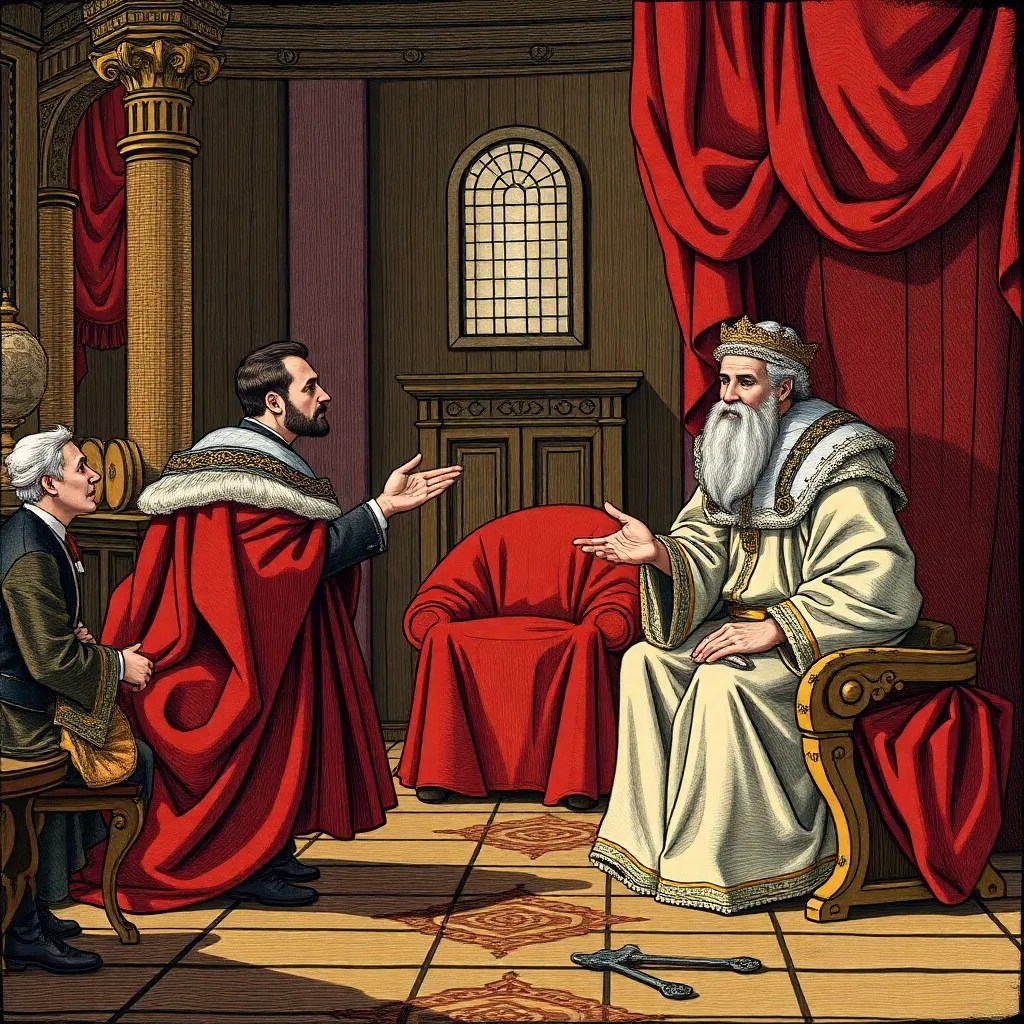
Polonius, the verbose and often self-important courtier, utters this line in Act II, Scene II, while addressing King Claudius and Queen Gertrude. Ironically, Polonius is anything but brief as he rambles on about Hamlet’s perceived madness. His overly long and convoluted speech directly contradicts the very principle he is attempting to espouse, thereby creating a layer of humor and satire that audiences and readers have enjoyed for centuries.
The Satirical Irony Behind Polonius’ Words
Polonius as a Parody of Wisdom Polonius frequently tries to appear wise and insightful, but his actions often undermine his words. His declaration about brevity is an inadvertent satire of himself, as he indulges in the very tediousness he criticizes. Shakespeare portrays Polonius as a pompous character who believes his verbosity signals intelligence, making him a comical figure rather than a sage advisor.
Critique of Court Etiquette Shakespeare uses Polonius to satirize the culture of courtly sycophancy and pretentiousness. In Elizabethan society, verbose speeches and elaborate courtesies were the norm among courtiers trying to gain favor. Through Polonius, Shakespeare mocks this tendency, suggesting that true wit and wisdom lie in succinctness—a value Polonius neither practices nor embodies.
Dramatic Irony for the Audience The line is a masterstroke of dramatic irony. Polonius’ long-winded preamble to the King and Queen causes impatience, highlighting the gulf between his perception of himself and how others see him. The audience, in on the joke, laughs at his lack of self-awareness while also reflecting on the value of economy in language.
The Larger Theme: Wit and Human Folly
This line serves as a microcosm of one of Shakespeare’s enduring themes: the contrast between appearance and reality. Polonius appears wise and authoritative but is in fact shallow and foolish. Shakespeare’s subtle satire extends beyond the character to broader human folly—how often do people preach virtues they themselves fail to practice?
Modern Relevance of Polonius’ Satire
In today’s world of endless speeches, verbose emails, and social media posts, Polonius’ declaration is more relevant than ever. The phrase reminds us of the value of clarity and brevity in communication. Yet, like Polonius, many of us fall prey to overexplaining, leading to unintentional humor or miscommunication.
By analyzing Polonius’ dialogue, we see how Shakespeare expertly layers comedy with critique. The humor makes the message memorable, and the critique prompts self-reflection. Polonius’ paradoxical wit reminds us that sometimes, the loudest advocates of wisdom can unwittingly become its greatest jesters.
Do you see traces of Polonius in modern society—leaders, writers, or influencers who contradict their own advice? Share your thoughts in the comments! And if this literary dive into Shakespeare’s wit intrigued you, don’t forget to like and share this article with fellow literary enthusiasts.
John Steinbeck’s The Pearl is a novella that masterfully explores themes of greed, class division, human nature, and the consequences of ambition. Set in a small coastal town in Baja California, Mexico, the story follows Kino, a poor pearl diver, and his family as they encounter both hope and tragedy when Kino discovers a magnificent pearl, the “Pearl of the World.” The novella’s brevity and symbolism make it a powerful work that resonates with readers on multiple levels. In this article, we will delve into one special element of The Pearl—the transformative and corrupting influence of the pearl itself—and examine how it becomes a central symbol of the story.
The Discovery of the Pearl
The plot of The Pearl revolves around Kino’s discovery of an unusually large, lustrous pearl while diving for oysters. Kino, a poor but contented man, dreams of a better life for his family. The pearl promises to be the means to achieve those dreams. It is seen as a symbol of hope and possibility—a means to pay for his son Coyotito’s education, marry his wife Juana in a church, and improve their living conditions. Kino is consumed by the prospect of a brighter future, and initially, the pearl seems to represent a new beginning.
However, it soon becomes evident that the pearl’s influence is more insidious than Kino could have imagined. While it initially appears to be a symbol of hope and opportunity, it quickly becomes a source of conflict and destruction, both within Kino’s family and in the wider community.
The Corruption of Kino
One of the most striking elements of The Pearl is the way in which Kino’s character is gradually transformed by the pearl. Kino begins as a simple, hardworking man, motivated by the desire to provide for his family. Yet, as the story progresses, the pearl changes him. His desire for wealth grows more intense, and his actions become increasingly irrational. He becomes paranoid, distrustful, and violent.
Kino’s transformation is reflected in his behavior towards his wife, Juana. At the beginning of the novella, Kino and Juana have a loving and supportive relationship. They are partners in their struggles, sharing a sense of unity and purpose. However, as Kino becomes consumed by the pearl, he begins to ignore Juana’s warnings and suggestions. Juana, who initially sees the pearl as a blessing, soon recognizes its dangerous influence and urges Kino to throw it away. She sees that the pearl is no longer a symbol of hope, but a symbol of evil. Kino, blinded by his greed, refuses to listen to her. He is determined to keep the pearl, no matter the cost.
Kino’s descent into violence is marked by his willingness to harm others to protect the pearl. He attacks those who would take it from him, even resorting to killing in the process. This transformation from a humble, hard-working man to a violent and obsessed figure illustrates the corrupting influence of wealth and the dangers of allowing material possessions to define one’s identity and priorities.
The Pearl as a Symbol
The pearl itself is the central symbol in the novella, representing not just wealth, but the destructive power of greed. Steinbeck uses the pearl to highlight how the pursuit of material gain can corrupt individuals, families, and entire communities. Kino’s obsession with the pearl reflects a universal human tendency to become consumed by desires and ambitions, often at the expense of one’s integrity and relationships.
At first, the pearl represents the promise of a better life. However, as Kino’s desire for the pearl grows, it comes to symbolize the darker aspects of human nature—greed, envy, and pride. Kino’s initial dream of improving his family’s life is overtaken by his obsession with acquiring more and more wealth, and the happiness he hopes to find turns into sorrow and tragedy. The pearl, once a symbol of hope, becomes a curse, and its true value is revealed to be much less than its cost.
The local townspeople, who initially celebrate Kino’s discovery, also fall prey to the pearl’s corrupting influence. They all become obsessed with the potential fortune Kino can acquire and view him through the lens of their own desires. The doctor, who refuses to treat Kino’s son Coyotito’s scorpion sting until he learns of the pearl’s existence, becomes a symbol of how greed can distort human compassion. The priest, the dealers, and the trackers who pursue Kino are all driven by the pearl’s promise of wealth, reflecting the widespread impact of materialism.
The Tragic Conclusion
The tragic end of The Pearl underscores the novella’s powerful moral lesson. After Kino’s violence and the death of his son, Coyotito, Kino comes to realize that the pearl has brought nothing but pain and destruction to his life. In the final act of the novella, Kino and Juana, now devastated by the loss of their son, make the decision to throw the pearl back into the sea. This act of abandoning the pearl signifies Kino’s recognition that his greed has cost him everything. It is a moment of profound insight, but it comes too late to reverse the damage that has been done.
The conclusion of the novella reveals that true wealth lies not in material possessions but in the things that cannot be bought—love, family, and peace of mind. Kino’s ultimate rejection of the pearl serves as a poignant reminder of the dangers of materialism and the importance of retaining one’s humanity in the face of temptation.
Conclusion
In The Pearl, John Steinbeck presents a timeless tale about the corrosive effects of greed and the moral lessons that can be learned from the pursuit of wealth. The pearl itself is a powerful symbol of both hope and destruction, and its role in the story highlights the dangers of letting material desires overshadow the values that truly matter in life. Through Kino’s journey, Steinbeck asks us to reflect on our own values and the costs of our ambitions. In the end, The Pearl is a cautionary tale that reminds readers of the fragile nature of happiness and the destructive potential of unchecked greed.
Research shows that spending time in nature has a positive impact on both the mind and body. Known as “ecotherapy” or “nature therapy,” the practice involves immersing oneself in natural surroundings to promote healing and well-being. Studies have demonstrated that exposure to green spaces and natural environments can lower cortisol levels, the body’s primary stress hormone, leading to a reduction in overall stress. Moreover, nature has the ability to restore mental energy, improving concentration, creativity, and focus.
Key Mental Health Benefits of Nature:
Reduced Anxiety and Stress: Nature helps lower stress levels by promoting relaxation and providing an escape from the constant stimulation of modern life.
Improved Mood: Outdoor activities like hiking, camping, and gardening have been shown to enhance mood and boost feelings of happiness.
Enhanced Cognitive Function: Time spent outdoors can sharpen attention, memory, and creativity, making nature an effective tool for boosting cognitive function.
How Outdoor Adventures Help
Whether you’re exploring the wilderness, practicing yoga in the park, or simply sitting by a river, outdoor adventures offer a variety of ways to connect with nature and reap its mental health benefits.
Hiking and Walking in Nature: Hiking through forests, mountains, or along scenic trails is an excellent way to engage with nature and get moving. Physical exercise in natural settings increases the production of endorphins, the brain’s “feel-good” chemicals, and promotes mental clarity.
Mindfulness and Meditation: Practicing mindfulness in a quiet outdoor environment can help individuals focus on the present moment, reducing negative thoughts and anxiety. Nature’s soothing sounds, such as the rustling of leaves or the chirping of birds, enhance the experience, allowing individuals to relax deeply.
Gardening and Growing Plants: For many people, gardening offers a sense of purpose and connection to the earth. Tending to plants, flowers, or even growing food can improve feelings of accomplishment and boost mental well-being.
Camping and Disconnecting from Technology: Spending time in the great outdoors, away from the distractions of modern life, allows people to disconnect from screens and reconnect with themselves and nature. Camping provides an opportunity for solitude and reflection, fostering emotional healing.
Spending Time Near Water: Water has a calming effect on the mind. Activities like swimming, kayaking, or simply sitting by the beach or lake can help clear the mind and promote relaxation. Research has shown that being near water can reduce stress and anxiety levels.
Nature’s Role in Preventing Burnout
In today’s digital age, many people experience burnout due to the constant demands of work, social media, and family life. This chronic stress can lead to exhaustion, irritability, and a feeling of being overwhelmed. Taking regular breaks to immerse oneself in nature can act as a preventive measure against burnout. A quick walk in the park, a weekend hike, or even a short camping trip can be rejuvenating and help people reset mentally, improving their overall resilience to stress.
How Nature Combats Burnout:
Restores Mental Clarity: Nature provides a mental break, allowing individuals to step away from work-related stress and refresh their minds.
Promotes Physical Activity: Many outdoor activities require movement, which helps release pent-up tension and restores energy.
Encourages Social Connection: Group activities like hiking or group yoga in parks foster social bonds and provide a sense of community, which is essential for emotional support.
Nature’s Impact on Sleep
Good sleep is essential for maintaining mental health, and nature can play a significant role in improving sleep quality. Spending time outdoors during the day, especially in natural sunlight, helps regulate the body’s circadian rhythm, making it easier to fall asleep and wake up at appropriate times. Additionally, outdoor exercise can tire the body in a healthy way, leading to deeper, more restful sleep.
Nature’s Sleep Benefits:
Regulates Sleep Patterns: Exposure to natural light helps the body adjust to a healthy sleep-wake cycle.
Improves Sleep Quality: Physical activity and fresh air contribute to better, more restful sleep.
Reduces Insomnia: Outdoor activities like walking or hiking can help reduce insomnia symptoms and improve overall sleep duration.
Conclusion: Embrace the Outdoors for Better Mental Health
In a world increasingly dominated by screens and stress, it’s more important than ever to prioritize mental health. Nature offers a powerful remedy for many of the challenges we face today. Whether it’s hiking in the mountains, meditating by a lake, or simply breathing in fresh air in a local park, outdoor adventures provide a multitude of benefits that can improve mood, reduce anxiety, and promote overall mental well-being. By embracing the healing power of nature, we can take a step towards greater mental health and a more balanced, fulfilled life.
Nestled in the heart of Peshawar, Sukarno Square stands as a testament to the long-standing diplomatic ties between Pakistan and Indonesia. While Peshawar is celebrated for its rich history and cultural tapestry, this square adds a unique layer to its historical narrative, linking the city to a pivotal figure in Southeast Asia’s history—Indonesia’s founding father, Sukarno.
The Historical Context
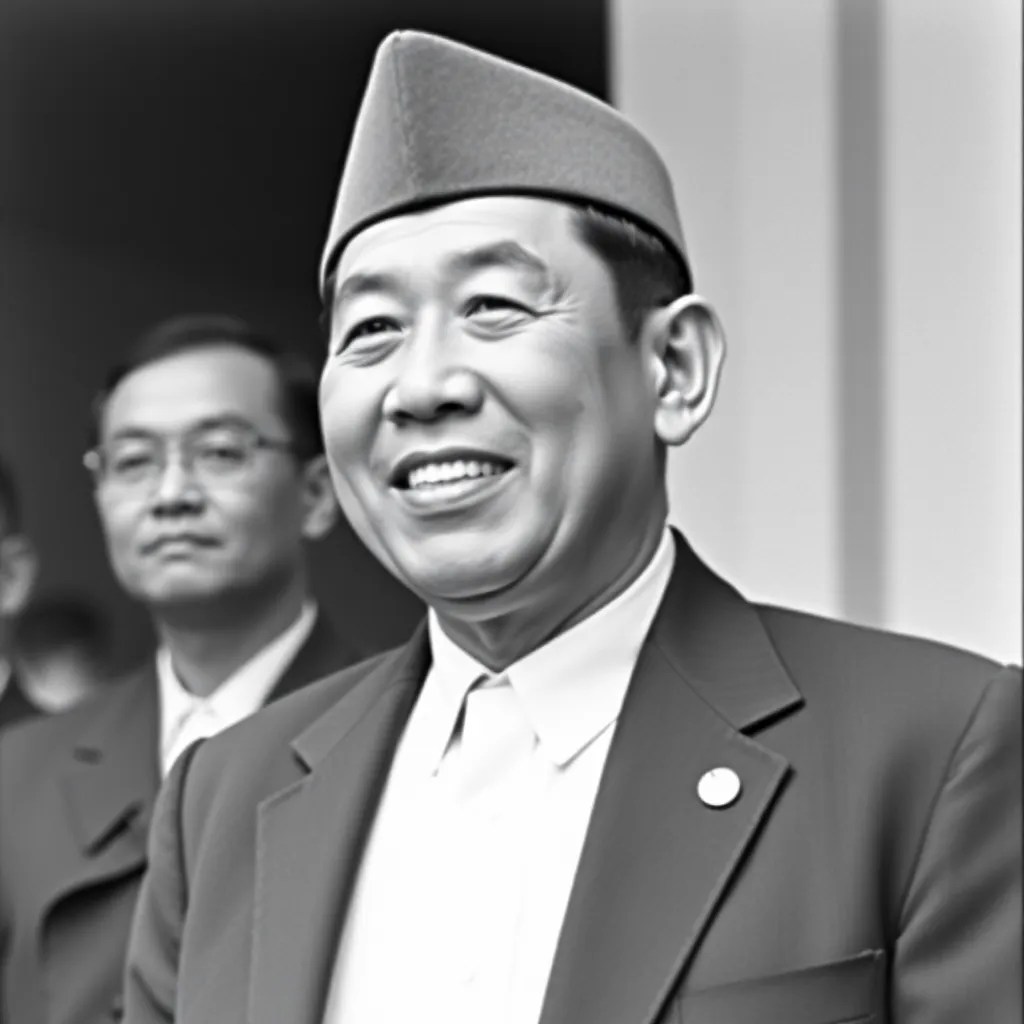
Sukarno Square is named after Dr. Sukarno, the first President of Indonesia and a leading figure in the anti-colonial movement during the mid-20th century. The square commemorates his visit to Pakistan in 1963, a gesture that highlighted the camaraderie and mutual respect between the two nations. Sukarno’s leadership in fostering unity among newly independent nations resonated deeply with Pakistan, which shared similar struggles in its fight for independence.
Architectural Features
Sukarno Square is marked by a minimalist yet symbolic design. At the center lies a modest monument adorned with inscriptions that reflect the shared aspirations of Indonesia and Pakistan for peace and cooperation. Surrounding the square, the vibrant cityscape of Peshawar comes alive with bustling markets and colonial-era buildings, creating a juxtaposition of the old and the modern.
Cultural and Diplomatic Significance
The square symbolizes the bond between two Muslim-majority nations that played active roles in the Non-Aligned Movement during the Cold War. Sukarno and Pakistan’s leaders shared a vision for a world free from colonial dominance, emphasizing solidarity among developing nations. This historical connection remains a source of pride and is celebrated through cultural exchanges and events held in Peshawar and Jakarta.
Sukarno Square in Contemporary Times
Today, Sukarno Square is a vibrant public space where locals and tourists alike gather. It serves as a reminder of Peshawar’s openness to global influences and its role in fostering international relations. Its location in the heart of Peshawar also makes it a focal point for community activities and a marker for navigating the city’s lively streets.
Preserving a Legacy
Efforts have been made to preserve the historical and cultural significance of Sukarno Square. Urban planners and historians in Peshawar advocate for maintaining the square’s charm while incorporating modern amenities. This ensures that it remains a hub of activity and a source of inspiration for future generations.
Conclusion
Sukarno Square is more than just a public space; it is a historical landmark that connects Peshawar with the broader narrative of global diplomacy and anti-colonialism. For visitors exploring Peshawar, a visit to this square offers a chance to reflect on the enduring values of friendship, mutual respect, and shared history between Pakistan and Indonesia. In a city teeming with stories, Sukarno Square stands out as a chapter that bridges nations and cultures, reinforcing Peshawar’s status as a city of historical and cultural convergence.
History has always been a vault of secrets, but nothing captivates us more than the mysteries of ancient cities lost to time. These forgotten marvels whisper tales of grandeur, innovation, and untimely demise. In this article, we delve into three enigmatic ancient cities that continue to puzzle archaeologists and inspire storytellers.
1. Mohenjo-Daro: The City of Dead
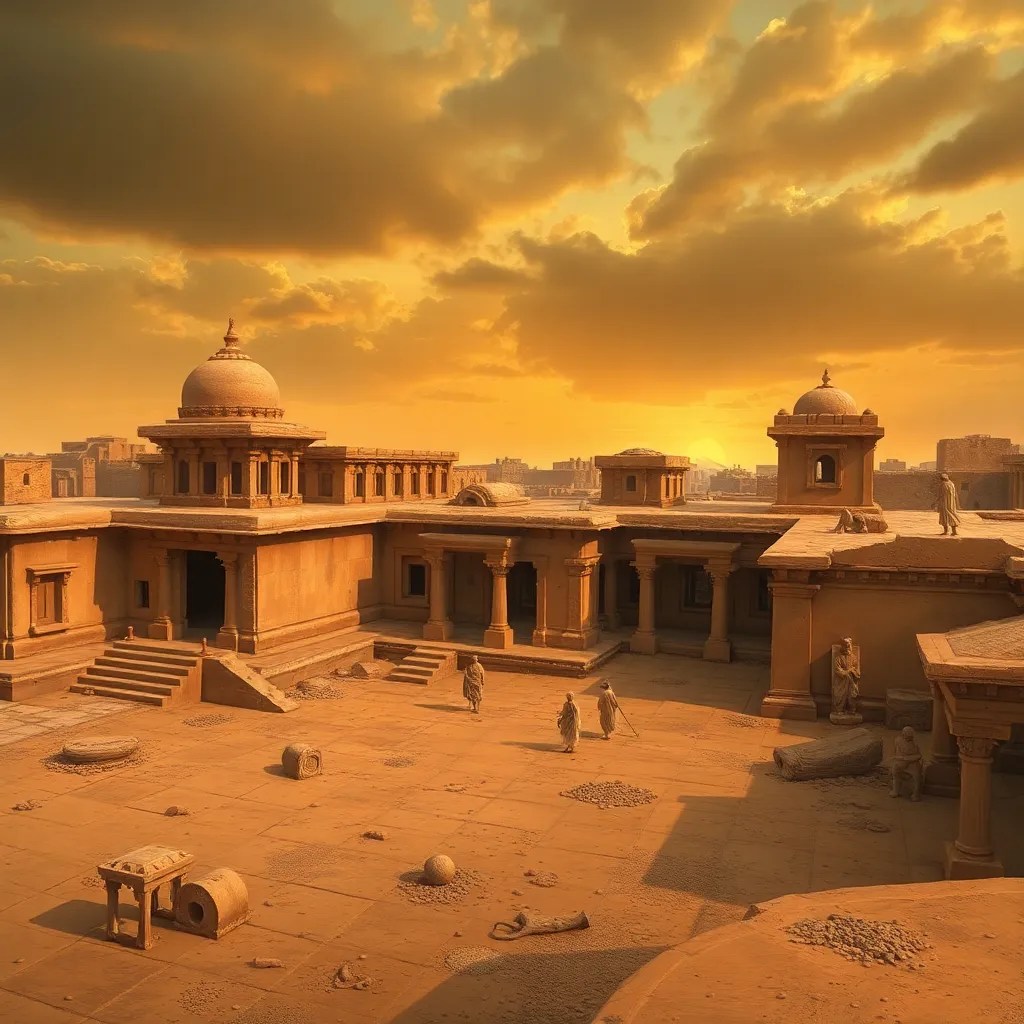
Hidden in the plains of present-day Pakistan, Mohenjo-Daro was a thriving metropolis of the Indus Valley Civilization, dating back to 2500 BCE. Known for its advanced urban planning, with straight roads, elaborate drainage systems, and granaries, the city’s sophistication rivals many modern developments. Yet, its sudden abandonment remains one of history’s greatest riddles. Was it climate change, an invasion, or something more mysterious? Recent findings of skeletons holding hands hint at an unexplained, cataclysmic event.
2. Derinkuyu: Turkey’s Underground Maze
Imagine a city entirely hidden underground. Located in Cappadocia, Turkey, Derinkuyu could house up to 20,000 people within its sprawling network of rooms, ventilation shafts, and hidden passageways. Used as a refuge during invasions, this subterranean city is a testament to human ingenuity. But its full purpose is still debated—was it merely a shelter, or did it serve a religious or ceremonial role?
3. Nan Madol: The Venice of the Pacific
Off the coast of Micronesia lies Nan Madol, a mysterious city built on over 100 artificial islets. Known for its basalt stone constructions, some weighing over 50 tons, the city was the political and ceremonial hub of the Saudeleur Dynasty. How ancient builders transported these stones across miles of ocean without modern tools remains a conundrum. Locals believe the site is haunted, adding an eerie allure to its enigmatic history.
The Allure of Forgotten Cities
These cities offer more than architectural marvels—they challenge our understanding of human capabilities and raise questions about our shared past. Could they hold secrets to lost knowledge or alternative histories?
Exploring these tales reminds us of our fleeting presence in the vast expanse of time. Hit like if these cities intrigue you, share the article to spark conversations, and leave a comment with your thoughts on which mystery fascinates you the most. Together, let’s uncover history’s most captivating enigmas!
The world of wearable technology is on the brink of a transformation, with smart rings poised to take center stage in 2024. While smartwatches have long dominated this space, the buzz at recent technology showcases like CES 2024 indicates a shift in consumer interest toward smaller, more versatile wearables.
Why Smart Rings?
Smart rings offer a compact and stylish alternative to traditional wearables. They integrate health tracking, connectivity, and control into a device that fits seamlessly onto your finger. Early models like the Oura Ring have already gained traction, particularly for their ability to monitor sleep, heart rate, and activity levels. However, new entrants, including the Amazfit Helio Ring and the Lotus Ring, are expanding the possibilities. The Lotus Ring, for example, functions as a controller for smart home appliances, illustrating the growing versatility of these devices.
Features to Watch For
Advanced Health Tracking: With capabilities like real-time stress monitoring and enhanced fitness tracking, smart rings are becoming indispensable for health-conscious users.
Discreet Design: Unlike bulky smartwatches, rings are subtle and fashion-forward, catering to users who prioritize aesthetics alongside functionality.
Enhanced Connectivity: These rings aim to streamline interactions with other devices, from smartphones to IoT-enabled home systems.
Challenges and Opportunities
While the technology is promising, there are challenges, such as battery life and the limited surface area for controls. Despite this, industry experts predict that smart rings could become as popular as smartwatches, thanks to their convenience and evolving capabilities.
In 2024, smart rings represent a fascinating intersection of technology and fashion, appealing to a broad demographic. With companies racing to innovate, they might soon become the next essential wearable for consumers everywhere.
In the heart of the Amazon rainforest, where the canopy is so thick that sunlight barely trickles through, a small tribe called the Arinava lived in harmony with the ancient trees, whispering rivers, and the spirits of their ancestors. They were a gentle people, deeply connected to the rhythms of the jungle, living off its fruits and wild game, and knowing nothing of the world beyond.
In this timeless place, legends were their compass, passed down from elders in the warm glow of the fire each night. One tale they held sacred was that of The Moonbird, a mystical creature said to bring messages from the spirit realm. It was as white as the full moon, with eyes that shimmered like stars, and feathers that glowed in the night.
One evening, a young boy named Ayu went to the river to fetch water. Ayu had always been curious and braver than the others, though it often got him into trouble. As he knelt beside the riverbank, he noticed a faint glow on the opposite shore. His heart skipped. There it was, perched on a branch—a large, luminous bird. He was sure it was the Moonbird of legend, watching him with eyes that seemed to see into his soul.
Ayu felt a tug on his heart, a quiet urging to follow. Stepping lightly so as not to startle the bird, he made his way across the river and deeper into the forest. The bird flew ahead, stopping every so often to make sure he kept pace. Hours seemed to melt away as Ayu ventured farther than he had ever gone, until he reached a small clearing he had never seen before.
In the center of the clearing lay a strange stone structure, partly covered in moss, with engravings unlike anything Ayu had ever seen. At the top of the structure was a peculiar mark—a circle with lines radiating outward, like the sun. Ayu sensed this was a sacred place, built by hands long forgotten.
As he stood in awe, the bird perched atop the stone and began to sing a low, haunting melody. Its voice was unlike anything Ayu had ever heard, filled with sorrow and hope, a song that resonated deep in his chest. Suddenly, he felt a warmth spreading through him, as if he was not alone, as if his ancestors stood beside him, watching over him.
The Moonbird fell silent, staring at Ayu with those star-like eyes, and then flew into the trees, disappearing into the night. Ayu stood for a long moment, feeling a strange peace, as if he had touched the edge of a mystery beyond understanding.
He returned to his village before dawn, carrying with him the memory of the Moonbird’s song and the mystery of the stone circle. Though he tried to tell his family what he had seen, they only smiled, thinking it was just another of Ayu’s stories. But Ayu knew it was real. From that day forward, he felt different—a little braver, a little wiser, and a little closer to the unseen world that lay hidden within the jungle.
In time, Ayu became a respected elder, the storyteller of his people. And every time he told the tale of the Moonbird, his eyes would gleam with a knowing light, inspiring younger generations to seek out the mysteries of their own. And thus, the legend grew, a small seed of wonder that would linger in the heart of the Arinava, as eternal as the Amazon itself.
The Use of Perfumes Worldwide: A Journey Through Time, Culture, and Scents
Perfumes have a long-standing role in human history, often representing status, cultural identity, and personal preference. From ancient Egypt to modern-day Paris, perfume has woven itself into the cultural fabric of societies worldwide. This article explores how perfumes have evolved, their diverse cultural meanings, and how the industry continues to captivate enthusiasts worldwide.
A Brief History of Perfume
The art of perfumery dates back over 4,000 years to Mesopotamia and Egypt. Early fragrances were crafted from oils and natural resins for spiritual and ceremonial purposes, as well as personal enjoyment. The Egyptians, notably, valued scents in their daily lives, and Cleopatra’s legendary allure was said to be heightened by her perfumes. Fast forward to the Roman Empire, where perfumes became symbols of luxury, traded across continents as coveted commodities.
Perfume and Cultural Significance
The significance of perfume varies across cultures:
Middle Eastern Traditions: Oud and other deep, woodsy scents are celebrated, often used in religious rituals and cultural gatherings. In regions like the Arabian Peninsula, fragrances are integral to hospitality, symbolizing honor and warmth.
European Heritage: France, the heart of modern perfumery, saw the development of classic perfumes that combined floral, citrus, and musky notes. Today, Grasse in France remains a world center for high-quality fragrance production.
Asian Essence: Countries like Japan and India cherish subtle scents. Japanese culture, with a deep appreciation for nature, embraces light, minimalistic fragrances in their daily lives, while India’s traditional attars emphasize rich, earthy notes from native florals like jasmine and tuberose.
The Science and Art of Perfume Composition
Perfume creation blends chemistry with artistry. Fragrances are typically structured in three layers:
Top Notes: Initial scents like citrus or lavender that fade quickly but make a strong first impression.
Heart Notes: Middle layers that emerge as top notes dissipate, often floral or spicy.
Base Notes: The lasting impression, often woody or musky, that anchors the fragrance.
Perfumers work with hundreds of natural and synthetic ingredients, balancing these layers to evoke emotions and memories. The science extends to understanding how perfumes interact with skin chemistry, making the scent unique to each individual.
Perfume in Modern Society
Today, perfumes are personal signatures and a form of self-expression. The global fragrance market is booming, with artisanal and niche perfumes gaining popularity alongside mainstream brands. Eco-friendly and cruelty-free options are emerging as key trends, meeting consumer demand for sustainability.
In addition, the psychological effects of scents are well-documented. Certain fragrances are known to evoke emotions, reduce stress, or even enhance focus, with many people selecting perfumes based on how they wish to feel.
The Influence of Perfume in Pop Culture and Media
Perfumes have taken on symbolic value, representing elegance, mystery, and allure in cinema, literature, and advertising. Iconic perfumes like Chanel No. 5, Shalimar, and Opium have become cultural icons themselves, with advertising campaigns that weave tales of romance and sophistication.
Conclusion: Perfumes as Timeless Treasures
Perfume remains a testament to human creativity and cultural diversity. From ancient rituals to contemporary trends, it has the power to connect us to our heritage and express our individuality. This sensory journey across the world reminds us of the enduring charm of perfumes, urging us to continue exploring and cherishing scents that speak to our souls.
The King in Black storyline centers on Knull, the malevolent god of darkness and creator of all symbiotes, including Venom. Knull’s goal is simple yet terrifying: he seeks to plunge the universe into eternal darkness and enslave all life. After years of preparation, Knull descends upon Earth with a massive army of symbiote dragons, casting an ominous shadow over the planet. His power is so overwhelming that even Earth’s mightiest heroes—Avengers, X-Men, and the Fantastic Four—are left scrambling.
Spider-Man’s Role in the King in Black
Spider-Man, also known as Peter Parker, is deeply tied to the symbiote storyline through his past relationship with Venom. He once wore the symbiote suit, which ultimately bonded with Eddie Brock to become Venom. Given this history, Spider-Man is drawn into the fight with personal stakes, as he knows firsthand the dangers and horrors that Knull represents. However, Peter’s role in King in Black is more complex than just a typical hero-villain confrontation. He becomes a symbol of resilience and compassion, even as the world around him is overrun by darkness.
1. Spider-Man’s Strength and Humanity
One of the biggest challenges Spider-Man faces during King in Black is the overwhelming power of Knull and his forces. As New York City is covered in symbiote darkness, Spider-Man has to contend with an almost unmanageable number of symbiote-controlled entities, all while protecting innocent civilians. The scale of destruction threatens to crush Peter both physically and emotionally. Despite this, he remains resolute, showcasing his trademark resilience and bravery.
Unlike heroes who wield god-like powers, Spider-Man is known for his humanity and empathy. Throughout the event, he risks his life to protect ordinary citizens, reminding readers why he is a beloved character. Even when hope seems lost, Peter does not give up, which inspires both his fellow heroes and the people he protects.
2. Aiding Eddie Brock and Dylan
One of Spider-Man’s central roles in the storyline is his relationship with Eddie Brock and Eddie’s son, Dylan. Eddie, as Venom, becomes one of Knull’s primary targets, and he suffers greatly at Knull’s hands. When Eddie is critically injured, Peter steps in to protect Dylan, recognizing the boy’s importance as someone who has the power to resist Knull. Spider-Man’s protective instincts kick in as he shields Dylan, acting as a surrogate guardian.
This subplot deepens the storyline as Peter becomes a mentor figure for Dylan. He offers guidance and support, knowing that Dylan’s bond with the symbiotes could be the key to defeating Knull. Spider-Man’s interactions with Dylan add an emotional layer to the story, highlighting Peter’s compassion and fatherly instincts, which resonate especially because of the sacrifices he has made in his own life.
3. Fighting Against Overwhelming Odds
As the battle against Knull escalates, Spider-Man faces the harsh reality of fighting a near-invincible foe. Despite not possessing the cosmic powers of heroes like Thor or Silver Surfer, he continues to confront Knull’s forces with his agility, intelligence, and indomitable spirit. Peter joins forces with other heroes to protect key locations and civilians from being overtaken by Knull’s darkness.
Throughout King in Black, Peter exemplifies a heroic figure who, despite his limitations, refuses to back down. His struggle against overwhelming odds embodies the classic Spider-Man theme of responsibility and perseverance. Spider-Man’s resistance becomes a beacon of hope, demonstrating that even in the face of darkness, the spirit of heroism can’t be extinguished.
4. The Symbiote Connection
Spider-Man’s past with the Venom symbiote grants him a unique understanding of the symbiotes and Knull’s influence over them. This history allows him to communicate with Venom and other symbiote allies on a more personal level. His bond with Eddie Brock plays a significant role, as Peter understands the risks and responsibilities that come with wielding symbiote powers.
Peter’s experience with the symbiote brings added insight into the way Knull manipulates and controls the symbiotes. He is aware of how Knull’s darkness affects those connected to the symbiotes, which helps him advise other heroes on how to combat Knull’s army. This connection makes Spider-Man an essential asset in the fight, as he understands the intricacies of Knull’s powers in a way few others do.
5. Facing Personal Demons
Spider-Man’s role in King in Black isn’t just a battle against an external enemy; it’s also a personal test of character. The looming darkness forces Peter to confront his own doubts and fears, especially as he witnesses friends and allies succumbing to Knull’s influence. He grapples with the guilt of potentially failing those he cares about, but he ultimately overcomes these fears by focusing on his core belief: with great power comes great responsibility.
In many ways, King in Black serves as a reminder of Spider-Man’s unyielding sense of duty. Even in a world consumed by fear and despair, Peter stays true to his calling as a protector, embodying the resilience that defines him.
The Impact of King in Black on Spider-Man’s Future
The King in Black event leaves a lasting impact on Spider-Man. He emerges from the battle with a renewed sense of purpose and a deeper bond with his allies, especially Venom and Dylan. Through his experiences, Peter gains a greater understanding of the cosmic scale of threats that can endanger Earth, as well as the importance of unity among heroes when facing such enemies.
Spider-Man’s journey in King in Black is a testament to his enduring legacy as a hero who stands for hope, courage, and resilience. Despite being a “street-level” hero, Peter Parker proves that he can make a difference even in cosmic battles. The story enriches his character, showing that true heroism isn’t defined by power alone but by heart and determination.
Conclusion
King in Black is a monumental storyline for Spider-Man, pushing him to his limits and underscoring his essential qualities as a hero. His role in the battle against Knull highlights the strength, sacrifice, and compassion that make him a beloved figure in the Marvel Universe. As Peter Parker faces darkness and despair, he shines as a beacon of hope, demonstrating that even the most powerful forces can’t dim the light of true heroism. For Spider-Man fans, King in Black is a thrilling and inspiring addition to his story, capturing the essence of what makes Spider-Man a hero we can all admire.
In a world driven by technology, the wisdom of ancient civilizations seems almost mystical. Yet, these ancient societies laid the foundations for some of the most essential practices we rely on today. From groundbreaking science to holistic health practices, ancient wisdom continues to shape our modern lives. But what exactly can we learn from the past, and how can these secrets be applied to enhance our well-being and understanding of the world today?
In this article, we’ll dive deep into ancient mysteries, from the secret knowledge of the Egyptians and the astonishing precision of Mayan astronomy to the sustainable, natural remedies that have been preserved for thousands of years. Let’s embark on a journey to uncover how these ancient truths can lead us to a richer, more mindful, and balanced life in the modern era.
1. Hidden Knowledge from Ancient Civilizations
The Egyptians: Guardians of Spiritual and Medical Knowledge
The ancient Egyptians were pioneers in various fields, with a particularly advanced understanding of medicine and spirituality. Through hieroglyphs and architectural remnants, we’ve come to understand their highly evolved medical practices, from herbal remedies to surgical techniques that rival modern methods.
One of the most remarkable aspects of Egyptian wisdom is the balance they maintained between body and soul. Their practices show a holistic view of health and well-being, combining medicine with spiritual healing. For instance, herbs like myrrh and frankincense were not only used in spiritual rituals but also had significant antiseptic properties. Ancient Egyptian medical texts, such as the Ebers Papyrus, reveal remedies that are still relevant today.
The Mayans: Masters of Astronomy and Time
The Mayans, another astonishing civilization, were experts in mathematics and astronomy, creating calendars that predicted celestial events with incredible accuracy. The Mayan Long Count calendar, often misunderstood in modern times, was a remarkable tool for tracking cosmic cycles. Their understanding of astronomy also reflected a deep connection between the cosmos and human experience, something we are rediscovering in today’s world of mindfulness and cosmic awareness.
Even in our modern world, with advanced telescopes and space exploration, the precision of Mayan calculations leaves researchers in awe. They viewed the movement of stars and planets as a reflection of earthly events, a perspective that resonates today with those seeking alignment with the universe.
The Greeks: Innovators in Science and Philosophy
Greek civilization contributed massively to the development of science, philosophy, and the arts. Figures like Pythagoras, Plato, and Aristotle set the groundwork for modern science, ethics, and logic. Greek philosophers didn’t just discuss theoretical ideas but applied them to human behavior, developing concepts still foundational to modern psychology and philosophy.
Greek advancements in architecture, as seen in the Parthenon, also highlight their expertise in engineering. By using mathematical precision, they built structures that have withstood millennia, offering insights into sustainable and aesthetically balanced construction.
2. Surprising Science in Ancient Practices
Ancient Medicine and Early Holistic Health Practices
Ancient civilizations across Asia, Africa, and the Americas practiced forms of medicine that are increasingly relevant to today’s wellness culture. Ayurveda, an ancient Indian system of health, focuses on balancing the body through diet, herbal treatments, and lifestyle. Its emphasis on personalized wellness resonates with modern trends, as people seek more individualized approaches to health.
Ayurvedic practices are rooted in the idea of balancing mind, body, and spirit, which has found new life in holistic wellness communities. By focusing on natural remedies and daily routines, Ayurveda can offer solutions for everything from stress relief to digestive health, all without the side effects of conventional drugs.
Astronomical Achievements and Their Influence on Modern Science
The astronomy of ancient civilizations was deeply intertwined with their view of the cosmos and human destiny. The Babylonians, for example, were the first to create a sophisticated zodiac system, which laid the groundwork for astronomy as we know it. Today, modern science has validated many of these ancient observations, showing that the cycles of celestial bodies can indeed have subtle effects on natural phenomena on Earth.
Ancient Chinese astronomy, with its early records of comets and supernovae, is another example. Ancient Chinese astronomers were among the first to document and interpret celestial events, often with striking accuracy. This legacy serves as a reminder of the value of observation and patience in scientific discovery.
Architectural Marvels and Sustainable Engineering
Ancient architectural wonders, such as the Egyptian pyramids, the Greek Parthenon, and the temples of Angkor Wat, show incredible engineering and design. These structures, built without modern machinery, reveal sustainable techniques that we are only beginning to rediscover today.
From using local materials to designing buildings that regulate temperature naturally, ancient architects mastered eco-friendly construction methods. The sustainable principles they adhered to offer a lesson for our urbanizing world, where sustainable development is no longer optional but essential.
3. Applying Ancient Wisdom to Modern Life
Mindfulness and Meditation: Timeless Tools for Well-being
Meditation, a cornerstone of many ancient cultures, is a practice that is now embraced globally for its health benefits. Originating in India, mindfulness meditation has roots in ancient Buddhist and Hindu practices, which emphasize awareness and living in the present moment. Today, mindfulness is used as a stress-relief technique in various therapeutic settings, from corporate environments to mental health clinics.
Practicing mindfulness involves focusing on one’s breathing, thoughts, and sensations without judgment. It allows us to reduce stress and improve focus, reminding us that ancient practices can be highly relevant for managing the pressures of modern life.
Natural Remedies and Healing Practices
Many modern-day pharmaceuticals find their roots in ancient natural remedies. For example, willow bark, used for centuries as a natural pain reliever, is the precursor to aspirin. Ancient herbal remedies like turmeric, ginger, and ginseng are celebrated today for their anti-inflammatory and immunity-boosting properties.
Turning to natural remedies can offer alternatives to synthetic drugs, with fewer side effects. Incorporating ancient practices, such as using herbs for wellness, can be a powerful way to support health.
Sustainable Living Inspired by the Ancients
As modern society faces environmental challenges, the sustainable practices of ancient cultures offer valuable insights. Indigenous tribes around the world understood the importance of harmony with nature, practicing sustainable hunting, agriculture, and waste management.
Ancient wisdom promotes a lifestyle that respects and conserves resources, something that today’s sustainability movement emphasizes. We can adopt these principles by reducing waste, conserving energy, and embracing a more mindful, eco-friendly approach to consumption.
Conclusion: Embracing Timeless Lessons for a Better Future
The knowledge and wisdom of ancient civilizations were vast, encompassing science, spirituality, and an understanding of the human condition that remains relevant. By integrating their insights into our lives, we can lead healthier, more balanced, and harmonious lives.
Reflect on the examples from the Egyptians, Mayans, Greeks, and others—what lessons resonate with you? Embracing ancient knowledge is about finding inspiration in their holistic approaches to health, sustainability, and community. Let these stories of the past empower you to make small, meaningful changes that will have a lasting impact on your life and the world.
If this article inspired you, don’t hesitate to share your thoughts in the comments below. Let us know how ancient wisdom resonates with your modern-day challenges. Remember to like, share, and repost this article to spread these timeless teachings!
In the annals of Indian history, the story of Anarkali stands out as one of the most heart-wrenching tales of love, betrayal, and sacrifice. Set in the Mughal Empire during the reign of Emperor Akbar the Great, this tale of forbidden love between Prince Salim, later Emperor Jahangir, and the beautiful courtesan Anarkali captures the essence of the era’s deeply hierarchical society. Anarkali’s story, woven with legend and mystery, has been celebrated in poetry, literature, film, and art, drawing people into a tale that endures in South Asian cultural memory.
Who Was Anarkali?
Anarkali, whose name translates to “pomegranate blossom,” was not of royal blood but instead a skilled dancer of Persian origin. Her beauty and charm captivated the court of Akbar, and she soon found herself as one of his favorite courtesans. Though some historians debate her origins, records indicate she may have come to India with Persian merchants or travelers. In a court filled with splendor and strict codes of conduct, Anarkali’s grace and beauty made her stand out.
The Forbidden Love of Prince Salim and Anarkali
Prince Salim, son of Emperor Akbar and the future Emperor Jahangir, was born into a world of privilege and bound by the royal family’s expectations. When he saw Anarkali for the first time, her beauty mesmerized him. Salim, known for his rebellious nature, fell deeply in love with her. Their relationship, however, broke royal protocol and brought them into direct conflict with the strict hierarchy and moral standards enforced by Akbar.
The Mughal empire relied heavily on marriage alliances for political stability, and Salim’s love for a courtesan was seen as both scandalous and a threat to the throne. His love for Anarkali went against his father’s wishes, who had envisioned a noble or royal alliance for Salim to strengthen the empire.
The Unforgiving Wrath of Emperor Akbar
Upon discovering the secret love affair between his son and Anarkali, Akbar was furious. The emperor’s view was influenced by both the political ramifications and his own moral convictions. He believed that allowing the prince’s relationship with a court dancer would weaken the empire’s structure, presenting an example of defiance against the throne’s authority.
Despite Salim’s protests, Akbar ordered that Anarkali be punished. According to legend, she was sentenced to death—a tragic decision that underscored the emperor’s adherence to his principles, even at the cost of his son’s happiness. Though some historians debate the details of Anarkali’s punishment, one of the most enduring and haunting versions states that she was buried alive within a wall, forever sealing her fate in the shadows of history.
The Mystery of Anarkali’s Tomb
The rumored tomb of Anarkali adds to the enigmatic aura of her story. Located in Lahore, the tomb’s existence has been both contested and romanticized over centuries. Many believe it was built by Prince Salim as a tribute to his lost love, adorned with poetic inscriptions and beautiful carvings. The inscription on her alleged tomb reads, “Ah, if I could behold the face of my beloved once more, I would give thanks unto my God until the day of resurrection.”
Historians, however, debate the authenticity of this tomb as Anarkali’s resting place. Some argue that the story was romanticized and that Anarkali may have escaped or that her tomb was a symbolic creation of later generations, inspired by the tale of forbidden love.
Legacy and Cultural Impact
The story of Anarkali and Prince Salim has become a cultural icon in South Asia, representing the timeless themes of love and sacrifice. From Mughal-era poetry to Bollywood films, her story has inspired countless retellings. Perhaps the most famous depiction is the 1960 Bollywood film Mughal-e-Azam, in which Anarkali’s character is immortalized as a symbol of defiance and tragic love.
The impact of this tale transcends time, as it delves into universal themes of love, loss, and defiance of societal norms. Anarkali’s love for Salim and her tragic end remain poignant reminders of the price people have paid for love throughout history.
The Enduring Fascination with Anarkali’s Tale
The tale of Anarkali resonates deeply with readers because it explores not only the depths of romantic love but also the harsh realities of an unforgiving society. This timeless love story speaks to the heart and invites readers to reflect on the sacrifices people make for love.
So next time you come across the name Anarkali, remember this story of a woman whose life became the center of a legend that has captivated millions. This tragic tale compels us to question the value of societal boundaries in the face of true love, leaving us to wonder: How far would we go to protect the ones we love?
Nestled in Pakistan, the city of Peshawar stands as a testament to ancient architectural wonders shaped by Central Asian influences. One of South Asia’s oldest cities, Peshawar has long served as a cultural crossroads. Its unique architectural style has been deeply influenced by Persian, Afghan, and Turkic designs, blending Central Asian traditions with local aesthetics. The city’s ancient structures showcase intricate woodwork, grand arches, and geometric patterns emblematic of Central Asian architecture. For architecture lovers, Peshawar offers a rare glimpse into the craftsmanship that defines the region’s historical identity.
The Bala Hissar Fort: Central Asian Majesty in Stone
Bala Hissar Fort is among Peshawar’s most significant architectural landmarks. This ancient fortress, built during the 16th century under the rule of the Mughal Empire, exemplifies Central Asian fortification design. Thick, towering walls surround its perimeter, providing strategic protection and a striking visual impact. The fort’s structure incorporates large, arched gateways, decorative turrets, and expansive courtyards typical of Turkic and Persian styles. Notably, the fort’s design includes brickwork and tile mosaics reminiscent of Central Asian citadels. This ancient structure remains an awe-inspiring reminder of the architectural fusion that Peshawar has preserved for centuries.
Mahabat Khan Mosque: Persian and Mughal Architectural Fusion
Constructed in the 17th century, the Mahabat Khan Mosque is another gem illustrating Peshawar’s Central Asian architectural lineage. Named after the Mughal governor Nawab Mahabat Khan, the mosque reflects a combination of Persian and Mughal influences, with some unique Central Asian details. Its facade features ornate tile work and intricate floral patterns, recalling the styles seen in Samarkand and Bukhara. The mosque’s minarets are crafted in the Persian tradition, towering elegantly above the city, while the spacious courtyard and domed prayer halls are influenced by the grand Mughal style. This blending of cultures makes the Mahabat Khan Mosque a fascinating piece of architectural heritage.
Sethi House Complex: A Fusion of Central Asian Craftsmanship
In Peshawar’s old city, the Sethi House Complex, built in the 19th century by the wealthy Sethi family, is an exceptional example of Central Asian-influenced residential architecture. The houses are known for their detailed wooden carvings, latticework, and stained glass, elements closely associated with Central Asian craftsmanship. These homes feature courtyards that mimic the Persian charbagh (four-part) garden design and rooms with intricate wood panels and painted ceilings. The Sethi House Complex highlights how Central Asian artistry has been integrated into the city’s architectural fabric, offering visitors a look at the domestic elegance that flourished during Peshawar’s golden age.
The Qissa Khwani Bazaar: Where Cultural Exchange Meets Architecture
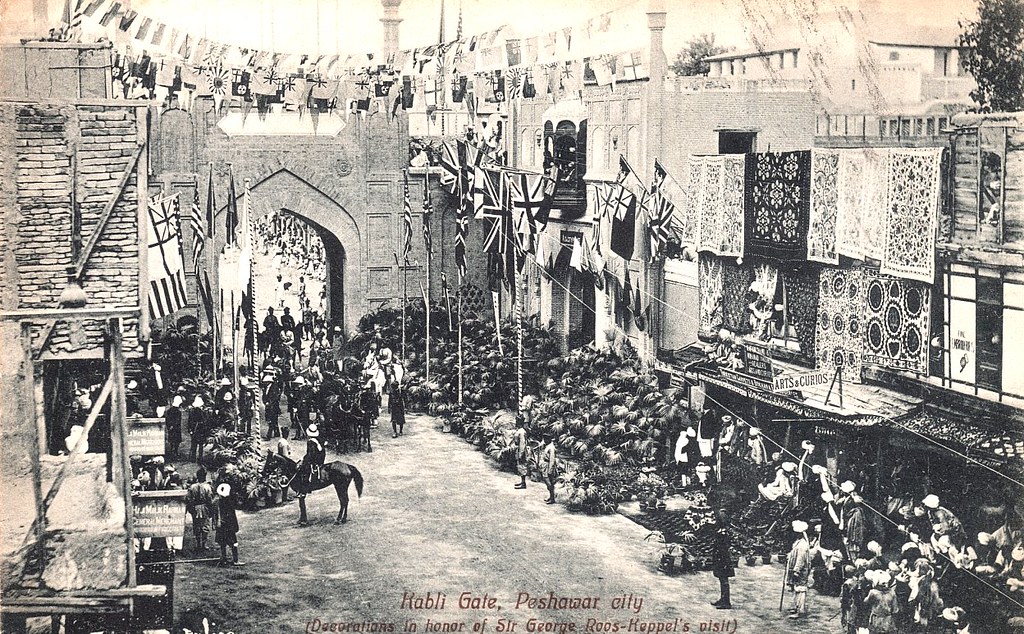
The historic Qissa Khwani Bazaar, also known as the “Bazaar of Storytellers,” has been a center for trade and cultural exchange since the Silk Road era. The architectural style of this market reflects influences from Persian and Central Asian bazaars, featuring arched doorways, carved wooden facades, and high ceilings that allow air circulation, perfect for the region’s hot climate. The traditional shops have maintained their ancient designs, and the bazaar itself offers an immersive experience for anyone interested in ancient architecture. This place remains a powerful symbol of the Central Asian influence on Peshawar, representing centuries of trade and cultural interaction.
Architectural Legacy and Central Asian Roots in Peshawar
Peshawar’s architectural marvels are enduring legacies of the city’s historical ties with Central Asia. The shared cultural history is evident in Peshawar’s buildings, which embody both resilience and artistry. Many of these structures, from forts to mosques to homes, carry the hallmarks of Central Asian architecture, including elaborate woodwork, geometric tile patterns, and Persian-influenced courtyards. For lovers of ancient architecture, Peshawar is not just a city but a living museum, preserving the remnants of a Central Asian aesthetic.
Conclusion: Preserving Ancient Architecture in Modern Times
While Peshawar’s architecture is a significant cultural treasure, efforts to preserve these structures are crucial. The impact of urbanization and environmental factors threatens the architectural heritage that has defined this city for centuries. Continued preservation efforts can ensure that Peshawar’s Central Asian-influenced architecture remains for future generations to appreciate and study. As global interest in ancient architecture grows, Peshawar stands as a captivating example of cultural fusion and historic beauty, inviting visitors and architecture enthusiasts alike to explore its forgotten wonders.














 Janson's blog