How to Earn Passive Income by Selling Your Photos Online

In today’s digital age, photographers have more opportunities than ever to monetize their work and generate passive income. Whether you’re a hobbyist or a seasoned professional, there are various platforms that allow you to sell your photos, prints, and digital content without the need for a traditional gallery or exhibition. While well-known sites like Shutterstock and iStock may be the go-to for many, there are plenty of lesser-known platforms where you can post your photos and start earning money. Here’s a look at some of the best platforms to help you turn your photography into a steady stream of income.

1. Adobe Stock Contributor

Adobe Stock offers photographers an excellent opportunity to sell their images. By uploading your photos to Adobe Stock, you can earn royalties whenever your photos are downloaded. With a large customer base, Adobe Stock is a powerful platform for photographers to reach buyers globally. The integration with Adobe tools such as Photoshop and Lightroom also makes it easy to upload and manage your content.

2. Alamy

Alamy is known for its generous royalty structure, offering up to 50% on each sale. The platform allows photographers to sell their work without exclusivity agreements, meaning you can sell your photos on other platforms as well. With millions of images for sale and a reputation for high-quality stock, Alamy offers great exposure for your work.

3. Etsy

While Etsy is traditionally a marketplace for handmade items, it has become a great platform for photographers looking to sell digital downloads of their images. Whether you sell prints, photo-based products, or stock photos, Etsy allows you to earn money each time a customer makes a purchase. The added benefit is that you can set your own pricing and showcase your unique style.

4. SmugMug

SmugMug allows photographers to create an online portfolio where they can sell prints and digital downloads. You set your own prices, and SmugMug handles the logistics, including print fulfillment and customer service. It’s perfect for photographers who want to sell both digital files and physical products like framed prints.

5. EyeEm

EyeEm is a photo-sharing platform that offers a marketplace for photographers to sell their work. The platform partners with big names like Getty Images and Adobe Stock, helping photographers reach a broad audience. When you upload your photos to EyeEm, your images are automatically eligible for licensing opportunities with these partners, increasing your chances of earning royalties.

6. Pexels

Pexels is a platform where photographers can upload their photos for free, making them available for anyone to download and use. Although you don’t receive direct payment for each download, the exposure gained can lead to paid opportunities, such as freelance work or custom photography commissions. It’s a great way to build a portfolio and attract potential clients.

7. Foap

Foap is an app where photographers can upload and sell their images directly to businesses and brands. With each photo sold, you earn 50% of the sale price. Foap also hosts regular “missions” where brands look for specific types of images, providing photographers with a chance to earn money through themed photo contests.

8. Creations by Minted

Minted offers photographers a chance to sell their images on a variety of products, including prints, greeting cards, and home décor. Minted curates high-quality work, and if your photos are selected, you can earn royalties on products that feature your images. This is an excellent platform for photographers with an artistic or commercial edge.

9. PicFair

PicFair allows you to set your own prices for licensing your images. The platform takes a small commission, but you keep the majority of the revenue from each sale. PicFair also provides valuable exposure, and your images can be purchased by individuals, businesses, and publishers.

10. Zazzle

Zazzle enables photographers to sell their photos as custom products, such as mugs, t-shirts, and wall art. Zazzle handles all production and shipping, while you earn a royalty on each sale. It’s an easy way to monetize your photos by offering them on a wide range of physical products.

11. Redbubble

Similar to Zazzle, Redbubble allows you to upload your photos and sell them on a variety of products like posters, clothing, and accessories. Redbubble takes care of production and shipping, and you earn a royalty every time a product featuring your photo is sold.

12. PhotoShelter

PhotoShelter is another excellent option for selling stock photos, offering a built-in portfolio feature that helps photographers showcase and sell their work. You can sell digital downloads, prints, or offer licensing options to buyers. PhotoShelter also provides valuable tools to manage your sales and track earnings.

Conclusion

There’s no shortage of platforms where photographers can sell their photos and earn passive income. Whether you’re interested in selling prints, digital downloads, or licensing your images for commercial use, there are various ways to start monetizing your photography online. Explore the options above to find the platform that best suits your photography style and business goals. With dedication and the right strategies, you can turn your passion for photography into a lucrative source of passive income.

By exploring and leveraging these platforms, you can earn money while doing what you love – and let your photos work for you!


The Future of Business and Entrepreneurship: Trends to Watch and Strategies to Succeed

The world of business and entrepreneurship is evolving faster than ever before, driven by technological advancements, changing consumer behaviors, and global economic shifts. Whether you’re a seasoned entrepreneur or a budding business owner, staying informed about the latest trends can help you seize opportunities and navigate challenges effectively. This article explores the most promising trends shaping the future of entrepreneurship and provides actionable insights to set your venture up for success.


1. The Rise of the Solopreneur

The gig economy is booming, and solopreneurship is emerging as a dominant force in the business world. Empowered by digital tools, individuals are building successful businesses without the need for large teams or hefty investments.

Key Insights:

  • Digital Platforms: Websites like Fiverr, Upwork, and Shopify make it easy for individuals to monetize skills or sell products globally.
  • Low Overhead Costs: Solopreneurs often operate from home or coworking spaces, reducing startup expenses.
  • Personal Branding: Establishing a strong online presence through social media and personal websites is crucial for success.

Pro Tips:

  • Leverage automation tools to manage tasks like invoicing, marketing, and customer support.
  • Build a niche brand that highlights your expertise and unique value proposition.

2. Sustainability as a Business Imperative

Sustainability is no longer optional—it’s essential. Consumers and investors alike are demanding eco-friendly practices, making sustainability a cornerstone of modern entrepreneurship.

Key Insights:

  • Green Products: Businesses offering sustainable alternatives, such as biodegradable packaging and energy-efficient products, are gaining popularity.
  • Circular Economy: Models that focus on recycling, reusing, and repurposing materials are attracting environmentally conscious consumers.
  • ESG Investments: Companies prioritizing environmental, social, and governance factors are securing more funding and partnerships.

Pro Tips:

  • Highlight your sustainable practices in your marketing campaigns.
  • Partner with green organizations or obtain certifications like LEED or Fair Trade to boost credibility.

3. The Power of Digital Transformation

In today’s digital-first economy, businesses that embrace technology are leading the charge. From AI to blockchain, emerging technologies are reshaping industries and creating new opportunities.

Key Insights:

  • AI Integration: Artificial intelligence streamlines processes like customer support (chatbots), marketing (personalized ads), and inventory management (predictive analytics).
  • E-Commerce Growth: Platforms like Amazon, Etsy, and WooCommerce continue to revolutionize retail, making it easier for small businesses to reach global audiences.
  • Blockchain Applications: Beyond cryptocurrency, blockchain is enhancing transparency and security in industries like supply chain and finance.

Pro Tips:

  • Invest in user-friendly technology to improve customer experience.
  • Stay updated on tech trends to identify tools that can simplify operations or open new revenue streams.

4. Diversity and Inclusion as Growth Drivers

Diversity and inclusion are no longer just ethical responsibilities—they are key drivers of innovation and business growth. Companies with diverse teams outperform competitors by fostering creativity and reaching wider markets.

Key Insights:

  • Broader Perspectives: Diverse teams bring unique ideas and problem-solving approaches.
  • Consumer Loyalty: Brands that reflect and support diverse communities build stronger customer relationships.
  • Regulatory Compliance: Governments and organizations are increasingly emphasizing D&I practices through policies and incentives.

Pro Tips:

  • Create an inclusive workplace culture through training and equitable policies.
  • Showcase your commitment to diversity in your marketing and hiring strategies.

5. The Resurgence of Local and Community-Centered Businesses

As global supply chains face disruptions, consumers are turning to local businesses for goods and services. Supporting local entrepreneurship also aligns with sustainability goals, making it a win-win for communities and businesses alike.

Key Insights:

  • Buy Local Movement: Consumers are prioritizing small businesses that contribute to local economies.
  • Community Engagement: Building strong relationships with local customers fosters trust and loyalty.
  • Hyperlocal Marketing: Tailored campaigns that target local audiences are proving highly effective.

Pro Tips:

  • Partner with other local businesses to create cross-promotional opportunities.
  • Use geotargeting in your digital marketing to attract nearby customers.

Strategies to Make Your Business Blog Post Go Viral

Creating a blog post that resonates with readers and encourages shares requires a thoughtful approach. Here are some tips to ensure your article reaches its full potential:

  1. Incorporate Trending Keywords: Use keywords like “business trends 2024,” “future of entrepreneurship,” and “small business tips” to enhance discoverability.
  2. Add Visual Content: Infographics, charts, and videos increase engagement and make your post shareable on platforms like Pinterest and LinkedIn.
  3. Engage Readers: Encourage comments by asking open-ended questions, such as, “What trend do you think will shape the future of business?”
  4. Optimize for SEO: Use clear headings, short paragraphs, and meta descriptions to improve your article’s ranking on search engines.
  5. Promote Across Platforms: Share your blog on social media channels, email newsletters, and relevant forums to maximize its reach.

Conclusion

The future of business and entrepreneurship is brimming with possibilities for those willing to adapt and innovate. By embracing trends like solopreneurship, sustainability, and digital transformation, you can position yourself for success in this dynamic landscape.

Which of these trends are you most excited about? Share your thoughts in the comments, and don’t forget to like, share, and repost this article to inspire other entrepreneurs in your network!

Social Media Trends That Dominated in 2024

In the ever-evolving landscape of digital interaction, social media trends are the guiding compass for creators, businesses, and influencers aiming to capture and sustain audience engagement. As platforms innovate and user behavior shifts, staying ahead of these trends can transform your online presence into a viral sensation. Here’s a breakdown of the hottest social media trends to watch—and leverage—for creating content that resonates and spreads like wildfire.


1. The Rise of Short-Form Video Content

With platforms like TikTok, Instagram Reels, and YouTube Shorts thriving, short-form video content continues to dominate social media. These videos are quick, engaging, and shareable, making them ideal for going viral.

Key Insights:

  • Algorithm Love: Platforms prioritize short-form content, giving it more reach and visibility.
  • Snackable Content: Viewers prefer concise, impactful storytelling. A creative hook in the first 3 seconds is crucial.
  • Trendy Challenges: Participating in platform-specific challenges increases visibility and engagement.

Pro Tips:

  • Use popular audio tracks to ride the algorithm wave.
  • Create content that encourages user participation, such as duet or remix challenges.

2. Authenticity Over Perfection

Gone are the days of perfectly curated feeds. Audiences are now gravitating toward authentic, unfiltered content. Platforms like BeReal and Instagram Notes are spearheading this movement, emphasizing real-time, candid interactions.

Key Insights:

  • Behind-the-Scenes: Share unpolished moments, personal stories, or everyday experiences to foster a genuine connection with followers.
  • Relatable Over Aspirational: Content that reflects real struggles or relatable humor resonates better with today’s audiences.
  • Raw Storytelling: Unedited or minimally edited videos are gaining traction, as they feel more trustworthy.

Pro Tips:

  • Use polls, Q&A stickers, or casual captions to foster conversation.
  • Share stories that reveal your human side, like setbacks or lessons learned.

3. Social Commerce Is Booming

Social media is no longer just a marketing tool; it’s now a full-fledged shopping platform. Features like Instagram Shops, TikTok Shopping, and Pinterest’s Product Pins make it easier than ever for users to discover and purchase directly within the app.

Key Insights:

  • Live Shopping: Livestream shopping events are becoming mainstream, allowing creators to showcase products interactively.
  • Micro-Influencer Power: Smaller influencers with highly engaged audiences are driving more conversions than mega-influencers.
  • Shoppable Tags: Visual platforms like Instagram and Pinterest are turning posts into virtual storefronts.

Pro Tips:

  • Create engaging product demonstrations or unboxing videos.
  • Collaborate with influencers to showcase your products authentically.

4. Niche Communities and Micro-Platforms

While giants like Instagram and TikTok reign supreme, niche platforms such as Discord, Reddit, and Geneva are becoming essential for connecting with hyper-specific audiences.

Key Insights:

  • Community Focus: Smaller platforms foster deeper, more meaningful interactions.
  • Exclusive Content: Offer insider access, AMAs (Ask Me Anything), or exclusive events to build loyalty.
  • Monetization Opportunities: Some platforms allow creators to charge for premium content or memberships.

Pro Tips:

  • Join or create niche communities that align with your brand or interests.
  • Leverage these platforms to conduct audience research and gather feedback.

5. The Growing Influence of AI in Social Media

Artificial intelligence is reshaping the way content is created and consumed on social platforms. AI-driven tools like ChatGPT, Lumen5, and Canva’s Magic Design simplify content creation while delivering insights to optimize engagement.

Key Insights:

  • AI-Powered Analytics: AI tools analyze trends and suggest content strategies tailored to your audience.
  • Personalized Messaging: Chatbots and AI-driven responses ensure real-time interaction with followers.
  • AI-Generated Content: From captions to video edits, AI tools streamline the creative process.

Pro Tips:

  • Experiment with AI tools to automate mundane tasks and focus on creativity.
  • Use AI insights to refine your content calendar and posting times.

6. Interactive and Immersive Content

Audiences crave active participation, and interactive content is meeting that demand. Quizzes, polls, AR filters, and gamified content are some of the best ways to keep followers engaged.

Key Insights:

  • Augmented Reality (AR): Filters and effects on Instagram and Snapchat add an element of fun and interactivity.
  • Gamification: Challenges or reward-based activities boost engagement and user retention.
  • Interactive Stories: Use polls, sliders, and clickable links in Instagram Stories to encourage participation.

Pro Tips:

  • Create branded AR filters to boost visibility.
  • Use gamification strategies, like a giveaway, to drive shares and likes.

Why These Trends Matter

Social media trends reflect not just changes in technology but also shifts in cultural norms and user expectations. By aligning your strategy with these trends, you can create content that resonates with modern audiences, encouraging likes, shares, and viral potential.

Call to Action: Which of these trends are you most excited to try? Let us know in the comments below. Don’t forget to share this article with your network to stay ahead in the social media game!


Seasonal Magic: Crafting Holiday Memories and Winter Wellness Tips

The festive season is upon us, bringing with it a spirit of joy, togetherness, and reflection. As the days grow shorter and the air turns crisp, many are searching for ways to make their holidays unforgettable while maintaining their physical and mental well-being. This article dives into the heartwarming world of seasonal celebrations, offering tips and ideas that are not only practical but also inspirational. Share this with your loved ones and spread the holiday cheer!


1. Gift Guides That Warm the Heart

Finding the perfect gift can be daunting, but personalized presents always leave a lasting impression. Consider options like:

  • DIY Kits: These range from candle-making sets to grow-your-own-herb gardens, fostering creativity and fun.
  • Experiences Over Objects: Gift a cooking class, spa voucher, or tickets to a winter festival.
  • Eco-Friendly Choices: Support sustainable brands by choosing biodegradable wrapping paper and zero-waste items.

2. Holiday Recipes That Delight

A winter table isn’t complete without comforting classics and innovative twists. Why not try:

  • Classic Gingerbread Cookies with a touch of chai spice.
  • Plant-Based Eggnog that’s creamy and lactose-free.
  • Globally Inspired Dishes: Incorporate international flavors like tamales or a fragrant Middle Eastern rice dish to surprise your guests.

3. Winter Wellness Tips for the Whole Family

Staying healthy during the holidays is as much about mental balance as it is about physical health. Here’s how:

  • Mindful Celebrations: Embrace gratitude journaling as a family activity.
  • Boosting Immunity: Include foods rich in Vitamin C, zinc, and probiotics in your holiday feasts.
  • Outdoor Adventures: Plan family-friendly activities like sledding, ice skating, or winter hikes to keep everyone active.

4. The Magic of Seasonal Décor

Transform your home into a festive wonderland by embracing sustainable decorations:

  • Natural Centerpieces: Use pinecones, holly, and branches for a rustic charm.
  • Handmade Ornaments: Get the kids involved in crafting keepsakes from recyclable materials.
  • Fairy Lights Everywhere: Twinkling lights instantly set the mood, whether indoors or on your porch.

5. Embracing New Year’s Traditions

The holiday season is incomplete without the promise of a new year. Kick off 2025 with these traditions:

  • Reflection Boards: Create a visual representation of your 2024 highlights and 2025 goals.
  • Community Service: Volunteer at local shelters or organize food drives to give back.
  • Family Resolutions: Set achievable goals together, like a family fitness challenge or a weekly tech-free day.

Why This Article Will Go Viral

  • Engaging Content: Practical tips paired with festive spirit captivate readers of all ages.
  • Viral Keywords: “Winter Wellness,” “Holiday Recipes,” “Eco-Friendly Gifts” are trending terms in 2024.

Let the holidays bring you closer to your loved ones while creating memories you’ll cherish forever. Celebrate this season with heartwarming traditions, thoughtful gestures, and a focus on wellness. What are your favorite holiday traditions? Share them in the comments below!

Don’t forget to click like, comment, and share this article with friends to spread the holiday magic.

St. Paul’s Church, Rawalpindi: A Historical Gem on The Mall

St. Paul’s Church, situated on The Mall Road in Rawalpindi, Pakistan, stands as a beacon of architectural splendor, colonial heritage, and religious significance. Established in the 19th century, this Anglican church has witnessed the evolution of Rawalpindi from a British garrison town to a bustling modern city. It remains one of the city’s most enduring landmarks, attracting worshippers and history enthusiasts alike.


Historical Context

St. Paul’s Church was built during the British colonial era, a time when Rawalpindi served as a key military hub for the British Indian Army. The church was constructed in 1876, during the tenure of the British Raj, primarily to cater to the spiritual needs of the British officers and soldiers stationed in the cantonment area. Its establishment marked the growing influence of Christian missions in the subcontinent, which sought to provide pastoral care to Europeans as well as spread the Christian faith among local communities.


Architectural Marvel

The architecture of St. Paul’s Church reflects the Gothic Revival style, a hallmark of British ecclesiastical structures of that era. The building features tall pointed arches, ribbed vaults, and an imposing spire that is visible from afar. Constructed with sandstone and brick, the church’s design is both functional and aesthetically pleasing, incorporating elements that suit the region’s climate.

The stained-glass windows are a defining feature, casting colorful patterns inside the sanctuary when sunlight filters through. These windows depict biblical scenes and saints, adding to the spiritual ambiance of the church. The interior is adorned with wooden pews, an intricately carved altar, and brass fixtures, all of which have been carefully preserved over the years.


A Recent Encounter Nearby

Driving along The Mall Road recently, I found myself near St. Paul’s Church during a calm afternoon. While waiting for the traffic signal to turn green, I was struck by the serene beauty of the church bathed in soft sunlight. Taking out my phone, I captured a quick photo from the car, marveling at its timeless architecture amid the modern chaos around.


Religious Significance

As part of the Anglican Church, St. Paul’s has historically been a place of worship for members of the Church of England residing in Rawalpindi. Post-independence in 1947, the church came under the jurisdiction of the Church of Pakistan, a united Protestant denomination. Today, it serves a diverse congregation, including members of the local Christian community.

The church hosts regular Sunday services, seasonal celebrations such as Christmas and Easter, and special events like weddings and baptisms. These occasions bring together people from various walks of life, fostering a sense of community and spiritual connection.


Role in the Community

St. Paul’s Church is not just a religious institution but also a cultural and historical landmark. It symbolizes the rich multicultural history of Rawalpindi and serves as a reminder of the city’s colonial past. Over the decades, it has been a site for interfaith harmony, with initiatives aimed at promoting dialogue between different religious communities.

The church also engages in charitable activities, offering support to the underprivileged in the form of education, healthcare, and financial assistance. Its community outreach programs are an extension of its Christian mission of compassion and service.


Preservation Efforts

As one of the oldest churches in Pakistan, St. Paul’s Church is a protected heritage site. Efforts have been made to preserve its original structure and prevent degradation caused by time and environmental factors. These initiatives are often carried out in collaboration with heritage conservation organizations and local authorities.

Despite these efforts, challenges remain, such as the need for regular maintenance and protection from urban encroachment. Community-led campaigns and support from the Christian diaspora have played a pivotal role in ensuring that the church remains a well-maintained symbol of Rawalpindi’s historical legacy.


Visiting St. Paul’s Church

Located on the iconic Mall Road, the church is easily accessible and serves as a peaceful retreat amid the city’s hustle and bustle. Visitors are welcomed, especially during public services and festive events, which provide a glimpse into the church’s vibrant community life. Photography is permitted, though visitors are encouraged to respect the sanctity of the space.

The surrounding area, with its colonial-era buildings and tree-lined avenues, adds to the charm of visiting St. Paul’s Church. It’s a perfect spot for history buffs and architectural enthusiasts looking to explore Rawalpindi’s rich cultural tapestry.


Conclusion

St. Paul’s Church on The Mall, Rawalpindi, is more than just a place of worship—it is a testament to the city’s historical and cultural evolution. With its timeless architecture, spiritual significance, and enduring community role, the church continues to inspire and attract people from all walks of life. Preserving such landmarks ensures that future generations can connect with Rawalpindi’s rich heritage, making St. Paul’s an essential part of Pakistan’s historical and religious narrative.

Like, comment and share

The Agonizing Tragedy of Sohrab and Rustum: A Heartbreaking Tale of Fate and Folly

In the vast expanse of Persian literary heritage, few tales resonate as profoundly as the heartbreaking story of Sohrab and Rustum, retold with somber brilliance by Matthew Arnold in his 1853 narrative poem. Derived from Ferdowsi’s Shahnameh, Arnold reimagines the timeless tragedy in English verse, infusing it with profound melancholy and stoic inevitability that haunt the soul long after the final line. With every word, Arnold masterfully amplifies the grief of a father and son locked in a cruel embrace of fate, where recognition comes only too late.

The Fateful Protagonists: Sohrab and Rustum

Sohrab, the embodiment of youthful vigor and unbridled ambition, charges onto the battlefield with dreams of glory. He is the very image of a noble warrior, endowed with both strength and compassion. Yet his innocence, his yearning for recognition, and his tender hope to find the father he has never known—these very qualities make his tragic end all the more unbearable.

Opposite him stands Rustum, the famed warrior of Persia, weighed down by the burdens of age, pride, and a lifetime of battles. Rustum, whose greatness echoes across empires, is a man blind to the threads of fate that bind him to the very foe he faces. His ignorance of Sohrab’s identity, though understandable, fills the reader with a crushing sense of foreboding. The tragedy is not merely in their fatal combat but in Rustum’s unyielding belief that he fights an anonymous enemy, only to discover—when it is far too late—that the boy he has slain is his own flesh and blood.

The Supporting Figures and the Unseen Forces of Fate

Arnold’s verse introduces us to figures and forces that deepen the tragedy of Sohrab and Rustum. Tahmineh, Sohrab’s mother, remains a spectral presence throughout the narrative, her unspoken anguish lingering in the background. She bore Sohrab after a single night with Rustum and raised him alone, never revealing his lineage. This secret, rooted in her fear of losing her child to Rustum’s martial world, sows the seeds of the catastrophe.

Even Rustum’s horse, the magnificent Ruksh, becomes a silent participant in the tragedy. Ruksh, Rustum’s steadfast companion in countless battles, symbolizes loyalty and duty—qualities that propel Rustum toward a fatal confrontation with his own son.

The world of Sohrab and Rustum is also one of stoic landscapes that seem to reflect the characters’ despair. The Oxus River, meandering through the poem with an indifferent constancy, becomes a powerful metaphor for the relentless flow of time and fate. It witnesses the folly of men, absorbs their grief, and carries their stories to oblivion.

The Tragic Duel: A Slow-Building Crescendo of Sorrow

Arnold’s rendering of the climactic battle is a masterclass in restrained yet devastating storytelling. The duel between Sohrab and Rustum unfolds with a tragic inevitability that grips the heart. Arnold describes the clash of father and son with vivid detail, capturing the raw power of their combat while letting the emotional weight simmer beneath the surface. Sohrab’s youthful vigor matches Rustum’s seasoned strength, but the older warrior’s experience proves decisive.

When Rustum’s final, fatal blow lands, it is not triumph but doom that settles over the battlefield. Sohrab’s dying words—his revelation of his parentage—pierce Rustum like a dagger. The mighty warrior, who has vanquished countless foes, is brought to his knees by the cruel irony of fate. Arnold’s language here is devastatingly beautiful, painting Rustum not as a hero but as a broken man, shattered by the realization that his own hand has destroyed his legacy.

Grief Beyond Words: The Universal Tragedy

What makes Sohrab and Rustum so heart-wrenching is its universal resonance. At its core, the poem is not just about a father and son—it is about the devastating consequences of misunderstanding, pride, and the inexorable march of fate. Sohrab dies not only because Rustum fails to recognize him, but because the forces of the universe seem to conspire against them.

Arnold’s melancholic tone is unrelenting, and the reader cannot help but feel both sympathy for Rustum and an overwhelming grief for Sohrab. Rustum’s anguish is palpable as he cradles his dying son, a moment of recognition that comes far too late. And as the Oxus River flows on, indifferent to the tragedy it has witnessed, the reader is left with an aching sense of loss.

The Eternal River: A Metaphor for Life’s Indifference

The poem’s final lines, which describe the eternal flow of the Oxus River, serve as a poignant reminder of life’s indifference to human suffering. While Sohrab’s death devastates Rustum and echoes in the hearts of readers, the river flows on, unchanging, unconcerned. Arnold’s imagery here is haunting, driving home the idea that human grief, no matter how profound, is but a ripple in the vast ocean of existence.

Why This Tale Still Matters

Arnold’s Sohrab and Rustum endures not only for its poetic beauty but for its emotional depth. It is a story that forces us to confront the fragility of human connections and the inexorable power of fate. The characters, though drawn from an ancient epic, feel achingly real in their struggles and sorrows.

In a world often consumed by pride, misunderstanding, and unspoken truths, Sohrab and Rustum is a timeless reminder of the cost of silence and the tragedy of missed opportunities. It compels us to question how often we, like Rustum, fail to see the truths before us until it is too late.

As readers, we are left mourning for Sohrab, who dies with unfulfilled dreams and unanswered questions, and for Rustum, whose legendary strength cannot shield him from the most devastating blow of all. Their story is a testament to the enduring power of love, loss, and the human condition.

Share Your Thoughts

If this tale of devastating loss and unspoken truths has moved you, share your thoughts in the comments. How did Sohrab’s innocence and Rustum’s grief impact you? Let us grieve together for a tragedy that transcends time.

Click like if this tale stirred your soul, and share this article with others who need to experience the haunting beauty of Sohrab and Rustum. Perhaps, in their story, we can find a reflection of our own lives—and a lesson we must never forget.

An Evening in Ashgabat’s Independence Park: A Timeless Memory

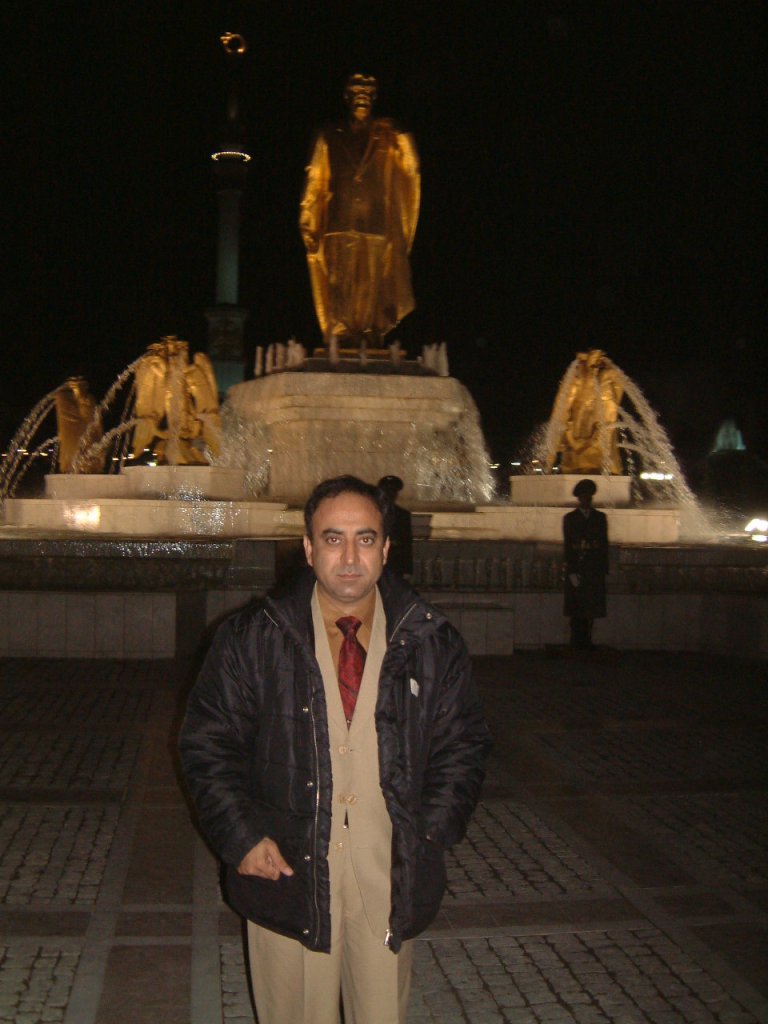
In late November 2003, I found myself in Ashgabat, the radiant capital of Turkmenistan, on a chilly evening. Though the air was crisp, my excitement to explore this extraordinary city kept me warm. Little did I know, the experience awaiting me at Independence Park would leave an indelible mark on my heart and soul.

As I arrived at the park around 10 PM, I was struck by its brilliance. Despite the late hour, the entire park was bathed in light, radiating an enchanting glow that seemed to erase the chill of the night. The meticulously arranged lights illuminated every corner, casting a golden sheen over the sprawling grounds, elegant walkways, and towering monuments. It was as if the park itself was alive, telling a story of Turkmenistan’s pride and history.

The fountains, illuminated in hues of blue and gold, danced gracefully in the night, their rhythmic sprays catching the light in a mesmerizing display. Waterfalls cascaded gently nearby, their soothing murmurs creating a serene soundtrack to the visual splendor. Each step revealed a new wonder—ornately carved monuments of Turkmenistan’s great elders stood as silent sentinels, their presence evoking a sense of reverence and history. The atmosphere was nothing short of magical, a perfect blend of tranquility and grandeur.

What truly elevated the experience was the serenity of the place. Despite its grandeur, the park was peaceful, inviting me to reflect and marvel. The locals, friendly and warm, passed by with polite nods, embodying the hospitality Turkmenistan is renowned for. The pride they take in their culture and heritage is evident in every detail of this majestic park.

Ashgabat itself is a city of contrasts—modern yet steeped in tradition. Its cleanliness, unique architecture, and welcoming people make it a destination unlike any other. Independence Park is its crowning jewel, a place where history and modernity blend seamlessly.

As I reluctantly left the park that night, I carried with me not just memories but a longing to return. The experience was not just a visit; it was a journey through the soul of Turkmenistan—a journey I wholeheartedly recommend to anyone seeking beauty, tranquility, and inspiration.

If you’ve ever dreamed of visiting a place that feels like stepping into a storybook, Independence Park in Ashgabat is it. I invite you to experience its magic for yourself. Click like, comment below, and share this article to inspire others to discover this breathtaking destination!

Unlocking Creativity: Inspiring AI Podcast Ideas for Every Listener

Image credit: Adobe Firefly

Here are some diverse AI podcast ideas spanning a wide range of subjects to cater to various audiences:

1. History and Culture

  • “Echoes of the Past: Ancient Civilizations Explained”
    Explore intriguing aspects of ancient cultures, their societal structures, and mysterious technologies.
  • “Traditions Across Time”
    Discuss how cultural traditions evolve, disappear, or resurface over centuries.

2. Science and Technology

  • “Breakthroughs and Beyond: The Future of AI”
    Discuss emerging AI technologies and their impact on industries and daily life.
  • “Galactic Curiosities: Space Mysteries Demystified”
    Simplify complex space phenomena for casual listeners.

3. Personal Development

  • “The Art of Resilience: Building Mental Toughness”
    Share practical strategies for overcoming challenges.
  • “Small Habits, Big Changes”
    Explore how small changes in routines can lead to life-transforming results.

4. Education and Careers

  • “Study Hacks for the Digital Age”
    Tips on leveraging technology for efficient learning.
  • “Career Pivot: Adapting to a Changing World”
    Discuss strategies for thriving in dynamic job markets.

5. Entertainment and Arts

  • “The Music Makers: Stories Behind Iconic Albums”
    Explore the inspirations and challenges behind famous music albums.
  • “Brushstrokes in Time: Stories of Forgotten Artists”
    Uncover the lives of lesser-known artists and their contributions.

6. Travel and Adventure

  • “Hidden Gems: Underrated Travel Destinations”
    Showcase lesser-known but breathtaking travel locations.
  • “Wanderlust Diaries: Tales of Solo Explorers”
    Narrate experiences of solo travelers overcoming fears and challenges.

7. Health and Wellness

  • “Mindful Moments: Meditation for Modern Living”
    Offer guided meditations and tips for integrating mindfulness into busy schedules.
  • “The Nutrition Mythbusters”
    Debunk common health myths with evidence-based discussions.

8. Business and Innovation

  • “Startup Stories: Failures that Led to Success”
    Highlight inspiring journeys of entrepreneurs.
  • “Future Markets: Emerging Trends to Watch”
    Discuss potential future markets and the trends driving them.

9. Fiction and Storytelling

  • “Mysteries on Air: Short Stories to Ponder”
    Share AI-generated short mysteries or thrilling tales.
  • “The Sci-Fi Hour: Visions of Tomorrow”
    Narrate speculative science fiction scenarios.

10. Social Issues

  • “Voices of Change: Unsung Activists”
    Focus on lesser-known but impactful activists shaping societies.
  • “The Empathy Project”
    Discuss ways to foster empathy and connection in increasingly digital communities.

These ideas can be easily adapted to create engaging and thought-provoking podcasts, ensuring a wide audience appeal. Let me know if you’d like help with structuring any of these topics!

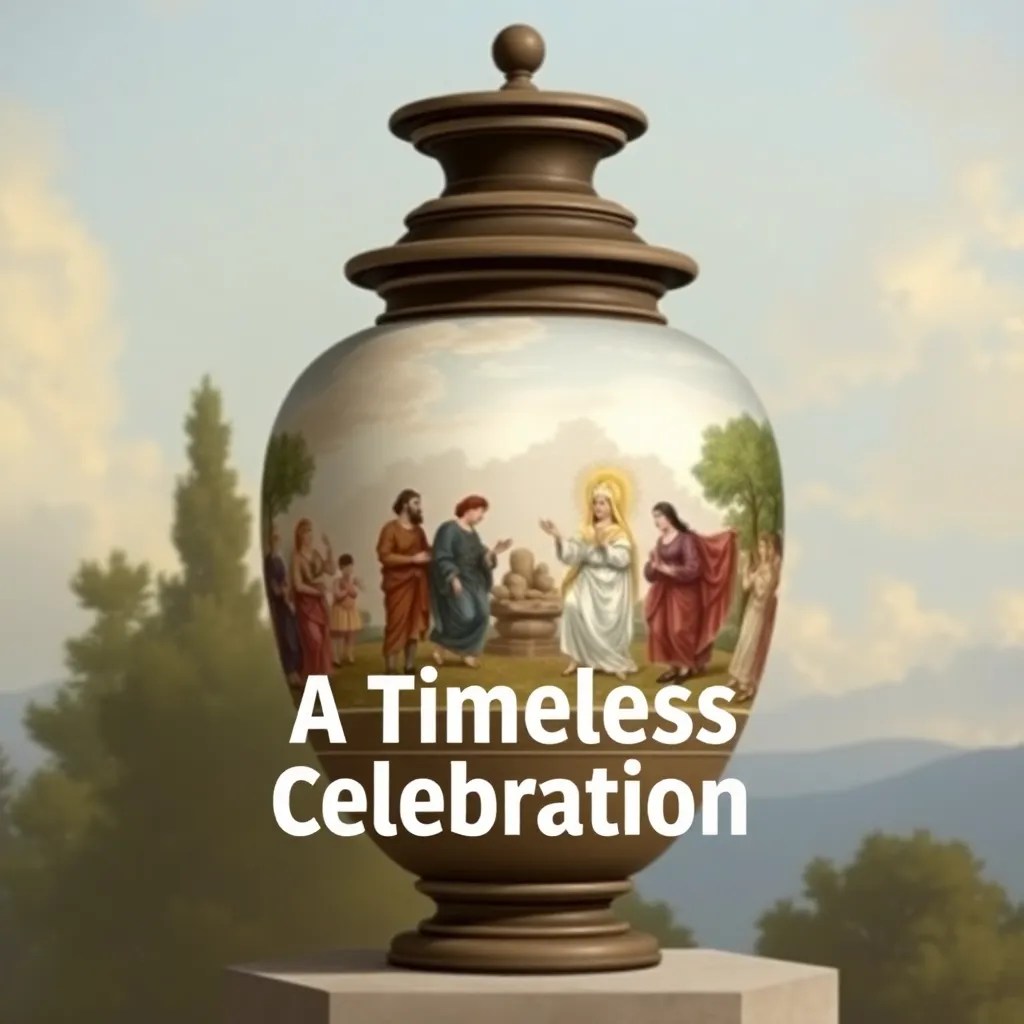
A Timeless Celebration: The Pastoral Festival on Keats’ Grecian Urn

John Keats’ Ode on a Grecian Urn transports readers to an ancient world frozen in beauty and meaning. Among its enchanting depictions is a pastoral festival or religious celebration, an evocative tableau capturing a lively, communal event that will never fade or conclude. This scene, like others on the urn, is a rich canvas for exploring themes of permanence, vitality, and the human desire to preserve joy.

The Scene: A Bustling Festival Frozen in Time

Keats alludes to a festive gathering, possibly in a small town or pastoral setting, where the inhabitants are immersed in religious or communal celebration. We see images of young men and women adorned in ceremonial dress, trees in eternal bloom, and the distant altar awaiting its sacred role in the ritual. The streets are quiet, as all who dwell there are drawn to the collective moment of reverence.

This imagined depiction conveys movement and energy, yet it is forever paused on the urn. Keats’ vivid imagery allows readers to visualize an ancient culture full of life, faith, and artistry—locked in an endless moment of perfection.

Interpreting the Pastoral Scene

  1. The Joy of Rituals: The celebration on the urn reflects humanity’s universal inclination toward rituals that bring people together, whether for religious devotion, seasonal festivals, or communal milestones. By preserving such a scene in perpetuity, Keats highlights the beauty and significance of shared human experiences.
  2. Art’s Immortalizing Power: The festival participants will never grow tired, and the trees will never lose their blossoms. This permanence contrasts with the ephemeral nature of real-life celebrations, emphasizing art’s ability to eternalize fleeting moments of joy and meaning.
  3. The Paradox of Eternal Festivity: While the scene is vibrant and alive, its participants are trapped in their revelry. Keats prompts readers to question whether such permanence is a blessing or a curse. The festival is perfect, yet it can never evolve or lead to anything beyond itself. This duality reflects life’s tension between wanting to savor the moment and moving forward.

Keats’ Thoughts Behind the Ode

Keats was deeply attuned to the fleeting nature of human life, especially as he faced his own mortality. The Grecian urn, as an enduring artifact, became a symbol of what he could not achieve: permanence. The festival’s vibrant yet unchanging celebration represents his yearning for eternal beauty and his recognition of the limitations of life.

The urn’s portrayal is not merely a reflection of an ancient past but a timeless commentary on human desires, communal connections, and the role of art in preserving them.

Modern Relevance of the Festival Scene

In today’s world of digital experiences and fleeting trends, Keats’ depiction of the pastoral festival offers a profound reminder of the enduring value of shared moments. It speaks to our longing for connection, ritual, and a sense of belonging that transcends time.

For modern readers, this scene also highlights the importance of appreciating traditions and celebrating life’s transient joys while we have them. Keats’ message encourages us to cherish our present moments while understanding that, through art and memory, their beauty can last forever.

The pastoral festival on Keats’ Grecian urn isn’t just a frozen image; it’s an invitation to reflect on life, art, and the joy of celebration. How do you interpret the paradox of eternal festivity? Does the permanence of art inspire you to celebrate your fleeting moments?

Share your thoughts in the comments! If Keats’ vision resonates with you, like and reblog this article to keep the timeless beauty of his poetry alive. Let’s celebrate the enduring legacy of art together.

The Silent Symphony: Musicians Under the Trees in Keats’ Grecian Urn

The Silent Symphony: Musicians Under the Trees in Keats’ Grecian Urn

John Keats, the Romantic poet who celebrated beauty and eternity, invites us to explore the quiet yet profound world of art in Ode on a Grecian Urn. Among the vivid images painted in words is a timeless scene of musicians playing under trees, frozen forever in their act. This portrayal isn’t just a snapshot of an ancient pastoral life; it’s a gateway to understanding the power of art to transcend time and evoke emotions.

The Scene: Music Frozen in Time

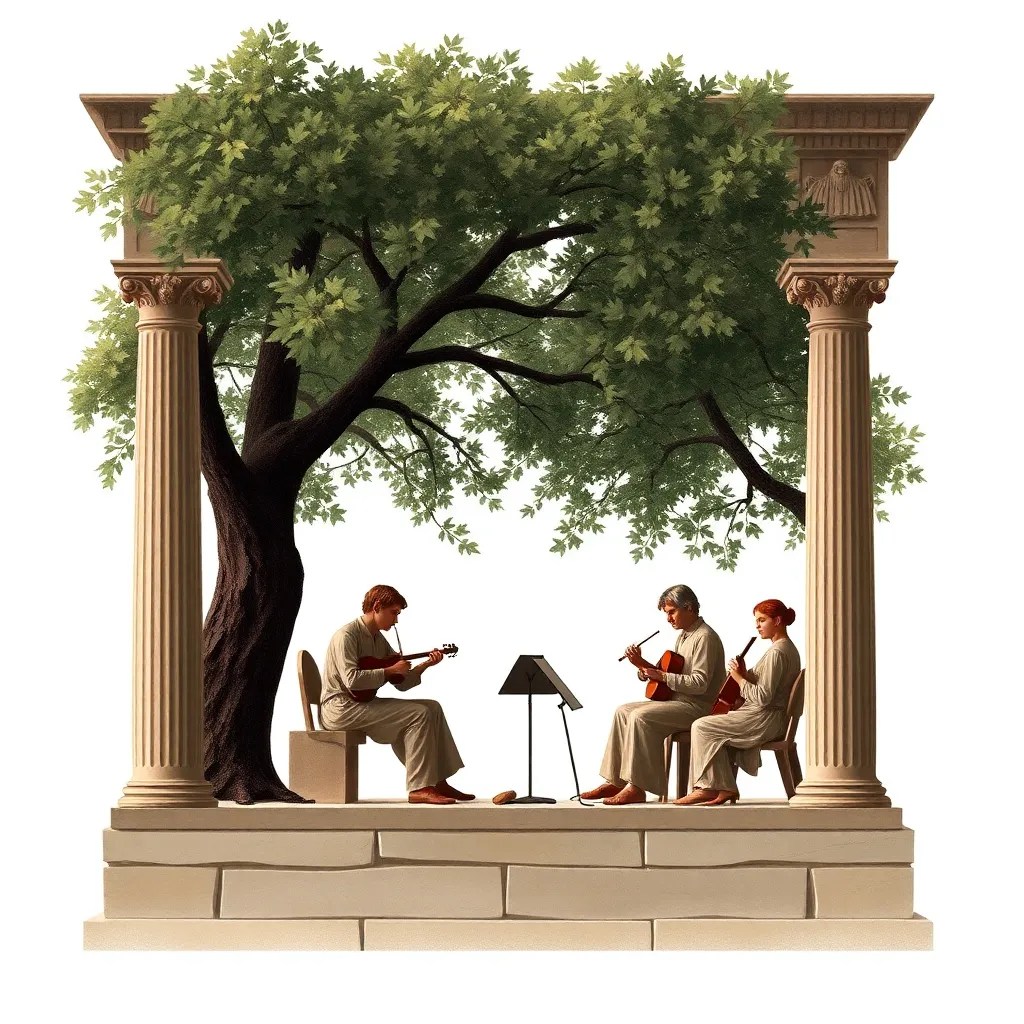
Keats describes a group of musicians under shady boughs, forever mid-performance. Their instruments are poised, their tunes unheard yet eternal, and their joy everlasting. The leaves of the trees never fall, and the melodies never fade. This portrayal captures a moment of perfect harmony between man and nature, untainted by the passage of time.

This scene is not just about music but a metaphor for the timelessness of art. The urn preserves a moment of creativity, vitality, and celebration, offering it to every viewer and reader who contemplates its silent symphony.

The Power of Silent Music

Keats’ depiction of the musicians emphasizes a paradox: though we cannot hear their tunes, the silence enhances their beauty. For Keats, imagined music surpasses real sound, as it lives in the realm of perfection, unbound by flaws or fading.

He writes:

“Heard melodies are sweet, but those unheard
Are sweeter.”

This line underscores the idea that the imagination can create its own idealized experience, transcending the limitations of physical reality. In this way, the urn becomes a muse, inspiring endless interpretations and inviting modern readers to use their imagination to complete the scene.

Why It Resonates with Modern Readers

  1. Eternal Creativity:
    In an age of fleeting digital content, Keats’ silent musicians remind us of the enduring power of art to inspire across generations. Their music may not play in real time, but its essence is alive, just as a work of literature, film, or painting continues to impact audiences long after its creation.
  2. Connection to Nature:
    The tranquil image of musicians beneath leafy trees resonates with contemporary readers longing for simplicity and connection in an era dominated by urbanization and technological overload.
  3. Celebration of Imagination:
    Keats’ belief in the power of the imagination aligns with modern creative pursuits, where interpretation and individual experience are as important as the art itself.

A Reflection on Keats’ Genius

By embedding eternal music within a silent medium, Keats challenges us to think about art’s purpose. Art, he suggests, does not need to speak aloud to touch the soul. In fact, its stillness allows it to transcend time, offering something fresh to every viewer.

This timeless quality is what makes Keats’ work not just a relic of Romanticism but a relevant and vital piece of literature today. His scene of the musicians under the trees invites modern readers to pause and appreciate the beauty of silence, the permanence of art, and the boundless nature of human imagination.

Call to Action for Readers

Keats’ Ode on a Grecian Urn teaches us that beauty and art live forever. Take a moment to ponder his words and envision the silent symphony under the shade of timeless trees. Let it inspire you to find beauty in your surroundings and create something lasting in your life.

Share this article to honor Keats’ vision. What are your thoughts on the silent music of art? Like, comment, and reblog to join the conversation and keep the timeless symphony alive!

The Heifer Led to Sacrifice: A Reflection on Keats’ Grecian Urn Scene

John Keats’ Ode on a Grecian Urn paints timeless scenes that explore the interplay between life, art, and eternity. Among these is a vivid depiction of a heifer being led to the altar for sacrifice. This scene, like the others on the urn, is frozen in time, offering a window into ancient rituals and a reflection on themes of permanence and mortality.

The Scene: A Silent Ritual

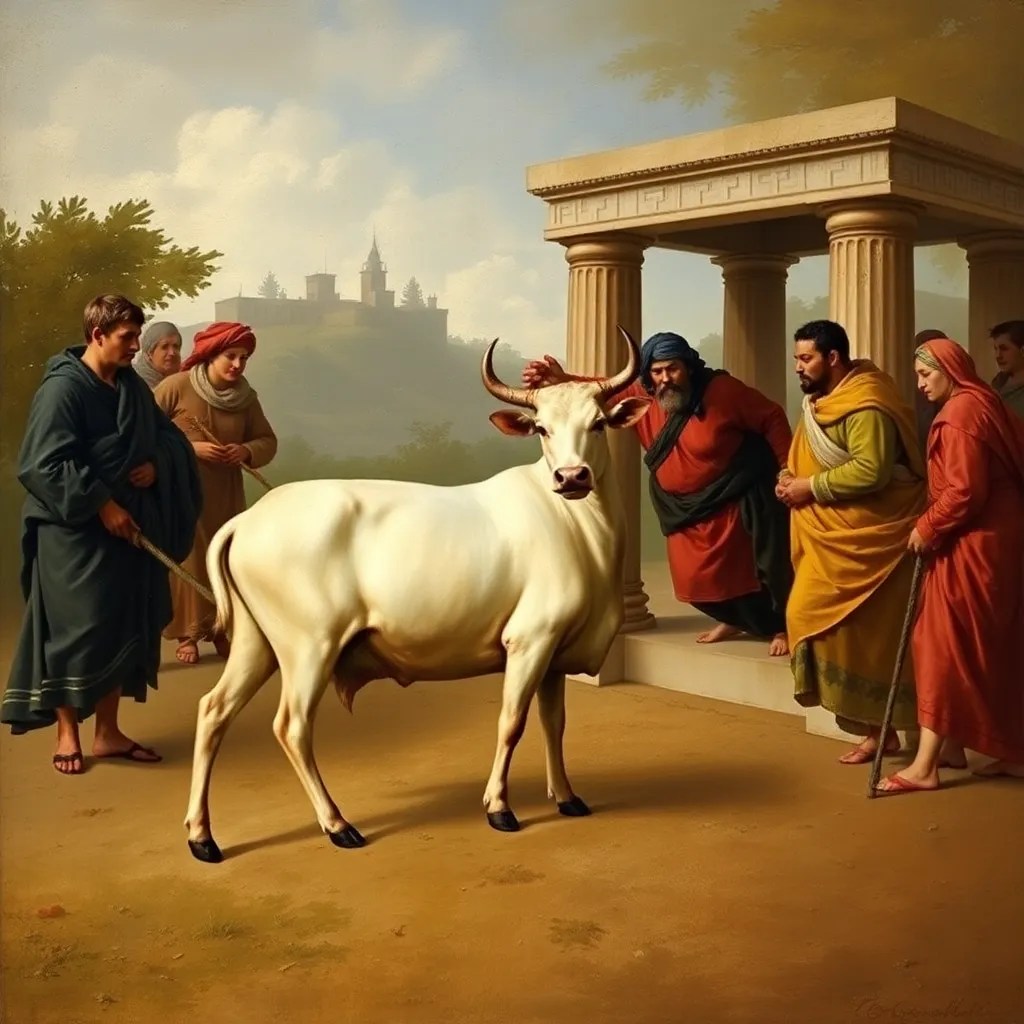
Keats describes a moment in which a heifer, adorned for sacrifice, is being forcibly led by its master to the altar. Surrounding the animal, we imagine a group of people dressed in ceremonial attire, their faces expressive yet motionless in the artwork. While the moment is steeped in solemnity, the urn’s silent portrayal captures only the act—not its culmination.

The Interpretation

This scene, though specific to the context of ancient rituals, resonates universally. The heifer’s sacrifice symbolizes themes of duty, loss, and reverence, and Keats uses this imagery to reflect on broader existential questions:

  1. Permanence of Art, Transience of Life: The heifer, forever on the way to the altar, is never sacrificed. Keats marvels at this eternal pause, highlighting how art immortalizes even the most transient acts. While the actual sacrifice would result in death and decay, the urn preserves the ritual in a state of unending reverence.
  2. Rituals and Meaning: The depiction evokes the cultural and religious significance of sacrifice, showcasing the human tendency to find meaning in acts of devotion. It also prompts readers to consider the ethical and emotional weight of such traditions.
  3. The Frozen Moment: Just as the lover eternally chases his beloved, the heifer is eternally led to its fate. This suspension in time adds a bittersweet beauty to the scene. Keats suggests that, while life moves forward relentlessly, art offers a reprieve—an opportunity to reflect on moments without the consequence of time.

Keats’ Thoughts While Writing

Keats, deeply aware of his own mortality, found solace in art’s ability to outlast life. The scene of the heifer led to sacrifice might reflect his feelings of inevitability and loss, as well as his admiration for art’s capacity to render such moments timeless and meaningful. Through this, he contemplates the interplay of permanence (in art) and ephemerality (in life).

For the Layman

Imagine a painting where a cow is being taken for a ritual. It might seem ordinary, but in Keats’ vision, this frozen scene becomes extraordinary. The cow will never reach the altar; it will always remain on its path, beautifully adorned and surrounded by solemn rituals. Keats uses this image to remind us that life is fleeting, but art captures moments forever, allowing us to reflect on their deeper meaning.

A Universal Reflection

The heifer’s scene speaks to humanity’s timeless struggle with sacrifice, purpose, and loss. By capturing this moment in perpetuity, Keats invites us to marvel at the beauty of life’s rituals, even as they remind us of our mortality. Like the urn itself, the heifer’s journey is a story of endurance, silently whispering to generations: “Beauty is truth, truth beauty.”

The Pursuit of Love on the Grecian Urn: A Window into Keats’ Thoughts

John Keats’ Ode on a Grecian Urn is one of the most celebrated poems in English literature, filled with timeless themes like beauty, permanence, and the nature of art. One of the vivid scenes depicted on the urn shows a lover chasing his beloved through an idyllic setting, yet never quite catching her. This captivating episode, rich in both visual and philosophical implications, reveals much about the poet’s contemplation of life and eternity.

The Scene: Eternal Chase

In the painting imagined by Keats, a youthful lover stretches out in pursuit of his beloved, her figure seemingly floating ahead, perpetually beyond his grasp. The scene is alive with motion, yet frozen in time, as it exists on the silent, unchanging urn. Keats describes the moment with admiration, calling attention to its beauty and vitality, though the figures themselves are locked in an eternal moment.

The Interpretation

This episode is not merely a depiction of romantic pursuit but serves as a metaphor for human desire, ambition, and the eternal yearning for fulfillment. Keats suggests that although the lover can never physically capture his beloved, there is profound beauty in the act of pursuit itself. Their love, untainted by time, remains forever new and unfulfilled, untouched by the fading effects of reality.

  1. The Immortal Beauty of Art: The urn preserves this moment forever. Unlike human life, where passions wane and beauty fades, the lovers on the urn are immortalized in their idealized state. Keats marvels at how art can transcend time, allowing beauty and emotion to remain perpetually fresh.
  2. The Paradox of Eternity: While the lovers’ moment is eternal, it is also incomplete. Keats highlights a paradox: what makes the scene beautiful is also what denies it fulfillment. The lover’s chase is endlessly hopeful but equally futile. This duality reflects the human condition—always striving, always yearning, never fully satisfied.
  3. Art vs. Reality: The static perfection of art contrasts with the dynamic imperfection of real life. In life, a lover might catch their beloved, but the passion could fade or become marred by imperfection. On the urn, however, the lover’s emotions remain forever vivid, untouched by disappointment.

Keats’ Thoughts While Writing

Keats wrote the ode during a time when he was grappling with personal struggles, including financial difficulties and declining health. His deep appreciation for beauty and art was perhaps a response to the transience of his own life. Through this ode, he explored the idea that while human experiences are fleeting, art offers a way to preserve beauty and emotion for eternity.

For the Layman

Keats uses the image of a lover chasing his beloved to talk about our own dreams and desires. While we may never achieve all that we hope for, the excitement of striving for those dreams is what makes life meaningful. The lover on the urn will never stop running, but he also will never grow tired or lose hope. For Keats, this eternal pursuit, captured in art, is both beautiful and bittersweet.

By exploring such universal themes, Keats transforms the scene from a mere painting on a vase into a profound meditation on human existence. The eternal chase, with its joy and sorrow, reflects the richness of life itself—an experience that, though fleeting, is beautiful in its imperfection.