Artificial Intelligence (AI) is revolutionizing industries across the globe, and education is no exception. AI tutoring, a cutting-edge application of AI technology, is poised to transform the way we learn. But what exactly is AI tutoring, and how can it benefit both students and professionals working in this field? Let’s dive into the details.
What is AI Tutoring?
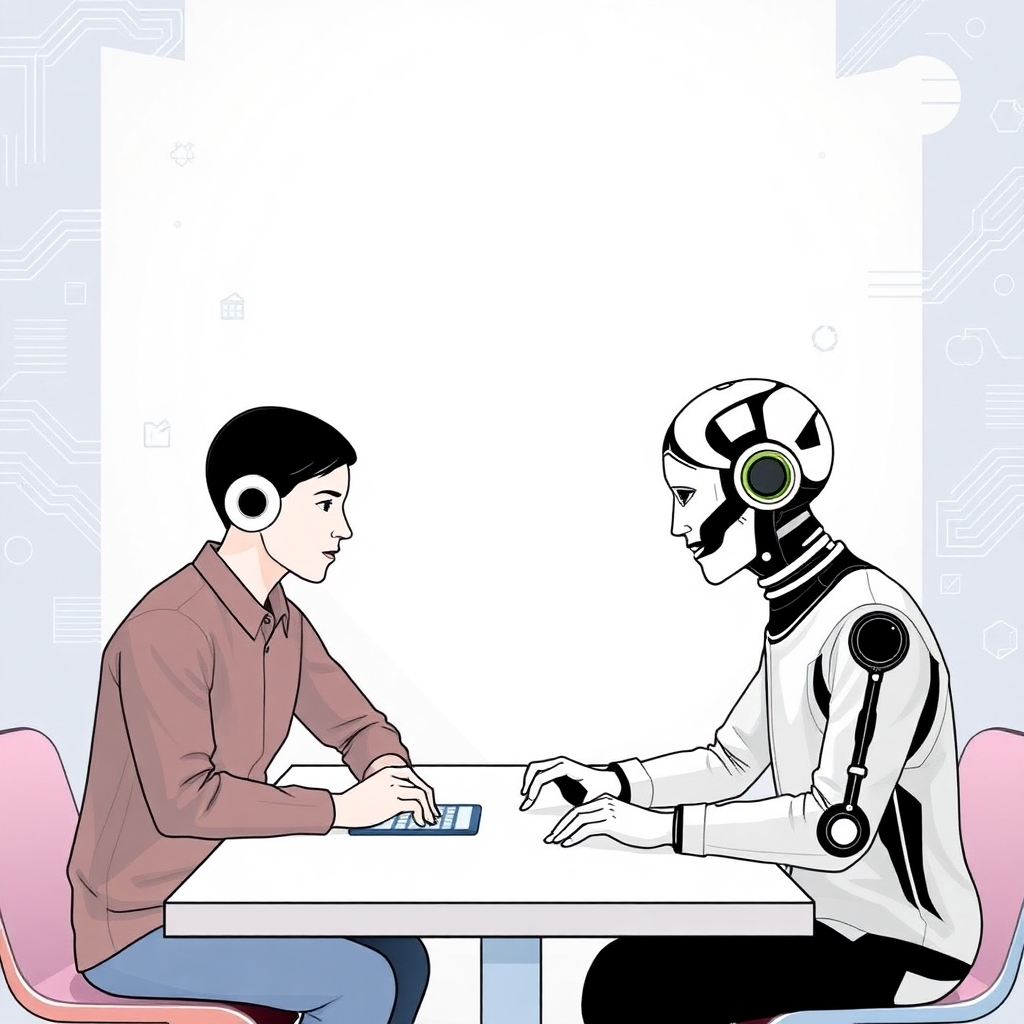
AI tutoring involves the use of artificial intelligence systems to provide personalized, interactive, and efficient educational experiences. These systems leverage advanced algorithms, natural language processing, and machine learning to adapt to individual learners’ needs. By analyzing a student’s progress, learning style, and preferences, AI tutors can create customized lesson plans, offer instant feedback, and simulate one-on-one tutoring sessions.
Examples of AI tutoring platforms include:
Intelligent virtual assistants such as chatbots to answer academic queries.
Platforms like Duolingo and Khan Academy that use AI to tailor lessons.
Advanced systems designed for specialized subjects like coding, mathematics, or languages.
Trending Features of AI Tutoring
AI tutoring has gained significant traction due to its innovative features:
24/7 Accessibility: Unlike human tutors, AI tutors are available around the clock, ensuring students can learn at their own convenience.
Personalized Learning: AI systems analyze vast amounts of data to understand individual learning gaps and adapt accordingly.
Interactive Learning Tools: From gamified content to simulated environments, AI tutors make learning engaging and interactive.
Scalability: AI tutors can handle thousands of learners simultaneously, breaking traditional classroom size limitations.
Benefits for the AI Tutor Industry
The field of AI tutoring is not just about enhancing education for learners but also presents lucrative opportunities for developers, data scientists, and AI professionals. Here are some key benefits for AI tutors (human professionals working in this domain):
1. High Demand Across Sectors
As the adoption of AI tutoring expands from schools to corporate training programs, professionals in this domain are witnessing unprecedented demand. Expertise in designing AI-driven educational platforms is becoming one of the most sought-after skills.
2. Competitive Salaries
The rise of AI tutoring has pushed companies to invest heavily in skilled AI developers and educators, offering competitive salaries and benefits. Creating effective and reliable AI tutors requires niche expertise, which commands premium pay.
3. Opportunities for Creativity and Innovation
Working in AI tutoring allows professionals to combine their technical skills with creativity. Whether designing engaging interfaces or programming adaptive algorithms, the opportunities for innovation are endless.
4. Social Impact
AI tutors help democratize education by making high-quality resources accessible to underserved regions. Professionals in this field contribute to closing the global education gap, which is both fulfilling and impactful.
Can AI Tutoring Become a Topnotch Job in the Industry?
Absolutely! AI tutoring has the potential to emerge as a top-tier career option in the coming years. Here’s why:
Exponential Growth in EdTech: The EdTech industry is booming, with global investments reaching billions of dollars. AI tutoring sits at the intersection of technology and education, making it a pivotal area of growth.
Cross-Disciplinary Expertise: Professionals in this field often combine skills in AI, pedagogy, and user experience design, making their expertise unique and valuable.
Global Adoption: As AI tutors break language barriers and adapt to diverse curriculums, their adoption is expected to soar worldwide. This creates a steady demand for skilled developers and educators.
Continuous Learning Opportunities: The dynamic nature of AI ensures that professionals in this domain are always learning and evolving, keeping the job exciting and future-proof.
Challenges and Considerations
While AI tutoring presents immense potential, it’s not without challenges:
Ensuring ethical use of data and addressing privacy concerns.
Balancing AI efficiency with the human touch in education.
Bridging the digital divide to ensure accessibility for all learners.
Conclusion
AI tutoring represents the future of education, blending technology with personalized learning to create transformative experiences. For professionals in the AI and education sectors, this field offers not just a rewarding career but also the chance to shape the future of learning. As the EdTech industry continues to expand, AI tutoring is well on its way to becoming a top-notch job in the global job market.
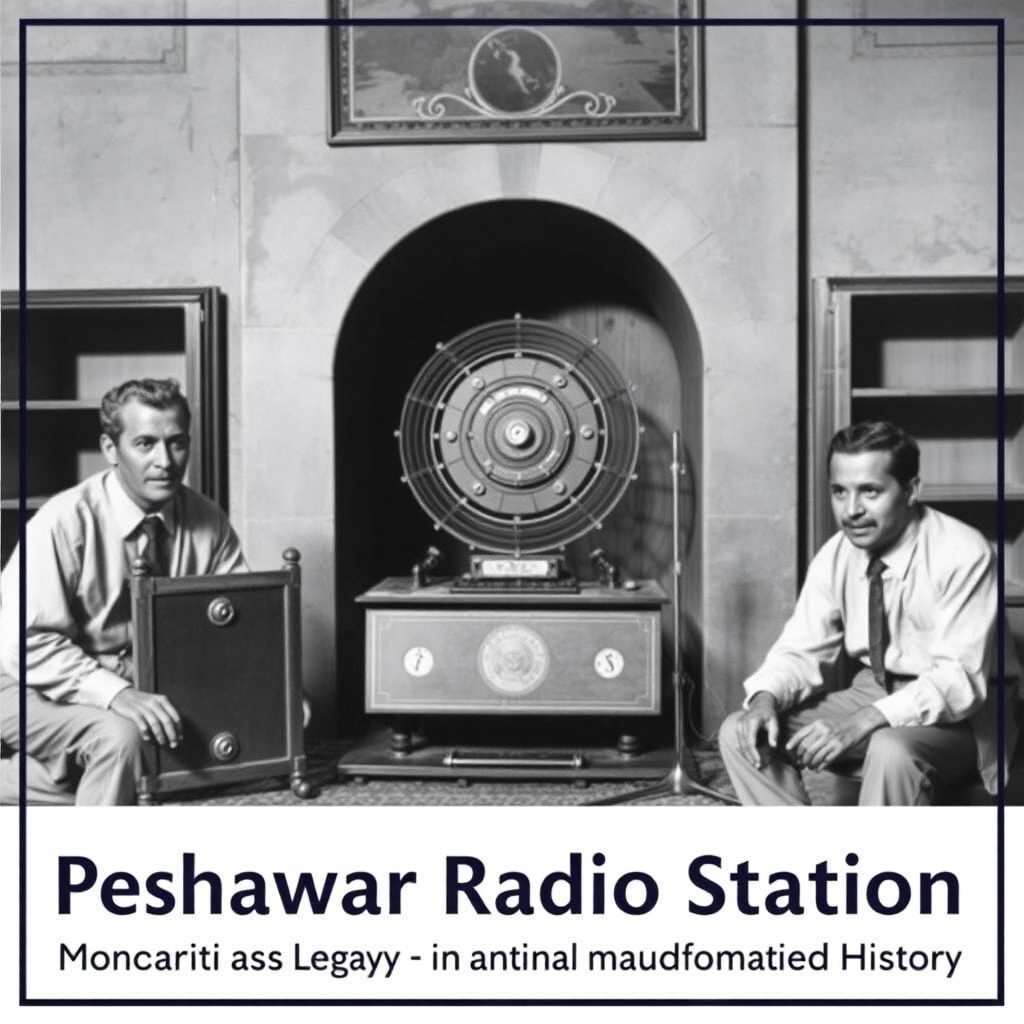
The Peshawar Radio Station, established in 1935, holds a unique place in broadcasting history due to its direct connection with Guglielmo Marconi, the inventor of the wireless telegraph. During the Round Table Conference in London (1930-1932), Abdul Qayyum Khan, a political leader from the North-West Frontier Province (NWFP) of British India, met Marconi and requested a radio transmitter for his province. Marconi agreed and personally engineered the transmitter, which was subsequently installed in Peshawar. The station was inaugurated by Sir Ralph Edwin Hotchkin Griffith, the Governor of NWFP, in 1935.
This transmitter, personally engineered by Marconi himself, was installed in Peshawar and inaugurated by Sir Ralph Edwin Hotchkin Griffith, the Governor.
The station began with a 250-watt transmitter operating on 1500 kHz, providing local coverage. Initially, it was managed by the provincial government, but control was later transferred to the Indian national government in Delhi. In March 1939, the station became a relay station, receiving programming via telephone line from Delhi. A new broadcasting facility with updated equipment was inaugurated on December 1, 1942, featuring a 10 kW RCA transmitter operating on 629 kHz.
The Peshawar Radio Station’s establishment with Marconi’s personally engineered transmitter underscores its unique status in the history of broadcasting in the region.
In today’s fast-paced digital landscape, staying ahead of the curve is no longer a luxury—it’s a necessity. Enter Google’s Gemini 2.0, the groundbreaking AI model reshaping how creators and professionals engage with their audiences. Whether you’re a seasoned content creator or a LinkedIn enthusiast striving for viral success, this cutting-edge tool has something transformative to offer.
What Is Gemini 2.0?
Gemini 2.0, launched in late 2024, represents Google’s leap into the next generation of artificial intelligence. It’s not just another AI—it’s a multimodal powerhouse capable of generating text, images, and audio with remarkable precision. Designed to amplify productivity and creativity, Gemini 2.0 seamlessly integrates into your workflow, acting as a virtual assistant for tasks ranging from drafting compelling content to scheduling posts.
How Gemini 2.0 Works
Powered by advanced machine learning algorithms, Gemini 2.0 processes and interprets user instructions across multiple formats. Its autonomous task execution capabilities enable it to perform actions such as editing images, creating expressive narratives, and managing online interactions. Whether through its mobile app, web interface, or developer API, Gemini 2.0 brings versatility and intelligence directly to your fingertips.
Quick Benefits of Gemini 2.0
Content Generation: Produce professional-grade posts, summaries, and articles tailored for maximum engagement.
Multimodal Creativity: Combine text, images, and audio to craft visually appealing LinkedIn posts.
Task Automation: Schedule posts and track engagement effortlessly, ensuring your content reaches the right audience at the right time.
Enhanced Reasoning: Execute complex instructions with precision, boosting your creative and analytical capabilities.
How Gemini 2.0 Can Make Your LinkedIn Posts Go Viral
Gemini 2.0 doesn’t just help you create—it empowers you to connect. By using its tools to craft engaging and visually stunning posts, you can:
Capture your audience’s attention.
Encourage meaningful interactions.
Establish yourself as a thought leader in your niche.
Imagine the possibilities of pairing AI-generated images and audio with well-structured, keyword-rich content. The result? A LinkedIn feed that not only stands out but drives likes, comments, and shares like never before.
How to Download Gemini 2.0 for Free
Getting started with Gemini 2.0 is easy and, best of all, free! Simply:
For developers, Gemini 2.0 also offers robust API support through Google AI Studio, making it a versatile tool for custom applications.
A Call to Action
Are you ready to take your LinkedIn presence to the next level? Download Gemini 2.0 today and experience the future of AI-driven content creation. If you’ve found this article helpful, don’t forget to like, comment, and share to spread the word!
Peshawar, the capital of Khyber Pakhtunkhwa province in Pakistan, has long been a cradle of art and culture. Its historic streets and vibrant bazaars have nurtured talents that later illuminated the silver screens of Hindi cinema in the 20th century. This article looks into the lives of legendary film stars who hailed from Peshawar, exploring their early days, migration to the Indian film industry, and their remarkable achievements.
Prithviraj Kapoor: The Patriarch of the Kapoor Dynasty
Prithviraj Kapoor, born on November 3, 1906, in Lyallpur (now Faisalabad, Pakistan), moved to Peshawar for his higher education. He attended Edwardes College in Peshawar, where he developed an interest in theater. His passion for acting led him to Bombay (now Mumbai), where he became one of the pioneers of Indian theater and cinema. Prithviraj’s legacy continued through his descendants, making the Kapoor family a cornerstone of Bollywood.
Raj Kapoor: The Showman of Indian Cinema
Raj Kapoor, son of Prithviraj Kapoor, was born on December 14, 1924, in Peshawar’s Qissa Khwani Bazaar, famously known as the “Street of Storytellers.” He spent his early years in Peshawar before the family relocated to Mumbai. Raj Kapoor’s cinematic journey began as a clapper boy, but his talent soon propelled him to acting and filmmaking. He founded R.K. Films and became renowned for classics like “Awaara,” “Shree 420,” and “Mera Naam Joker,” earning him the title of “The Showman.”
Dilip Kumar: The Tragedy King
Born as Muhammad Yusuf Khan on December 11, 1922, in Peshawar’s Qissa Khwani Bazaar, Dilip Kumar’s early life was steeped in the rich cultural milieu of the city. He received his early education in Peshawar before his family moved to Mumbai. There, he ventured into the film industry, adopting the screen name Dilip Kumar. His nuanced performances in films like “Devdas,” “Mughal-e-Azam,” and “Naya Daur” earned him the moniker “Tragedy King,” and he became one of the most respected actors in Indian cinema.
Vinod Khanna: The Handsome Hero
Vinod Khanna was born on October 6, 1946, in Peshawar to a Punjabi Hindu family. Shortly after his birth, during the partition of India, his family moved to Bombay. He completed his education at Sydenham College and developed an interest in films. Vinod Khanna made his acting debut in 1968 and went on to become one of the leading actors of his time, known for his roles in films like “Mere Apne,” “Amar Akbar Anthony,” and “Qurbani.”
Madhubala: The Venus of Indian Cinema
Madhubala, born Mumtaz Jehan Begum Dehlavi on February 14, 1933, in Delhi, was part of a conservative Pathan Muslim family with roots tracing back to Peshawar. Her father, Ataullah Khan, hailed from Peshawar and relocated the family to Bombay (now Mumbai) after facing financial difficulties. Madhubala began her film career as a child artist and rose to prominence with her ethereal beauty and acting prowess in films like “Mahal,” “Mr. & Mrs. ’55,” and the epic “Mughal-e-Azam,” where she portrayed Anarkali. Her performances left an indelible mark on Indian cinema, earning her the title “The Venus of Indian Cinema.”
Jayant: The Versatile Character Actor
Jayant, born Zakaria Khan on October 15, 1915, in Peshawar, was a prominent character actor in Indian cinema. He began his career in the 1930s and became known for his robust performances in films like “State Express” (1938) and “Sardar-e-Awwal” (1939). Jayant’s deep voice and commanding screen presence made him a favorite for roles of authority figures. He was also the father of actor Amjad Khan, who gained fame for his portrayal of Gabbar Singh in “Sholay.
Amjad Khan: The Iconic Villain
Amjad Khan, born on November 12, 1940, in Hyderabad, was the son of legendary actor Jayant, who hailed from Peshawar. Amjad Khan’s family roots were deeply embedded in Peshawar’s rich cultural heritage. He pursued his education at St. Andrew’s High School in Bandra and R.D. National College, where he was actively involved in theater. Amjad Khan’s portrayal of the dacoit Gabbar Singh in the 1975 classic “Sholay” became iconic, making him one of the most memorable villains in Indian cinema. His nuanced performances in films like “Muqaddar Ka Sikandar” and “Lawaaris” further solidified his reputation as a versatile actor.
G. M. Durrani: The Melodious Pioneer
Ghulam Mustafa Durrani, known as G. M. Durrani, was born on September 8, 1919, in Peshawar. He began his career with All India Radio, performing at the Peshawar and Lahore stations, which explored his musical talents. Durrani transitioned to playback singing in Hindi cinema during the 1930s and 1940s, becoming one of the era’s most sought-after voices. His versatility spanned sad songs, romantic melodies, patriotic anthems, qawwalis, ghazals, and bhajans. Durrani’s contributions significantly shaped the early years of Bollywood music, and he also mentored future legends like Mohammed Rafi.
Peshawar: The Cradle of Talent
Peshawar’s rich cultural tapestry and its historic Qissa Khwani Bazaar have been instrumental in shaping the artistic inclinations of these legends. The city’s emphasis on storytelling, theater, and music provided a nurturing environment that inspired many to pursue careers in the arts. The migration of these artists to the Indian film industry not only highlights their personal journeys but also underscores Peshawar’s significant contribution to the cultural and artistic exchanges in the subcontinent.
In recent years, there have been efforts to preserve the ancestral homes of these Bollywood legends in Peshawar. The provincial administration has approved budgets to purchase and restore the dilapidated houses of Dilip Kumar and Raj Kapoor, aiming to convert them into museums. These initiatives reflect a recognition of Peshawar’s rich cultural.
On a chilly December evening, I ventured into a bustling traditional food street in Pakistan, where tantalizing aromas and vibrant colors danced in the crisp air. Among the sizzling delights, a grilled fish caught my eye—a masterpiece of culinary artistry.
The fish arrived on a rustic platter, resting atop a vibrant bed of fresh green salad. Succulent cuts of ripe tomatoes, crisp lettuce leaves, and finely sliced cucumbers glistened under the streetlights. Green chilies added a spicy kick, while wedges of sour orange lent a zesty tang. The golden-brown fish, perfectly charred, glistened with a hint of butter and spices that promised an explosion of flavor.
The first bite was a harmonious medley of smoky, spicy, and tangy notes—a gastronomic embrace for the winter chill. Watch the short reel at : https://www.facebook.com/reel/5864034900360718
Have you experienced a food street feast like this? Let me know in the comments!
Gul Hamid Khan, born in 1905 in Pirpiai village near Nowshera, British India (now Pakistan), emerged as a prominent figure in early Indian cinema during the 1930s.
Early Life and Entry into Cinema
Initially serving in the British Indian Police, Gul Hamid’s striking appearance and passion for acting led him to the burgeoning film industry. He debuted in A. R. Kardar’s silent film “Sarfarosh” (1930), marking the beginning of a brief yet impactful cinematic journey.
Career Highlights
Gul Hamid’s filmography includes significant contributions to both silent films and talkies:
“Heer Ranjha” (1932): He played a pivotal role in this film, recognized as the first Punjabi feature film.
“Yahudi Ki Ladki” (1933): This film was based on Agha Hashar Kashmiri’s renowned play, showcasing his versatility.
“Seeta” (1934): Directed by Debaki Bose, “Seeta” was the first Indian talkie to be screened at an international film festival, earning an honorary diploma at the Venice Film Festival.
“Khyber Pass” (1936): Demonstrating his multifaceted talent, Gul Hamid not only acted but also wrote and directed this film.
Personal Life
In 1930, Gul Hamid married Patience Cooper, a prominent actress of the silent film era. Their partnership extended to the screen, co-starring in films such as “Baghi Sipahi” (1936) and “Khyber Pass” (1936).
Illness and Untimely Demise
Tragically, at the zenith of his career, Gul Hamid was diagnosed with Hodgkin’s lymphoma. Despite his declining health, he continued to contribute to cinema until his passing in 1936.
Legacy
Gul Hamid’s contributions during the formative years of Indian cinema left an indelible mark. His performances and pioneering efforts in early films continue to be remembered and studied by cinema enthusiasts and historians.
Begum Akhtar, also known as Akhtari Bai Faizabadi (1914–1974), was a legendary Indian vocalist renowned for her contribution to Ghazal, Thumri, and Dadra genres of Hindustani classical music. She is affectionately referred to as the “Queen of Ghazals” for her unmatched ability to blend classical techniques with the emotive depth of ghazals.
AI generated image credit: imagine.art
Early Life
Born on October 7, 1914, in Faizabad, Uttar Pradesh, she faced a tumultuous childhood after her father’s abandonment. Her passion for music was recognized early, and she was trained under prominent classical musicians like Ustad Imdad Khan, Ustad Ata Mohammad Khan, and later Ustad Abdul Waheed Khan.
Musical Journey
Begum Akhtar began her career as a performing artist in the early 1930s, including acting in a few Bollywood films such as “Roti” (1942). However, her true calling remained music. She made a significant impact with her soulful renditions of ghazals, deeply influenced by poets like Ghalib, Mir, and Jigar Moradabadi.
Unique Style
Her voice, marked by an exquisite balance of pathos and purity, elevated the ghazal to an esteemed art form. She seamlessly blended classical ragas with the lyrical beauty of Urdu poetry, making her performances deeply resonant.
Later Years and Legacy
After her marriage to barrister Ishtiaq Ahmed Abbasi, she briefly paused her public performances but returned due to overwhelming public demand. She was awarded the Padma Shri and the Padma Bhushan by the Indian government for her artistic excellence.
Begum Akhtar passed away on October 30, 1974, leaving an indelible legacy. Her music continues to inspire generations of classical and semi-classical artists, and she remains a celebrated icon in Indian music history.
Explore the intricate process of horse hoof restoration in a remote village of Pakistan, showcasing traditional techniques and the dedication of local artisans to ensure the health and well-being of these majestic animals.


 Janson's blog