Plays vs. Screenplays: Understanding the Key Differences in Storytelling

Both plays and screenplays serve as scripts for storytelling, but they are fundamentally different in their structure, presentation, and audience engagement. Understanding these differences is crucial for writers and enthusiasts of both mediums. This article delves into the key distinctions between plays and screenplays, providing examples and insights into their unique characteristics.

Format

The format is one of the most significant differences between plays and screenplays.

  • Screenplays are structured with specific formatting rules that include scene headings, character names, dialogue, and action descriptions. They often incorporate technical elements such as camera angles and shot types, guiding the visual storytelling process. For instance, a screenplay might specify a scene as follows:textINT. COFFEE SHOP - DAY JANE sits at a table, scrolling through her phone. The bell above the door jingles as TOM enters.
  • Plays, on the other hand, are written in a more straightforward style, focusing primarily on dialogue and stage directions. The visual aspects are left largely to the director and designers. A typical play script might look like this:textSCENE 1 (A small coffee shop. JANE sits at a table.) JANE (looking up) Did you get my message?

Dialogue

Dialogue serves as a critical tool in both formats, but its function and style differ.

  • In screenplays, dialogue is often used to advance the plot and provide necessary context for the audience. It tends to be more concise and direct, as the visual medium allows for non-verbal cues to convey emotions and actions. For example, a character’s reaction might be shown through a close-up shot rather than described in words.
  • In plays, dialogue is typically more stylized and can be poetic, reflecting the emotional depth of the characters. The focus is on how the words are delivered, as the audience experiences the performance live. The dialogue in plays often builds tension and develops character relationships through subtext and dramatic pauses.

Visuals

The use of visuals is another area where plays and screenplays diverge significantly.

  • Screenplays rely heavily on visual storytelling. They utilize camera angles, lighting, and special effects to create a cinematic experience. For instance, a screenplay may include descriptions of visual elements that enhance the narrative, such as:textA close-up of JANE's face reveals her anxiety as she glances at the clock.
  • Plays depend on stage design, lighting, and actor performances to convey the story. The visual elements are often limited to what can be achieved on stage, requiring playwrights to be creative in their use of props and settings. For example, a single room might serve as the entire backdrop for a play, with minimal changes to suggest different locations.

Scope and Structure

The scope and structure of plays and screenplays also differ notably.

  • Screenplays can cover expansive narratives, spanning multiple locations and time periods. They often involve a larger cast of characters and complex subplots. For example, a film like The Godfather traverses several years and locations, showcasing an intricate web of relationships and events.
  • Plays are generally more contained, often focusing on a limited number of characters and events that occur in a single setting. A play like Waiting for Godot by Samuel Beckett exemplifies this, as it unfolds in one location with minimal action over a fixed period.

Audience Experience

The audience’s experience varies significantly between the two mediums.

  • In a film, viewers passively watch the story unfold on a screen, often detached from the immediate action. The editing process allows for a polished final product that may differ from the original screenplay.
  • In contrast, a play offers a live performance that creates a unique, immersive experience. The audience shares the same space as the actors, leading to a more immediate emotional connection. The reactions of the audience can also influence the performance, making each show distinct.

Conclusion

While both plays and screenplays share the common goal of storytelling, they do so through different means. Screenplays are designed for cinematic expression, utilizing visuals and technical elements to create a compelling narrative. Plays, however, focus on dialogue and live performance, emphasizing character development and emotional engagement. Understanding these differences allows writers to choose the appropriate medium for their stories and enhances the appreciation of both forms of art.


Popular Literary Forms in 2024

In 2024, various forms of literature continue to captivate readers, each with its unique appeal and popularity. Here’s a look at the most popular literary forms along with notable references for each:

1. Novel

Novels remain the most widely read form of literature. They encompass a variety of genres, including fiction, romance, and science fiction. In 2024, readers are particularly drawn to novels that explore contemporary themes and diverse narratives. Some of the most anticipated novels include titles like The Covenant of Water by Abraham Verghese and Fourth Wing by Rebecca Yarros, which have gained significant traction on platforms like Goodreads and Amazon.

2. Short Story

Short stories are increasingly popular for their brevity and ability to deliver impactful narratives in a compact format. In 2024, collections such as How Long ‘til Black Future Month? by N.K. Jemisin and When the Hibiscus Falls by M. Evelina Galang are among the top recommendations. These collections are celebrated for their engaging storytelling and accessibility, appealing to both casual and dedicated readers.

3. Poetry

Poetry continues to resonate with readers, offering emotional depth and artistic expression. Contemporary poets like Amanda Gorman and Ocean Vuong have garnered significant attention, with their works often featured in bestseller lists. In 2024, poetry collections that reflect social issues and personal experiences are particularly popular, making poetry a vibrant part of the literary landscape.

4. Drama

Drama, particularly in the form of plays and screenplays, remains a vital literary form. The resurgence of interest in theatrical performances and adaptations for streaming platforms has contributed to its popularity. Notable works in 2024 include plays that address contemporary social issues, drawing audiences both in theaters and through digital mediums.

5. Nonfiction

Nonfiction literature, encompassing memoirs, biographies, and essays, is increasingly popular among readers seeking real-life stories and insights. In 2024, works like Spare by Prince Harry and The Light We Carry by Michelle Obama have captured widespread attention, reflecting a growing interest in personal narratives that connect with broader societal themes. Nonfiction’s ability to inform and engage readers makes it a significant part of the current literary scene.These literary forms highlight the diverse interests of readers in 2024, showcasing a blend of traditional storytelling and modern themes that resonate across various demographics.

Atlantis Unearthed: Exploring the Mysteries of the Lost City

The tale of Atlantis has captivated the imagination of scholars, adventurers, and dreamers for centuries. First introduced by the ancient Greek philosopher Plato, Atlantis is often depicted as a powerful and advanced civilization that ultimately succumbed to its own hubris. This blog explores the multifaceted aspects of Atlantis, from its origins and characteristics to its cultural impact and the ongoing quest to uncover its mysteries.

Read More

Understanding Latency Between CPU/GPU and the Monitor in Gaming

When you’re playing a game, you expect smooth, responsive interactions. However, the delay between an action and its appearance on the screen can affect your experience. This delay is known as latency, and it refers to the time it takes for information to travel from your computer’s hardware—like the CPU (Central Processing Unit) and GPU (Graphics Processing Unit)—to the display on your monitor.

Let’s break down the key components and facts about this process to help clarify how latency works.

1. What is Latency?

Latency, in the context of gaming, is the time taken for an input (like pressing a button or moving your mouse) to appear on your screen. Latency affects the responsiveness of your game, with lower latency providing a more immediate response and higher latency leading to noticeable delays. This delay can be caused by a variety of factors, including hardware limitations, software settings, or network conditions in online games.

2. CPU and GPU: Their Roles

  • CPU (Central Processing Unit): The CPU is responsible for executing the game’s logic, processing inputs, managing physics, and handling AI. It processes the instructions that tell the game what needs to happen, such as character movements, actions, or environmental changes.
  • GPU (Graphics Processing Unit): The GPU handles rendering—the process of creating the visuals on your screen. It takes the data from the CPU, such as the position of objects, and generates the images or frames. The more powerful your GPU, the faster it can render complex scenes, resulting in better performance.

3. The Journey from Input to Display

Here’s a simplified flow of how data moves through your system during gameplay:

  • Input: You press a button on your controller or keyboard.
  • CPU Processing: The CPU processes that input and determines what happens next in the game (for example, your character moves or jumps).
  • GPU Rendering: The CPU sends this information to the GPU, which calculates the lighting, textures, and effects needed for the next frame.
  • Frame Sent to Monitor: Once the frame is ready, it’s sent to the monitor, which then displays the image for you to see.

Each step in this chain adds a small amount of time, or latency.

4. Types of Latency

  • Input Lag: This refers to the time between when you press a button and when that action happens in the game. Input lag is mainly affected by the speed of the CPU in processing commands and the efficiency of communication between devices (e.g., keyboard, mouse, controller, etc.).
  • Rendering Lag: This occurs when the GPU takes too long to render a frame, often due to high graphical settings or limitations in hardware. It can also occur if the game is running at a low frame rate (FPS), as the GPU might be struggling to keep up with the workload.
  • Display Lag: This is the delay between when the GPU sends a frame and when the monitor displays it. It can vary depending on your monitor’s refresh rate and response time. High-end gaming monitors are designed to minimize display lag.

5. Factors That Influence Latency

  • Frame Rate (FPS): A higher frame rate means the GPU is rendering frames faster, reducing rendering lag. However, if the CPU or GPU can’t keep up with high settings, the FPS may drop, increasing latency.
  • Monitor Refresh Rate: A monitor with a higher refresh rate (measured in Hz) can display frames more frequently, reducing display lag. For instance, a 144Hz monitor can refresh the screen 144 times per second, compared to 60Hz, which only refreshes 60 times per second.
  • V-Sync and G-Sync: Technologies like V-Sync (Vertical Sync) and G-Sync (by NVIDIA) or FreeSync (by AMD) are designed to synchronize the frame rate of the GPU with the refresh rate of the monitor to prevent screen tearing. However, enabling V-Sync can introduce additional latency, as the GPU may wait to complete a frame until the monitor is ready to display it.

6. Measuring and Reducing Latency

Gamers often measure latency to ensure smooth, responsive gameplay, especially in competitive environments. Tools like NVIDIA’s Reflex and AMD’s Radeon Anti-Lag can help reduce latency by optimizing the timing between the CPU and GPU.

Here are a few steps to reduce latency:

  • Optimize Your Graphics Settings: Lowering certain graphics settings, like shadows or texture quality, can reduce the workload on the GPU and allow it to render frames faster.
  • Upgrade Your Hardware: Using a faster CPU, GPU, or higher refresh rate monitor can dramatically reduce latency. Gaming monitors with low response times and high refresh rates are essential for competitive gamers.
  • Disable V-Sync: Disabling V-Sync in certain situations can reduce latency, though you may experience screen tearing. G-Sync and FreeSync provide better alternatives that reduce screen tearing without adding as much latency.

7. Network Latency in Online Games

When playing online, you also have to factor in network latency, often called ping. This measures the time it takes for your computer to communicate with the game server. Even if your CPU/GPU and monitor have low latency, a high ping can still cause noticeable delays in online games.

Conclusion

Latency in gaming is a crucial aspect of the overall experience. It involves multiple components working together—CPU, GPU, monitor, and input devices—to create the smoothest possible experience. By understanding the factors that contribute to latency and how to manage them, gamers can enjoy a more responsive and immersive experience.

If you’re looking to reduce latency, consider upgrading your hardware, adjusting your game’s settings, or using technologies like NVIDIA Reflex or G-Sync to fine-tune the balance between visual quality and performance.

The AI Tutor: Transforming Education with Intelligent Learning Solutions

In an era where technology is reshaping every aspect of our lives, education is no exception. The introduction of AI tutors is revolutionizing how students learn, making education more personalized, engaging, and accessible than ever before. This blog post delves into the concept of AI tutors, their features, benefits, and the future of learning in a tech-driven world.

What is an AI Tutor?

AI tutors are advanced educational tools powered by artificial intelligence and machine learning. They are designed to provide personalized learning experiences by analyzing individual student data, including strengths, weaknesses, and learning preferences. By adapting to each student’s unique needs, AI tutors create tailored educational paths that enhance understanding and retention of knowledge.

Key Features of AI Tutors

  • Adaptive Learning: AI tutors continuously assess student performance and adjust the difficulty and style of content delivery accordingly, ensuring that students are neither overwhelmed nor under-challenged.
  • 24/7 Access: Unlike traditional tutoring, AI tutors are available anytime, allowing students to learn at their own pace and on their own schedule.
  • Interactive Learning: Many AI tutors incorporate gamification and interactive elements that make learning fun and engaging, motivating students to participate actively.
  • Instant Feedback: AI tutors provide immediate responses to student questions and assignments, facilitating quick clarification of concepts and enhancing the learning process.
  • Data-Driven Insights: AI tutors collect and analyze data on student performance, offering valuable insights to educators and parents about progress and areas needing improvement.

Benefits of AI Tutors

The integration of AI tutors into the educational landscape brings numerous advantages:

  • Personalized Learning Experience: By catering to individual learning styles and paces, AI tutors help students grasp complex subjects more effectively.
  • Increased Engagement: The interactive and gamified nature of AI tutoring keeps students motivated and eager to learn.
  • Support for Teachers: AI tutors can assist with administrative tasks and provide supplemental instruction, allowing teachers to focus on personalized student interactions.
  • Accessibility: AI tutors can reach students in remote or underserved areas, providing quality educational resources and support to those who need it most.

The Future of AI Tutors in Education

As technology continues to advance, the role of AI tutors in education is set to expand further. Potential future developments include:

  • Enhanced Emotional Intelligence: Future AI tutors may be able to recognize emotional cues and adapt their teaching methods to better suit the student’s mood and engagement level.
  • Immersive Learning Environments: The incorporation of virtual and augmented reality could create even more engaging and interactive learning experiences.
  • Automated Assessment and Reporting: AI could streamline grading and assessment processes, providing detailed analytics on student performance and suggesting tailored learning strategies.

Conclusion

AI tutors are transforming the educational landscape by providing personalized, flexible, and accessible learning solutions. While they are not a replacement for human educators, they serve as invaluable tools that enhance traditional teaching methods. As we move forward into a future where technology plays an increasingly vital role in education, AI tutors have the potential to democratize learning and empower students to achieve their full potential. Embracing these intelligent solutions can lead to a more effective and inclusive educational experience for all learners.

Elon Musk: The Innovator Reshaping Our Future

Elon Musk is a name synonymous with groundbreaking innovation and ambitious vision. As the CEO of Tesla and SpaceX, Musk has become a pivotal figure in the worlds of electric vehicles and space exploration. His relentless pursuit of technological advancement and sustainability has not only transformed industries but has also captured the imagination of millions around the globe. This article explores Musk’s remarkable journey, his significant achievements, and the principles that drive his endeavors.

Read More

Warren Buffett: The Oracle of Omaha and His Impact on Global Investing

Warren Buffett, often referred to as the “Oracle of Omaha,” is one of the most renowned investors in history. His investment philosophy and strategies have not only made him one of the wealthiest individuals in the world but have also influenced countless investors and business leaders globally. This article explores Buffett’s historical significance, his remarkable achievements, and the principles that have guided his success.

Early Life and Education

Born on August 30, 1930, in Omaha, Nebraska, Warren Edward Buffett displayed an entrepreneurial spirit from a young age. By the time he was 11, he had already purchased his first stock, a share of Cities Service Preferred, which he later sold for a modest profit. Buffett’s early experiences in business, including selling chewing gum and Coca-Cola door-to-door, laid the foundation for his future in investing.After graduating from high school, Buffett attended the Wharton School of the University of Pennsylvania before transferring to the University of Nebraska, where he earned his bachelor’s degree in business administration. He later pursued a master’s degree in economics at Columbia University, studying under the legendary investor Benjamin Graham, whose value investing principles would greatly influence Buffett’s investment philosophy.

The Birth of Berkshire Hathaway

In 1965, Buffett took control of a struggling textile manufacturing company called Berkshire Hathaway. Under his leadership, he transformed the company into a diversified holding company. Buffett’s strategy involved acquiring undervalued companies with strong fundamentals and allowing them to operate independently while benefiting from Berkshire’s financial strength.Berkshire Hathaway’s portfolio grew to include a wide array of businesses, from insurance (GEICO) to consumer goods (Coca-Cola, Kraft Heinz) and energy (Berkshire Hathaway Energy). This diversification has helped the company weather economic downturns and emerge stronger.

Investment Philosophy and Strategies

Buffett’s investment philosophy is rooted in value investing, which emphasizes purchasing stocks that are undervalued relative to their intrinsic worth. He famously stated, “Price is what you pay. Value is what you get.” This principle underscores the importance of thorough research and analysis before making investment decisions.Key tenets of Buffett’s investment strategy include:

  • Long-Term Focus: Buffett advocates for holding investments for the long term, stating, “If you aren’t willing to own a stock for ten years, don’t even think about owning it for ten minutes.” This approach allows investors to benefit from the compounding of returns over time.
  • Understanding Businesses: Buffett only invests in companies he understands, often referred to as “circle of competence.” He emphasizes the importance of knowing the business model, competitive advantages, and potential risks.
  • Durable Competitive Advantage: Buffett looks for companies with a “moat,” or a sustainable competitive advantage that protects them from competitors. This could be brand loyalty, proprietary technology, or regulatory barriers.

Philanthropy and Legacy

Beyond his success in investing, Buffett is also known for his philanthropic efforts. In 2006, he announced that he would gradually donate the majority of his wealth to the Bill & Melinda Gates Foundation and other charitable organizations. His commitment to philanthropy has inspired other billionaires to follow suit, leading to the creation of the Giving Pledge, which encourages wealthy individuals to give away at least half of their fortunes.Buffett’s legacy extends beyond his financial achievements. He is often celebrated for his down-to-earth personality, humility, and commitment to ethical business practices. His annual letters to Berkshire Hathaway shareholders are widely read and respected for their clarity and wisdom, offering insights into his investment philosophy and the state of the economy.

Conclusion

Warren Buffett’s impact on the world of investing and philanthropy is profound. Through his disciplined approach to investing and his commitment to giving back, he has set a standard for future generations of investors and business leaders. As the “Oracle of Omaha,” Buffett continues to inspire individuals to think critically about their investments and to prioritize long-term value over short-term gains. His legacy serves as a reminder that with patience, knowledge, and integrity, one can achieve remarkable success and make a lasting difference in the world.

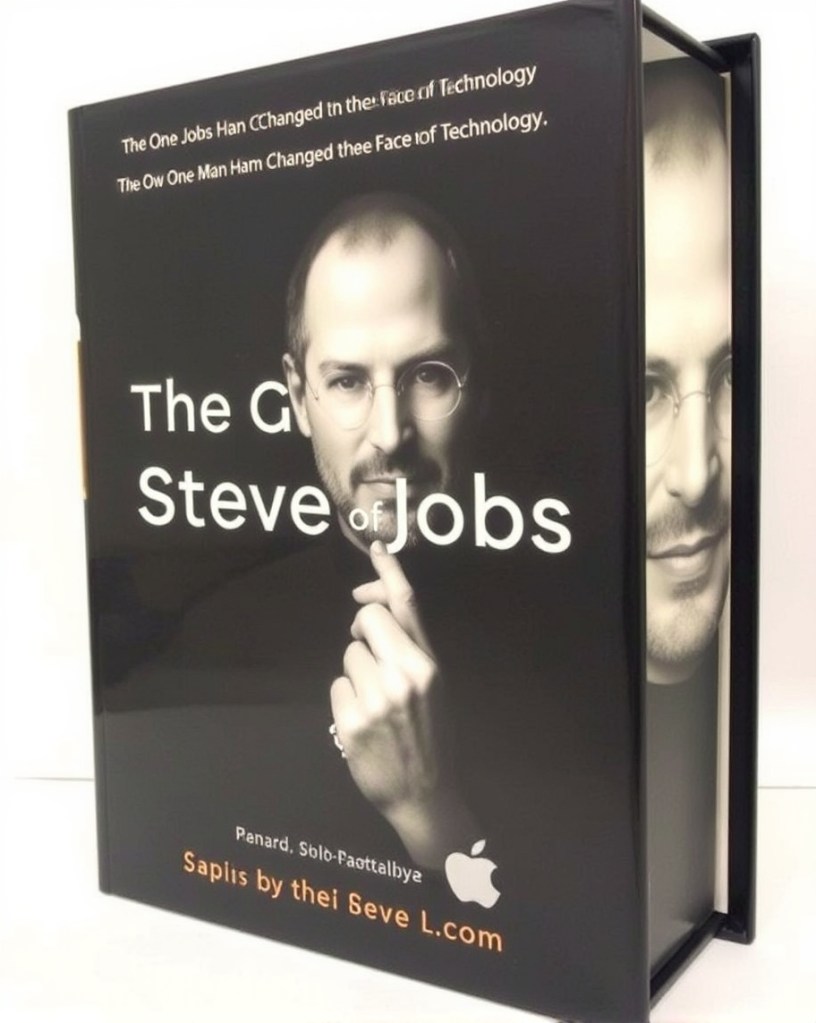
The Genius of Steve Jobs: How One Man Changed the Face of Technology

Steve Jobs, co-founder of Apple Inc., is widely regarded as one of the most influential figures in the technology industry and a pioneer of the personal computing revolution. His innovative spirit and relentless pursuit of perfection not only transformed the way we interact with technology but also reshaped entire industries. This article delves into Jobs’ historical significance, his remarkable achievements, and the enduring legacy he left behind.

Read More