The Agonizing Tragedy of Sohrab and Rustum: A Heartbreaking Tale of Fate and Folly

In the vast expanse of Persian literary heritage, few tales resonate as profoundly as the heartbreaking story of Sohrab and Rustum, retold with somber brilliance by Matthew Arnold in his 1853 narrative poem. Derived from Ferdowsi’s Shahnameh, Arnold reimagines the timeless tragedy in English verse, infusing it with profound melancholy and stoic inevitability that haunt the soul long after the final line. With every word, Arnold masterfully amplifies the grief of a father and son locked in a cruel embrace of fate, where recognition comes only too late.

The Fateful Protagonists: Sohrab and Rustum

Sohrab, the embodiment of youthful vigor and unbridled ambition, charges onto the battlefield with dreams of glory. He is the very image of a noble warrior, endowed with both strength and compassion. Yet his innocence, his yearning for recognition, and his tender hope to find the father he has never known—these very qualities make his tragic end all the more unbearable.

Opposite him stands Rustum, the famed warrior of Persia, weighed down by the burdens of age, pride, and a lifetime of battles. Rustum, whose greatness echoes across empires, is a man blind to the threads of fate that bind him to the very foe he faces. His ignorance of Sohrab’s identity, though understandable, fills the reader with a crushing sense of foreboding. The tragedy is not merely in their fatal combat but in Rustum’s unyielding belief that he fights an anonymous enemy, only to discover—when it is far too late—that the boy he has slain is his own flesh and blood.

The Supporting Figures and the Unseen Forces of Fate

Arnold’s verse introduces us to figures and forces that deepen the tragedy of Sohrab and Rustum. Tahmineh, Sohrab’s mother, remains a spectral presence throughout the narrative, her unspoken anguish lingering in the background. She bore Sohrab after a single night with Rustum and raised him alone, never revealing his lineage. This secret, rooted in her fear of losing her child to Rustum’s martial world, sows the seeds of the catastrophe.

Even Rustum’s horse, the magnificent Ruksh, becomes a silent participant in the tragedy. Ruksh, Rustum’s steadfast companion in countless battles, symbolizes loyalty and duty—qualities that propel Rustum toward a fatal confrontation with his own son.

The world of Sohrab and Rustum is also one of stoic landscapes that seem to reflect the characters’ despair. The Oxus River, meandering through the poem with an indifferent constancy, becomes a powerful metaphor for the relentless flow of time and fate. It witnesses the folly of men, absorbs their grief, and carries their stories to oblivion.

The Tragic Duel: A Slow-Building Crescendo of Sorrow

Arnold’s rendering of the climactic battle is a masterclass in restrained yet devastating storytelling. The duel between Sohrab and Rustum unfolds with a tragic inevitability that grips the heart. Arnold describes the clash of father and son with vivid detail, capturing the raw power of their combat while letting the emotional weight simmer beneath the surface. Sohrab’s youthful vigor matches Rustum’s seasoned strength, but the older warrior’s experience proves decisive.

When Rustum’s final, fatal blow lands, it is not triumph but doom that settles over the battlefield. Sohrab’s dying words—his revelation of his parentage—pierce Rustum like a dagger. The mighty warrior, who has vanquished countless foes, is brought to his knees by the cruel irony of fate. Arnold’s language here is devastatingly beautiful, painting Rustum not as a hero but as a broken man, shattered by the realization that his own hand has destroyed his legacy.

Grief Beyond Words: The Universal Tragedy

What makes Sohrab and Rustum so heart-wrenching is its universal resonance. At its core, the poem is not just about a father and son—it is about the devastating consequences of misunderstanding, pride, and the inexorable march of fate. Sohrab dies not only because Rustum fails to recognize him, but because the forces of the universe seem to conspire against them.

Arnold’s melancholic tone is unrelenting, and the reader cannot help but feel both sympathy for Rustum and an overwhelming grief for Sohrab. Rustum’s anguish is palpable as he cradles his dying son, a moment of recognition that comes far too late. And as the Oxus River flows on, indifferent to the tragedy it has witnessed, the reader is left with an aching sense of loss.

The Eternal River: A Metaphor for Life’s Indifference

The poem’s final lines, which describe the eternal flow of the Oxus River, serve as a poignant reminder of life’s indifference to human suffering. While Sohrab’s death devastates Rustum and echoes in the hearts of readers, the river flows on, unchanging, unconcerned. Arnold’s imagery here is haunting, driving home the idea that human grief, no matter how profound, is but a ripple in the vast ocean of existence.

Why This Tale Still Matters

Arnold’s Sohrab and Rustum endures not only for its poetic beauty but for its emotional depth. It is a story that forces us to confront the fragility of human connections and the inexorable power of fate. The characters, though drawn from an ancient epic, feel achingly real in their struggles and sorrows.

In a world often consumed by pride, misunderstanding, and unspoken truths, Sohrab and Rustum is a timeless reminder of the cost of silence and the tragedy of missed opportunities. It compels us to question how often we, like Rustum, fail to see the truths before us until it is too late.

As readers, we are left mourning for Sohrab, who dies with unfulfilled dreams and unanswered questions, and for Rustum, whose legendary strength cannot shield him from the most devastating blow of all. Their story is a testament to the enduring power of love, loss, and the human condition.

Share Your Thoughts

If this tale of devastating loss and unspoken truths has moved you, share your thoughts in the comments. How did Sohrab’s innocence and Rustum’s grief impact you? Let us grieve together for a tragedy that transcends time.

Click like if this tale stirred your soul, and share this article with others who need to experience the haunting beauty of Sohrab and Rustum. Perhaps, in their story, we can find a reflection of our own lives—and a lesson we must never forget.
A Timeless Celebration: The Pastoral Festival on Keats’ Grecian Urn

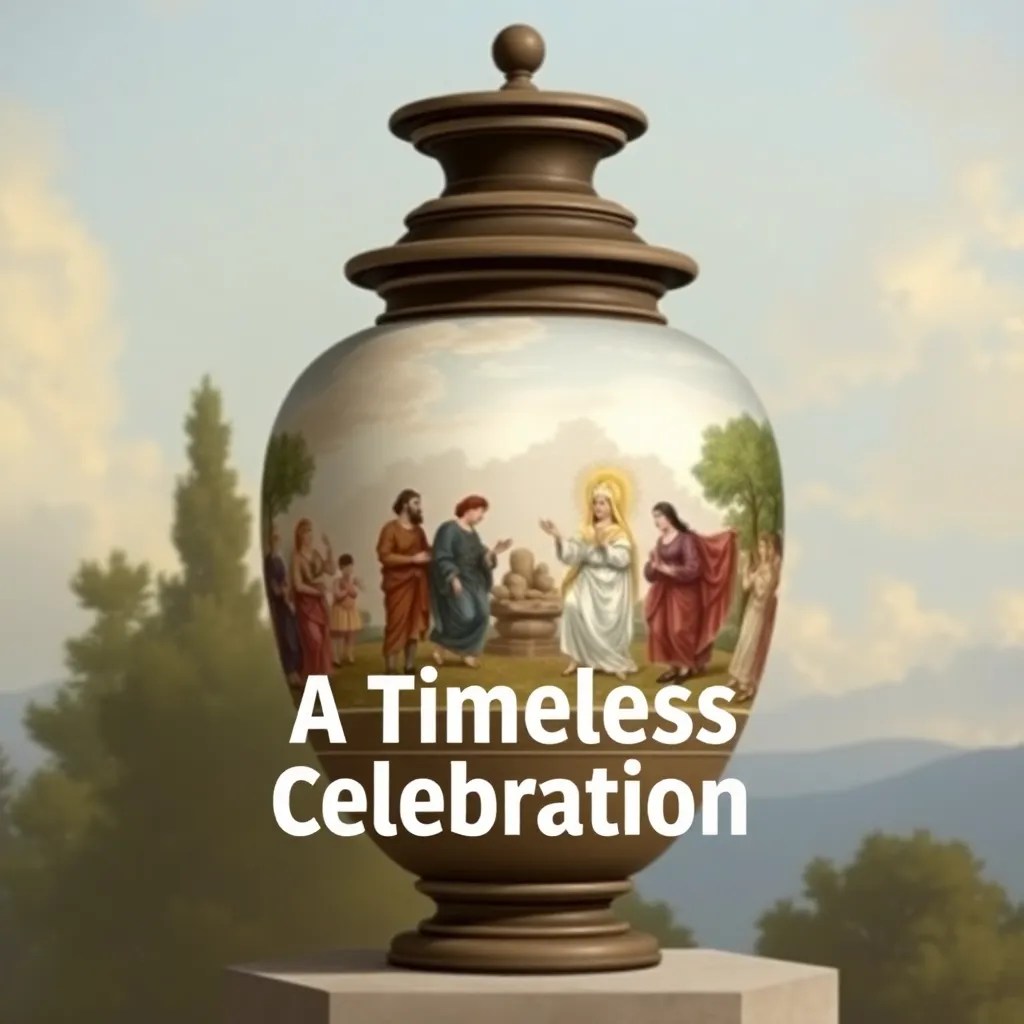
John Keats’ Ode on a Grecian Urn transports readers to an ancient world frozen in beauty and meaning. Among its enchanting depictions is a pastoral festival or religious celebration, an evocative tableau capturing a lively, communal event that will never fade or conclude. This scene, like others on the urn, is a rich canvas for exploring themes of permanence, vitality, and the human desire to preserve joy.

The Scene: A Bustling Festival Frozen in Time

Keats alludes to a festive gathering, possibly in a small town or pastoral setting, where the inhabitants are immersed in religious or communal celebration. We see images of young men and women adorned in ceremonial dress, trees in eternal bloom, and the distant altar awaiting its sacred role in the ritual. The streets are quiet, as all who dwell there are drawn to the collective moment of reverence.

This imagined depiction conveys movement and energy, yet it is forever paused on the urn. Keats’ vivid imagery allows readers to visualize an ancient culture full of life, faith, and artistry—locked in an endless moment of perfection.

Interpreting the Pastoral Scene

  1. The Joy of Rituals: The celebration on the urn reflects humanity’s universal inclination toward rituals that bring people together, whether for religious devotion, seasonal festivals, or communal milestones. By preserving such a scene in perpetuity, Keats highlights the beauty and significance of shared human experiences.
  2. Art’s Immortalizing Power: The festival participants will never grow tired, and the trees will never lose their blossoms. This permanence contrasts with the ephemeral nature of real-life celebrations, emphasizing art’s ability to eternalize fleeting moments of joy and meaning.
  3. The Paradox of Eternal Festivity: While the scene is vibrant and alive, its participants are trapped in their revelry. Keats prompts readers to question whether such permanence is a blessing or a curse. The festival is perfect, yet it can never evolve or lead to anything beyond itself. This duality reflects life’s tension between wanting to savor the moment and moving forward.

Keats’ Thoughts Behind the Ode

Keats was deeply attuned to the fleeting nature of human life, especially as he faced his own mortality. The Grecian urn, as an enduring artifact, became a symbol of what he could not achieve: permanence. The festival’s vibrant yet unchanging celebration represents his yearning for eternal beauty and his recognition of the limitations of life.

The urn’s portrayal is not merely a reflection of an ancient past but a timeless commentary on human desires, communal connections, and the role of art in preserving them.

Modern Relevance of the Festival Scene

In today’s world of digital experiences and fleeting trends, Keats’ depiction of the pastoral festival offers a profound reminder of the enduring value of shared moments. It speaks to our longing for connection, ritual, and a sense of belonging that transcends time.

For modern readers, this scene also highlights the importance of appreciating traditions and celebrating life’s transient joys while we have them. Keats’ message encourages us to cherish our present moments while understanding that, through art and memory, their beauty can last forever.

The pastoral festival on Keats’ Grecian urn isn’t just a frozen image; it’s an invitation to reflect on life, art, and the joy of celebration. How do you interpret the paradox of eternal festivity? Does the permanence of art inspire you to celebrate your fleeting moments?

Share your thoughts in the comments! If Keats’ vision resonates with you, like and reblog this article to keep the timeless beauty of his poetry alive. Let’s celebrate the enduring legacy of art together.

The Silent Symphony: Musicians Under the Trees in Keats’ Grecian Urn

The Silent Symphony: Musicians Under the Trees in Keats’ Grecian Urn

John Keats, the Romantic poet who celebrated beauty and eternity, invites us to explore the quiet yet profound world of art in Ode on a Grecian Urn. Among the vivid images painted in words is a timeless scene of musicians playing under trees, frozen forever in their act. This portrayal isn’t just a snapshot of an ancient pastoral life; it’s a gateway to understanding the power of art to transcend time and evoke emotions.

The Scene: Music Frozen in Time

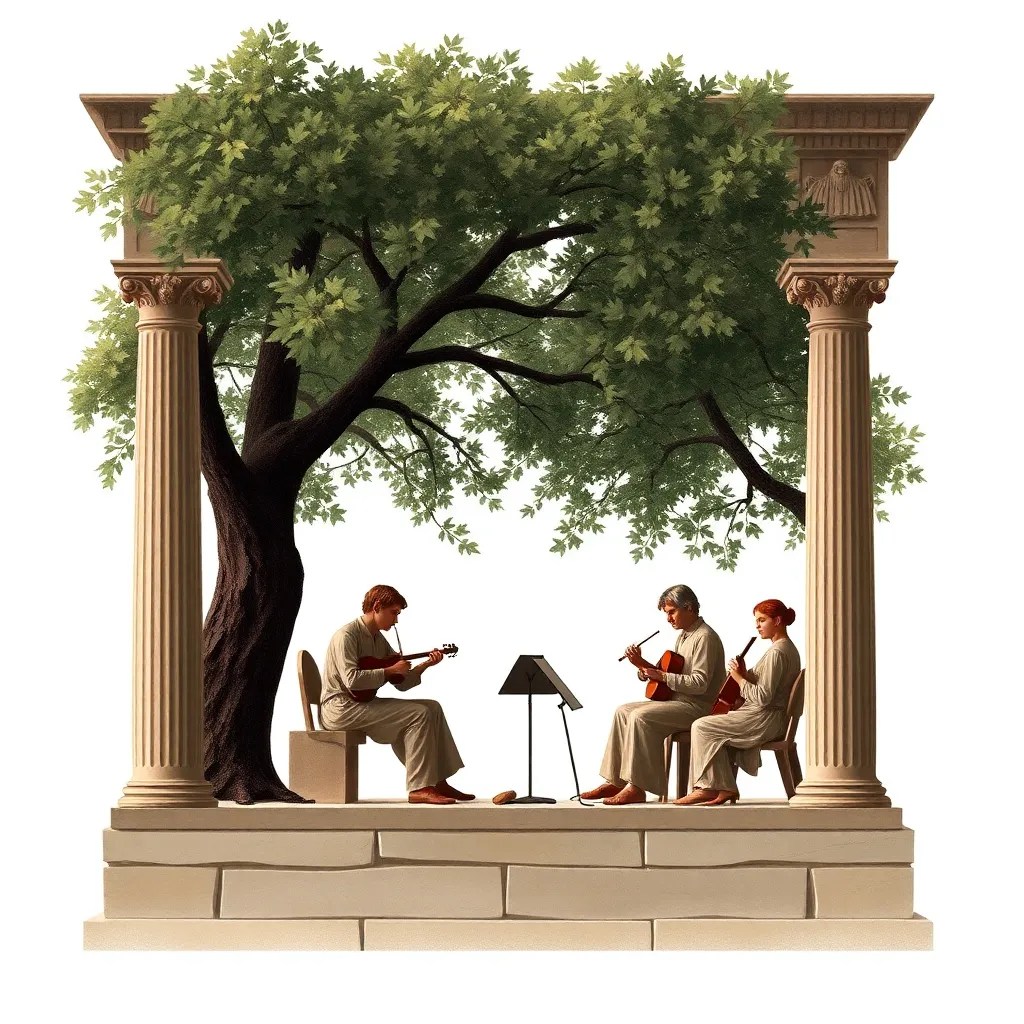
Keats describes a group of musicians under shady boughs, forever mid-performance. Their instruments are poised, their tunes unheard yet eternal, and their joy everlasting. The leaves of the trees never fall, and the melodies never fade. This portrayal captures a moment of perfect harmony between man and nature, untainted by the passage of time.

This scene is not just about music but a metaphor for the timelessness of art. The urn preserves a moment of creativity, vitality, and celebration, offering it to every viewer and reader who contemplates its silent symphony.

The Power of Silent Music

Keats’ depiction of the musicians emphasizes a paradox: though we cannot hear their tunes, the silence enhances their beauty. For Keats, imagined music surpasses real sound, as it lives in the realm of perfection, unbound by flaws or fading.

He writes:

“Heard melodies are sweet, but those unheard
Are sweeter.”

This line underscores the idea that the imagination can create its own idealized experience, transcending the limitations of physical reality. In this way, the urn becomes a muse, inspiring endless interpretations and inviting modern readers to use their imagination to complete the scene.

Why It Resonates with Modern Readers

  1. Eternal Creativity:
    In an age of fleeting digital content, Keats’ silent musicians remind us of the enduring power of art to inspire across generations. Their music may not play in real time, but its essence is alive, just as a work of literature, film, or painting continues to impact audiences long after its creation.
  2. Connection to Nature:
    The tranquil image of musicians beneath leafy trees resonates with contemporary readers longing for simplicity and connection in an era dominated by urbanization and technological overload.
  3. Celebration of Imagination:
    Keats’ belief in the power of the imagination aligns with modern creative pursuits, where interpretation and individual experience are as important as the art itself.

A Reflection on Keats’ Genius

By embedding eternal music within a silent medium, Keats challenges us to think about art’s purpose. Art, he suggests, does not need to speak aloud to touch the soul. In fact, its stillness allows it to transcend time, offering something fresh to every viewer.

This timeless quality is what makes Keats’ work not just a relic of Romanticism but a relevant and vital piece of literature today. His scene of the musicians under the trees invites modern readers to pause and appreciate the beauty of silence, the permanence of art, and the boundless nature of human imagination.

Call to Action for Readers

Keats’ Ode on a Grecian Urn teaches us that beauty and art live forever. Take a moment to ponder his words and envision the silent symphony under the shade of timeless trees. Let it inspire you to find beauty in your surroundings and create something lasting in your life.

Share this article to honor Keats’ vision. What are your thoughts on the silent music of art? Like, comment, and reblog to join the conversation and keep the timeless symphony alive!

The Heifer Led to Sacrifice: A Reflection on Keats’ Grecian Urn Scene

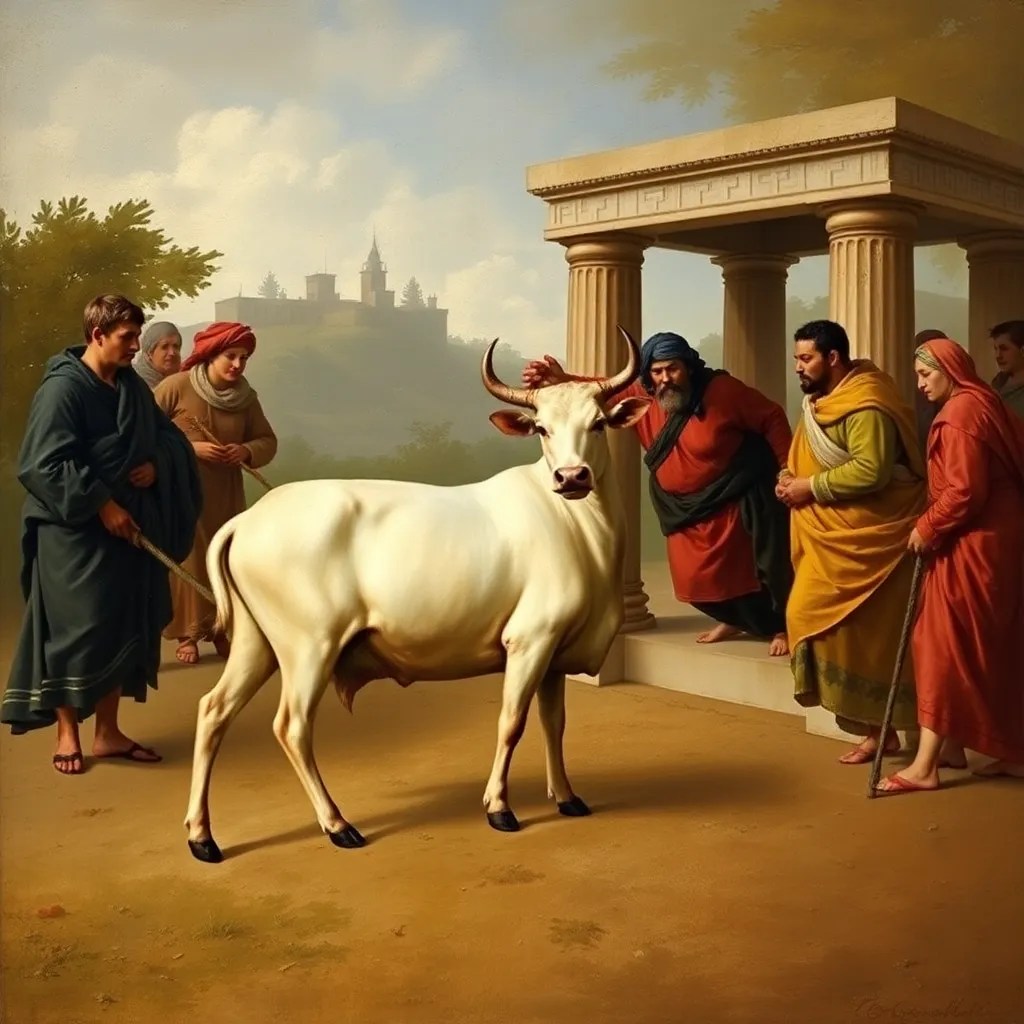
John Keats’ Ode on a Grecian Urn paints timeless scenes that explore the interplay between life, art, and eternity. Among these is a vivid depiction of a heifer being led to the altar for sacrifice. This scene, like the others on the urn, is frozen in time, offering a window into ancient rituals and a reflection on themes of permanence and mortality.

The Scene: A Silent Ritual

Keats describes a moment in which a heifer, adorned for sacrifice, is being forcibly led by its master to the altar. Surrounding the animal, we imagine a group of people dressed in ceremonial attire, their faces expressive yet motionless in the artwork. While the moment is steeped in solemnity, the urn’s silent portrayal captures only the act—not its culmination.

The Interpretation

This scene, though specific to the context of ancient rituals, resonates universally. The heifer’s sacrifice symbolizes themes of duty, loss, and reverence, and Keats uses this imagery to reflect on broader existential questions:

  1. Permanence of Art, Transience of Life: The heifer, forever on the way to the altar, is never sacrificed. Keats marvels at this eternal pause, highlighting how art immortalizes even the most transient acts. While the actual sacrifice would result in death and decay, the urn preserves the ritual in a state of unending reverence.
  2. Rituals and Meaning: The depiction evokes the cultural and religious significance of sacrifice, showcasing the human tendency to find meaning in acts of devotion. It also prompts readers to consider the ethical and emotional weight of such traditions.
  3. The Frozen Moment: Just as the lover eternally chases his beloved, the heifer is eternally led to its fate. This suspension in time adds a bittersweet beauty to the scene. Keats suggests that, while life moves forward relentlessly, art offers a reprieve—an opportunity to reflect on moments without the consequence of time.

Keats’ Thoughts While Writing

Keats, deeply aware of his own mortality, found solace in art’s ability to outlast life. The scene of the heifer led to sacrifice might reflect his feelings of inevitability and loss, as well as his admiration for art’s capacity to render such moments timeless and meaningful. Through this, he contemplates the interplay of permanence (in art) and ephemerality (in life).

For the Layman

Imagine a painting where a cow is being taken for a ritual. It might seem ordinary, but in Keats’ vision, this frozen scene becomes extraordinary. The cow will never reach the altar; it will always remain on its path, beautifully adorned and surrounded by solemn rituals. Keats uses this image to remind us that life is fleeting, but art captures moments forever, allowing us to reflect on their deeper meaning.

A Universal Reflection

The heifer’s scene speaks to humanity’s timeless struggle with sacrifice, purpose, and loss. By capturing this moment in perpetuity, Keats invites us to marvel at the beauty of life’s rituals, even as they remind us of our mortality. Like the urn itself, the heifer’s journey is a story of endurance, silently whispering to generations: “Beauty is truth, truth beauty.”

The Pursuit of Love on the Grecian Urn: A Window into Keats’ Thoughts

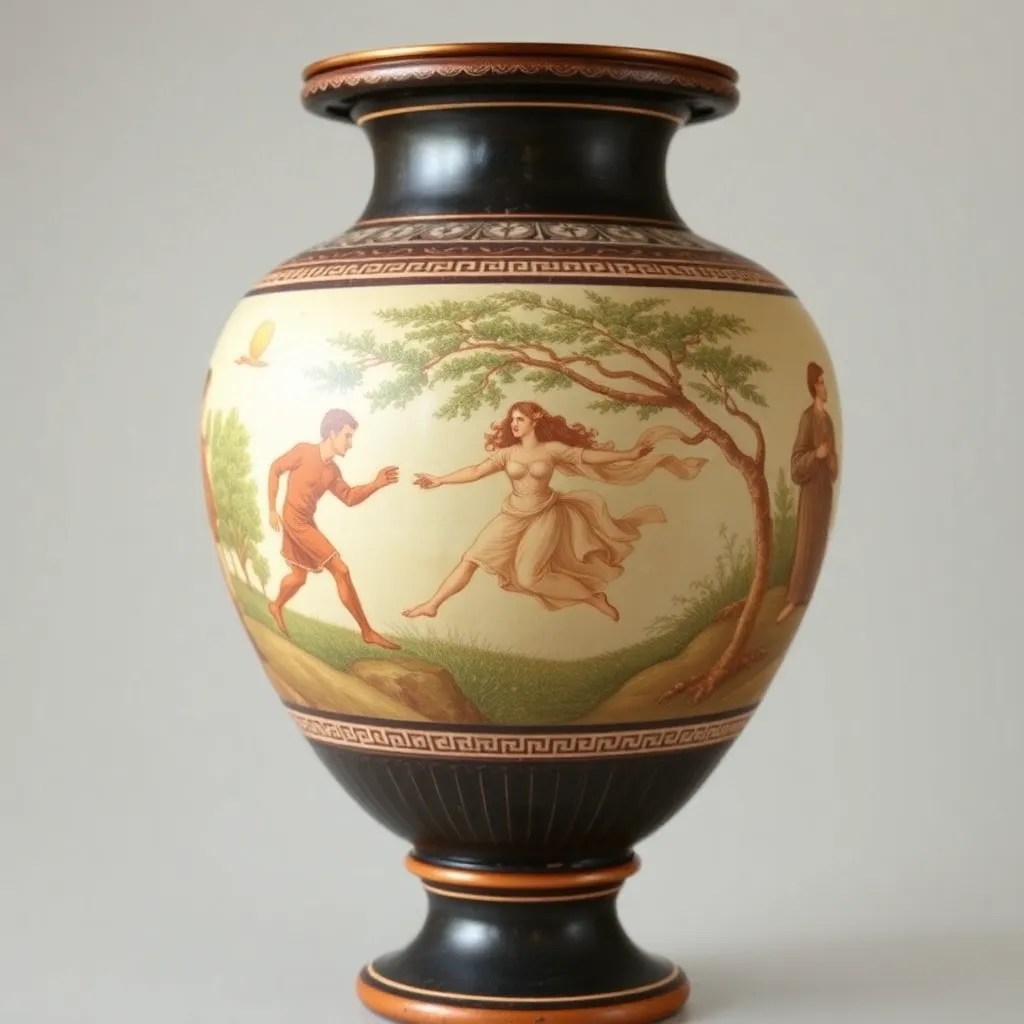
John Keats’ Ode on a Grecian Urn is one of the most celebrated poems in English literature, filled with timeless themes like beauty, permanence, and the nature of art. One of the vivid scenes depicted on the urn shows a lover chasing his beloved through an idyllic setting, yet never quite catching her. This captivating episode, rich in both visual and philosophical implications, reveals much about the poet’s contemplation of life and eternity.

The Scene: Eternal Chase

In the painting imagined by Keats, a youthful lover stretches out in pursuit of his beloved, her figure seemingly floating ahead, perpetually beyond his grasp. The scene is alive with motion, yet frozen in time, as it exists on the silent, unchanging urn. Keats describes the moment with admiration, calling attention to its beauty and vitality, though the figures themselves are locked in an eternal moment.

The Interpretation

This episode is not merely a depiction of romantic pursuit but serves as a metaphor for human desire, ambition, and the eternal yearning for fulfillment. Keats suggests that although the lover can never physically capture his beloved, there is profound beauty in the act of pursuit itself. Their love, untainted by time, remains forever new and unfulfilled, untouched by the fading effects of reality.

  1. The Immortal Beauty of Art: The urn preserves this moment forever. Unlike human life, where passions wane and beauty fades, the lovers on the urn are immortalized in their idealized state. Keats marvels at how art can transcend time, allowing beauty and emotion to remain perpetually fresh.
  2. The Paradox of Eternity: While the lovers’ moment is eternal, it is also incomplete. Keats highlights a paradox: what makes the scene beautiful is also what denies it fulfillment. The lover’s chase is endlessly hopeful but equally futile. This duality reflects the human condition—always striving, always yearning, never fully satisfied.
  3. Art vs. Reality: The static perfection of art contrasts with the dynamic imperfection of real life. In life, a lover might catch their beloved, but the passion could fade or become marred by imperfection. On the urn, however, the lover’s emotions remain forever vivid, untouched by disappointment.

Keats’ Thoughts While Writing

Keats wrote the ode during a time when he was grappling with personal struggles, including financial difficulties and declining health. His deep appreciation for beauty and art was perhaps a response to the transience of his own life. Through this ode, he explored the idea that while human experiences are fleeting, art offers a way to preserve beauty and emotion for eternity.

For the Layman

Keats uses the image of a lover chasing his beloved to talk about our own dreams and desires. While we may never achieve all that we hope for, the excitement of striving for those dreams is what makes life meaningful. The lover on the urn will never stop running, but he also will never grow tired or lose hope. For Keats, this eternal pursuit, captured in art, is both beautiful and bittersweet.

By exploring such universal themes, Keats transforms the scene from a mere painting on a vase into a profound meditation on human existence. The eternal chase, with its joy and sorrow, reflects the richness of life itself—an experience that, though fleeting, is beautiful in its imperfection.

Exploring Satire in Polonius’ Irony: “Brevity is the Soul of Wit”

William Shakespeare’s Hamlet is an intricate tapestry of themes, character dynamics, and wit, where even the most trivial-seeming dialogues are loaded with profound significance. Among the numerous memorable lines is Polonius’ famous assertion: “Brevity is the soul of wit, and tediousness the limbs and outward flourishes.” This phrase is often quoted as a celebration of conciseness, but in the context of Hamlet, its satirical undertones expose much about Polonius’ character and Shakespeare’s use of dramatic irony.

The Context of Polonius’ Statement

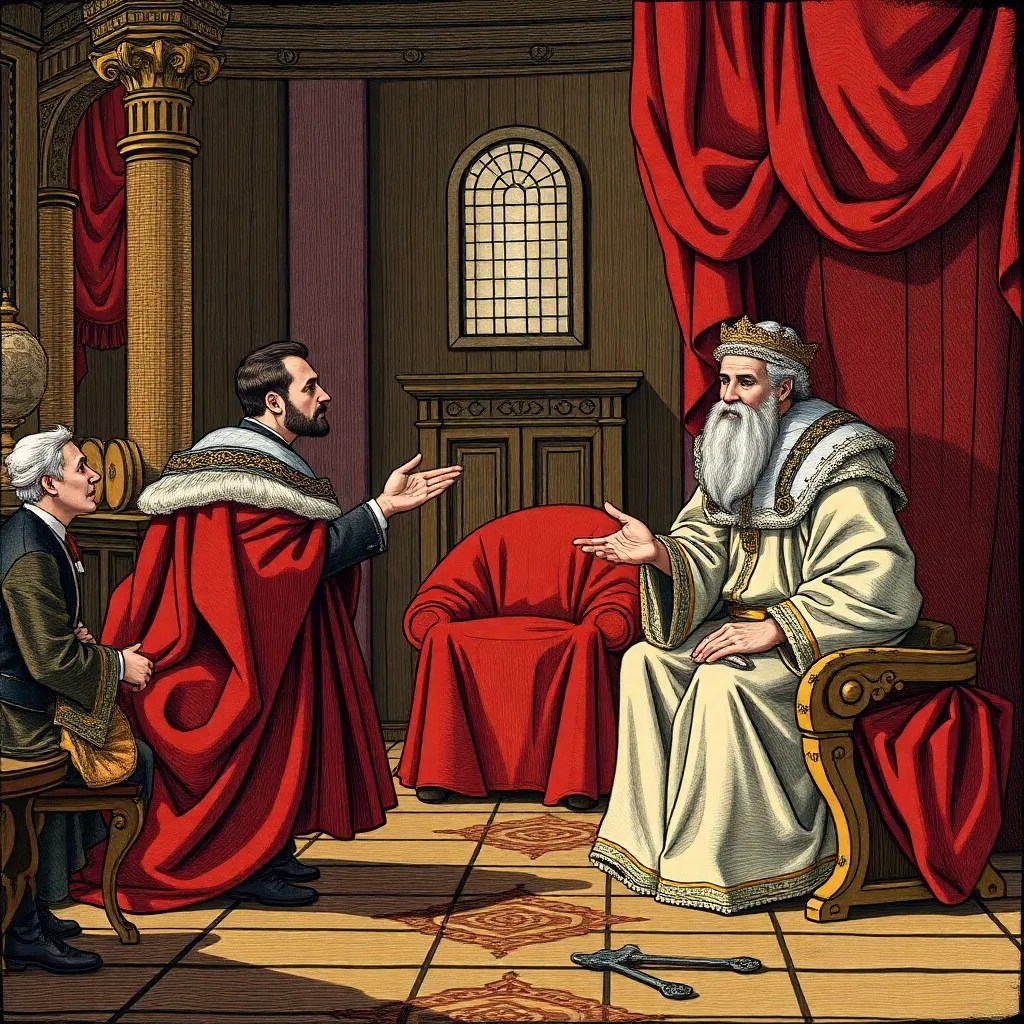
Polonius, the verbose and often self-important courtier, utters this line in Act II, Scene II, while addressing King Claudius and Queen Gertrude. Ironically, Polonius is anything but brief as he rambles on about Hamlet’s perceived madness. His overly long and convoluted speech directly contradicts the very principle he is attempting to espouse, thereby creating a layer of humor and satire that audiences and readers have enjoyed for centuries.

The Satirical Irony Behind Polonius’ Words

  1. Polonius as a Parody of Wisdom
    Polonius frequently tries to appear wise and insightful, but his actions often undermine his words. His declaration about brevity is an inadvertent satire of himself, as he indulges in the very tediousness he criticizes. Shakespeare portrays Polonius as a pompous character who believes his verbosity signals intelligence, making him a comical figure rather than a sage advisor.
  2. Critique of Court Etiquette
    Shakespeare uses Polonius to satirize the culture of courtly sycophancy and pretentiousness. In Elizabethan society, verbose speeches and elaborate courtesies were the norm among courtiers trying to gain favor. Through Polonius, Shakespeare mocks this tendency, suggesting that true wit and wisdom lie in succinctness—a value Polonius neither practices nor embodies.
  3. Dramatic Irony for the Audience
    The line is a masterstroke of dramatic irony. Polonius’ long-winded preamble to the King and Queen causes impatience, highlighting the gulf between his perception of himself and how others see him. The audience, in on the joke, laughs at his lack of self-awareness while also reflecting on the value of economy in language.

The Larger Theme: Wit and Human Folly

This line serves as a microcosm of one of Shakespeare’s enduring themes: the contrast between appearance and reality. Polonius appears wise and authoritative but is in fact shallow and foolish. Shakespeare’s subtle satire extends beyond the character to broader human folly—how often do people preach virtues they themselves fail to practice?

Modern Relevance of Polonius’ Satire

In today’s world of endless speeches, verbose emails, and social media posts, Polonius’ declaration is more relevant than ever. The phrase reminds us of the value of clarity and brevity in communication. Yet, like Polonius, many of us fall prey to overexplaining, leading to unintentional humor or miscommunication.

By analyzing Polonius’ dialogue, we see how Shakespeare expertly layers comedy with critique. The humor makes the message memorable, and the critique prompts self-reflection. Polonius’ paradoxical wit reminds us that sometimes, the loudest advocates of wisdom can unwittingly become its greatest jesters.

Do you see traces of Polonius in modern society—leaders, writers, or influencers who contradict their own advice? Share your thoughts in the comments! And if this literary dive into Shakespeare’s wit intrigued you, don’t forget to like and share this article with fellow literary enthusiasts.

The Pearl by John Steinbeck: A Tale of Greed, Class, and Morality

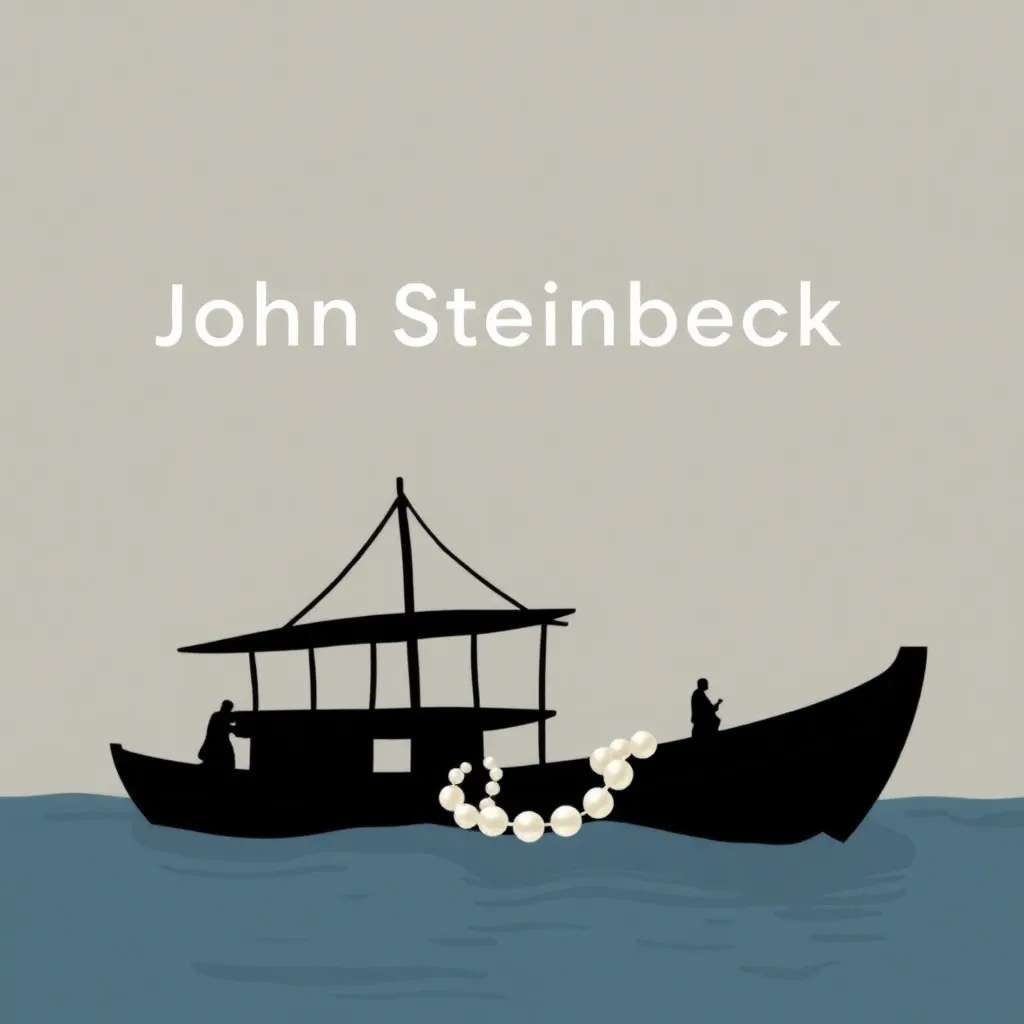
John Steinbeck’s The Pearl is a novella that masterfully explores themes of greed, class division, human nature, and the consequences of ambition. Set in a small coastal town in Baja California, Mexico, the story follows Kino, a poor pearl diver, and his family as they encounter both hope and tragedy when Kino discovers a magnificent pearl, the “Pearl of the World.” The novella’s brevity and symbolism make it a powerful work that resonates with readers on multiple levels. In this article, we will delve into one special element of The Pearl—the transformative and corrupting influence of the pearl itself—and examine how it becomes a central symbol of the story.

The Discovery of the Pearl

The plot of The Pearl revolves around Kino’s discovery of an unusually large, lustrous pearl while diving for oysters. Kino, a poor but contented man, dreams of a better life for his family. The pearl promises to be the means to achieve those dreams. It is seen as a symbol of hope and possibility—a means to pay for his son Coyotito’s education, marry his wife Juana in a church, and improve their living conditions. Kino is consumed by the prospect of a brighter future, and initially, the pearl seems to represent a new beginning.

However, it soon becomes evident that the pearl’s influence is more insidious than Kino could have imagined. While it initially appears to be a symbol of hope and opportunity, it quickly becomes a source of conflict and destruction, both within Kino’s family and in the wider community.

The Corruption of Kino

One of the most striking elements of The Pearl is the way in which Kino’s character is gradually transformed by the pearl. Kino begins as a simple, hardworking man, motivated by the desire to provide for his family. Yet, as the story progresses, the pearl changes him. His desire for wealth grows more intense, and his actions become increasingly irrational. He becomes paranoid, distrustful, and violent.

Kino’s transformation is reflected in his behavior towards his wife, Juana. At the beginning of the novella, Kino and Juana have a loving and supportive relationship. They are partners in their struggles, sharing a sense of unity and purpose. However, as Kino becomes consumed by the pearl, he begins to ignore Juana’s warnings and suggestions. Juana, who initially sees the pearl as a blessing, soon recognizes its dangerous influence and urges Kino to throw it away. She sees that the pearl is no longer a symbol of hope, but a symbol of evil. Kino, blinded by his greed, refuses to listen to her. He is determined to keep the pearl, no matter the cost.

Kino’s descent into violence is marked by his willingness to harm others to protect the pearl. He attacks those who would take it from him, even resorting to killing in the process. This transformation from a humble, hard-working man to a violent and obsessed figure illustrates the corrupting influence of wealth and the dangers of allowing material possessions to define one’s identity and priorities.

The Pearl as a Symbol

The pearl itself is the central symbol in the novella, representing not just wealth, but the destructive power of greed. Steinbeck uses the pearl to highlight how the pursuit of material gain can corrupt individuals, families, and entire communities. Kino’s obsession with the pearl reflects a universal human tendency to become consumed by desires and ambitions, often at the expense of one’s integrity and relationships.

At first, the pearl represents the promise of a better life. However, as Kino’s desire for the pearl grows, it comes to symbolize the darker aspects of human nature—greed, envy, and pride. Kino’s initial dream of improving his family’s life is overtaken by his obsession with acquiring more and more wealth, and the happiness he hopes to find turns into sorrow and tragedy. The pearl, once a symbol of hope, becomes a curse, and its true value is revealed to be much less than its cost.

The local townspeople, who initially celebrate Kino’s discovery, also fall prey to the pearl’s corrupting influence. They all become obsessed with the potential fortune Kino can acquire and view him through the lens of their own desires. The doctor, who refuses to treat Kino’s son Coyotito’s scorpion sting until he learns of the pearl’s existence, becomes a symbol of how greed can distort human compassion. The priest, the dealers, and the trackers who pursue Kino are all driven by the pearl’s promise of wealth, reflecting the widespread impact of materialism.

The Tragic Conclusion

The tragic end of The Pearl underscores the novella’s powerful moral lesson. After Kino’s violence and the death of his son, Coyotito, Kino comes to realize that the pearl has brought nothing but pain and destruction to his life. In the final act of the novella, Kino and Juana, now devastated by the loss of their son, make the decision to throw the pearl back into the sea. This act of abandoning the pearl signifies Kino’s recognition that his greed has cost him everything. It is a moment of profound insight, but it comes too late to reverse the damage that has been done.

The conclusion of the novella reveals that true wealth lies not in material possessions but in the things that cannot be bought—love, family, and peace of mind. Kino’s ultimate rejection of the pearl serves as a poignant reminder of the dangers of materialism and the importance of retaining one’s humanity in the face of temptation.

Conclusion

In The Pearl, John Steinbeck presents a timeless tale about the corrosive effects of greed and the moral lessons that can be learned from the pursuit of wealth. The pearl itself is a powerful symbol of both hope and destruction, and its role in the story highlights the dangers of letting material desires overshadow the values that truly matter in life. Through Kino’s journey, Steinbeck asks us to reflect on our own values and the costs of our ambitions. In the end, The Pearl is a cautionary tale that reminds readers of the fragile nature of happiness and the destructive potential of unchecked greed.

Alexander Pope: A Literary Titan Misunderstood in His Age Yet Revered Through Time

Introduction to Alexander Pope

Alexander Pope, an 18th-century English poet, stands as one of literature’s great satirists, yet his life was marked by considerable personal and professional challenges. The idea that “Pope was great, but not in his age” speaks to the dichotomy of Pope’s legacy: while admired by some, he was also subject to severe criticism. His biting wit and distinctive satirical style drew both praise and disdain from contemporaries. Religious limitations, societal bias, and health struggles all shaped Pope’s career. This article explores how, despite these hurdles, Pope’s literary genius was ultimately recognized after his time, with a reputation that grew as later critics and writers acknowledged his mastery of language, satire, and moral reflection.

Early Life and Education

Born in London in 1688 to a Catholic family, Pope grew up amid significant restrictions. Catholics faced harsh discrimination in England, limiting Pope’s access to formal education and career opportunities. As a result, he became a largely self-taught scholar, immersing himself in the works of classical poets like Homer, Virgil, and Ovid. This early passion for classical literature molded his poetic style, grounding it in the traditions of Neoclassicism. Yet, his health presented another challenge; a severe form of tuberculosis left Pope with lifelong physical ailments. These difficulties isolated him but also spurred his drive to make an indelible mark on English literature, a goal he would achieve with vigor and resilience.

The Landscape of 18th-Century English Literature

Pope’s rise occurred in a period when Neoclassicism, which stressed order and reverence for the classics, dominated English literature. Satire emerged as a preferred tool for examining social issues, with writers like John Dryden and Jonathan Swift critiquing their world through wit and irony. Pope became a leading figure in this satirical movement, blending classical influences with contemporary commentary. His Catholic background, physical condition, and lack of noble connections, however, distinguished him from his peers. These characteristics, combined with his intellect, positioned him as a unique voice in English letters. Pope’s perspective allowed him to both critique and emulate his contemporaries, solidifying his status as a transformative force in literature.

Pope’s First Success: Pastorals and An Essay on Criticism

Pope’s initial foray into literature began with Pastorals (1709), which gained him early attention for its use of classical forms to depict rural life. His true breakthrough came with An Essay on Criticism (1711), a work that presented his thoughts on poetry and criticism in eloquent, memorable language. The poem, penned in heroic couplets, combines insights into art with satirical observations on literary critics, showcasing Pope’s unique talent for blending philosophy with poetic elegance. Famous lines like “To err is human; to forgive, divine” highlight Pope’s capacity for capturing timeless truths. This success, though, also brought Pope new detractors, who saw his youthful ambition as audacious. Nevertheless, An Essay on Criticism established Pope’s voice in English letters.

Satire and Social Critique in The Rape of the Lock

Pope’s The Rape of the Lock (1712) remains one of his most acclaimed works, using mock-epic style to satirize the vanities of aristocratic society. The poem tells the humorous tale of a quarrel over a stolen lock of hair, which Pope presents in the grand style of Homeric epic, amplifying the absurdity of high-society customs. This mix of “high” and “low” style offered readers a critique of trivial conflicts while paying homage to classical epic tradition. Pope’s satirical wit struck a chord with readers, but it also sparked controversy. While some viewed it as lighthearted fun, others found the critique of upper-class pretensions biting. The Rape of the Lock affirmed Pope’s skill at merging humor and social critique, helping to establish satire as his trademark.

Political and Religious Constraints

Pope’s Catholic faith imposed significant limitations on his career. England’s Protestant establishment barred Catholics from many professions and social privileges, which hindered Pope’s public prospects. Lacking access to patronage, he relied heavily on the sale of his books, a unique approach that allowed him financial independence uncommon among writers of his time. His works often reflected a sense of exclusion and a critical view of established norms. Pope’s satire, at times, became his shield and his weapon, allowing him to critique the power structures and conventions of his era without directly attacking individuals. This balancing act was essential to his survival and success in a society often hostile to his faith and views.

Pope’s Major Work: The Dunciad

The Dunciad (1728) represents Pope’s most scathing critique of mediocrity in literature and society. Targeting individuals he deemed representatives of “dullness,” the poem ridicules the shallow writers and critics who, in Pope’s view, sullied the literary field. By portraying them as servants of the goddess Dulness, Pope calls into question the very quality of English letters in his day. This harsh satire earned him numerous enemies, and his targets included prominent figures like Colley Cibber and Joseph Addison. Although divisive, The Dunciad showcased Pope’s mastery of satire and solidified his role as a critic of society’s intellectual failings, cementing his place as an uncompromising force in English literature.

Moral Philosophy in An Essay on Man

In An Essay on Man (1733-1734), Pope delves into questions of existence, ethics, and human nature, exploring humankind’s place within the universe. The work’s central line, “Whatever is, is right,” embodies a philosophical optimism, reflecting the belief in a harmonious, divinely ordered world. Written in heroic couplets, the poem grapples with the balance between human imperfection and universal design. Pope’s approach was influenced by Enlightenment ideas, though the poem was critiqued for its idealism. Despite mixed reactions, An Essay on Man resonated with thinkers across Europe and became one of Pope’s most widely read works, influencing both philosophical and literary discourse well beyond his time.

The Challenge of Literary Fame in His Lifetime

Pope’s fame did not shield him from personal attacks and public criticism. His satirical barbs in works like The Dunciad invited hostility from literary rivals and public figures. These adversaries questioned his intentions and accused him of being overly ambitious, especially as he defended his reputation vigorously. In response, Pope often addressed his critics through satirical poetry, reinforcing his position as a fiercely independent voice. By the end of his life, however, he saw a decline in popularity as other literary trends emerged. Nevertheless, Pope’s contributions were undeniable, and his self-assertive approach to fame reflected his unyielding commitment to his vision and principles.

Pope’s Legacy and Influence on Later English Literature

Though Pope’s career was marked by controversy, his influence only grew after his death. Romantic poets, including Byron, Wordsworth, and Shelley, admired his mastery of language and satirical wit, even as they diverged from his formal style. His use of the heroic couplet left a lasting mark on English poetry, while his philosophical and moral writings continued to provoke thought among readers and critics. Over time, literary scholars recognized Pope’s contributions to both poetic form and social commentary. His works became subjects of admiration and study, underscoring how his fame only increased after his time, with his legacy recognized as one of skill, resilience, and cultural insight.

Conclusion: Pope’s Reception and Enduring Legacy

In reflecting on Pope’s journey, it becomes evident that his life embodied the idea of being “great, but not in his age.” While admired by some in his time, it took years for his genius to gain full appreciation in the literary world. Pope’s ability to confront societal shortcomings, blend humor with philosophy, and wield the English language with precision has cemented his place among the literary greats. His career exemplifies how true brilliance often requires the lens of history to be fully appreciated, with his influence enduring long after his era. Alexander Pope’s legacy serves as a testament to the power of the written word, enduring beyond the limitations of time and circumstance.

Lady Una: The Embodiment of Truth and Virtue in The Faerie Queene

Edmund Spenser’s The Faerie Queene stands as a monumental work in English literature, woven with intricate allegories and vibrant characters that represent various moral virtues. Among these characters, Lady Una emerges as a quintessential figure, embodying truth and virtue amidst a landscape rife with deception and malevolence. In this exploration, we delve deeply into the character of Lady Una, her symbolic significance, her role in the epic narrative, and the broader themes she embodies.

I. Introduction to Lady Una

Lady Una, introduced early in The Faerie Queene, is the personification of truth and one of the poem’s most compelling characters. Spenser crafts her character with an air of nobility and grace, often contrasting her virtues against the vices that pervade the world around her. In a narrative that unfolds like a grand tapestry, Lady Una’s presence is a vital thread, linking various elements of the story through her unwavering dedication to truth and virtue.

From the outset, Lady Una is depicted as an archetype of purity, described with language that evokes her ethereal beauty and moral integrity. Spenser uses rich imagery to convey her divine qualities, likening her to celestial beings. This connection to the divine is not merely aesthetic; it reflects her role as a guiding force for the Red Cross Knight, her companion, who embarks on a quest for self-discovery and redemption.

II. Symbolism and Allegory

Lady Una’s character is laden with allegorical meaning. Her name itself, derived from the Latin word for “one,” signifies unity and truth. This linguistic choice reinforces her role as a stabilizing force in a chaotic world. Throughout the epic, her journey embodies the pursuit of truth—a theme central to Spenser’s moral vision.

In the epic tradition, characters often serve as allegories for specific virtues or vices. Lady Una embodies truth, contrasting sharply with the deceptions represented by the character of Duessa. Duessa, who symbolizes falsehood and deception, is depicted as Lady Una’s antithesis, showcasing the stark dichotomy between truth and falsehood. This juxtaposition not only highlights Lady Una’s virtuous qualities but also serves to critique the societal norms of Spenser’s time.

III. The Trials of Lady Una

As Lady Una accompanies the Red Cross Knight on his quest, she faces numerous trials that test her resilience and commitment to truth. One significant episode occurs when she is captured by the monstrous Errour, a creature that symbolizes confusion and moral decay. This encounter serves as a pivotal moment in the narrative, illustrating the challenges faced by those who seek truth in a world dominated by lies and deception.

The battle between the Red Cross Knight and Errour represents a larger struggle between good and evil, with Lady Una’s presence reinforcing the knight’s quest. Her unwavering faith in his potential to overcome the darkness is a testament to her strength and serves to inspire him in his moments of doubt. Spenser masterfully portrays her not merely as a damsel in distress but as a powerful figure who actively influences the narrative’s direction.

IV. Lady Una as a Catalyst for Growth

Lady Una’s influence extends beyond her immediate actions; she serves as a catalyst for the Red Cross Knight’s growth. Her character embodies the virtues that he must embrace to achieve his ultimate purpose. Through her guidance, he learns the importance of perseverance, humility, and the relentless pursuit of truth.

This mentorship is particularly evident in their interactions, where Lady Una’s wisdom shines through. She often provides counsel that reflects a deep understanding of human nature and the moral complexities that define the quest for virtue. Spenser captures this dynamic through dialogue that is both poetic and profound, allowing readers to witness the transformative power of Lady Una’s character.

V. The Impact of Lady Una’s Character

Lady Una’s presence is not confined to her immediate role in the narrative; she represents a broader cultural and literary archetype of the virtuous woman. In the context of the Renaissance, Spenser’s portrayal of Lady Una reflects contemporary ideals of femininity, where virtue, grace, and strength are intertwined. Her character serves as a model for women in literature and society, embodying the qualities that were esteemed during Spenser’s time.

Moreover, Lady Una’s journey is emblematic of the broader human experience. Her trials resonate with universal themes of struggle, resilience, and the quest for truth. Through her character, Spenser invites readers to reflect on their own journeys, encouraging them to seek out truth and virtue even in the face of adversity.

VI. Conclusion: The Legacy of Lady Una

In conclusion, Lady Una stands as one of the most significant characters in The Faerie Queene, representing the timeless virtues of truth, grace, and resilience. Spenser’s intricate portrayal of her character elevates her beyond the role of a mere companion; she becomes a symbol of hope and inspiration.

Through her trials, mentorship, and unwavering commitment to truth, Lady Una embodies the essence of Spenser’s moral vision. Her legacy endures in the annals of English literature, serving as a testament to the enduring power of truth and virtue in the face of overwhelming challenges.

As literature enthusiasts, we are reminded of the impact of Lady Una’s character not only within the context of Spenser’s epic but also in our lives. Her story encourages us to embrace truth and to recognize the profound strength that lies within our own journeys.

Popular Literary Forms in 2024

In 2024, various forms of literature continue to captivate readers, each with its unique appeal and popularity. Here’s a look at the most popular literary forms along with notable references for each:

1. Novel

Novels remain the most widely read form of literature. They encompass a variety of genres, including fiction, romance, and science fiction. In 2024, readers are particularly drawn to novels that explore contemporary themes and diverse narratives. Some of the most anticipated novels include titles like The Covenant of Water by Abraham Verghese and Fourth Wing by Rebecca Yarros, which have gained significant traction on platforms like Goodreads and Amazon.

2. Short Story

Short stories are increasingly popular for their brevity and ability to deliver impactful narratives in a compact format. In 2024, collections such as How Long ‘til Black Future Month? by N.K. Jemisin and When the Hibiscus Falls by M. Evelina Galang are among the top recommendations. These collections are celebrated for their engaging storytelling and accessibility, appealing to both casual and dedicated readers.

3. Poetry

Poetry continues to resonate with readers, offering emotional depth and artistic expression. Contemporary poets like Amanda Gorman and Ocean Vuong have garnered significant attention, with their works often featured in bestseller lists. In 2024, poetry collections that reflect social issues and personal experiences are particularly popular, making poetry a vibrant part of the literary landscape.

4. Drama

Drama, particularly in the form of plays and screenplays, remains a vital literary form. The resurgence of interest in theatrical performances and adaptations for streaming platforms has contributed to its popularity. Notable works in 2024 include plays that address contemporary social issues, drawing audiences both in theaters and through digital mediums.

5. Nonfiction

Nonfiction literature, encompassing memoirs, biographies, and essays, is increasingly popular among readers seeking real-life stories and insights. In 2024, works like Spare by Prince Harry and The Light We Carry by Michelle Obama have captured widespread attention, reflecting a growing interest in personal narratives that connect with broader societal themes. Nonfiction’s ability to inform and engage readers makes it a significant part of the current literary scene.These literary forms highlight the diverse interests of readers in 2024, showcasing a blend of traditional storytelling and modern themes that resonate across various demographics.

The Achilles Heel: Myth, Literature, and the Enduring Symbol of Human Vulnerability

Abstract

The concept of the “Achilles heel” is deeply entrenched in Western cultural and literary traditions, originating from ancient Greek mythology. This paper aims to explore the historical background of the Achilles heel, its mythological origins, and its subsequent permeation into various aspects of literature and modern vernacular. Through an analysis of ancient texts and their interpretations, we can understand the enduring significance of Achilles and his vulnerable heel in shaping human understanding of invulnerability and weakness.

Read more: The Achilles Heel: Myth, Literature, and the Enduring Symbol of Human Vulnerability

Introduction

The term “Achilles heel” is widely recognized today as a metaphor for a critical vulnerability or a fatal flaw in an otherwise strong entity. This paper traces the origins of the term back to the mythological figure Achilles, a hero of the Trojan War, whose story has been immortalized in Homer’s epic poem, “The Iliad.” By examining the historical and literary contexts of Achilles’ myth, we can gain insight into how this concept has evolved and its lasting impact on literature and culture.

Historical and Mythological Origins

Achilles is one of the most prominent figures in Greek mythology, renowned for his prowess as a warrior. According to myth, Achilles was the son of the mortal Peleus, king of the Myrmidons, and the sea nymph Thetis. His most notable characteristic, as described in “The Iliad,” was his near invincibility in battle. However, this near invincibility was undermined by a singular vulnerability: his heel.

The story of Achilles’ heel is not detailed in Homer’s “Iliad” but is found in later sources such as Statius’ “Achilleid” and Ovid’s “Metamorphoses.” According to these accounts, Thetis attempted to make Achilles immortal by dipping him in the River Styx, which granted invulnerability to any part of the body it touched. However, as she held him by his heel, that spot remained untouched by the waters, leaving it vulnerable. This seemingly minor flaw would ultimately lead to Achilles’ demise when Paris, guided by Apollo, shot an arrow that struck his heel.

Literary Analysis

Achilles’ story is rich with themes of heroism, mortality, and fate. In “The Iliad,” Achilles embodies the Greek heroic ideal—brave, strong, and nearly invincible. Yet, his rage and pride also underscore his humanity and the Greek understanding of hubris. The concept of the Achilles heel serves as a poignant reminder that even the mightiest heroes have their weaknesses.

The literary significance of Achilles’ heel extends beyond its mythological roots. It has been a powerful symbol in literature, representing the idea that no person, no matter how strong, is without vulnerabilities. This theme resonates in various literary works, from Shakespeare’s plays to modern novels, where characters often grapple with their own “Achilles heels.”

In Shakespeare’s “Troilus and Cressida,” Achilles is depicted as a formidable but flawed hero, further exploring the complexities of his character and his vulnerabilities. Modern literature continues to draw on this concept, using the Achilles heel to illustrate the fragile nature of human strength and the inevitability of human flaws.

Cultural Impact

The metaphor of the Achilles heel has transcended literature to become a part of everyday language. It is used to describe a critical weakness in individuals, organizations, or systems that otherwise appear strong. This usage underscores a universal truth about the human condition: vulnerability is an inherent part of existence.

The enduring appeal of the Achilles heel metaphor lies in its ability to convey the paradox of strength and weakness. It reflects the human experience, where even those who seem invincible have their frailties. This metaphor is evident in diverse fields, from psychology to politics, emphasizing its relevance across different domains.

Poetic Truth in English Literature: An Exploration

Introduction

Poetic truth is a concept that has been central to the discourse of literature and art for centuries. Unlike the literal truth that is grounded in factual accuracy, poetic truth is about capturing the essence, the deeper emotional and existential truths of the human experience. This concept holds a significant place in English literature, where poets and writers strive to unveil the deeper layers of reality through imaginative and often symbolic representation.

Historical Background

The idea of poetic truth can be traced back to ancient philosophical debates, notably among the Greeks. Plato criticized poetry for its capacity to mislead and distort reality, yet he also acknowledged its potential to reveal deeper truths. Aristotle, in his “Poetics,” argued that poetry is more philosophical and higher than history because it deals with universals, whereas history deals with particulars. This foundational argument set the stage for the enduring tension between literal and poetic truth.

Poetic Truth in the Renaissance

The Renaissance was a period of flourishing arts and a renewed interest in classical philosophy, where the notion of poetic truth gained significant traction. Edmund Spenser’s “The Faerie Queene” epitomizes the Renaissance pursuit of moral and philosophical truth through allegory. Spenser’s epic poem is not merely a fantastical narrative; it is a profound exploration of virtues, human nature, and the moral struggles of life. The allegorical figures and landscapes he creates serve to illuminate truths about human existence and ethical ideals in ways that factual recounting cannot.

Romanticism and the Expansion of Poetic Truth

The Romantic era marked a dramatic shift towards emphasizing individual perception and emotional depth as core components of poetic truth. William Wordsworth’s preface to “Lyrical Ballads” is a seminal text in this regard. Wordsworth championed the idea that poetry should capture the “spontaneous overflow of powerful feelings” and that the poet’s role is to convey the beauty and sublimity of nature and human experience. His works, such as “Lines Composed a Few Miles Above Tintern Abbey,” exemplify this pursuit of poetic truth by delving into the profound emotional and spiritual responses elicited by nature.

Samuel Taylor Coleridge, another pivotal figure of Romanticism, further expanded on this idea. In his “Biographia Literaria,” Coleridge introduced the concept of the “willing suspension of disbelief.” He suggested that poetic truth involves a blend of imagination and reality, where readers accept the fantastical elements of a narrative because they reveal deeper truths about the human condition. Coleridge’s “The Rime of the Ancient Mariner” embodies this, using supernatural events to explore themes of guilt, redemption, and the interconnectedness of all life.

Victorian Era and Realist Concerns

The Victorian era brought a more complex interplay between poetic truth and realism. While poets like Alfred Lord Tennyson and Robert Browning continued to explore profound truths through their work, there was also a growing emphasis on social realities and the human psyche. Tennyson’s “In Memoriam A.H.H.” is a poignant exploration of grief and faith, where the poetic truth lies in its deep emotional resonance rather than mere factual recounting of events.

Robert Browning’s dramatic monologues, such as “My Last Duchess” and “Porphyria’s Lover,” delve into the psychological depths of their characters, offering insights into human motivations and moral complexities. These works showcase how poetic truth can reveal the inner workings of the mind and soul, often presenting a reality that is more penetrating than external appearances.

Modernism and Beyond

The Modernist movement further revolutionized the concept of poetic truth. T.S. Eliot, in his essay “Tradition and the Individual Talent,” argued for the objective correlative, where emotions are expressed through a set of objects, situations, or events that evoke a particular response. Eliot’s “The Waste Land” is a masterful example, using fragmented imagery and a collage of voices to depict the disintegration and potential renewal of post-World War I society. The poem’s truth lies in its ability to capture the chaotic and fragmented nature of modern life.

Similarly, W.B. Yeats’ poetry often blends myth, history, and personal experience to reveal deeper truths about the human condition. His work “The Second Coming” reflects on the cyclical nature of history and the tension between destruction and creation, capturing profound existential and historical truths.

Conclusion

Poetic truth in English literature is a multifaceted concept that transcends mere factual accuracy to explore deeper emotional, psychological, and philosophical truths. From the allegorical landscapes of the Renaissance to the emotional depths of Romanticism, the psychological insights of the Victorian era, and the fragmented realities of Modernism, English literature is rich with examples of how poetic truth provides a unique lens through which to understand the complexities of human experience. This enduring quest for deeper understanding through imaginative and symbolic representation continues to shape and define the landscape of English literature.