Visiting the ancient ruins of Jaulian, located near Taxila in Pakistan, is a journey through time, revealing the grandeur of Buddhist architecture from centuries past. This site, perched on a hill, showcases the remains of a Buddhist monastery dating back to the 2nd century CE, making it one of the oldest and most significant religious complexes in the region.
As I explored the sprawling ruins, I was captivated by the intricate pathways and expansive verandas that once served as communal spaces for monks. The layout included study halls and living quarters, which provided insight into the daily lives of those who inhabited this majestic site.
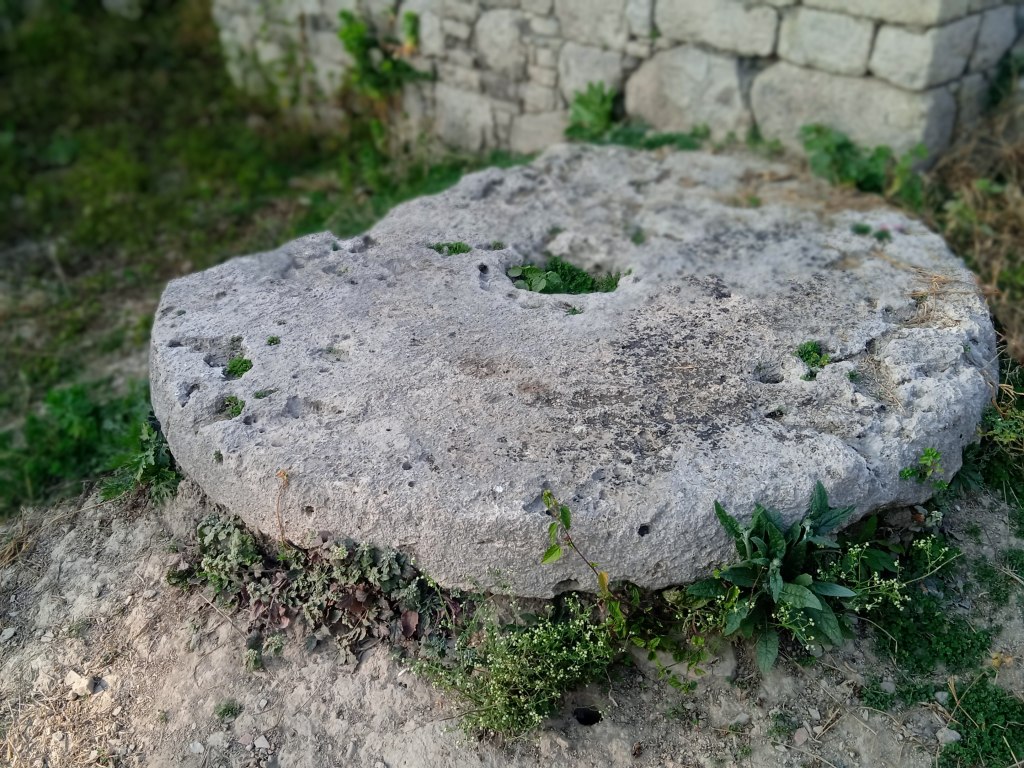
The presence of hand-carved statues of Buddha and his disciples adds a spiritual dimension to the experience, evoking a sense of reverence for the craftsmanship that has withstood the test of time. Among the remarkable features is a manual grinding mill, whose upper part is still visible today. This ancient apparatus was essential for grinding wheat or rice etc. into flour, highlighting the self-sufficiency of this monastic community. The remnants of kitchens and water wells further illustrate how these monks thrived in harmony with their environment.
The scenic beauty surrounding Jaulian enhances its allure. Nestled amidst lush greenery and rolling hills, the site offers breathtaking views that complement its historical significance. The serenity of the landscape invites reflection on the lives of those who once walked these paths. The architectural brilliance displayed at Jaulian is a testament to the skill and dedication of its designers and builders. Their ability to create such an enduring structure, which served as a center for learning and spirituality, deserves high praise. The meticulous attention to detail in every carving and layout reflects a deep understanding of both form and function.
In summary, my visit to Jaulian was not just an exploration of ruins but a profound encounter with history, art, and nature—a true celebration of human achievement in ancient times.
St. Paul’s Church, situated on The Mall Road in Rawalpindi, Pakistan, stands as a beacon of architectural splendor, colonial heritage, and religious significance. Established in the 19th century, this Anglican church has witnessed the evolution of Rawalpindi from a British garrison town to a bustling modern city. It remains one of the city’s most enduring landmarks, attracting worshippers and history enthusiasts alike.
Historical Context
St. Paul’s Church was built during the British colonial era, a time when Rawalpindi served as a key military hub for the British Indian Army. The church was constructed in 1876, during the tenure of the British Raj, primarily to cater to the spiritual needs of the British officers and soldiers stationed in the cantonment area. Its establishment marked the growing influence of Christian missions in the subcontinent, which sought to provide pastoral care to Europeans as well as spread the Christian faith among local communities.
Architectural Marvel
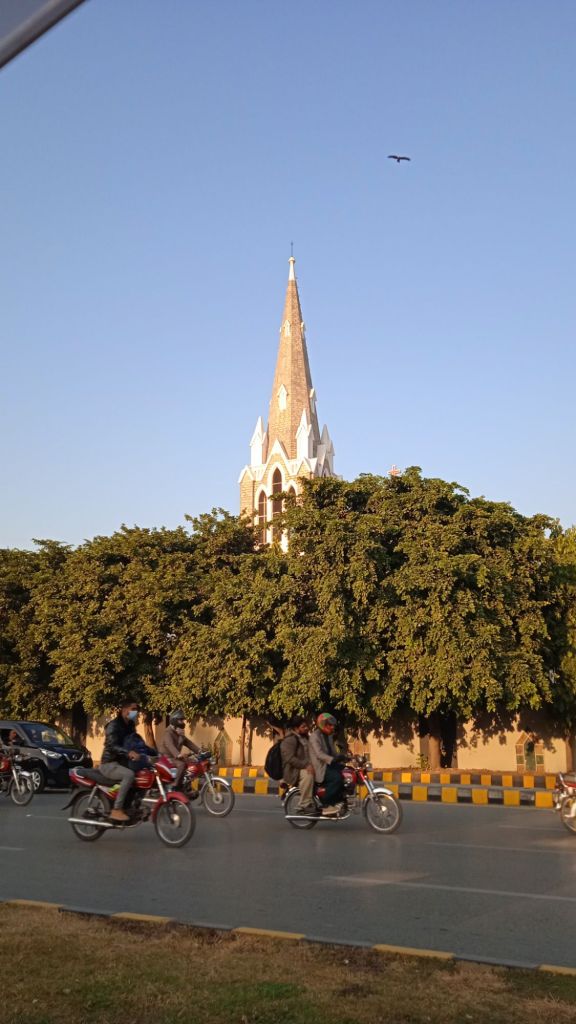
The architecture of St. Paul’s Church reflects the Gothic Revival style, a hallmark of British ecclesiastical structures of that era. The building features tall pointed arches, ribbed vaults, and an imposing spire that is visible from afar. Constructed with sandstone and brick, the church’s design is both functional and aesthetically pleasing, incorporating elements that suit the region’s climate.
The stained-glass windows are a defining feature, casting colorful patterns inside the sanctuary when sunlight filters through. These windows depict biblical scenes and saints, adding to the spiritual ambiance of the church. The interior is adorned with wooden pews, an intricately carved altar, and brass fixtures, all of which have been carefully preserved over the years.
A Recent Encounter Nearby
Driving along The Mall Road recently, I found myself near St. Paul’s Church during a calm afternoon. While waiting for the traffic signal to turn green, I was struck by the serene beauty of the church bathed in soft sunlight. Taking out my phone, I captured a quick photo from the car, marveling at its timeless architecture amid the modern chaos around.
Religious Significance
As part of the Anglican Church, St. Paul’s has historically been a place of worship for members of the Church of England residing in Rawalpindi. Post-independence in 1947, the church came under the jurisdiction of the Church of Pakistan, a united Protestant denomination. Today, it serves a diverse congregation, including members of the local Christian community.
The church hosts regular Sunday services, seasonal celebrations such as Christmas and Easter, and special events like weddings and baptisms. These occasions bring together people from various walks of life, fostering a sense of community and spiritual connection.
Role in the Community
St. Paul’s Church is not just a religious institution but also a cultural and historical landmark. It symbolizes the rich multicultural history of Rawalpindi and serves as a reminder of the city’s colonial past. Over the decades, it has been a site for interfaith harmony, with initiatives aimed at promoting dialogue between different religious communities.
The church also engages in charitable activities, offering support to the underprivileged in the form of education, healthcare, and financial assistance. Its community outreach programs are an extension of its Christian mission of compassion and service.
Preservation Efforts
As one of the oldest churches in Pakistan, St. Paul’s Church is a protected heritage site. Efforts have been made to preserve its original structure and prevent degradation caused by time and environmental factors. These initiatives are often carried out in collaboration with heritage conservation organizations and local authorities.
Despite these efforts, challenges remain, such as the need for regular maintenance and protection from urban encroachment. Community-led campaigns and support from the Christian diaspora have played a pivotal role in ensuring that the church remains a well-maintained symbol of Rawalpindi’s historical legacy.
Visiting St. Paul’s Church
Located on the iconic Mall Road, the church is easily accessible and serves as a peaceful retreat amid the city’s hustle and bustle. Visitors are welcomed, especially during public services and festive events, which provide a glimpse into the church’s vibrant community life. Photography is permitted, though visitors are encouraged to respect the sanctity of the space.
The surrounding area, with its colonial-era buildings and tree-lined avenues, adds to the charm of visiting St. Paul’s Church. It’s a perfect spot for history buffs and architectural enthusiasts looking to explore Rawalpindi’s rich cultural tapestry.
Conclusion
St. Paul’s Church on The Mall, Rawalpindi, is more than just a place of worship—it is a testament to the city’s historical and cultural evolution. With its timeless architecture, spiritual significance, and enduring community role, the church continues to inspire and attract people from all walks of life. Preserving such landmarks ensures that future generations can connect with Rawalpindi’s rich heritage, making St. Paul’s an essential part of Pakistan’s historical and religious narrative.
Nestled in Pakistan, the city of Peshawar stands as a testament to ancient architectural wonders shaped by Central Asian influences. One of South Asia’s oldest cities, Peshawar has long served as a cultural crossroads. Its unique architectural style has been deeply influenced by Persian, Afghan, and Turkic designs, blending Central Asian traditions with local aesthetics. The city’s ancient structures showcase intricate woodwork, grand arches, and geometric patterns emblematic of Central Asian architecture. For architecture lovers, Peshawar offers a rare glimpse into the craftsmanship that defines the region’s historical identity.
The Bala Hissar Fort: Central Asian Majesty in Stone
Bala Hissar Fort is among Peshawar’s most significant architectural landmarks. This ancient fortress, built during the 16th century under the rule of the Mughal Empire, exemplifies Central Asian fortification design. Thick, towering walls surround its perimeter, providing strategic protection and a striking visual impact. The fort’s structure incorporates large, arched gateways, decorative turrets, and expansive courtyards typical of Turkic and Persian styles. Notably, the fort’s design includes brickwork and tile mosaics reminiscent of Central Asian citadels. This ancient structure remains an awe-inspiring reminder of the architectural fusion that Peshawar has preserved for centuries.
Mahabat Khan Mosque: Persian and Mughal Architectural Fusion
Constructed in the 17th century, the Mahabat Khan Mosque is another gem illustrating Peshawar’s Central Asian architectural lineage. Named after the Mughal governor Nawab Mahabat Khan, the mosque reflects a combination of Persian and Mughal influences, with some unique Central Asian details. Its facade features ornate tile work and intricate floral patterns, recalling the styles seen in Samarkand and Bukhara. The mosque’s minarets are crafted in the Persian tradition, towering elegantly above the city, while the spacious courtyard and domed prayer halls are influenced by the grand Mughal style. This blending of cultures makes the Mahabat Khan Mosque a fascinating piece of architectural heritage.
Sethi House Complex: A Fusion of Central Asian Craftsmanship
In Peshawar’s old city, the Sethi House Complex, built in the 19th century by the wealthy Sethi family, is an exceptional example of Central Asian-influenced residential architecture. The houses are known for their detailed wooden carvings, latticework, and stained glass, elements closely associated with Central Asian craftsmanship. These homes feature courtyards that mimic the Persian charbagh (four-part) garden design and rooms with intricate wood panels and painted ceilings. The Sethi House Complex highlights how Central Asian artistry has been integrated into the city’s architectural fabric, offering visitors a look at the domestic elegance that flourished during Peshawar’s golden age.
The Qissa Khwani Bazaar: Where Cultural Exchange Meets Architecture
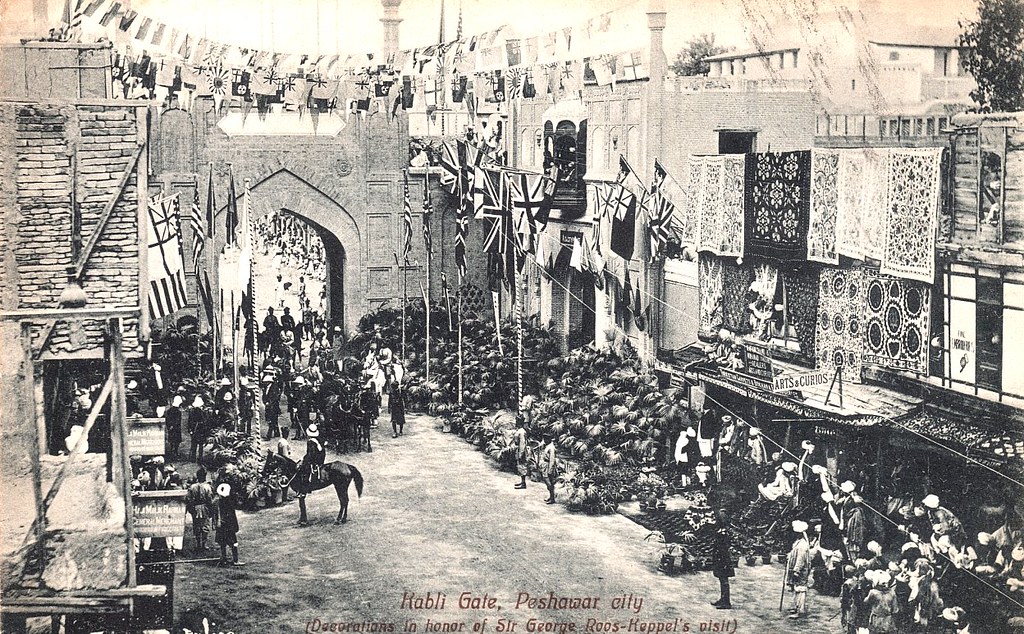
The historic Qissa Khwani Bazaar, also known as the “Bazaar of Storytellers,” has been a center for trade and cultural exchange since the Silk Road era. The architectural style of this market reflects influences from Persian and Central Asian bazaars, featuring arched doorways, carved wooden facades, and high ceilings that allow air circulation, perfect for the region’s hot climate. The traditional shops have maintained their ancient designs, and the bazaar itself offers an immersive experience for anyone interested in ancient architecture. This place remains a powerful symbol of the Central Asian influence on Peshawar, representing centuries of trade and cultural interaction.
Architectural Legacy and Central Asian Roots in Peshawar
Peshawar’s architectural marvels are enduring legacies of the city’s historical ties with Central Asia. The shared cultural history is evident in Peshawar’s buildings, which embody both resilience and artistry. Many of these structures, from forts to mosques to homes, carry the hallmarks of Central Asian architecture, including elaborate woodwork, geometric tile patterns, and Persian-influenced courtyards. For lovers of ancient architecture, Peshawar is not just a city but a living museum, preserving the remnants of a Central Asian aesthetic.
Conclusion: Preserving Ancient Architecture in Modern Times
While Peshawar’s architecture is a significant cultural treasure, efforts to preserve these structures are crucial. The impact of urbanization and environmental factors threatens the architectural heritage that has defined this city for centuries. Continued preservation efforts can ensure that Peshawar’s Central Asian-influenced architecture remains for future generations to appreciate and study. As global interest in ancient architecture grows, Peshawar stands as a captivating example of cultural fusion and historic beauty, inviting visitors and architecture enthusiasts alike to explore its forgotten wonders.


 Janson's blog