Skylanders: A Legendary Gaming Franchise That Revolutionized Toys-2-Life
Introduction

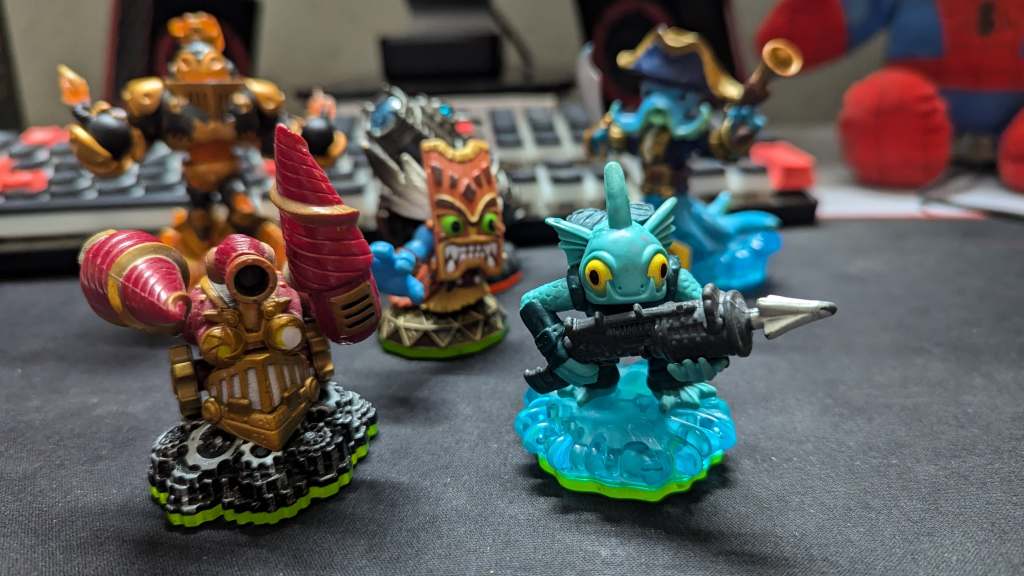
For game lovers, Skylanders is more than just a video game series—it’s an experience that blends physical toys with digital gameplay. Developed by Toys for Bob and published by Activision, Skylanders brought the innovative toys-to-life concept to the mainstream, setting the stage for an era of interactive gaming. But what led to its meteoric rise, and where does the franchise stand today? Let’s dive deep into the background, history, popularity, nomenclature, validity, expiry, and the lasting impact of Skylanders.

Background and History

The Skylanders series began in 2011 with Skylanders: Spyro’s Adventure. Initially conceived as a reboot of the Spyro the Dragon franchise, it quickly evolved into a groundbreaking concept that combined collectible figurines with NFC (near-field communication) technology. Players could place their figurines on a special Portal of Power, which would bring the characters to life in the game. This innovation captured the imagination of players worldwide, leading to several sequels:

  1. Skylanders: Spyro’s Adventure (2011)
  2. Skylanders: Giants (2012)
  3. Skylanders: Swap Force (2013)
  4. Skylanders: Trap Team (2014)
  5. Skylanders: SuperChargers (2015)
  6. Skylanders: Imaginators (2016)

Each new installment introduced fresh mechanics, such as swappable parts, larger-than-life figures, traps, vehicles, and character customization.

Popularity and Impact

The Skylanders franchise was an instant success, generating billions in revenue and inspiring competitors like Disney Infinity and LEGO Dimensions. The appeal of collecting and playing with real-world toys, combined with a compelling in-game storyline, made Skylanders a household name. The game’s mechanics appealed to both casual and hardcore gamers, and its unique blend of action, puzzles, and exploration kept players engaged.

However, by 2017, the franchise saw a decline in sales, largely due to market saturation and the eventual downfall of the toys-to-life genre. Despite this, Skylanders left an indelible mark on gaming, influencing later games that integrate physical-digital interaction.

Nomenclature and Naming Conventions

The name Skylanders suggests a group of heroes who protect the floating islands of Skylands. Each character in the series belongs to different elements, including Fire, Water, Earth, Air, Tech, Magic, Undead, and Life. Names of the characters often reflect their abilities, personalities, and elemental alignments. For instance:

  • Spyro – A fiery dragon and the franchise’s original mascot.
  • Trigger Happy – A Tech-element gunslinger known for his chaotic nature.
  • Stealth Elf – A stealthy ninja from the Life element.

The creativity in naming characters contributes to their charm and marketability, making them memorable for players of all ages.

Validity and Expiry: Are Skylanders Still Playable?

A common concern for collectors and new players is whether Skylanders games and figures are still valid or usable. The good news is that despite Activision discontinuing new entries, previous Skylanders games are still playable on older consoles, such as PlayStation, Xbox, and Nintendo platforms. Many fans continue to enjoy the series, and second-hand Skylanders figurines are still available online.

However, with the rise of digital gaming and the lack of backward compatibility on newer consoles, the franchise’s accessibility is becoming increasingly limited. Without official server support, online multiplayer modes have become obsolete, but single-player campaigns remain intact for those with the necessary hardware.

The Future of Skylanders

Although there hasn’t been a new Skylanders game since Imaginators (2016), the franchise’s legacy endures through mobile spin-offs, animated series (Skylanders Academy on Netflix), and fan communities. Rumors occasionally surface about a potential revival, but Activision has not confirmed any future plans.

Call to Action

If you’re a longtime Skylanders fan or someone looking to experience the magic for the first time, now is the perfect time to revisit the series! Hunt down some classic Skylanders figures, set up your Portal of Power, and relive the adventure that changed gaming forever. Share your favorite Skylanders memories in the comments, and let’s keep the spirit of Skylands alive!
Starfield – A Review!

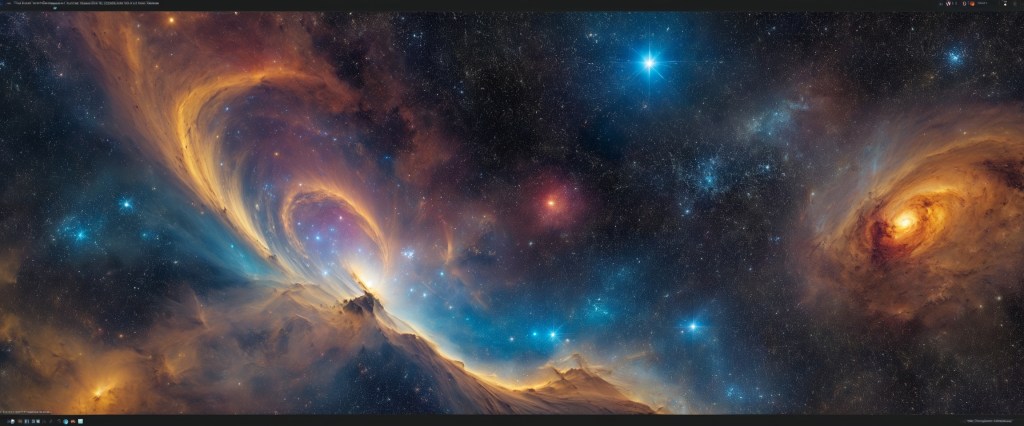
Starfield is an expansive action role-playing game (RPG) developed by Bethesda Game Studios, marking the studio’s first new intellectual property in nearly 30 years. Set in a richly detailed universe, the game allows players to explore the vastness of space, engaging in quests, character interactions, and a variety of activities across numerous planets.

Overview and Setting

Starfield takes place in the 24th century within the Settled Systems, a region of space populated by humanity. Players assume the role of a customizable character who joins Constellation, an organization of space explorers. The narrative kicks off when the protagonist discovers a mysterious artifact, leading to an adventure that delves into the unknown and the remnants of a bygone era of exploration. The game features multiple factions, including the United Colonies and the Freestar Collective, each with their own tensions and conflicts that shape the player’s journey and decisions.

Gameplay Mechanics

The gameplay in Starfield is characterized by its open-world design, allowing players to engage in a multitude of activities ranging from combat and exploration to crafting and building. Players can scan and explore over 1,000 planets, each varying in detail and liveliness. The game encourages players to forge their own paths, whether that involves joining factions, completing quests, or simply wandering the universe. However, some reviews note that the sheer scale of the game can lead to a sense of aimlessness, as players may find it challenging to discern which quests or activities are most rewarding.

Exploration and Travel

Traveling between planets involves a series of cutscenes and loading screens, which some players find detracts from the immersive experience of space exploration. While the game offers the thrill of discovering new worlds, the mechanics of star-hopping can feel repetitive and underwhelming. Players can customize their ships for various purposes, including cargo transport and combat, adding a layer of strategy to exploration.

Visual and Technical Aspects

Starfield is noted for its impressive graphics and attention to detail, particularly on the Xbox Series X. The game’s aesthetic is often described as “NASA-punk,” featuring a grounded, retro-futuristic design that contrasts with more polished sci-fi visuals seen in other titles. This style is reflected in everything from the chunky spacesuits to the modular design of spacecraft and environments.

Narrative and Writing

While the game offers a vast universe and numerous quests, critiques have emerged regarding the quality of its writing and narrative coherence. Many players have found the main storyline to be somewhat forgettable, with dialogue that lacks the depth and engagement found in other RPGs like Bioware’s Mass Effect series. Instead, the game emphasizes player agency, allowing individuals to craft their own stories within the framework of the game world.

Reception and Conclusion

Starfield has received mixed reviews, with some praising its ambitious scope and world-building, while others criticize its execution and narrative depth. The game is seen as a technical achievement that may not fully meet the high expectations set by Bethesda’s previous titles like Skyrim and Fallout 4. Ultimately, Starfield offers a sandbox experience in space, inviting players to explore, engage, and create their own adventures, albeit with some caveats regarding pacing and narrative engagement.In summary, Starfield represents a significant addition to the RPG genre, combining exploration, customization, and storytelling in a vast universe. Its success will largely depend on player expectations and their willingness to navigate its expansive, yet sometimes overwhelming, landscape.

Share

Rewrite

“Wu Kong: The Monkey King Reimagined for a New Generation of Gamers”

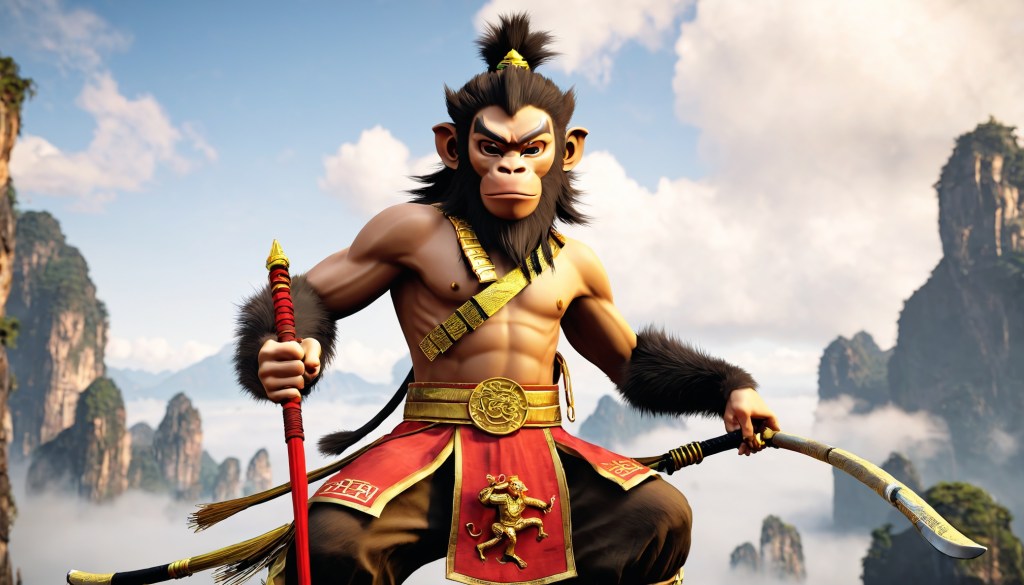
Wu Kong, also known as the Monkey King, is a character deeply rooted in Chinese mythology and literature, particularly in the classic novel “Journey to the West.” This legendary figure has recently gained traction in gaming, becoming a trending topic among game lovers. In this blog post, we will explore Wu Kong’s background, the development of games featuring him, the challenges faced in bringing his character to life, and the expectations surrounding these games.

Read More

Exploring the Mythical World of Vyvern Riders

In the realm of fantasy literature and lore, certain creatures capture the imagination like none other. Among these, the majestic Vyverns stand out as both awe-inspiring and mysterious. Often depicted as powerful, intelligent beings capable of flight and bonded with skilled riders, Vyverns have become iconic figures in fantastical tales across various cultures.

Read more: Exploring the Mythical World of Vyvern Riders

What are Vyverns?

Vyverns, also spelled as Wyverns in some traditions, are legendary dragon-like creatures characterized by their two legs and wings. They are typically smaller than dragons and lack front limbs, relying solely on their hind legs and wings for movement and flight. In many myths, Vyverns are portrayed as cunning and proud, with a keen intellect that rivals humans.

The Bond Between Vyverns and Riders

One of the most captivating aspects of Vyverns is their bond with riders. Unlike traditional dragons, which are often depicted as solitary or fiercely independent creatures, Vyverns are known to form deep, almost telepathic connections with their chosen riders. This bond transcends mere companionship; it is a symbiotic relationship where both parties rely on each other’s strengths and instincts.

Characteristics of Vyvern Riders

Vyvern riders are typically courageous individuals who possess exceptional skills in aerial combat and navigation. They undergo rigorous training to earn the trust of their Vyverns and to hone their abilities in flight and combat. Riders often come from diverse backgrounds, ranging from noble knights to daring adventurers seeking the thrill of mastering the skies.

Training and Skills

Becoming a Vyvern rider is no easy feat. Training begins from a young age, where prospective riders learn the intricacies of Vyvern behavior, flight dynamics, and combat tactics. They must demonstrate not only physical prowess but also a deep understanding of their partner’s instincts and non-verbal communication. Mutual trust and respect are key pillars of this training, as riders and Vyverns learn to anticipate each other’s moves in the heat of battle.

Cultural Significance

Throughout history, Vyverns have held significant cultural and symbolic meanings. In some cultures, they are revered as guardians of ancient knowledge or protectors of sacred lands. Stories of heroic Vyvern riders have been passed down through generations, inspiring countless tales of bravery and resilience.

Famous Vyvern Riders in Literature and Media

From literature to movies and video games, Vyvern riders have left an indelible mark on popular culture. Characters like Eragon and his dragon Saphira from Christopher Paolini’s “Inheritance Cycle” and the dragonriders of Pern from Anne McCaffrey’s series have enthralled audiences with their daring adventures and deep emotional bonds with their Vyverns.

Conclusion

The world of Vyvern riders is a rich tapestry of adventure, bravery, and camaraderie between humans and mythical beasts. As we delve into their stories, we uncover timeless lessons about courage, loyalty, and the power of mutual understanding. Whether soaring through the clouds or battling fearsome foes, Vyvern riders embody the spirit of adventure and the enduring bond between rider and steed.

In the realms of fantasy and beyond, Vyverns and their riders continue to captivate our imaginations and remind us of the endless possibilities that await those willing to explore the skies and forge bonds that transcend the ordinary.

Why people are buying ultra wide monitor?


People buy ultra-wide monitors for several reasons. Firstly, they offer a more immersive viewing experience for gaming, movies, and multimedia content. The wider aspect ratio can make games feel more expansive and engaging, providing a greater field of view and enhancing realism.

Secondly, for productivity purposes, ultra-wide monitors provide more screen real estate, allowing users to have multiple windows or applications open simultaneously without the need for multiple monitors. This can lead to increased efficiency and multitasking capability, as users can see more of their work at once.

Additionally, ultra-wide monitors often have a sleek and modern aesthetic, making them visually appealing for both work and entertainment setups. They can also reduce the need for dual-monitor setups, saving space on the desk and reducing cable clutter.

Overall, the combination of immersive viewing experiences, increased productivity, and aesthetic appeal makes ultra-wide monitors a popular choice for many users.

Ultra-wide monitors cater to various needs and requirements, attracting different types of users worldwide.

  1. Gamers: Gamers seek ultra-wide monitors for their immersive gaming experiences. The wider aspect ratio enhances peripheral vision, allowing gamers to see more of the gaming environment without needing to turn their heads. This can be particularly advantageous in first-person shooter games, racing simulations, and open-world exploration titles. Additionally, many ultra-wide monitors offer high refresh rates and adaptive sync technologies to provide smooth and tear-free gaming experiences.
  2. Content Creators: Professionals in fields such as graphic design, video editing, and photography benefit from the expansive workspace offered by ultra-wide monitors. The increased horizontal screen space allows for more efficient workflow, enabling users to have multiple editing tools, timelines, and reference materials visible simultaneously. This can lead to faster editing processes and improved productivity.
  3. Business Professionals: Ultra-wide monitors are also popular among business professionals who require multitasking capabilities. Whether they’re working with spreadsheets, coding, or conducting research, the extended screen real estate allows users to have multiple documents or applications open side by side, reducing the need for constant window switching. This enhances productivity and facilitates better organization of tasks.
  4. Creative Professionals: Architects, engineers, and other creative professionals often rely on ultra-wide monitors to work with large-scale projects and intricate designs. The wider aspect ratio provides a more accurate representation of blueprints, 3D models, and CAD drawings, allowing for better visualization and manipulation of complex designs.
  5. Availability Worldwide: Ultra-wide monitors are widely available in both physical stores and online retailers across the globe. Major electronics manufacturers produce a variety of ultra-wide monitor models, catering to different budgets and feature preferences. Additionally, specialty retailers and online marketplaces offer a diverse selection of ultra-wide monitors from various brands, ensuring that consumers have ample options to choose from regardless of their location.

In summary, the demand for ultra-wide monitors stems from their ability to deliver immersive gaming experiences, enhance productivity for professionals, and facilitate multitasking across various industries. Their availability worldwide ensures that users have access to these versatile displays to meet their specific needs and requirements.

Mastering the Symphony of Challenge: An In-Depth Exploration of Game Difficulty

In the vast universe of gaming, where each victory is a triumph and every defeat a lesson, the concept of game difficulty stands as a cornerstone. From the casual gamer seeking leisurely exploration to the hardcore enthusiast craving relentless challenge, game difficulty caters to a diverse audience. In this blog, we embark on a journey through the expansive realm of game difficulty, exploring its nuances and dissecting its impact on five globally played online games.

1. Fortnite: Building Bridges to Mastery

Introduction to Difficulty: Fortnite, the battle royale sensation, introduces a unique blend of shooting skills, strategic planning, and quick reflexes. The game’s difficulty is like a dynamic spectrum, adapting to players’ skill levels as they progress. In the early stages, beginners might find themselves in lobbies filled with fellow newcomers, providing a relatively gentle introduction. However, as players improve, the competition becomes fiercer, demanding quicker decision-making and superior building skills.

Adaptive Difficulty Mechanics: Fortnite employs a sophisticated matchmaking system that gauges players’ skills based on their performance. This ensures that each match is challenging yet manageable for participants. The introduction of seasonal challenges and events adds an extra layer, offering rewards for those who conquer more difficult tasks, thus encouraging players to push their limits.

Engagement through Difficulty: By striking a balance between accessibility and challenge, Fortnite keeps players engaged. The thrill of securing a Victory Royale is not just about outlasting opponents but also about personal growth and mastery. This unique approach to difficulty fosters a sense of achievement that resonates with players of all skill levels.

2. League of Legends: Climbing the Ranks

Ladder of Difficulty: League of Legends (LoL) is a multiplayer online battle arena (MOBA) game that epitomizes the concept of a skill ladder. The game boasts an extensive ranking system that categorizes players into different tiers, from Iron to Challenger. Each tier represents a distinct level of difficulty, with players striving to climb higher and face tougher opponents.

Evolving Challenges: One of LoL’s strengths lies in its ability to introduce new champions, items, and gameplay mechanics through regular updates. This constant evolution keeps the game fresh and ensures that even seasoned players face new challenges. The difficulty arises not only from mastering existing content but also from adapting to the ever-changing landscape of the game.

Team Dynamics and Difficulty: League of Legends emphasizes teamwork, introducing another layer of complexity. Coordinating with teammates, understanding each champion’s strengths and weaknesses, and making strategic decisions become crucial elements. The difficulty is not solely individual; it extends to the collaborative effort required to secure victory, adding a social dimension to the challenge.

3. Counter-Strike: Global Offensive – Precision in Peril

Skill-Based Precision: Counter-Strike: Global Offensive (CS: GO) is a first-person shooter renowned for its emphasis on skill-based gameplay. The difficulty here is intricately tied to precision, reflexes, and map awareness. Unlike some games that dynamically adjust difficulty, CS: GO relies on a consistent, high skill ceiling that challenges players to refine their aim and tactics continually.

Economic Challenges: CS: GO introduces an economic element, where players must manage in-game currency to purchase weapons and equipment. This introduces a strategic layer to the difficulty—making decisions about when to buy, save, or force-buy becomes crucial. A well-coordinated economic strategy can be as impactful as individual skill in determining match outcomes.

Community-Created Challenges: One unique aspect of CS: GO’s difficulty is the thriving community-created content. Players can engage in custom maps, game modes, and challenges that push them beyond the standard difficulty level. This community-driven approach extends the game’s longevity by providing a constant stream of new challenges for players seeking to test their limits.

4. Dark Souls: Unforgiving Realms of Endurance

Trial by Fire: Dark Souls, an action RPG known for its punishing difficulty, places players in unforgiving realms filled with formidable foes and intricate level design. The game is designed to challenge players’ perseverance and mastery of combat mechanics. Each encounter demands precision, timing, and a deep understanding of enemy patterns.

Learning through Failure: Dark Souls takes a unique approach to difficulty by encouraging learning through failure. Every death is a lesson, teaching players to analyze mistakes and adapt strategies. The satisfaction of overcoming seemingly insurmountable odds is a testament to the game’s meticulous design, creating an experience where victory is earned, not given.

Atmospheric Intensity: The difficulty in Dark Souls extends beyond gameplay mechanics; it permeates the atmospheric intensity. The haunting landscapes and foreboding enemies contribute to a sense of isolation and impending danger, enhancing the overall challenge. This fusion of gameplay and atmosphere creates an immersive experience that resonates with players seeking a truly arduous journey.

World of Warcraft: Raiding the Difficult Dungeons

Endgame Challenges: World of Warcraft (WoW), a massively multiplayer online role-playing game (MMORPG), introduces difficulty on a grand scale with its endgame content, particularly in raid dungeons. Raids are epic encounters that require coordination among large groups of players. The difficulty here lies not only in individual skill but also in orchestrating a symphony of abilities among diverse classes and roles.

Progressive Difficulty Tiers: WoW employs a tiered system of difficulty for raids, allowing players to choose their challenge level. Normal difficulty serves as an entry point, introducing mechanics

and encounters, while Heroic and Mythic difficulties provide progressively tougher challenges. This tiered system accommodates players of varying skill levels and commitment, ensuring that both casual and hardcore players find a suitable level of difficulty.

Role Specialization: One unique aspect of WoW’s difficulty is the role specialization required in raids. Players must understand their class and role within the group, whether it be a tank, healer, or damage dealer. The synergy among different roles becomes paramount, adding depth to the challenge and fostering a sense of camaraderie as players work together to overcome formidable bosses.

Evolving Challenges with Expansions: World of Warcraft introduces new expansions regularly, each bringing with it a fresh set of challenges. The difficulty evolves not only through the introduction of more powerful foes but also through innovative mechanics that keep the gameplay engaging. This constant evolution ensures that veteran players continue to face new challenges, preventing stagnation and maintaining the thrill of conquering the unknown.

Conclusion: The Harmonious Tapestry of Gaming Challenge

In the grand symphony of gaming, difficulty serves as the harmonious thread that weaves through diverse genres and player preferences. From the dynamic battles of Fortnite to the strategic depths of League of Legends, the precision-centric challenges of CS: GO, the punishing realms of Dark Souls, and the epic raids of World of Warcraft, each game contributes a unique note to the melody of gaming difficulty.

The beauty of game difficulty lies in its ability to cater to a broad spectrum of players. Whether you seek the adrenaline rush of overcoming seemingly impossible odds or the joy of cooperative victories with friends, the gaming world offers an array of experiences. So, whether you’re building towers, climbing ranks, aiming for headshots, surviving punishing landscapes, or raiding dungeons, embrace the challenge, for it is the crucible where gaming legends are forged, and epic tales are written in the language of pixels and polygons.