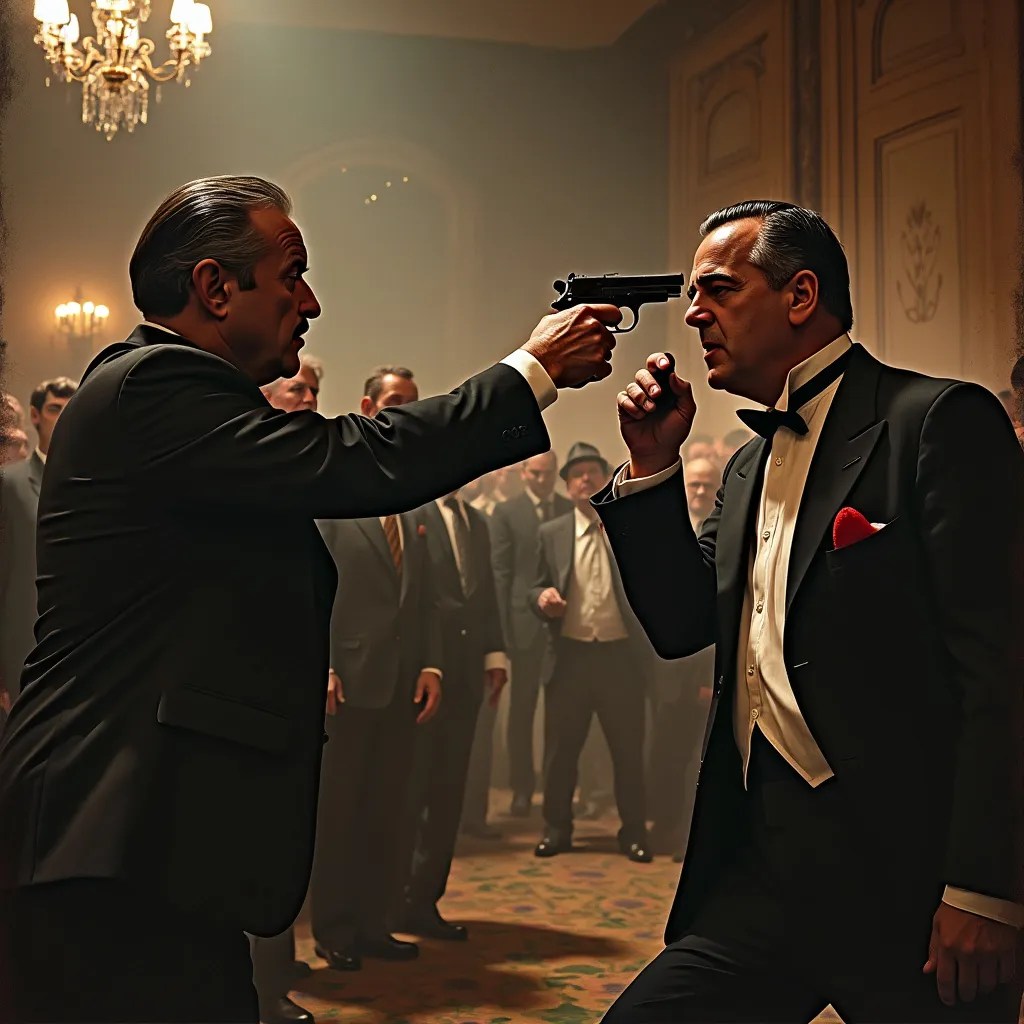
When discussing the greatest films in cinematic history, The Godfather (1972) invariably tops the list. Directed by Francis Ford Coppola and based on Mario Puzo’s best-selling novel, this epic tale of the Corleone crime family not only redefined the gangster genre but also left an indelible mark on American culture.
Today is 21 September 2024. You will discover why am I sharing this blog today. I watched this movie sometimes in 1970 as young boy in a cinema which was far away from my house. It was a nightmare to return home after the movie ended in the early hours of a chilly winter.
I watched this movie in 1973 as a teen-ager in the Capital cinema of Peshawar (a city called as the Paris of Pathans) in Pakistan. The movie name has always been in my heart and mind since then. On many occasions, I have mentioned my experience of going alone to watch that movie when I was a young boy. Today I have decided to write a review of the said movie with a hope to let you know about the past glory of the western movies.
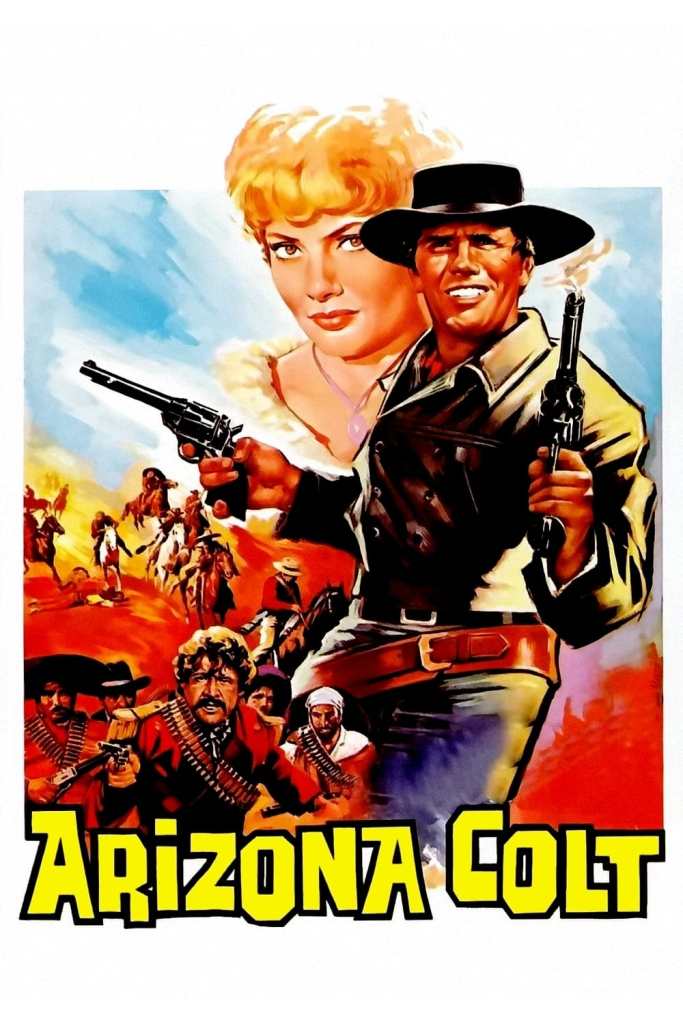
“Arizona Colt,” originally titled “Il pistolero di Arizona,” is a notable spaghetti Western released in 1966, directed by Michele Lupo. This film, starring Giuliano Gemma, has garnered attention for its engaging plot and memorable characters, despite not achieving the same level of fame as other Westerns of its time.
Pre-Production and Filming: The film was shot primarily in the picturesque landscapes of Almería, Spain, known for its stunning desert scenery that perfectly captures the essence of the American West. Filming took place during the summer of 1965, with a dedicated crew that included cinematographer Guglielmo Mancori and art director Walter Patriarca. The production faced typical challenges of the genre, including extreme weather conditions and the logistical difficulties of shooting in remote locations.
The Storyline: “Arizona Colt” follows the titular character, played by Giuliano Gemma, who is a bounty hunter recently sprung from prison by a Mexican bandit named Gordo (Fernando Sancho). After his release, Arizona Colt is reluctantly drawn into a conflict when Gordo’s gang terrorizes a small town. The plot thickens when the father of a murdered saloon girl hires Colt to bring the killer to justice, leading to a series of confrontations that test Colt’s resolve and moral compass. The narrative explores themes of justice, revenge, and the complexities of human relationships, making it a compelling watch for fans of the genre. Colt’s character embodies the archetypal lone hero, navigating a world filled with moral ambiguity and danger.
Cast and Characters, the film features a talented ensemble cast, including:
Giuliano Gemma as Arizona Colt: Known for his charismatic performances, Gemma brings depth to the role of the conflicted bounty hunter.
Fernando Sancho as Gordo: The film’s primary antagonist, Sancho delivers a memorable performance as the ruthless bandit leader.
Corinne Marchand as Jane: The saloon owner’s daughter, whose fate becomes intertwined with Colt’s mission.
Rosalba Neri as Dolores: Another key character who adds emotional weight to the story.
The chemistry among the cast members enhances the film’s dramatic tension, making their interactions both believable and engaging.
Box Office Performance: Upon its release, “Arizona Colt” found considerable success in Italy, where spaghetti Westerns were particularly popular. The film’s unique blend of action, drama, and humor resonated with audiences, contributing to its box office success. However, its international reach was limited, and it did not achieve the same level of recognition in other markets, including the United States.
Legacy and Impact: Over the years, “Arizona Colt” has gained a cult following among fans of the spaghetti Western genre. Its influence can be seen in later films that sought to explore more nuanced and complex narratives within the Western framework. The film is often praised for its cinematography, engaging score by Francesco De Masi, and its ability to blend traditional Western elements with a more modern sensibility.
Conclusion While “Arizona Colt” may not be as widely recognized as other Western classics, it remains a significant entry in the genre. Its compelling story, strong performances, and beautiful cinematography make it a worthwhile watch for anyone interested in the evolution of Western films. As audiences continue to discover and appreciate the unique qualities of spaghetti Westerns, “Arizona Colt” stands out as a testament to the creativity and innovation of its time.
Hollywood has a knack for creating unforgettable villains—characters so despised on screen yet portrayed by actors who are revered and often admired for their noble hearts off-screen. Over the past 80 years, numerous actors have masterfully played roles that audiences loved to hate, while being true heroes in real life. Here, we spotlight ten such actors whose villainous portrayals have left an indelible mark on cinematic history.
Introduction: Pakistani cinema has a rich and vibrant history, marked by numerous highs and lows, reflecting the cultural tapestry and the evolving socio-political landscape of the nation. From its inception to the present day, Pakistani cinema has witnessed remarkable transformations, producing timeless classics, facing challenges, and eventually experiencing a renaissance. Join me on a fascinating journey through the annals of Pakistani cinema, as we delve into its historical nuances, iconic milestones, and the extraordinary talents that have graced its screens.
The Golden Era: The origins of Pakistani cinema trace back to the early 20th century, with the screening of silent films in the region that later became Pakistan. However, it was the post-independence era in the late 1940s and 1950s that witnessed the emergence of what is often referred to as the “Golden Era” of Pakistani cinema. During this period, Lahore became the hub of Pakistani cinema, with films produced in Urdu and Punjabi languages captivating audiences across the nation.
One of the earliest blockbusters of Pakistani cinema was “Teri Yaad” (1948), directed by Daud Chand and starring Nasir Khan and Asha Posley. This film set the stage for the burgeoning industry and paved the way for future successes. In the 1950s and 1960s, names like Noor Jehan, Santosh Kumar, and Waheed Murad rose to prominence, becoming the iconic faces of Pakistani cinema. Films such as “Anarkali” (1958), starring Noor Jehan and Sudhir, and “Armaan” (1966), featuring Zeba and Waheed Murad, remain etched in the collective memory of Pakistani cinephiles.
The Decline: Despite the glory of the Golden Era, Pakistani cinema faced challenges in the subsequent decades. The 1970s and 1980s saw a decline in the quality and quantity of films produced, attributed to various factors including political instability, censorship, and the rise of television as a popular medium. However, amidst the turbulence, certain films managed to leave a lasting impact.
One notable film from this period is “Nikkah” (1973), directed by Hassan Tariq and starring Shabnam and Nadeem Baig. Addressing societal norms and challenges faced by women, “Nikkah” garnered critical acclaim and resonated with audiences, highlighting the enduring power of storytelling in Pakistani cinema.
The Renaissance: The turn of the 21st century marked a significant turning point for Pakistani cinema, heralding a renaissance characterized by a resurgence of creativity, innovation, and diverse storytelling. This revival was fueled by a new generation of filmmakers, actors, and producers determined to reclaim the glory of Pakistani cinema on both domestic and international platforms.
One of the most celebrated films of this era is “Khuda Kay Liye” (2007), directed by Shoaib Mansoor and featuring Shaan Shahid, Fawad Khan, and Iman Ali. Tackling complex themes such as religious extremism and cultural identity, “Khuda Kay Liye” earned accolades both at home and abroad, signaling the resurgence of Pakistani cinema on the global stage.
Contemporary Landscape: In recent years, Pakistani cinema has continued to evolve, embracing diversity, experimentation, and collaboration with international filmmakers. From commercial blockbusters to independent gems, the industry has witnessed a proliferation of talent and genres, catering to a diverse audience both at home and in the diaspora.
Notable contemporary films include “Punjab Nahi Jaungi” (2017), directed by Nadeem Baig and starring Humayun Saeed and Mehwish Hayat, and “Cake” (2018), directed by Asim Abbasi, featuring Sanam Saeed and Aamina Sheikh. These films exemplify the breadth and depth of storytelling in Pakistani cinema today, captivating audiences with their compelling narratives and stellar performances.
Conclusion: The journey through Pakistani cinema is a testament to the resilience, creativity, and cultural richness of the nation. From its humble beginnings to its triumphant resurgence, Pakistani cinema has traversed a remarkable path, leaving an indelible mark on the hearts and minds of audiences worldwide. As we celebrate its past achievements and look forward to its promising future, let us continue to cherish and support the art of storytelling that transcends boundaries and unites us all.
Batman Begins (2005): “It’s not who I am underneath, but what I do that defines me.”
The Dark Knight (2008): “Why so serious?”
Batman (1989): “I am the night.”
The Dark Knight Rises (2012): “You either die a hero or live long enough to see yourself become the villain.”
Batman Begins (2005): “People need dramatic examples to shake them out of apathy and I can’t do that as Bruce Wayne, as a man, I’m flesh and blood, I can be ignored, I can be destroyed; but as a symbol… as a symbol I can be incorruptible, I can be everlasting.”
The Dark Knight (2008): “You either die a hero, or you live long enough to see yourself become the villain.”
Batman Forever (1995): “Riddle me this, riddle me that, who’s afraid of the big, black bat?”
Batman Returns (1992): “I am Catwoman. Hear me roar.”
The Dark Knight (2008): “Some men just want to watch the world burn.”
Batman (1989): “Have you ever danced with the devil in the pale moonlight?”


 Janson's blog