Peshawar: The Birthplace of Legendary Film Icons of Hindi Cinema
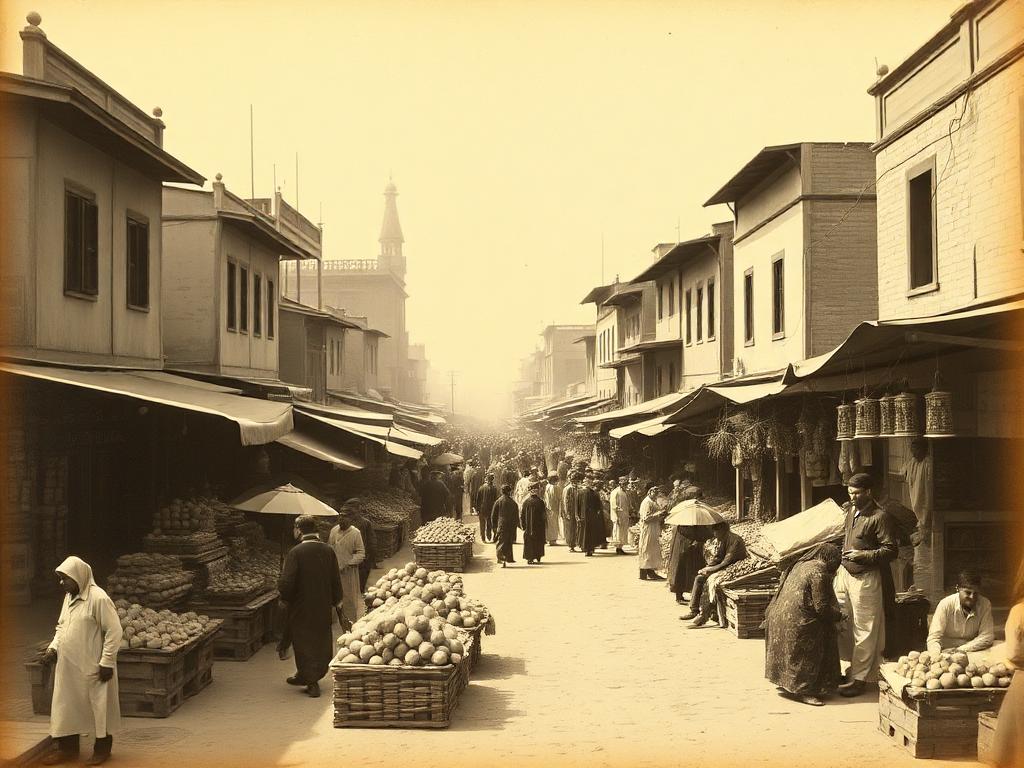
Peshawar, the capital of Khyber Pakhtunkhwa province in Pakistan, has long been a cradle of art and culture. Its historic streets and vibrant bazaars have nurtured talents that later illuminated the silver screens of Hindi cinema in the 20th century. This article looks into the lives of legendary film stars who hailed from Peshawar, exploring their early days, migration to the Indian film industry, and their remarkable achievements.

Prithviraj Kapoor: The Patriarch of the Kapoor Dynasty

Prithviraj Kapoor, born on November 3, 1906, in Lyallpur (now Faisalabad, Pakistan), moved to Peshawar for his higher education. He attended Edwardes College in Peshawar, where he developed an interest in theater. His passion for acting led him to Bombay (now Mumbai), where he became one of the pioneers of Indian theater and cinema. Prithviraj’s legacy continued through his descendants, making the Kapoor family a cornerstone of Bollywood.

Raj Kapoor: The Showman of Indian Cinema

Raj Kapoor, son of Prithviraj Kapoor, was born on December 14, 1924, in Peshawar’s Qissa Khwani Bazaar, famously known as the “Street of Storytellers.” He spent his early years in Peshawar before the family relocated to Mumbai. Raj Kapoor’s cinematic journey began as a clapper boy, but his talent soon propelled him to acting and filmmaking. He founded R.K. Films and became renowned for classics like “Awaara,” “Shree 420,” and “Mera Naam Joker,” earning him the title of “The Showman.”

Dilip Kumar: The Tragedy King

Born as Muhammad Yusuf Khan on December 11, 1922, in Peshawar’s Qissa Khwani Bazaar, Dilip Kumar’s early life was steeped in the rich cultural milieu of the city. He received his early education in Peshawar before his family moved to Mumbai. There, he ventured into the film industry, adopting the screen name Dilip Kumar. His nuanced performances in films like “Devdas,” “Mughal-e-Azam,” and “Naya Daur” earned him the moniker “Tragedy King,” and he became one of the most respected actors in Indian cinema.

Vinod Khanna: The Handsome Hero

Vinod Khanna was born on October 6, 1946, in Peshawar to a Punjabi Hindu family. Shortly after his birth, during the partition of India, his family moved to Bombay. He completed his education at Sydenham College and developed an interest in films. Vinod Khanna made his acting debut in 1968 and went on to become one of the leading actors of his time, known for his roles in films like “Mere Apne,” “Amar Akbar Anthony,” and “Qurbani.”

Madhubala: The Venus of Indian Cinema

Madhubala, born Mumtaz Jehan Begum Dehlavi on February 14, 1933, in Delhi, was part of a conservative Pathan Muslim family with roots tracing back to Peshawar. Her father, Ataullah Khan, hailed from Peshawar and relocated the family to Bombay (now Mumbai) after facing financial difficulties. Madhubala began her film career as a child artist and rose to prominence with her ethereal beauty and acting prowess in films like “Mahal,” “Mr. & Mrs. ’55,” and the epic “Mughal-e-Azam,” where she portrayed Anarkali. Her performances left an indelible mark on Indian cinema, earning her the title “The Venus of Indian Cinema.”

Jayant: The Versatile Character Actor

Jayant, born Zakaria Khan on October 15, 1915, in Peshawar, was a prominent character actor in Indian cinema. He began his career in the 1930s and became known for his robust performances in films like “State Express” (1938) and “Sardar-e-Awwal” (1939). Jayant’s deep voice and commanding screen presence made him a favorite for roles of authority figures. He was also the father of actor Amjad Khan, who gained fame for his portrayal of Gabbar Singh in “Sholay.

Amjad Khan: The Iconic Villain

Amjad Khan, born on November 12, 1940, in Hyderabad, was the son of legendary actor Jayant, who hailed from Peshawar. Amjad Khan’s family roots were deeply embedded in Peshawar’s rich cultural heritage. He pursued his education at St. Andrew’s High School in Bandra and R.D. National College, where he was actively involved in theater. Amjad Khan’s portrayal of the dacoit Gabbar Singh in the 1975 classic “Sholay” became iconic, making him one of the most memorable villains in Indian cinema. His nuanced performances in films like “Muqaddar Ka Sikandar” and “Lawaaris” further solidified his reputation as a versatile actor.

G. M. Durrani: The Melodious Pioneer

Ghulam Mustafa Durrani, known as G. M. Durrani, was born on September 8, 1919, in Peshawar. He began his career with All India Radio, performing at the Peshawar and Lahore stations, which explored his musical talents. Durrani transitioned to playback singing in Hindi cinema during the 1930s and 1940s, becoming one of the era’s most sought-after voices. His versatility spanned sad songs, romantic melodies, patriotic anthems, qawwalis, ghazals, and bhajans. Durrani’s contributions significantly shaped the early years of Bollywood music, and he also mentored future legends like Mohammed Rafi.

Peshawar: The Cradle of Talent

Peshawar’s rich cultural tapestry and its historic Qissa Khwani Bazaar have been instrumental in shaping the artistic inclinations of these legends. The city’s emphasis on storytelling, theater, and music provided a nurturing environment that inspired many to pursue careers in the arts. The migration of these artists to the Indian film industry not only highlights their personal journeys but also underscores Peshawar’s significant contribution to the cultural and artistic exchanges in the subcontinent.

In recent years, there have been efforts to preserve the ancestral homes of these Bollywood legends in Peshawar. The provincial administration has approved budgets to purchase and restore the dilapidated houses of Dilip Kumar and Raj Kapoor, aiming to convert them into museums. These initiatives reflect a recognition of Peshawar’s rich cultural.
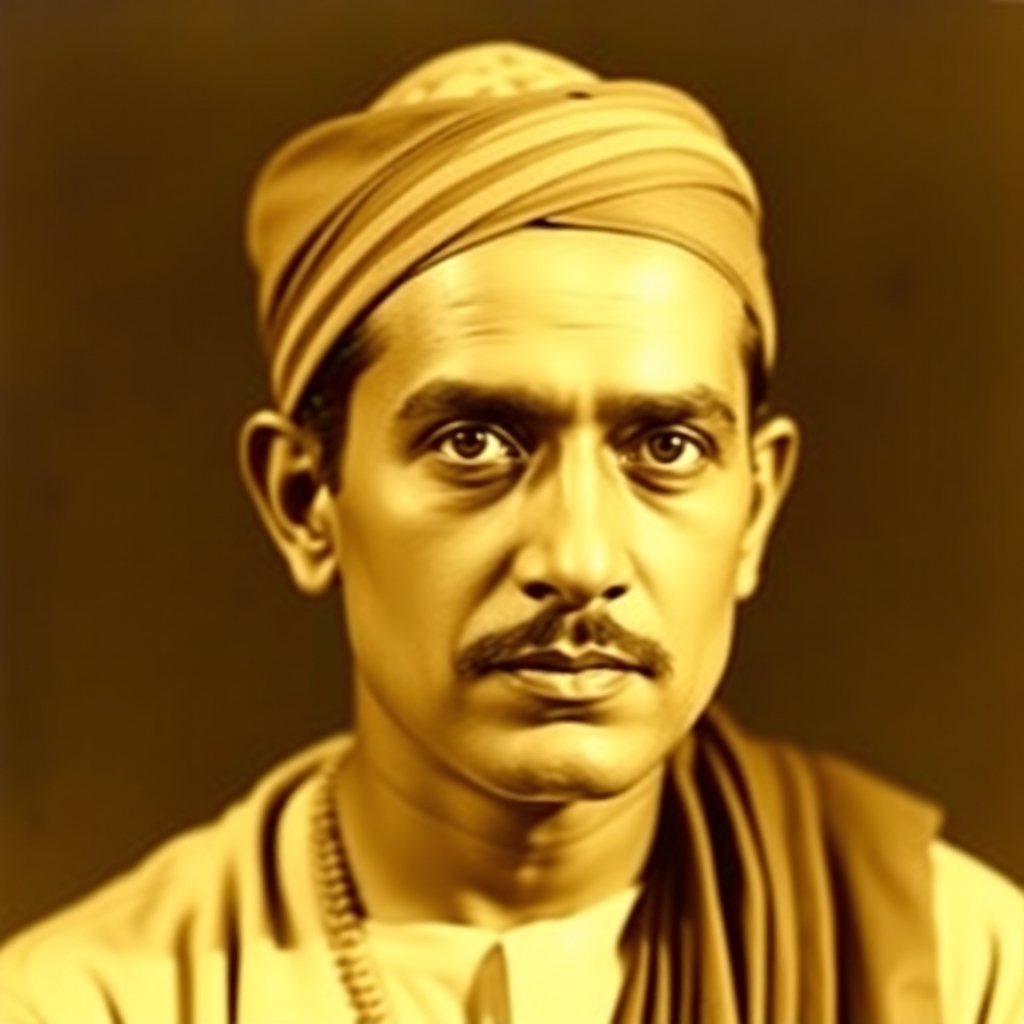

Gul Hamid: The Forgotten Star of Early Indian Cinema

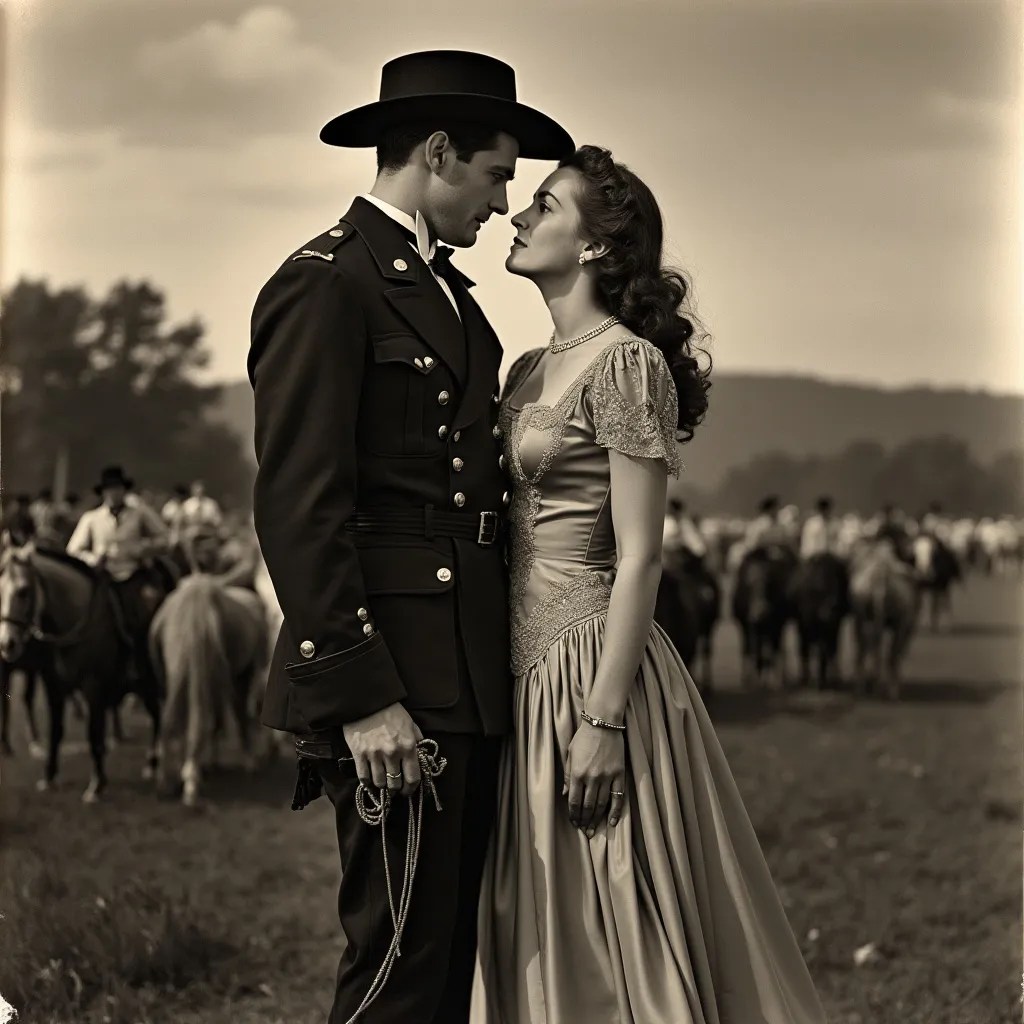
AI image credit: Imagine.art

Gul Hamid Khan, born in 1905 in Pirpiai village near Nowshera, British India (now Pakistan), emerged as a prominent figure in early Indian cinema during the 1930s.

Early Life and Entry into Cinema

Initially serving in the British Indian Police, Gul Hamid’s striking appearance and passion for acting led him to the burgeoning film industry. He debuted in A. R. Kardar’s silent film “Sarfarosh” (1930), marking the beginning of a brief yet impactful cinematic journey.

Career Highlights

Gul Hamid’s filmography includes significant contributions to both silent films and talkies:

  • “Heer Ranjha” (1932): He played a pivotal role in this film, recognized as the first Punjabi feature film.
  • “Yahudi Ki Ladki” (1933): This film was based on Agha Hashar Kashmiri’s renowned play, showcasing his versatility.
  • “Seeta” (1934): Directed by Debaki Bose, “Seeta” was the first Indian talkie to be screened at an international film festival, earning an honorary diploma at the Venice Film Festival.
  • “Khyber Pass” (1936): Demonstrating his multifaceted talent, Gul Hamid not only acted but also wrote and directed this film.

Personal Life

In 1930, Gul Hamid married Patience Cooper, a prominent actress of the silent film era. Their partnership extended to the screen, co-starring in films such as “Baghi Sipahi” (1936) and “Khyber Pass” (1936).

Illness and Untimely Demise

Tragically, at the zenith of his career, Gul Hamid was diagnosed with Hodgkin’s lymphoma. Despite his declining health, he continued to contribute to cinema until his passing in 1936.

Legacy

Gul Hamid’s contributions during the formative years of Indian cinema left an indelible mark. His performances and pioneering efforts in early films continue to be remembered and studied by cinema enthusiasts and historians.

Who Is Bruce Wayne? The Man Behind the Mask of Batman

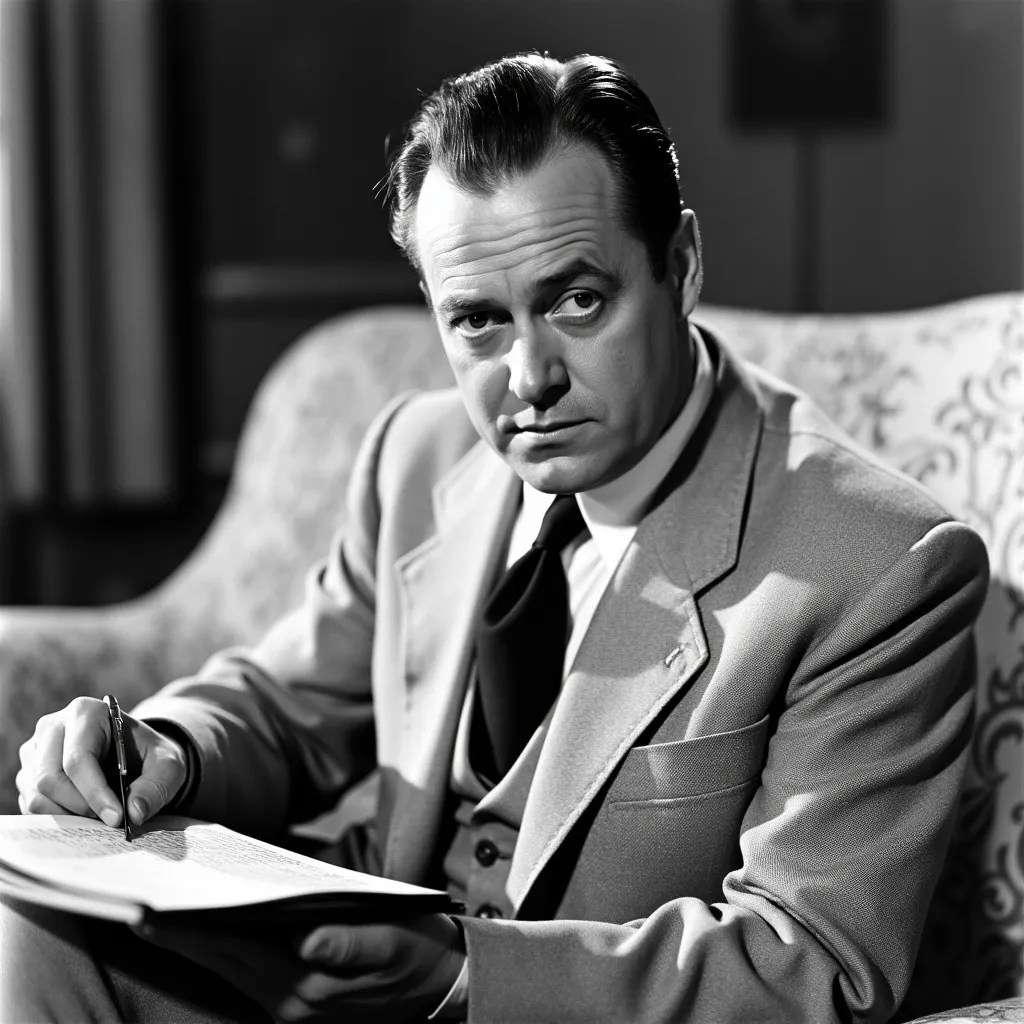
Bruce Wayne is one of the most iconic characters in popular culture, best known as the billionaire behind the cowl of Batman. His story transcends generations, resonating with moviegoers, comic fans, and filmmakers alike. But Bruce Wayne is more than just a wealthy man with a dark alter ego—he is a complex character whose journey of tragedy, revenge, and redemption has captivated storytellers across mediums for decades. This article dives deep into the persona of Bruce Wayne, exploring what makes him so compelling for fans and an endless source of inspiration for filmmakers.


The Tragic Origin: A Hero Born from Loss

Bruce Wayne’s journey begins with trauma. As a young boy, he witnesses the murder of his parents, Thomas and Martha Wayne, during a robbery gone wrong in Gotham City. This pivotal moment defines Bruce’s entire existence—it marks the death of his innocence and sparks his transformation into a symbol of vengeance.

Filmmakers have often depicted this tragic origin with emotional weight, knowing that the scene is not just the beginning of Bruce’s story but also a reflection of Gotham’s harsh reality. The contrast between Bruce’s privilege and his personal suffering makes his character a study in duality—something that resonates with audiences on both a personal and philosophical level.

Why It Works in Film:

  • The loss of family resonates universally, adding emotional depth.
  • The duality of wealth and trauma creates rich storytelling opportunities.
  • Gotham’s crime-ridden environment serves as a metaphor for societal decay.

The Dual Identity: Billionaire by Day, Vigilante by Night

Bruce Wayne is not just the man under the Batman mask; he represents two distinct personas that serve different purposes.

  1. Bruce Wayne – The Billionaire Playboy: Outwardly, Bruce adopts the persona of a carefree socialite to deflect suspicion. He hosts extravagant parties, makes headlines with his public appearances, and maintains the image of a man uninterested in Gotham’s problems.
  2. Batman – The Dark Knight: At night, Bruce Wayne dons the Bat-suit and becomes Batman, a masked vigilante who fights crime using fear, gadgets, and detective skills.

This dynamic gives filmmakers the chance to explore two contrasting identities within one character. It allows for stories that balance high-society glamour with gritty street-level action—something few other superheroes offer.

Notable Film Examples:

  • The Dark Knight Trilogy by Christopher Nolan emphasizes the mental toll of leading a double life.
  • Batman Returns by Tim Burton portrays Bruce as a man haunted by his past but trapped in his public role.

A Man Without Superpowers: The Ultimate Human Hero

Unlike many other superheroes, Bruce Wayne has no superpowers. His ability to fight crime is the result of his intense training, superior intellect, and access to cutting-edge technology. This makes him a unique character in the superhero genre. Batman’s power lies in his discipline, resourcefulness, and relentless determination—traits that filmmakers can use to explore themes of human potential and limitations.

Many filmmakers are drawn to Batman because his battles are not only physical but also psychological. Fear, obsession, and sacrifice are recurring themes in his character arc, making him relatable despite his fantastical lifestyle. Batman is not invincible—he can be hurt, broken, and emotionally compromised, which adds tension to every conflict.

Why It Works on Screen:

  • Audiences love seeing human characters overcome impossible odds.
  • Batman’s reliance on gadgets and martial arts makes for exhilarating fight choreography.
  • Filmmakers can explore his vulnerabilities, making him feel more real.

Gotham City: A Mirror to Bruce Wayne’s Soul

Gotham City is not just a backdrop—it’s an extension of Bruce Wayne’s mind and heart. The city’s dark alleys, corrupt institutions, and dangerous streets reflect Bruce’s internal struggles. Every villain he faces—from the Joker to Two-Face—represents a different aspect of Gotham’s brokenness and, in turn, Bruce’s inner demons.

Filmmakers often use Gotham as a visual metaphor, showing how the city’s fate is tied to Bruce’s state of mind. When Bruce loses hope, Gotham descends further into chaos. When he rises, the city finds a glimmer of hope. This symbiotic relationship between the character and the setting allows for powerful storytelling with strong emotional stakes.

Notable Interpretations of Gotham:

  • Tim Burton’s gothic, stylized Gotham reflects the surreal nature of Bruce’s world.
  • Christopher Nolan’s Gotham mirrors the real-world urban decay and corruption, grounding the narrative in reality.
  • Matt Reeves’ The Batman presents a gritty, rain-soaked Gotham, emphasizing the noir detective aspect of Bruce Wayne.

The Rogue’s Gallery: Villains That Define Him

A hero is only as good as his villains, and Bruce Wayne’s alter ego faces some of the most memorable antagonists in film history. Each villain represents a twisted mirror of Bruce himself, providing rich material for storytelling.

  • The Joker: Chaos incarnate, he challenges Batman’s obsession with control and order.
  • Two-Face: A tragic figure representing the duality that Bruce also struggles with.
  • The Riddler: An intellectual rival who pushes Bruce to his mental limits.
  • Catwoman: A love interest and occasional ally, embodying moral ambiguity.

These complex relationships give filmmakers opportunities to explore philosophical themes about good, evil, and everything in between.


Filmmakers’ Fascination with Bruce Wayne

Bruce Wayne’s character offers endless possibilities for filmmakers. His persona can be molded into various genres:

  • Action Blockbuster: Exploring thrilling fights and high-octane chases.
  • Psychological Drama: Delving into Bruce’s inner struggles and the impact of trauma.
  • Film Noir: Investigating the detective side of Batman with moody, atmospheric visuals.

Each director who has tackled the character has brought something new to the table:

  • Christopher Nolan created a grounded, philosophical trilogy focusing on themes of fear and hope.
  • Matt Reeves emphasized Batman as a detective, giving the story a noir edge.
  • Tim Burton leaned into the surreal and gothic elements, creating a fairy-tale-like version of Gotham.

Why Audiences Love Bruce Wayne

Audiences are drawn to Bruce Wayne because he is a character with layers—he is heroic yet flawed, powerful yet vulnerable. His transformation into Batman is an act of defiance against fate, a refusal to let his trauma define him. Fans connect with the idea that anyone, even a man without powers, can rise above adversity to become something more.

Filmmakers love the character because Bruce Wayne provides opportunities for storytelling that go beyond typical superhero tropes. His story is one of sacrifice, redemption, and resilience, offering a rich canvas to explore themes that resonate on a deeply human level.


Conclusion: Bruce Wayne, the Everlasting Symbol

Bruce Wayne is more than just Batman—he is a symbol of what it means to fight for justice even when the odds are stacked against you. His journey from a grieving boy to the protector of Gotham offers endless storytelling possibilities, making him a favorite among filmmakers and movie fans alike.

Every generation finds new meaning in Bruce Wayne’s story, and as long as there are stories to tell, the legend of the Dark Knight will endure. Whether he is battling villains, wrestling with inner demons, or saving Gotham once again, Bruce Wayne’s story will always captivate audiences—on the screen, in comics, and beyond.

The Legacy of Zia Mohyeddin: A Glimpse into His Role in Lawrence of Arabia

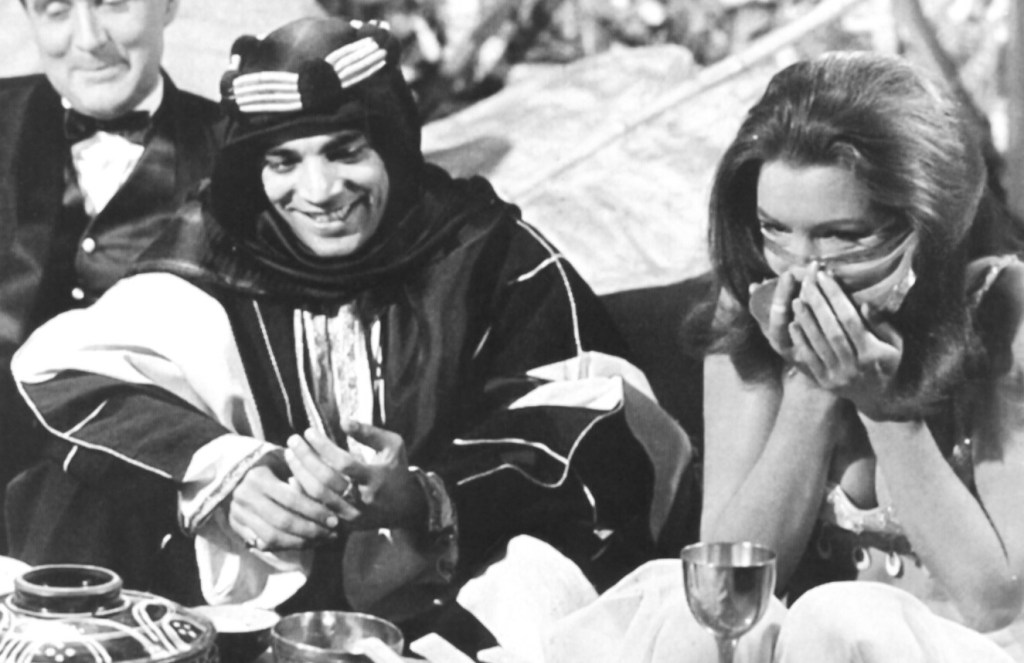
Zia Mohyeddin, an iconic British-Pakistani actor, holds a distinctive place in cinematic and theatrical history. He gained international fame for his performance in the 1962 epic Lawrence of Arabia, where he played the role of Tafas, an Arab guide. In the film, Tafas encounters T.E. Lawrence (played by Peter O’Toole) and introduces him to the Bedouin desert lifestyle before meeting a tragic fate. Although his role was brief, Zia’s presence in the early part of the film left a lasting impression, symbolizing the interaction between British and Arabian cultures—a central theme of the movie.

Beyond cinema, Zia Mohyeddin was a multi-faceted cultural icon, celebrated not just as an actor but also as a theatre director, orator, and broadcaster. Born in Faisalabad (formerly Lyallpur) in 1931, Zia pursued his early education in Pakistan before moving to England, where he was trained at the prestigious Royal Academy of Dramatic Art (RADA). His rigorous training at RADA shaped his career on stage, particularly in Shakespearean drama, where he was known for his commanding voice, eloquence, and nuanced delivery. Zia became one of the first South Asians to earn acclaim on the British stage, starring in productions such as Julius Caesar and Othello.

Zia’s connection with the performing arts extended far beyond acting. He was an exceptional narrator, famous for his readings of classical Urdu literature, including works by poets like Ghalib and Faiz Ahmed Faiz. His oratory skills became legendary through television, especially with the Zia Mohyeddin Show in the 1970s, a program that left a profound impact on Pakistan’s media landscape.

After spending years abroad, Zia returned to Pakistan to continue his contributions to theatre and broadcasting. He founded the National Academy of Performing Arts (NAPA) in Karachi, where he mentored several generations of actors. Zia’s commitment to nurturing talent and promoting Urdu literature left a cultural legacy that endures beyond his passing in February 2023 at the age of 91.

Zia Mohyeddin’s role in Lawrence of Arabia was only a small part of his illustrious career, but it remains a testament to his ability to transcend cultural boundaries and showcase his talent on a global stage. His life’s work exemplified the intersection of East and West, bridging artistic traditions through theatre, cinema, and literature.

The Shawshank Redemption (1994): A Journey of Hope and Friendship

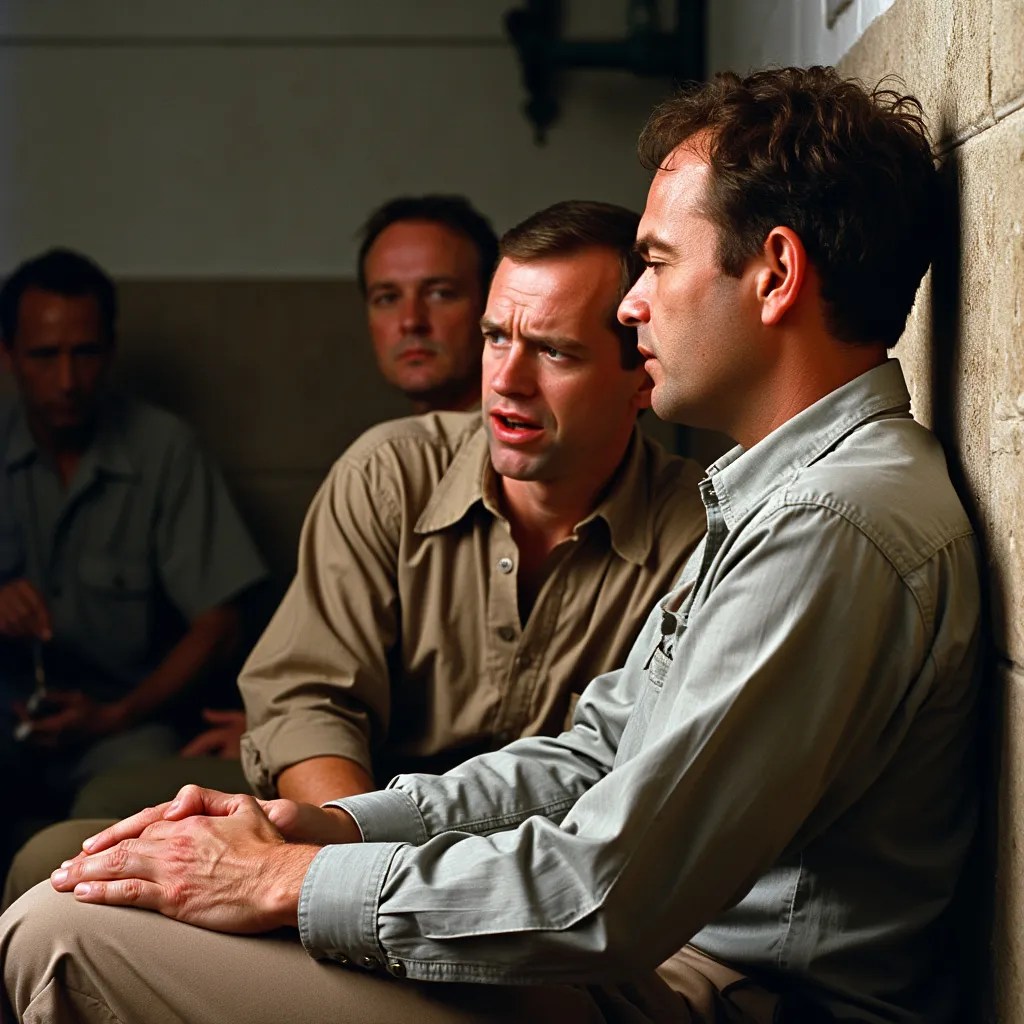
The Shawshank Redemption, released in 1994, is a film that has transcended its initial box office performance to become a beloved classic, often regarded as one of the greatest films of all time. Directed by Frank Darabont and based on Stephen King’s novella Rita Hayworth and Shawshank Redemption, this poignant tale of hope, friendship, and resilience in the face of despair resonates deeply with audiences worldwide.

Read More

Casablanca (1942): A Timeless Classic of Love and Sacrifice

Casablanca, released in 1942, is often hailed as one of the greatest films of all time. Directed by Michael Curtiz and set against the backdrop of World War II, this romantic drama encapsulates themes of love, sacrifice, and redemption. With its unforgettable characters, iconic lines, and rich cinematography, Casablanca has left an indelible mark on cinema and continues to resonate with audiences worldwide.

Read More