Folktale – Zohra and Majnoon
The love story of Zohra and Majnoon is a timeless tale of unrequited love, sacrifice, and eternal devotion.
The love story of Zohra and Majnoon is a timeless tale of unrequited love, sacrifice, and eternal devotion.
The Pashtun love story of Gul-e-Rukh and Rafiq is a tale of passionate love, societal challenges, and tragic separation.
Podcast: Gul Meena and Fateh Khan: A poignant Pashto folktale of forbidden love, resilience, and tragedy. Their devotion defies societal norms, showcasing the timeless struggle between love and tradition in Pashtun culture, leaving a legacy of heartbreak and sacrifice.
A timeless Pashto love tragedy of Yousaf Khan and Sherbano, entwining passion, betrayal, and sacrifice against the backdrop of tribal traditions.
One of the most heart-warming folktale in the Pashtun culture. Listen, like, comment and share.
Immerse yourself in a heartwarming Pashto love story filled with romance, passion, and cultural richness. This podcast beautifully narrates a tale of devotion and resilience, offering a glimpse into timeless emotions that transcend language and resonate with every listener.
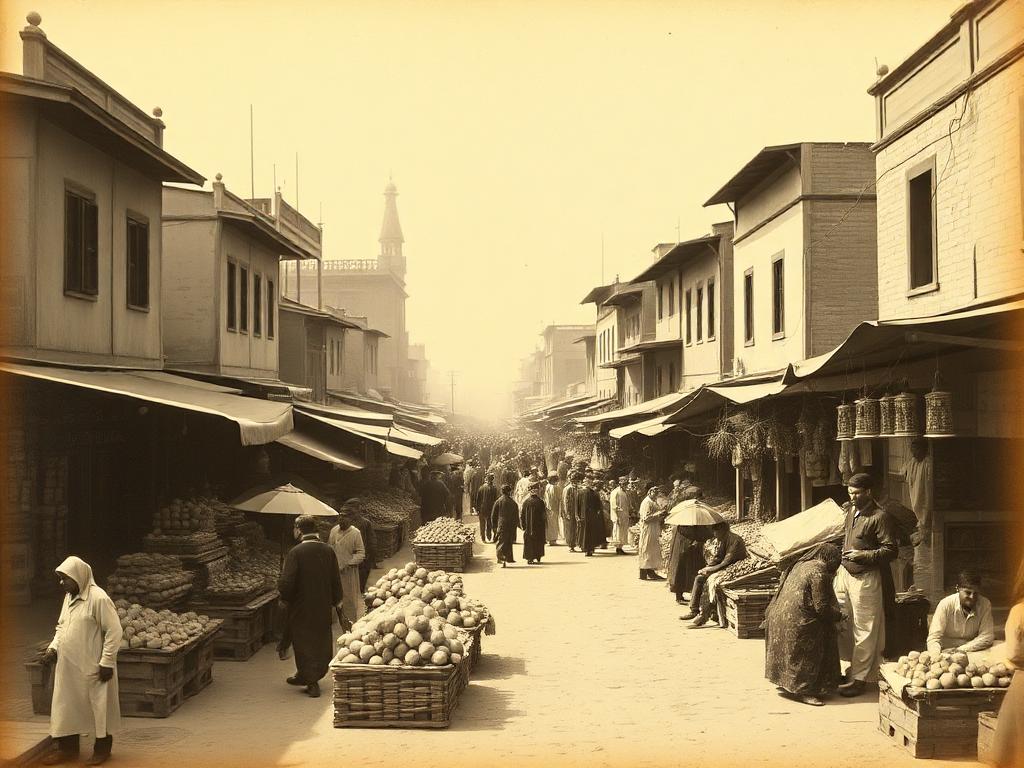
Peshawar, the capital of Khyber Pakhtunkhwa province in Pakistan, has long been a cradle of art and culture. Its historic streets and vibrant bazaars have nurtured talents that later illuminated the silver screens of Hindi cinema in the 20th century. This article looks into the lives of legendary film stars who hailed from Peshawar, exploring their early days, migration to the Indian film industry, and their remarkable achievements.
Prithviraj Kapoor: The Patriarch of the Kapoor Dynasty
Prithviraj Kapoor, born on November 3, 1906, in Lyallpur (now Faisalabad, Pakistan), moved to Peshawar for his higher education. He attended Edwardes College in Peshawar, where he developed an interest in theater. His passion for acting led him to Bombay (now Mumbai), where he became one of the pioneers of Indian theater and cinema. Prithviraj’s legacy continued through his descendants, making the Kapoor family a cornerstone of Bollywood.
Raj Kapoor: The Showman of Indian Cinema
Raj Kapoor, son of Prithviraj Kapoor, was born on December 14, 1924, in Peshawar’s Qissa Khwani Bazaar, famously known as the “Street of Storytellers.” He spent his early years in Peshawar before the family relocated to Mumbai. Raj Kapoor’s cinematic journey began as a clapper boy, but his talent soon propelled him to acting and filmmaking. He founded R.K. Films and became renowned for classics like “Awaara,” “Shree 420,” and “Mera Naam Joker,” earning him the title of “The Showman.”
Dilip Kumar: The Tragedy King
Born as Muhammad Yusuf Khan on December 11, 1922, in Peshawar’s Qissa Khwani Bazaar, Dilip Kumar’s early life was steeped in the rich cultural milieu of the city. He received his early education in Peshawar before his family moved to Mumbai. There, he ventured into the film industry, adopting the screen name Dilip Kumar. His nuanced performances in films like “Devdas,” “Mughal-e-Azam,” and “Naya Daur” earned him the moniker “Tragedy King,” and he became one of the most respected actors in Indian cinema.
Vinod Khanna: The Handsome Hero
Vinod Khanna was born on October 6, 1946, in Peshawar to a Punjabi Hindu family. Shortly after his birth, during the partition of India, his family moved to Bombay. He completed his education at Sydenham College and developed an interest in films. Vinod Khanna made his acting debut in 1968 and went on to become one of the leading actors of his time, known for his roles in films like “Mere Apne,” “Amar Akbar Anthony,” and “Qurbani.”
Madhubala: The Venus of Indian Cinema
Madhubala, born Mumtaz Jehan Begum Dehlavi on February 14, 1933, in Delhi, was part of a conservative Pathan Muslim family with roots tracing back to Peshawar. Her father, Ataullah Khan, hailed from Peshawar and relocated the family to Bombay (now Mumbai) after facing financial difficulties. Madhubala began her film career as a child artist and rose to prominence with her ethereal beauty and acting prowess in films like “Mahal,” “Mr. & Mrs. ’55,” and the epic “Mughal-e-Azam,” where she portrayed Anarkali. Her performances left an indelible mark on Indian cinema, earning her the title “The Venus of Indian Cinema.”
Jayant: The Versatile Character Actor
Jayant, born Zakaria Khan on October 15, 1915, in Peshawar, was a prominent character actor in Indian cinema. He began his career in the 1930s and became known for his robust performances in films like “State Express” (1938) and “Sardar-e-Awwal” (1939). Jayant’s deep voice and commanding screen presence made him a favorite for roles of authority figures. He was also the father of actor Amjad Khan, who gained fame for his portrayal of Gabbar Singh in “Sholay.
Amjad Khan: The Iconic Villain
Amjad Khan, born on November 12, 1940, in Hyderabad, was the son of legendary actor Jayant, who hailed from Peshawar. Amjad Khan’s family roots were deeply embedded in Peshawar’s rich cultural heritage. He pursued his education at St. Andrew’s High School in Bandra and R.D. National College, where he was actively involved in theater. Amjad Khan’s portrayal of the dacoit Gabbar Singh in the 1975 classic “Sholay” became iconic, making him one of the most memorable villains in Indian cinema. His nuanced performances in films like “Muqaddar Ka Sikandar” and “Lawaaris” further solidified his reputation as a versatile actor.
G. M. Durrani: The Melodious Pioneer
Ghulam Mustafa Durrani, known as G. M. Durrani, was born on September 8, 1919, in Peshawar. He began his career with All India Radio, performing at the Peshawar and Lahore stations, which explored his musical talents. Durrani transitioned to playback singing in Hindi cinema during the 1930s and 1940s, becoming one of the era’s most sought-after voices. His versatility spanned sad songs, romantic melodies, patriotic anthems, qawwalis, ghazals, and bhajans. Durrani’s contributions significantly shaped the early years of Bollywood music, and he also mentored future legends like Mohammed Rafi.
Peshawar: The Cradle of Talent
Peshawar’s rich cultural tapestry and its historic Qissa Khwani Bazaar have been instrumental in shaping the artistic inclinations of these legends. The city’s emphasis on storytelling, theater, and music provided a nurturing environment that inspired many to pursue careers in the arts. The migration of these artists to the Indian film industry not only highlights their personal journeys but also underscores Peshawar’s significant contribution to the cultural and artistic exchanges in the subcontinent.
In recent years, there have been efforts to preserve the ancestral homes of these Bollywood legends in Peshawar. The provincial administration has approved budgets to purchase and restore the dilapidated houses of Dilip Kumar and Raj Kapoor, aiming to convert them into museums. These initiatives reflect a recognition of Peshawar’s rich cultural.
The art of blacksmith with his old fashioned blower and the melting of iron.
If you find it interesting, watch the video, like, comment and share it.
Part-1
This kind of basket is made from bamboo strips. Extreme care is taken while making thin strips with a razor-sharp knife. The basket is then used for tying ducks and chickens and numerous other purposes in Bangladeshi villages.
Part-2

Delve into the Intricate World of Polo Stick Crafting. Experience the fusion of tradition and innovation in every meticulously crafted mallet. Ready to explore more oddly satisfying jobs? Visit my website for a deeper dive into unique professions that captivate the senses.
Like and share to encourage the artisan.

The Renaissance period stands as a testament to human creativity, intellectual flourishing, and cultural renaissance. At the heart of this transformative era were the noble families whose patronage of the arts, politics, and commerce shaped the course of history. In this blog, we delve into the world of Renaissance nobility, exploring its historical background, causes, effects, impacts, and intriguing facets from historical, cultural, religious, and geopolitical perspectives.
Historical Background: Rise of the Renaissance Nobility
The Renaissance, meaning “rebirth,” marked a period of profound cultural, artistic, and intellectual revival in Europe, spanning roughly from the 14th to the 17th century. Emerging from the ashes of the Middle Ages, this era witnessed a resurgence of classical learning, humanism, and exploration, fueled by the rediscovery of ancient texts and ideas.
As Europe emerged from the tumult of the medieval period, a new class of elites began to assert their influence: the nobility. Descendants of feudal lords and monarchs, Renaissance nobles wielded significant political, economic, and social power. Their wealth, often derived from land ownership and trade, allowed them to patronize artists, scholars, and architects, transforming cities into centers of culture and refinement.
Causes and Effects: The Dynamics of Renaissance Nobility
Several factors contributed to the rise of Renaissance nobility and their subsequent influence:
The effects of Renaissance nobility reverberated across Europe and beyond:
Impacts: Legacy of Renaissance Nobility
The legacy of Renaissance nobility endures to this day, manifesting in the cultural heritage, political institutions, and social structures of modern society:
Conclusion: The Enduring Legacy of Renaissance Nobility
In the tapestry of history, the Renaissance nobility emerges as a vibrant thread, weaving together art, politics, commerce, and culture in a symphony of power and influence. Their patronage of the arts, pursuit of knowledge, and quest for glory left an indelible mark on the world, shaping the course of human civilization and inspiring generations to come. As we reflect on their legacy, we honor the visionaries, trailblazers, and luminaries who propelled humanity forward during this extraordinary era of rebirth and renewal.
 Janson's blog