On my visit to a traditional food street near the Afghanistan border, the aroma of sizzling spices led me to an irresistible culinary marvel—cow liver cooked on a giant iron pan.
The chef, with swift and practiced movements, diced the liver and tossed it onto the hot pan, where it sizzled and crackled. A splash of oil followed, mingling with vibrant red chilies, juicy tomatoes, and an array of traditional spices. With every turn of his spatula, the mixture transformed into a tantalizing feast, the air filled with the rich fragrance of smoky, spicy goodness.
Have you ever encountered such culinary artistry? Let’s discuss in the comments below—don’t forget to like and share!
This kind of basket is made from bamboo strips. Extreme care is taken while making thin strips with a razor-sharp knife. The basket is then used for tying ducks and chickens and numerous other purposes in Bangladeshi villages.
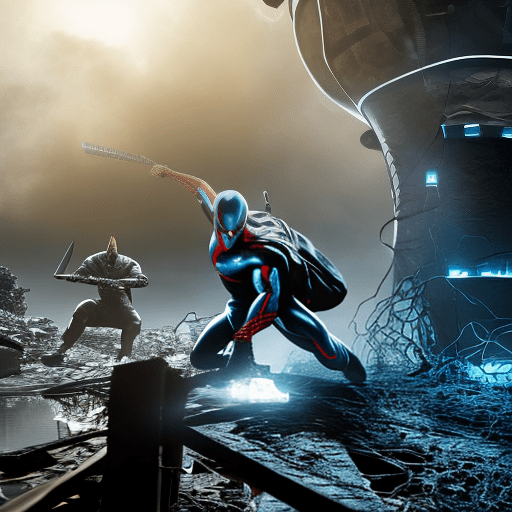
Knull, the God of the Symbiotes, has fascinated comic book fans since his debut in 2013. Created by writer Rick Remender and artist Clayton Crain, he has evolved into a key figure in the Venom storyline, having profound connections to Spider-Man as well. As fans eagerly await Spider-Man 4, discussions about whether Knull will return have intensified.
Hints from the Creators
Insiders suggest that the filmmakers might be leaning towards a more cosmic angle for Spider-Man 4, which could pave the way for the introduction of Knull. Given the success of the Marvel Cinematic Universe (MCU) in merging characters, it wouldn’t be surprising to see Knull rise as a formidable villain. Rumors circulating in fan circles indicate that discussions about Knull’s character have sparked excitement among the production team.
What This Means for Spider-Man Fans
If Knull comes back in Spider-Man 4, it could open a myriad of storylines. His unique powers and complex background offer endless possibilities for character development and conflicts. Furthermore, the interaction between Knull and Spider-Man could result in an engaging dynamic, straddling the line between hero and anti-hero. Anticipation builds as fans speculate on how this new chapter could intertwine with existing narratives, especially with the rise of Venom within the franchise.
In conclusion, while there hasn’t been an official announcement confirming Knull’s return in Spider-Man 4, the creative hints and fan speculation certainly suggest that the character could make an impactful appearance. As we dive deeper into the world of superhero films, Knull’s presence could redefine the Spider-Man universe.
Female-owned tailoring businesses in Nigeria are thriving as a symbol of empowerment and economic resilience. Women like Aisha Garba have transformed their skills into successful enterprises, often overcoming challenges such as access to funding and market visibility. Initiatives like the 360 Creative Hub in Lagos foster collaboration among fashion entrepreneurs, enhancing creativity and reducing costs. With training programs improving business management skills, these women significantly contribute to Nigeria’s economy, where female entrepreneurs account for 32.9% of micro and small businesses. The rise of technology and social media further expands their reach, showcasing their unique designs to broader audiences.
In Nigeria, hair braiding transcends beauty; it is a cultural expression that embodies history, creativity, and community spirit. Local female experts play a crucial role in this vibrant industry, showcasing their skills while contributing to the economic fabric of society. As trends evolve and new techniques emerge, the art of hair braiding remains a cherished tradition that continues to empower women across the nation.
RSS, which stands for Really Simple Syndication or Rich Site Summary, is a web feed format that enables users and applications to access updates from websites in a standardized, computer-readable manner. This technology allows individuals to subscribe to various websites and receive updates automatically, eliminating the need to visit each site individually to check for new content.
Key Features of RSS
Content Aggregation: RSS feeds compile content such as news articles, blog posts, podcasts, and more from multiple sources into a single interface, allowing users to view updates in reverse chronological order.
Automatic Updates: Users subscribe to RSS feeds through an aggregator or feed reader, which regularly checks for new content and displays it without requiring the user to be online at all times.
Standardized Format: RSS feeds are typically formatted in XML, which ensures compatibility across different platforms and devices. This standardization helps maintain the integrity of the content being shared.
Historical Context
RSS was first introduced in 1999 by Netscape as RDF Site Summary. Over the years, it evolved through various versions, with significant updates occurring in 2002 when it was rebranded as Really Simple Syndication. This evolution included enhancements that allowed for multimedia content like audio and video files, paving the way for the rise of podcasting.
Usage
RSS is particularly beneficial for users who wish to stay updated on specific topics or websites without the clutter of social media. It is widely used by bloggers, news organizations, and content creators to distribute their material efficiently. Major web browsers and applications support RSS feeds, making it accessible for a broad audience.
In summary, RSS serves as a powerful tool for content distribution and consumption, streamlining how users interact with frequently updated information online.
The night was crisp and filled with a festive spirit as I attended a traditional wedding ceremony that extended into the early hours. The venue, adorned with twinkling lights, buzzed with laughter and chatter, creating an atmosphere of joy and celebration. As the clock struck midnight, the wedding festivities continued unabated, showcasing the cultural richness of the occasion.
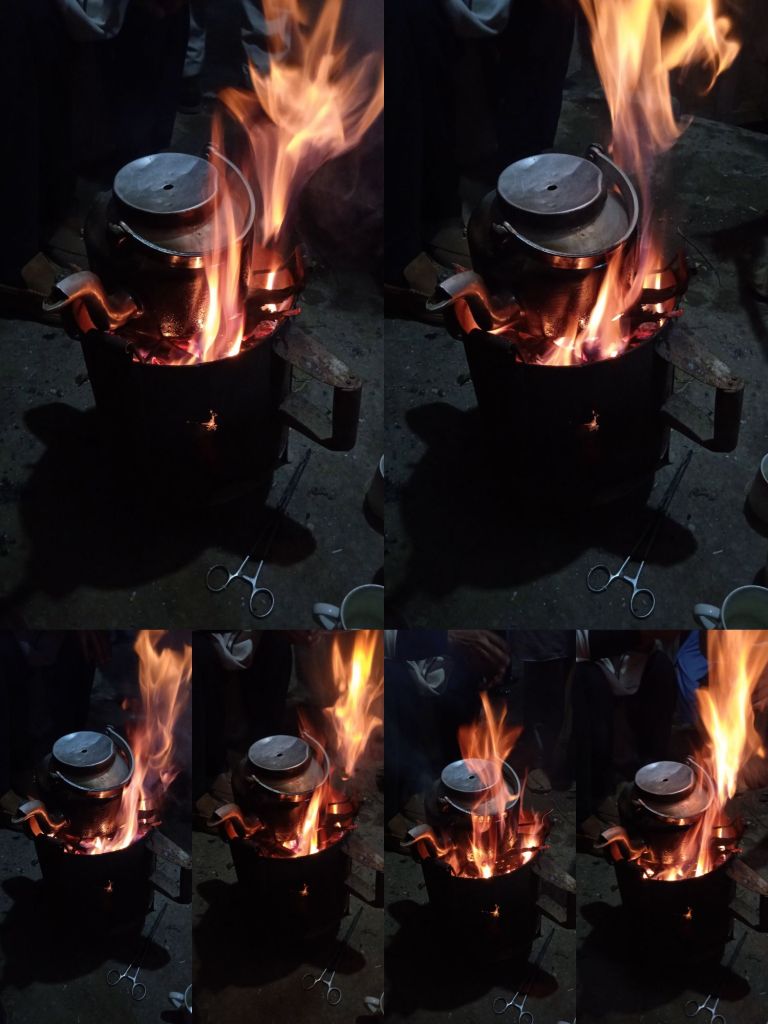
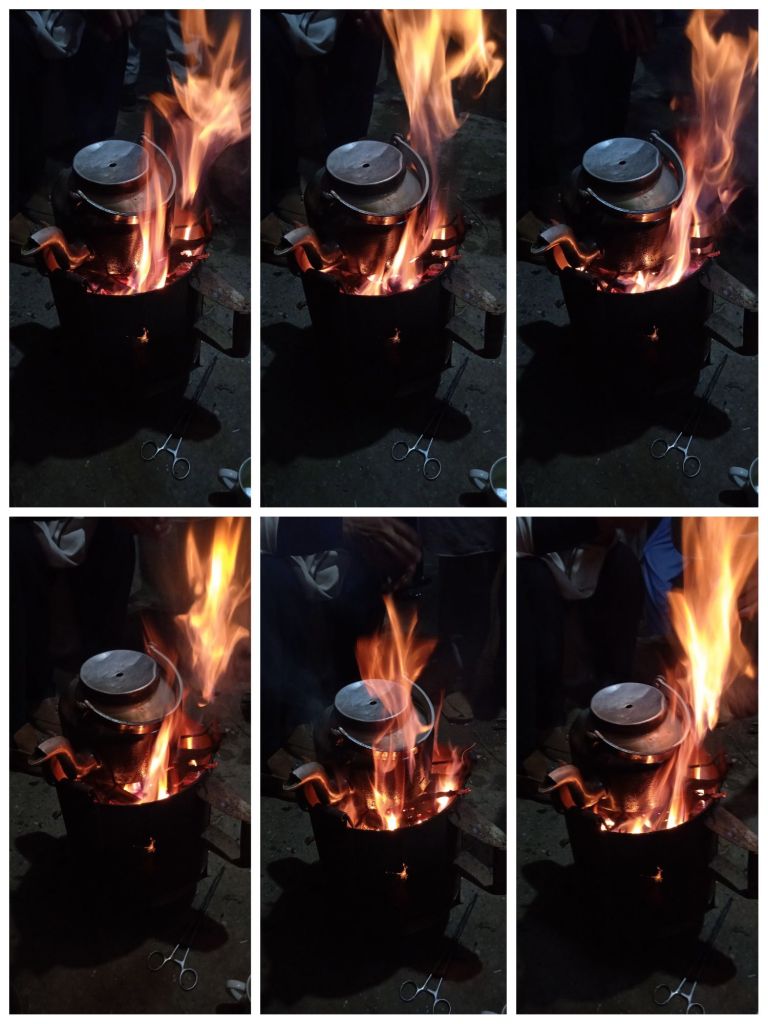
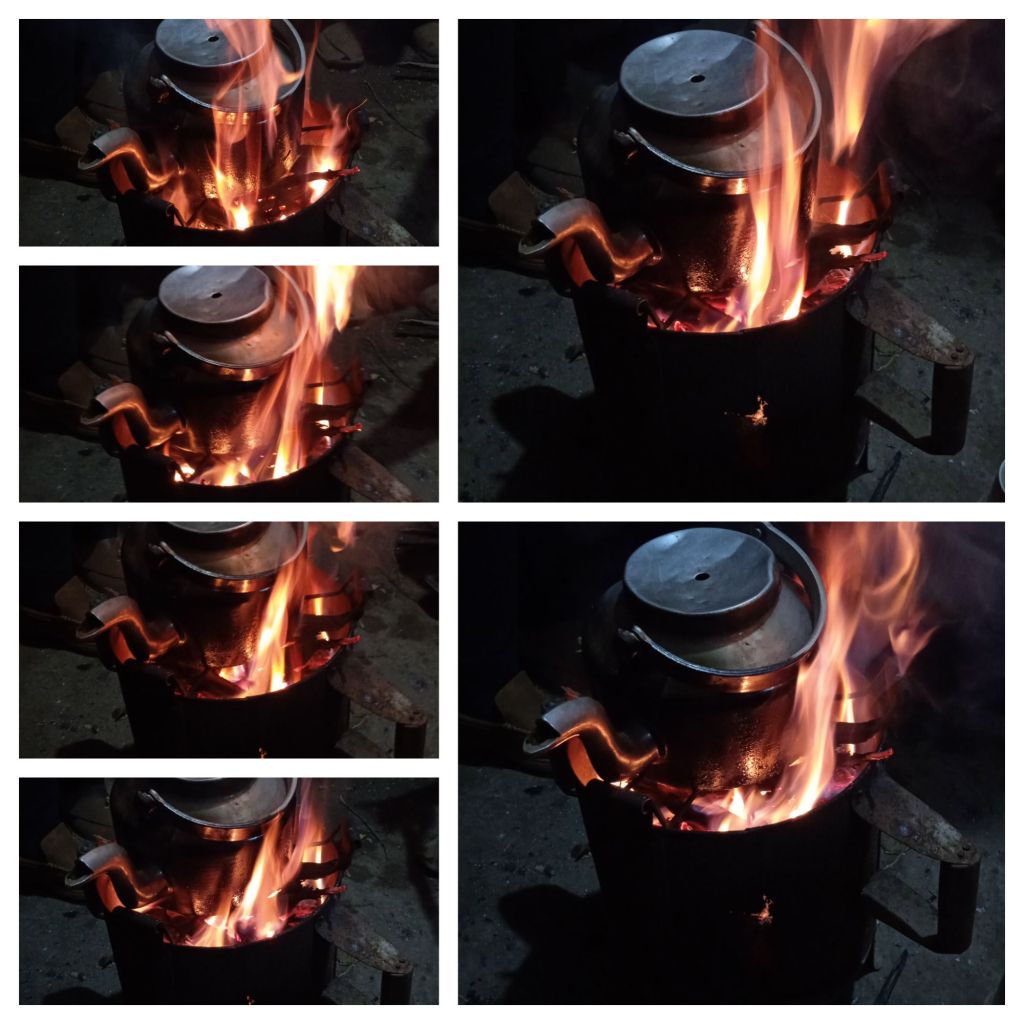
In a cozy corner of the hall, friends gathered to escape the chill outside, sharing stories and laughter over cups of Qehwa, a fragrant green tea prepared over a wood fire. The silver teapot sat gracefully on the flames, its contents bubbling with warmth. The aroma of boiling water mingled with the sweet scent of sugar, crushed cardamom and Kenyan tea leaves, inviting everyone to partake in this delightful ritual.
As we sipped our tea, the merriment around us swelled; joyous conversations flowed as freely as the tea itself. The warmth of the drink complemented the warmth of friendship, making it a perfect moment to cherish. This blend of tradition and camaraderie not only warmed our bodies but also our hearts, encapsulating the essence of celebration in a way that would linger long after the last sip was taken. The night was a beautiful reminder of how love and friendship can turn even the coldest nights into cherished memories.
Which of the collages, depicts perfectly the story?
Visiting the ancient ruins of Jaulian, located near Taxila in Pakistan, is a journey through time, revealing the grandeur of Buddhist architecture from centuries past. This site, perched on a hill, showcases the remains of a Buddhist monastery dating back to the 2nd century CE, making it one of the oldest and most significant religious complexes in the region.
As I explored the sprawling ruins, I was captivated by the intricate pathways and expansive verandas that once served as communal spaces for monks. The layout included study halls and living quarters, which provided insight into the daily lives of those who inhabited this majestic site.
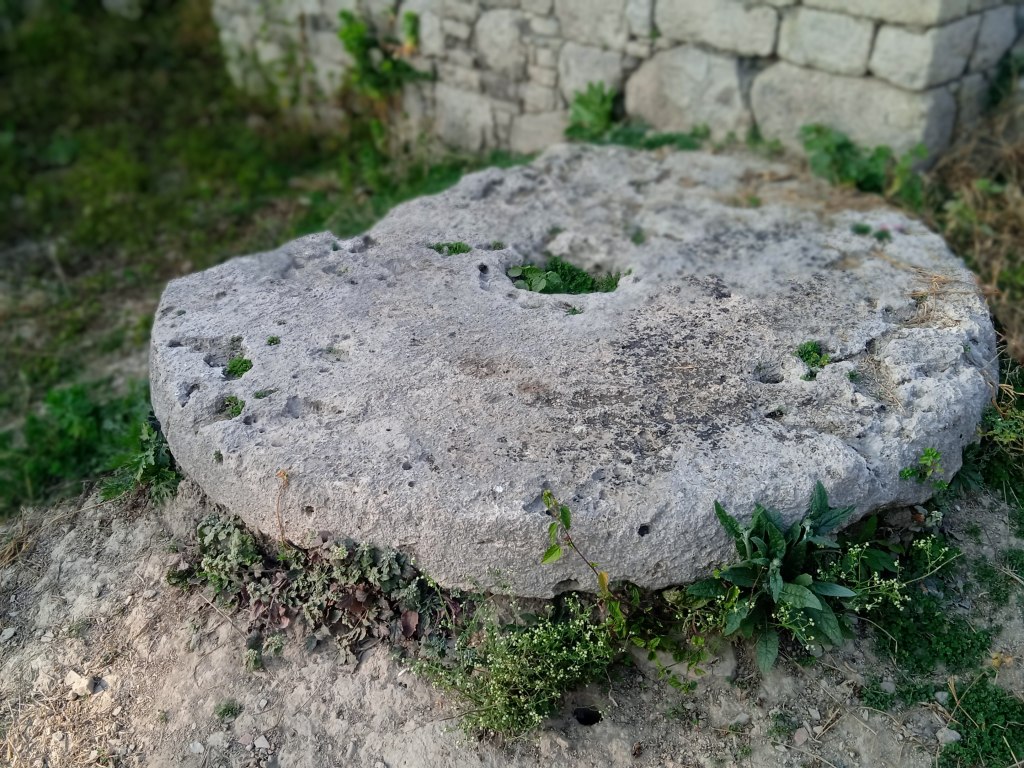
The presence of hand-carved statues of Buddha and his disciples adds a spiritual dimension to the experience, evoking a sense of reverence for the craftsmanship that has withstood the test of time. Among the remarkable features is a manual grinding mill, whose upper part is still visible today. This ancient apparatus was essential for grinding wheat or rice etc. into flour, highlighting the self-sufficiency of this monastic community. The remnants of kitchens and water wells further illustrate how these monks thrived in harmony with their environment.
The scenic beauty surrounding Jaulian enhances its allure. Nestled amidst lush greenery and rolling hills, the site offers breathtaking views that complement its historical significance. The serenity of the landscape invites reflection on the lives of those who once walked these paths. The architectural brilliance displayed at Jaulian is a testament to the skill and dedication of its designers and builders. Their ability to create such an enduring structure, which served as a center for learning and spirituality, deserves high praise. The meticulous attention to detail in every carving and layout reflects a deep understanding of both form and function.
In summary, my visit to Jaulian was not just an exploration of ruins but a profound encounter with history, art, and nature—a true celebration of human achievement in ancient times.
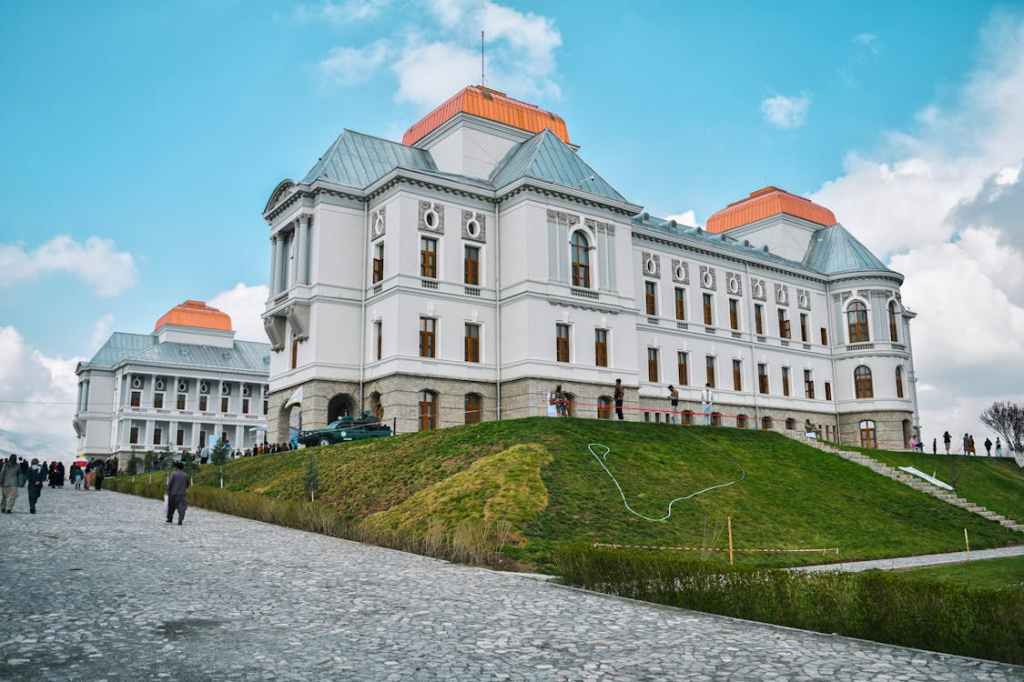
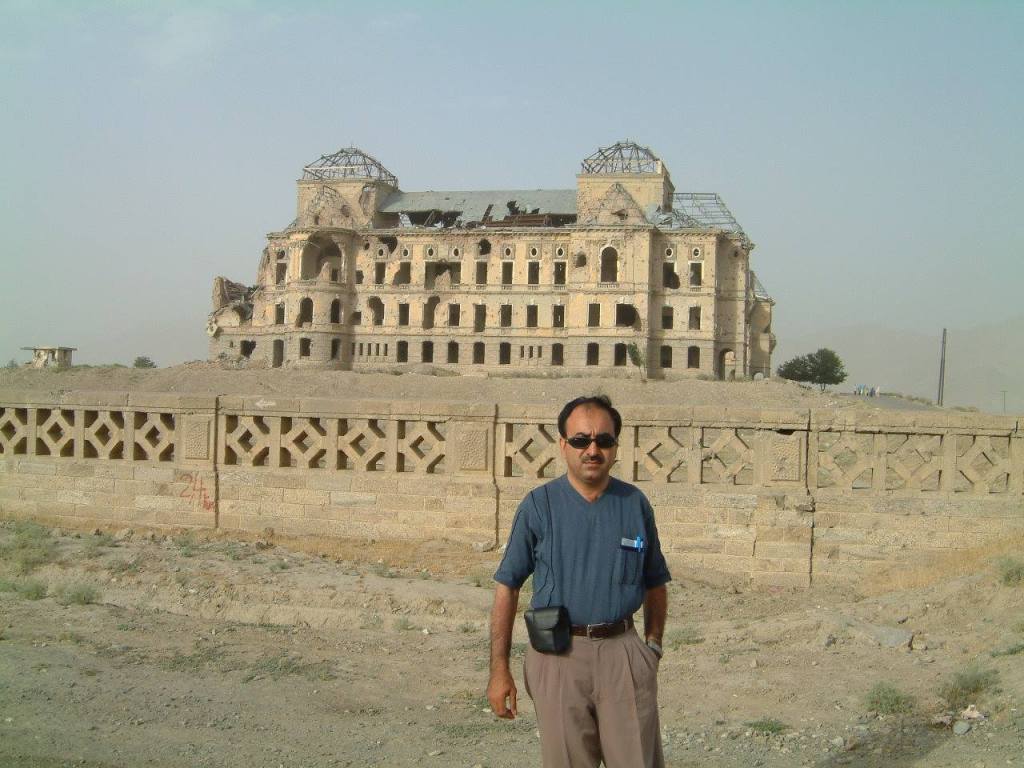
In 2003, I visited Kabul and stood before the haunting ruins of Darul Aman Palace. Once a symbol of modernity, built by King Amanullah Khan in the 1920s, it had suffered extensive destruction during decades of conflict. The sight of its charred walls and crumbling façade filled me with a profound sense of loss for its splendid past. I longed to see it restored to its former glory.
Years later, dedicated Afghan engineers and architects undertook the monumental task of reconstruction. By 2019, the palace was fully restored, showcasing its neoclassical beauty once more. Witnessing this transformation filled me with hope for Afghanistan’s future and a desire to revisit this majestic site in its renewed form.
Photo credit restored building: Qasim Mirzaie at pixel.com


 Janson's blog