Bill Gates, the co-founder of Microsoft, is a visionary who has left an indelible mark on the world through his groundbreaking innovations and philanthropic efforts. His impact on society is multifaceted, spanning the realms of technology, business, and social welfare.
I watched this movie in 1973 as a teen-ager in the Capital cinema of Peshawar (a city called as the Paris of Pathans) in Pakistan. The movie name has always been in my heart and mind since then. On many occasions, I have mentioned my experience of going alone to watch that movie when I was a young boy. Today I have decided to write a review of the said movie with a hope to let you know about the past glory of the western movies.
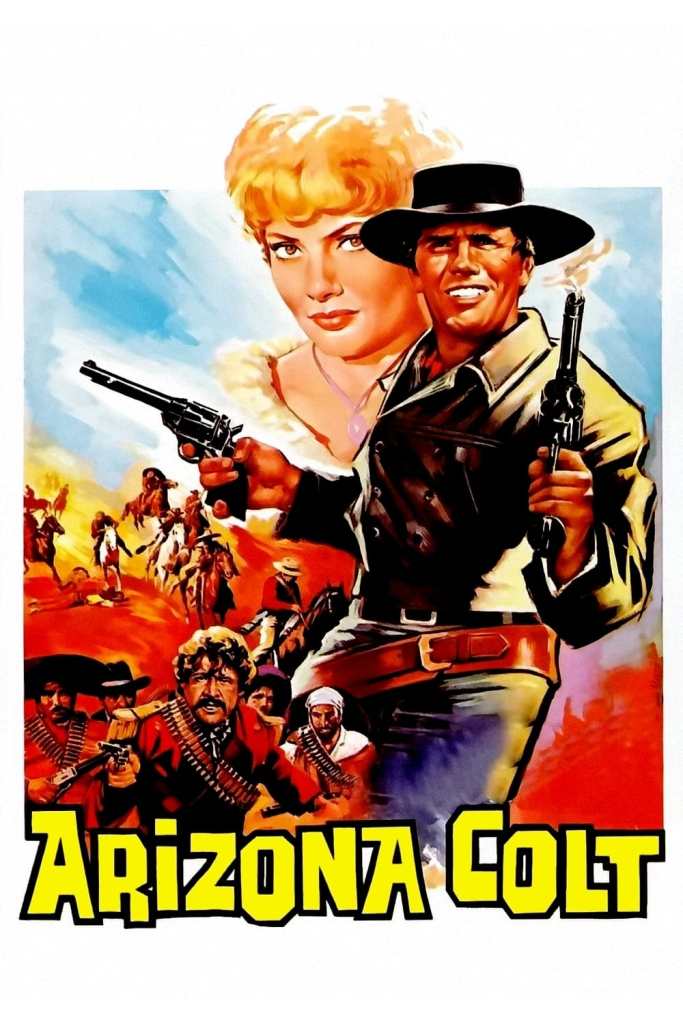
“Arizona Colt,” originally titled “Il pistolero di Arizona,” is a notable spaghetti Western released in 1966, directed by Michele Lupo. This film, starring Giuliano Gemma, has garnered attention for its engaging plot and memorable characters, despite not achieving the same level of fame as other Westerns of its time.
Pre-Production and Filming: The film was shot primarily in the picturesque landscapes of Almería, Spain, known for its stunning desert scenery that perfectly captures the essence of the American West. Filming took place during the summer of 1965, with a dedicated crew that included cinematographer Guglielmo Mancori and art director Walter Patriarca. The production faced typical challenges of the genre, including extreme weather conditions and the logistical difficulties of shooting in remote locations.
The Storyline: “Arizona Colt” follows the titular character, played by Giuliano Gemma, who is a bounty hunter recently sprung from prison by a Mexican bandit named Gordo (Fernando Sancho). After his release, Arizona Colt is reluctantly drawn into a conflict when Gordo’s gang terrorizes a small town. The plot thickens when the father of a murdered saloon girl hires Colt to bring the killer to justice, leading to a series of confrontations that test Colt’s resolve and moral compass. The narrative explores themes of justice, revenge, and the complexities of human relationships, making it a compelling watch for fans of the genre. Colt’s character embodies the archetypal lone hero, navigating a world filled with moral ambiguity and danger.
Cast and Characters, the film features a talented ensemble cast, including:
Giuliano Gemma as Arizona Colt: Known for his charismatic performances, Gemma brings depth to the role of the conflicted bounty hunter.
Fernando Sancho as Gordo: The film’s primary antagonist, Sancho delivers a memorable performance as the ruthless bandit leader.
Corinne Marchand as Jane: The saloon owner’s daughter, whose fate becomes intertwined with Colt’s mission.
Rosalba Neri as Dolores: Another key character who adds emotional weight to the story.
The chemistry among the cast members enhances the film’s dramatic tension, making their interactions both believable and engaging.
Box Office Performance: Upon its release, “Arizona Colt” found considerable success in Italy, where spaghetti Westerns were particularly popular. The film’s unique blend of action, drama, and humor resonated with audiences, contributing to its box office success. However, its international reach was limited, and it did not achieve the same level of recognition in other markets, including the United States.
Legacy and Impact: Over the years, “Arizona Colt” has gained a cult following among fans of the spaghetti Western genre. Its influence can be seen in later films that sought to explore more nuanced and complex narratives within the Western framework. The film is often praised for its cinematography, engaging score by Francesco De Masi, and its ability to blend traditional Western elements with a more modern sensibility.
Conclusion While “Arizona Colt” may not be as widely recognized as other Western classics, it remains a significant entry in the genre. Its compelling story, strong performances, and beautiful cinematography make it a worthwhile watch for anyone interested in the evolution of Western films. As audiences continue to discover and appreciate the unique qualities of spaghetti Westerns, “Arizona Colt” stands out as a testament to the creativity and innovation of its time.
In today’s digital landscape, blogging about personal finance is not just a trend; it’s an opportunity to engage with millions seeking financial wisdom. Whether you’re an aspiring writer or an established blogger, understanding the nuances of finance blogging can significantly enhance your reach and impact. This article aims to educate you on the essentials of writing in the finance niche, utilizing popular keywords to attract readers and boost your blog’s visibility.
Understanding the Finance Niche
Finance is a broad field encompassing various topics such as personal finance, investment strategies, loans, and financial planning. The increasing interest in financial literacy, especially among younger audiences, creates a fertile ground for bloggers. According to recent trends, individuals aged 18 to 30 are particularly keen on understanding financial concepts, making this an ideal demographic to target.
Popular Keywords to Enhance Your Blog
To capture the attention of your audience, integrating high-search-volume keywords into your content is essential. Here are some of the most searched finance-related phrases:
Personal finance tips: This keyword garners about 1,300 searches monthly and can lead to discussions on budgeting, saving, and investing strategies.
How to finance a car: With 2,400 searches, this topic can attract readers looking for practical advice on auto loans and financing options.
What is corporate finance?: This phrase, also with 2,900 searches, can open avenues for deeper discussions on business finance and investment management.
Best way to finance a car: This keyword can help you create content that compares different financing options, appealing to potential car buyers.
Credit score improvement tips: With a staggering 160,560 searches, this topic can provide valuable insights into managing credit effectively.
Incorporating these keywords naturally into your articles can enhance your search engine optimization (SEO) efforts, making it easier for readers to find your blog.
Crafting Engaging Content
When writing about finance, clarity and accessibility are crucial. Here are some tips for crafting engaging content:
Use Simple Language: Avoid jargon that might confuse your readers. Instead, explain complex concepts in straightforward terms.
Provide Practical Advice: Readers appreciate actionable tips they can implement in their financial lives. For example, include step-by-step guides on budgeting or saving for retirement.
Incorporate Real-Life Examples: Use case studies or personal anecdotes to illustrate your points. This approach makes your content relatable and engaging.
Stay Updated on Trends: The finance landscape is ever-changing. Regularly update your content to reflect the latest trends, such as new investment opportunities or changes in financial regulations.
Promoting Your Blog
Once you’ve created valuable content, promoting it effectively is essential. Utilize social media platforms, engage with finance communities, and consider guest posting on established finance blogs to increase your visibility.
Conclusion
Blogging about finance offers a unique opportunity to educate and empower others while establishing your voice in a competitive niche. By leveraging popular keywords, crafting engaging content, and promoting your blog effectively, you can attract a dedicated readership eager for financial guidance. Start your journey today and unlock the potential of finance blogging!
Starfield is an expansive action role-playing game (RPG) developed by Bethesda Game Studios, marking the studio’s first new intellectual property in nearly 30 years. Set in a richly detailed universe, the game allows players to explore the vastness of space, engaging in quests, character interactions, and a variety of activities across numerous planets.
Overview and Setting
Starfield takes place in the 24th century within the Settled Systems, a region of space populated by humanity. Players assume the role of a customizable character who joins Constellation, an organization of space explorers. The narrative kicks off when the protagonist discovers a mysterious artifact, leading to an adventure that delves into the unknown and the remnants of a bygone era of exploration. The game features multiple factions, including the United Colonies and the Freestar Collective, each with their own tensions and conflicts that shape the player’s journey and decisions.
Gameplay Mechanics
The gameplay in Starfield is characterized by its open-world design, allowing players to engage in a multitude of activities ranging from combat and exploration to crafting and building. Players can scan and explore over 1,000 planets, each varying in detail and liveliness. The game encourages players to forge their own paths, whether that involves joining factions, completing quests, or simply wandering the universe. However, some reviews note that the sheer scale of the game can lead to a sense of aimlessness, as players may find it challenging to discern which quests or activities are most rewarding.
Exploration and Travel
Traveling between planets involves a series of cutscenes and loading screens, which some players find detracts from the immersive experience of space exploration. While the game offers the thrill of discovering new worlds, the mechanics of star-hopping can feel repetitive and underwhelming. Players can customize their ships for various purposes, including cargo transport and combat, adding a layer of strategy to exploration.
Visual and Technical Aspects
Starfield is noted for its impressive graphics and attention to detail, particularly on the Xbox Series X. The game’s aesthetic is often described as “NASA-punk,” featuring a grounded, retro-futuristic design that contrasts with more polished sci-fi visuals seen in other titles. This style is reflected in everything from the chunky spacesuits to the modular design of spacecraft and environments.
Narrative and Writing
While the game offers a vast universe and numerous quests, critiques have emerged regarding the quality of its writing and narrative coherence. Many players have found the main storyline to be somewhat forgettable, with dialogue that lacks the depth and engagement found in other RPGs like Bioware’s Mass Effect series. Instead, the game emphasizes player agency, allowing individuals to craft their own stories within the framework of the game world.
Reception and Conclusion
Starfield has received mixed reviews, with some praising its ambitious scope and world-building, while others criticize its execution and narrative depth. The game is seen as a technical achievement that may not fully meet the high expectations set by Bethesda’s previous titles like Skyrim and Fallout 4. Ultimately, Starfield offers a sandbox experience in space, inviting players to explore, engage, and create their own adventures, albeit with some caveats regarding pacing and narrative engagement.In summary, Starfield represents a significant addition to the RPG genre, combining exploration, customization, and storytelling in a vast universe. Its success will largely depend on player expectations and their willingness to navigate its expansive, yet sometimes overwhelming, landscape.
George Orwell’s 1984, published in 1949, remains one of the most influential novels of modern English literature. Its haunting portrayal of a totalitarian regime, surveillance, and manipulation of truth offers profound insights into the dangers of unchecked power. Set in a dystopian world where the Party, headed by the elusive Big Brother, maintains absolute control over society, the novel serves as a sobering reminder of the fragility of freedom and democracy.
Filmmaking is an exciting and rewarding creative endeavor that combines storytelling, visual art, and technical skills. For beginners, the journey into filmmaking can seem daunting due to the multitude of techniques and equipment involved.
The world of online content creation is constantly evolving, with new trends emerging every year. As we approach 2024, it’s important for content creators to stay ahead of the curve and adapt to the changing landscape. Here are some of the key trends that are shaping the future of online content creation:
Creating high-quality video content doesn’t have to break the bank. With a little creativity and resourcefulness, you can build your own DIY video equipment that meets your needs without the hefty price tag. This guide explores various DIY video equipment options, including essential tools and techniques to enhance your video production capabilities.
Shooting video in various environments presents unique challenges and opportunities for creativity. Whether you’re filming indoors, outdoors, in low light, or in challenging weather conditions, understanding how to adapt your techniques and equipment can significantly enhance your results. Here are some essential tips for shooting in different environments.
When it comes to creating visually appealing content for blogs, websites, and social media, having a well-designed background can make all the difference. While there are many tools and resources available for generating cool backgrounds, such as Cool Backgrounds and Wicked Backgrounds, sometimes you may want to explore alternative options to make your content stand out. Here are some creative background alternatives to consider:
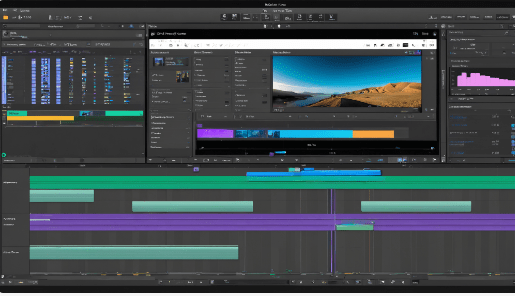
Post-production editing software is essential for filmmakers, content creators, and video editors, enabling them to transform raw footage into polished, professional-quality videos. With a variety of options available, it’s crucial to choose the right software that aligns with your specific needs, budget, and level of expertise. This article reviews some of the best post-production editing software available in 2024, highlighting their features, usability, and suitability for different types of projects.
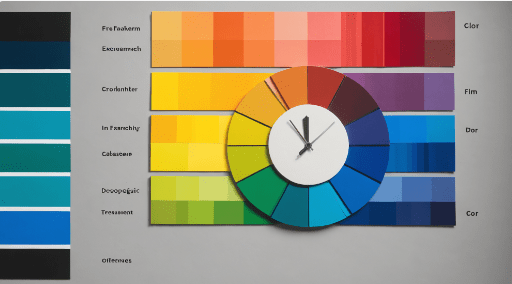
Color theory is a critical component of filmmaking that influences the emotional and psychological responses of viewers. By understanding how colors interact and what they represent, filmmakers can craft narratives that resonate deeply with audiences. This article delves into the fundamentals of color theory in filmmaking, exploring its significance, various color schemes, and how to effectively implement these concepts in your projects.









 Janson's blog