A thousand years ago, in the heart of the Khyber Pass, where the jagged peaks cut the sky and the cold wind whispered secrets through the pine trees, a tale was woven into the fabric of legend. The rugged land, stretching between the lands of Afghanistan and the Indian subcontinent, was home to ancient beings and hidden powers.
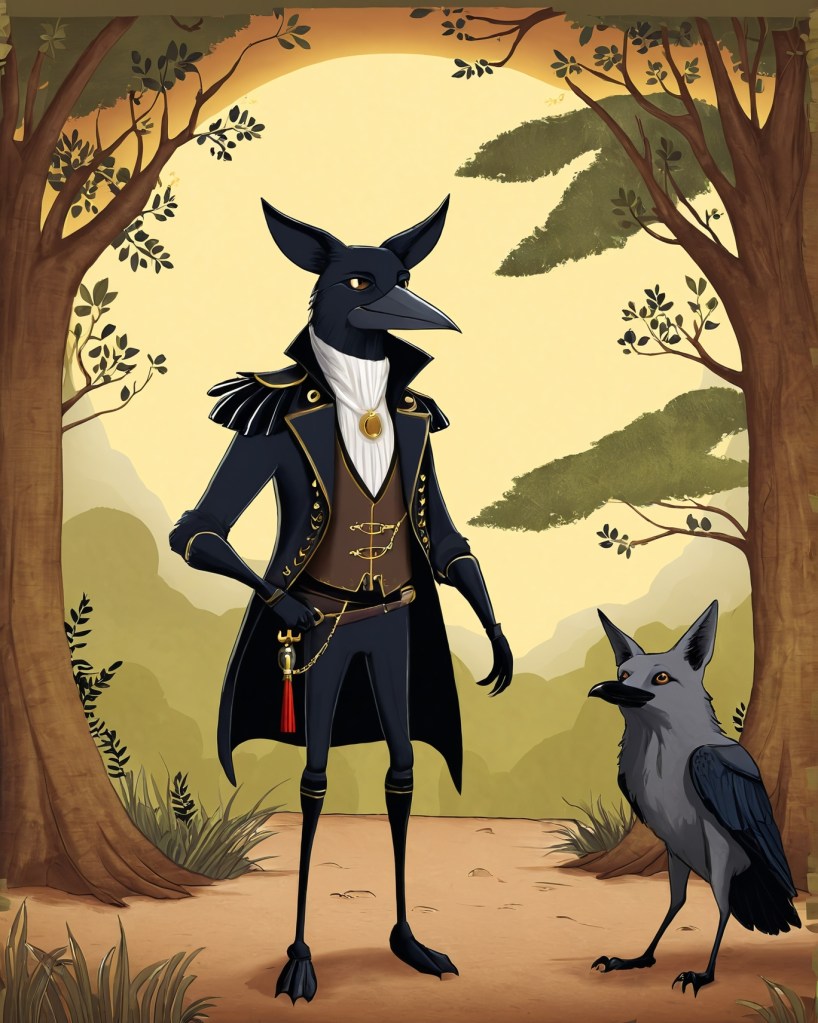
In the heart of the Nepali hills, there once lived a clever crow named Kalu. Kalu was known far and wide for his sharp mind, as he could outwit almost anyone, including the most cunning creatures of the forest. Every morning, Kalu would fly over the lush green forests, looking for food. One day, he came across a large piece of bread on a windowsill. Excited, he grabbed it in his beak and perched high on a tree branch to enjoy his meal.
In the ancient days, when the world was still young, Sri Lanka was a land blessed with abundant rain, its rivers flowing strong and its lands fertile. The secret behind this bounty lay in the protection of Varuni, the Rain Goddess, whose powers ensured that life thrived across the island. But what many did not know was that Varuni’s strength was tied to a magnificent necklace—a chain of radiant moonstones that shimmered with the magic of the heavens.
Deep in the heart of Bangladesh, where the dense jungle of the Charcoal Forest sprawls beneath the canopy of ancient trees, a legend persists about a hidden power and a dark enchantment. The Charcoal Forest, known for its peculiar blackened soil and shadowy undergrowth, was a place both revered and feared by the locals.
Nestled along the shores of the Bay of Bengal, the small village of Kumirdaha was known for its picturesque beauty and serene life. However, this idyllic image concealed a dark secret: the village was under the shadow of a terrible curse.
In the heart of the Sundarbans, where dark, tangled jungles meet the ever-shifting tides of the Bay of Bengal, legends whispered through the leaves tell of a magnificent Bengal tiger named Rajan. Known for his golden fur and piercing eyes, Rajan was said to possess mystical powers bestowed upon him by the river goddess, Ganga, who lived deep within the mangroves.
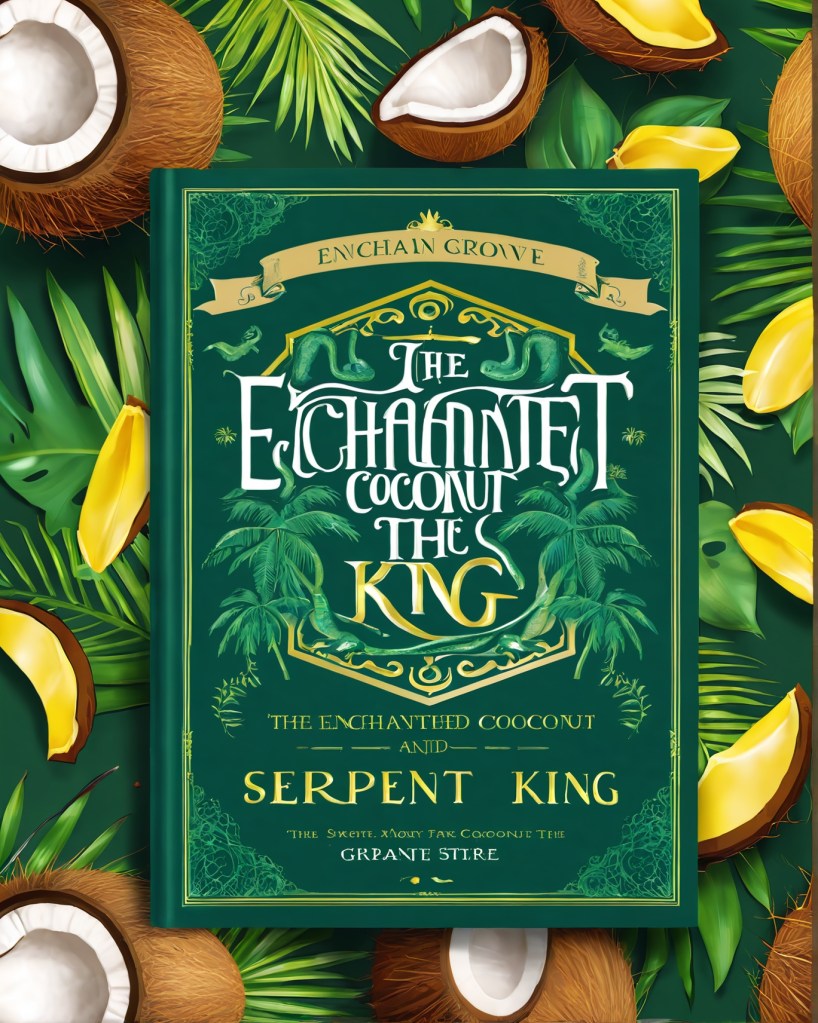
Long ago, in the heart of Sri Lanka, nestled between vast mountains and lush forests, lay a small village named Mithuru. It was known for its endless stretches of coconut trees that swayed in the warm breeze, glistening under the sun like emeralds. But beyond the ordinary beauty of the coconut groves, there was a secret—one whispered only in hushed tones by the village elders.
Today is 21 September 2024. You will discover why am I sharing this blog today. I watched this movie sometimes in 1970 as young boy in a cinema which was far away from my house. It was a nightmare to return home after the movie ended in the early hours of a chilly winter.
In the world of storytelling, the first thing that hooks a reader or a viewer is the title. Some titles may sound strange or abstract at first glance, but upon reflection, they perfectly encapsulate the heart of the story, pulling the audience into deeper themes and emotions. Below, we explore five iconic books and movies that, despite their enigmatic titles, resonate profoundly with audiences worldwide.
1. “Dances with Wolves”
This 1990 film directed by and starring Kevin Costner paints a poignant portrait of cross-cultural understanding during a time of historical tension. The title itself is a metaphor for the main character, Lieutenant John Dunbar, who assimilates into the Sioux tribe and earns this symbolic name. The phrase “Dances with Wolves” suggests harmony with nature and those considered outsiders, capturing the movie’s essence: the beautiful yet fragile connection between humanity and the natural world. The unusual title intrigues audiences by hinting at a deeper emotional journey rather than the expected war narrative.
2. “You Only Live Twice”
James Bond movie titles are known for their intrigue, and “You Only Live Twice” (1967) is no exception. On the surface, it suggests an action-packed film where Bond faces life-threatening situations. But the title hints at the deeper metaphor of transformation, that in a world of espionage, one often “dies” figuratively and must reinvent themselves. Bond’s life is one of constant renewal, where each new mission challenges him to live a second life, embodying a different identity. This double meaning elevates the title from a mere action movie tagline to something philosophically thought-provoking.
3. “To Kill a Mockingbird”
Harper Lee’s literary masterpiece offers a title that feels initially cryptic. Why would a book about racial injustice carry such a title? As we delve into the narrative, the metaphor becomes clear: mockingbirds, which sing purely for the joy of it, represent innocence. The act of “killing” one becomes a symbol of destroying innocence, be it through prejudice, hatred, or misunderstanding. The unusual title reflects the core themes of morality, justice, and the destruction of innocence, making it unforgettable for readers and perfectly framing the depth of its message.
4. “Eternal Sunshine of the Spotless Mind”
The 2004 romantic drama, directed by Michel Gondry, borrows its poetic title from an Alexander Pope poem. At first glance, the title seems ethereal, possibly even nonsensical. However, as the plot unfolds, we realize it refers to the idea of erasing painful memories. “Eternal Sunshine” evokes the bliss of ignorance—the peace that comes from not having to remember past heartbreaks. The title perfectly captures the movie’s surreal exploration of love, memory, and loss, turning what might seem like a whimsical phrase into something deeply meaningful.
5. “One Hundred Years of Solitude”
Gabriel García Márquez’s acclaimed novel bears a title that sounds both grand and perplexing. The phrase “One Hundred Years of Solitude” can be interpreted on multiple levels. It speaks to the Buendía family’s generational loneliness and isolation, but also reflects broader themes of political and social solitude in Latin America. The title encapsulates the novel’s fusion of magical realism and historical allegory, inviting readers to explore a world where time itself seems to bend under the weight of memory and solitude.
Conclusion: The Power of a Title
These books and movies reveal that titles aren’t just labels; they’re metaphors, encapsulations of the thematic richness within. A great title teases the mind, creating curiosity and promising depth. Whether it’s a phrase that suggests transformation, like “You Only Live Twice,” or a poetic reflection like “Eternal Sunshine of the Spotless Mind,” the titles of stories hold the power to captivate, intrigue, and resonate long after the final page is turned or the credits roll.










 Janson's blog