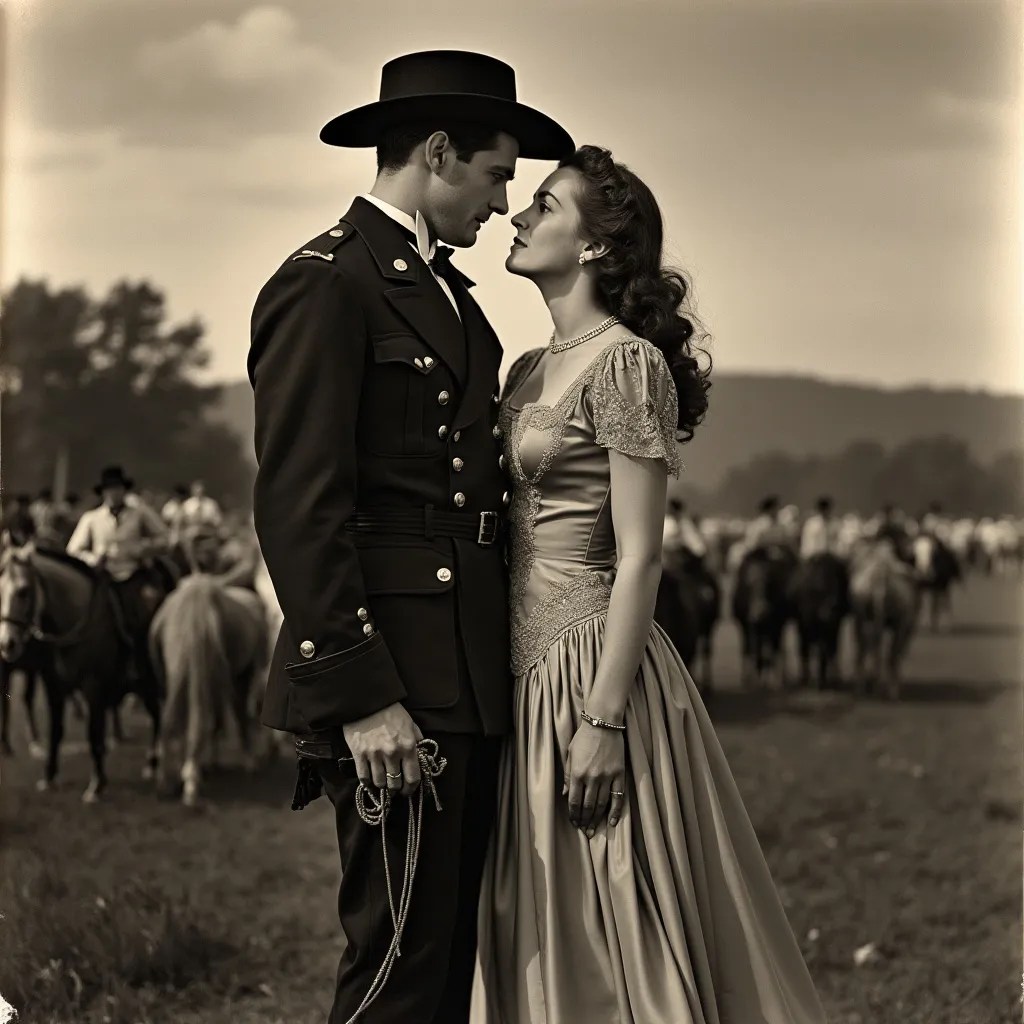
Gone with the Wind, released in 1939, is a cinematic landmark that has captivated audiences for generations.
Directed by Victor Fleming and based on Margaret Mitchell’s Pulitzer Prize-winning novel, this epic historical romance tells the story of Scarlett O’Hara, a strong-willed Southern belle navigating love and survival during the tumultuous times of the American Civil War and Reconstruction. With its sweeping narrative, memorable characters, and stunning visuals, Gone with the Wind remains a defining work in American cinema.
A Story Set Against a Turbulent Backdrop
The film opens in the antebellum South, introducing us to Scarlett O’Hara (Vivien Leigh), the headstrong daughter of a wealthy plantation owner. Scarlett’s life revolves around her unrequited love for Ashley Wilkes (Leslie Howard), who is set to marry his cousin Melanie Hamilton (Olivia de Havilland). The story takes a dramatic turn when the Civil War breaks out, shattering the idyllic world of the South.As war ravages the landscape, Scarlett’s resilience is put to the test. She faces numerous challenges, including the destruction of her family’s plantation, Tara, and the loss of loved ones. In her quest for survival and stability, she marries Rhett Butler (Clark Gable), a charming but roguish blockade runner. Their tumultuous relationship forms the emotional core of the film, highlighting themes of love, ambition, and betrayal.Scarlett’s journey from a naive young woman to a determined survivor reflects her indomitable spirit. As she navigates heartbreak and hardship, she embodies the struggle of a society grappling with change.
Iconic Performances That Define an Era
The performances in Gone with the Wind are legendary:
- Vivien Leigh as Scarlett O’Hara: Leigh’s portrayal of Scarlett is both captivating and complex. She captures Scarlett’s charm, determination, and vulnerability, making her one of cinema’s most enduring heroines. Her famous line, “I’ll think about that tomorrow,” encapsulates Scarlett’s tenacity in facing adversity.
- Clark Gable as Rhett Butler: Gable’s charismatic performance as Rhett Butler is unforgettable. His blend of charm and cynicism creates a compelling character who challenges Scarlett while also being drawn to her strength. Their chemistry electrifies the screen.
- Olivia de Havilland as Melanie Hamilton: De Havilland’s portrayal of Melanie is equally impactful. She represents grace and compassion amidst chaos and serves as a moral compass for Scarlett. Their contrasting personalities highlight different aspects of femininity during this era.
Themes That Resonate Across Generations
Gone with the Wind explores several themes that continue to resonate today:
- The Impact of War: The film poignantly depicts how war transforms lives and societies. The Civil War serves as a backdrop for personal struggles and societal upheaval, emphasizing the fragility of human existence.
- Love and Sacrifice: The tumultuous relationships between Scarlett, Rhett, Ashley, and Melanie illustrate the complexities of love. Sacrifice is a recurring motif; characters must navigate their desires while confronting harsh realities.
- Resilience and Survival: Scarlett’s determination to rebuild her life after losing everything speaks to the human spirit’s resilience. Her journey reflects an unwavering will to survive against all odds.
Cinematic Techniques That Enhance Storytelling
Gone with the Wind is renowned for its groundbreaking cinematography and production design. Cinematographer Ernest Haller’s use of Technicolor brings vivid life to the film’s sweeping landscapes and intricate costumes. The iconic burning of Atlanta scene showcases impressive special effects for its time.Max Steiner’s musical score enhances emotional moments throughout the film. The music underscores key scenes—evoking nostalgia, heartbreak, and triumph—creating an immersive experience for viewers.
Cultural Impact and Legacy
Upon its release, Gone with the Wind became an instant success, grossing over $390 million worldwide—a record that stood for decades. It won ten Academy Awards, including Best Picture, Best Actress for Vivien Leigh, and Best Supporting Actress for Hattie McDaniel—who made history as the first African American to win an Oscar.Despite its acclaim, Gone with the Wind has faced criticism for its romanticized portrayal of slavery and its depiction of race relations in the South. These discussions highlight the importance of contextualizing historical narratives within contemporary perspectives.The film has left an indelible mark on popular culture; memorable quotes and scenes have become ingrained in American consciousness. Its influence can be seen in countless adaptations and references across various media.
Conclusion
Gone with the Wind remains a monumental achievement in filmmaking—a sweeping epic that captures love, loss, and resilience against a backdrop of historical turmoil. With its unforgettable characters, stunning visuals, and profound themes, it continues to resonate with audiences today. As we reflect on Scarlett O’Hara’s journey through heartbreak and triumph, we are reminded that strength often emerges from adversity. Gone with the Wind invites us to explore our own narratives within history—challenging us to confront our past while embracing our future. Whether you are revisiting this classic or experiencing it for the first time, Gone with the Wind offers an emotional experience that transcends time—a true testament to storytelling in cinema.
 Janson's blog