Released on December 15, 1993, Schindler’s List stands as one of the most powerful films ever made, illuminating the horrors of the Holocaust through the lens of one man’s extraordinary journey from opportunism to moral courage.
Directed by Steven Spielberg and based on Thomas Keneally’s novel Schindler’s Ark, this cinematic masterpiece not only tells the true story of Oskar Schindler but also serves as a poignant reminder of the atrocities committed during World War II. With its haunting visuals, compelling performances, and profound themes, Schindler’s List remains a vital piece of cinema that continues to resonate with audiences today.
The Story: From Self-Interest to Sacrifice
Set in German-occupied Poland during World War II, the film chronicles the life of Oskar Schindler (Liam Neeson), a German businessman who initially seeks to profit from the war by establishing an enamelware factory in Krakow. At first, Schindler is portrayed as a charming yet morally ambiguous character, using bribes and connections to secure his business interests while employing Jewish workers for their low wages.As the Nazi regime intensifies its persecution of Jews, Schindler witnesses the brutal realities of their suffering, particularly through the actions of Amon Göth (Ralph Fiennes), the sadistic commandant of the Płaszów concentration camp. This pivotal moment catalyzes Schindler’s transformation from a self-serving entrepreneur to a man willing to risk everything to save lives. He partners with Jewish accountant Itzhak Stern (Ben Kingsley), who helps him navigate the complexities of employing Jewish workers and ultimately saving them from deportation to death camps.The titular “list” refers to the names of approximately 1,200 Jewish individuals whom Schindler saves by bribing Nazi officials for their protection. As he uses his wealth and influence to shield these lives from extermination, Schindler’s motivations evolve from profit-driven to deeply humanitarian—a transition that is portrayed with remarkable subtlety throughout the film.
Iconic Performances That Leave an Impact
The film features a stellar cast that delivers unforgettable performances:
- Liam Neeson as Oskar Schindler: Neeson’s portrayal is both nuanced and powerful. He captures Schindler’s moral awakening with depth, portraying a man who grapples with guilt and responsibility as he confronts his own complicity in a system built on oppression.
- Ralph Fiennes as Amon Göth: Fiennes delivers a chilling performance as Göth, embodying pure evil and brutality. His character serves as a haunting reminder of the depths of human depravity during this dark period.
- Ben Kingsley as Itzhak Stern: Kingsley’s portrayal of Stern is both poignant and impactful. As Schindler’s confidant and moral compass, Stern represents hope amidst despair, helping to save countless lives through his resourcefulness.
Cinematic Techniques That Enhance the Narrative
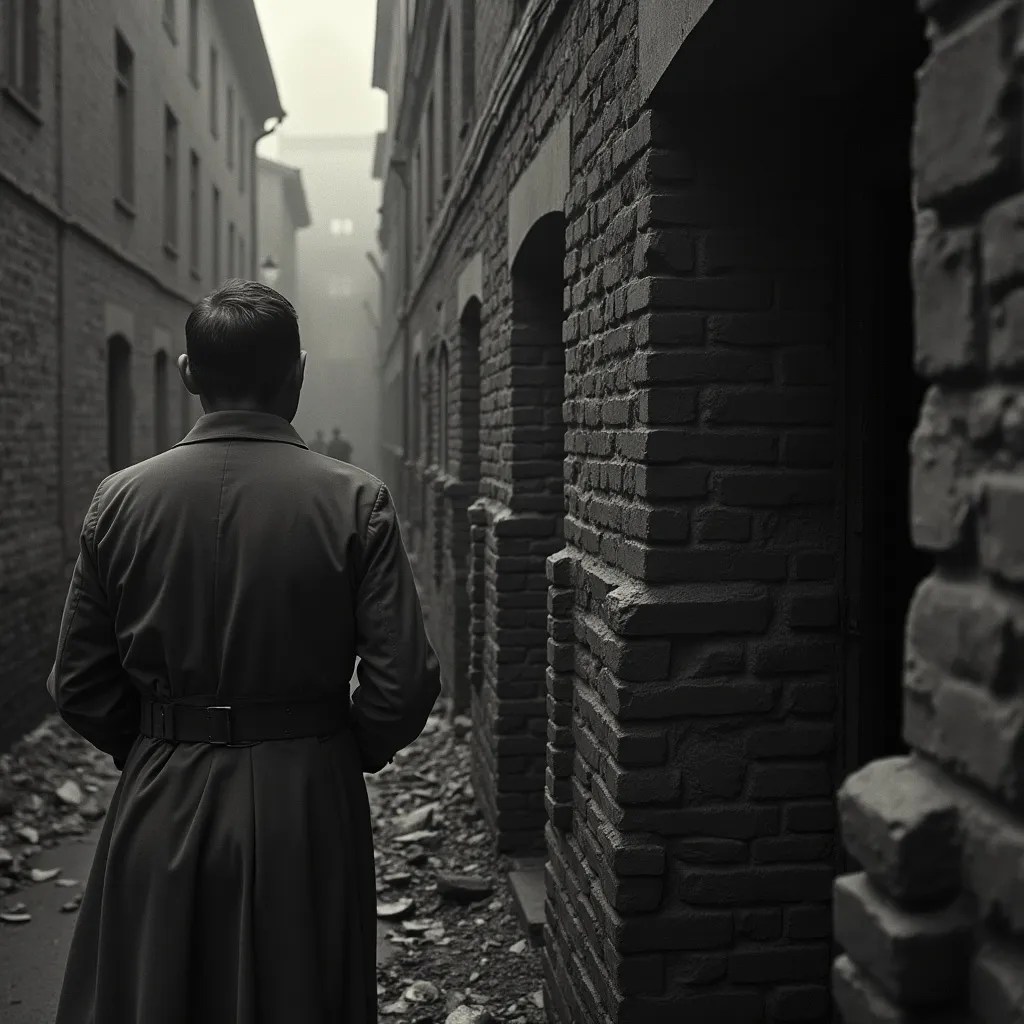
Schindler’s List is renowned for its striking visual style, primarily shot in black and white. Cinematographer Janusz Kamiński employs this technique not only to evoke the historical context but also to enhance the emotional weight of each scene. The use of color is sparing yet impactful; most notably, the red coat worn by a young girl serves as a haunting symbol of innocence amidst horror.Spielberg’s direction is masterful; he balances moments of harrowing brutality with poignant human connections. The pacing allows viewers to absorb its emotional depth fully, building tension as it progresses toward its heartbreaking conclusion. The score by John Williams further enhances this experience, with its haunting melodies underscoring key emotional moments throughout the film.
Themes That Resonate Deeply
Schindler’s List explores several profound themes that continue to resonate today:
- The Nature of Humanity: The film examines what it means to be human in times of crisis. It poses difficult questions about morality, complicity, and individual responsibility while showcasing acts of courage amidst despair.
- The Power of One: Schindler’s transformation illustrates how one individual can impact many lives. His story serves as a reminder that even small acts of kindness can have far-reaching consequences.
- Memory and Remembrance: The film emphasizes the importance of remembering history so that such atrocities are never repeated. By bringing these stories to light, Schindler’s List contributes to collective memory and understanding.
Cultural Impact and Legacy
Upon its release, Schindler’s List received critical acclaim and won seven Academy Awards, including Best Picture and Best Director for Spielberg. Its enduring popularity has made it one of the defining films about the Holocaust, serving as an educational tool for generations seeking to understand this dark chapter in history.The film has sparked discussions about representation in cinema and historical accuracy while remaining a touchstone for conversations about morality and human rights. Its emotional depth encourages viewers to confront uncomfortable truths about humanity while fostering empathy for those who suffered unimaginable horrors.
Conclusion
Schindler’s List is more than just a film; it is an essential work that challenges viewers to reflect on their values and responsibilities in society. Through its powerful storytelling, exceptional performances, and haunting visuals, it serves as a poignant reminder of both humanity’s capacity for evil and our potential for compassion. As we remember Oskar Schindler’s extraordinary actions during one of history’s darkest periods, we are called to honor those lost by ensuring that their stories are never forgotten—and that we strive for justice and understanding in our own lives. Whether watched for educational purposes or personal reflection, Schindler’s List remains an unforgettable cinematic experience that continues to resonate across generations.
 Janson's blog