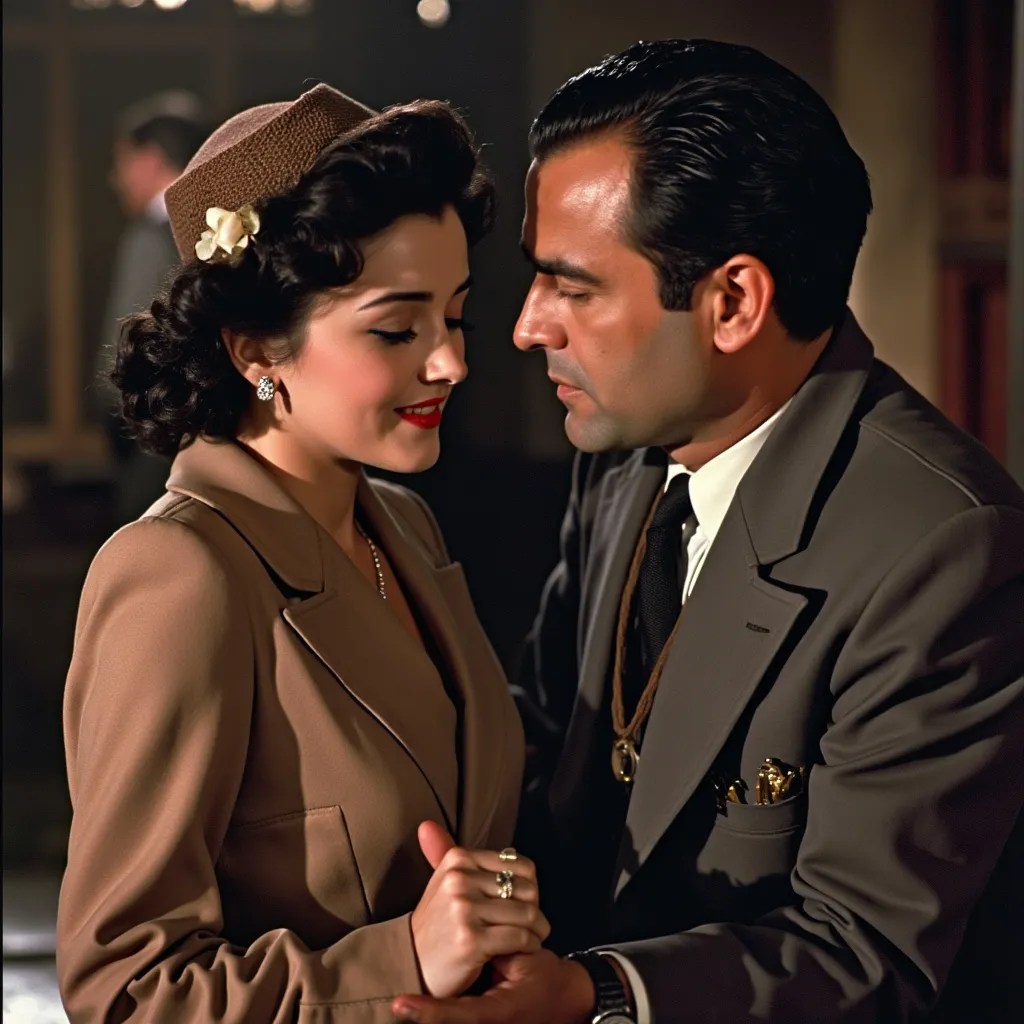
Casablanca, released in 1942, is often hailed as one of the greatest films of all time. Directed by Michael Curtiz and set against the backdrop of World War II, this romantic drama encapsulates themes of love, sacrifice, and redemption. With its unforgettable characters, iconic lines, and rich cinematography, Casablanca has left an indelible mark on cinema and continues to resonate with audiences worldwide.
The Story Unfolds
The film is set in Casablanca, a bustling city in French Morocco that serves as a refuge for those fleeing the horrors of war in Europe. At the center of the narrative is Rick Blaine (Humphrey Bogart), an American expatriate who runs a popular nightclub called Rick’s Café Américain. Known for his cynical demeanor and reluctance to get involved in political matters, Rick’s life takes an unexpected turn when his former lover, Ilsa Lund (Ingrid Bergman), walks into his café with her husband, Victor Laszlo (Paul Henreid), a leader of the Resistance.As the story unfolds, Rick is faced with a moral dilemma: should he help Ilsa and Victor escape to America using letters of transit that he possesses, or should he prioritize his own feelings for Ilsa? This conflict drives the emotional core of the film, highlighting themes of love versus duty and personal sacrifice for the greater good.
Iconic Characters and Stellar Performances
The film features a remarkable ensemble cast that brings its characters to life:
- Humphrey Bogart as Rick Blaine: Bogart’s portrayal of Rick is legendary. His character embodies a complex mix of cynicism and vulnerability, making him one of cinema’s most memorable anti-heroes. Lines like “Here’s looking at you, kid” have become ingrained in popular culture.
- Ingrid Bergman as Ilsa Lund: Bergman’s performance as Ilsa is both captivating and poignant. She represents lost love and the sacrifices made during wartime. Her chemistry with Bogart adds depth to their complicated relationship.
- Paul Henreid as Victor Laszlo: As the idealistic Resistance leader, Henreid’s character serves as a foil to Rick. His unwavering commitment to fighting against oppression contrasts sharply with Rick’s initial apathy.
- Claude Rains as Captain Louis Renault: Rains delivers a standout performance as the charming yet morally ambiguous police captain. His character adds layers of complexity to the narrative, often blurring the lines between right and wrong.
- Dooley Wilson as Sam: Sam is Rick’s loyal friend and pianist at the café. His rendition of “As Time Goes By” serves as a haunting reminder of Rick and Ilsa’s past love.
Themes That Resonate
Casablanca explores several timeless themes that continue to resonate with audiences:
- Love and Sacrifice: The central conflict revolves around love—Rick’s love for Ilsa versus his sense of duty. The film poignantly illustrates how love can compel individuals to make significant sacrifices for others.
- Morality in Times of War: The film delves into moral ambiguity during wartime. Characters must navigate their personal desires against the backdrop of global conflict, raising questions about loyalty and honor.
- Hope Amidst Despair: Despite its somber setting, Casablanca ultimately conveys a message of hope. The characters’ struggles reflect the resilience of the human spirit even in dire circumstances.
Cinematic Techniques
Cinematographer Arthur Edeson’s work on Casablanca is noteworthy for its rich black-and-white visuals. The use of chiaroscuro lighting creates a smoky atmosphere that enhances the film’s romantic yet melancholic tone. Each frame is meticulously crafted, contributing to the film’s overall aesthetic appeal.The score, composed by Max Steiner, features the iconic song “As Time Goes By,” which underscores key emotional moments throughout the film. This musical motif not only evokes nostalgia but also serves as a reminder of lost love.
Cultural Impact and Legacy
Upon its release, Casablanca received critical acclaim and won three Academy Awards, including Best Picture, Best Director, and Best Adapted Screenplay. Its enduring popularity led to its inclusion in the Library of Congress National Film Registry in 1989.The film has become a cultural touchstone, referenced and parodied across various media. Its memorable quotes—such as “Play it again, Sam” (often misquoted)—have entered everyday language, showcasing its lasting influence on popular culture.
Conclusion
Casablanca remains an essential viewing experience for film lovers everywhere. Its combination of romance, moral complexity, and historical context creates a rich tapestry that continues to captivate audiences decades after its release. Whether you’re watching it for the first time or revisiting this classic, Casablanca offers a profound exploration of love and sacrifice that resonates across generations. As we reflect on this cinematic gem, we are reminded that amidst chaos and uncertainty, there is always room for hope—and perhaps even love—waiting just around the corner.
 Janson's blog