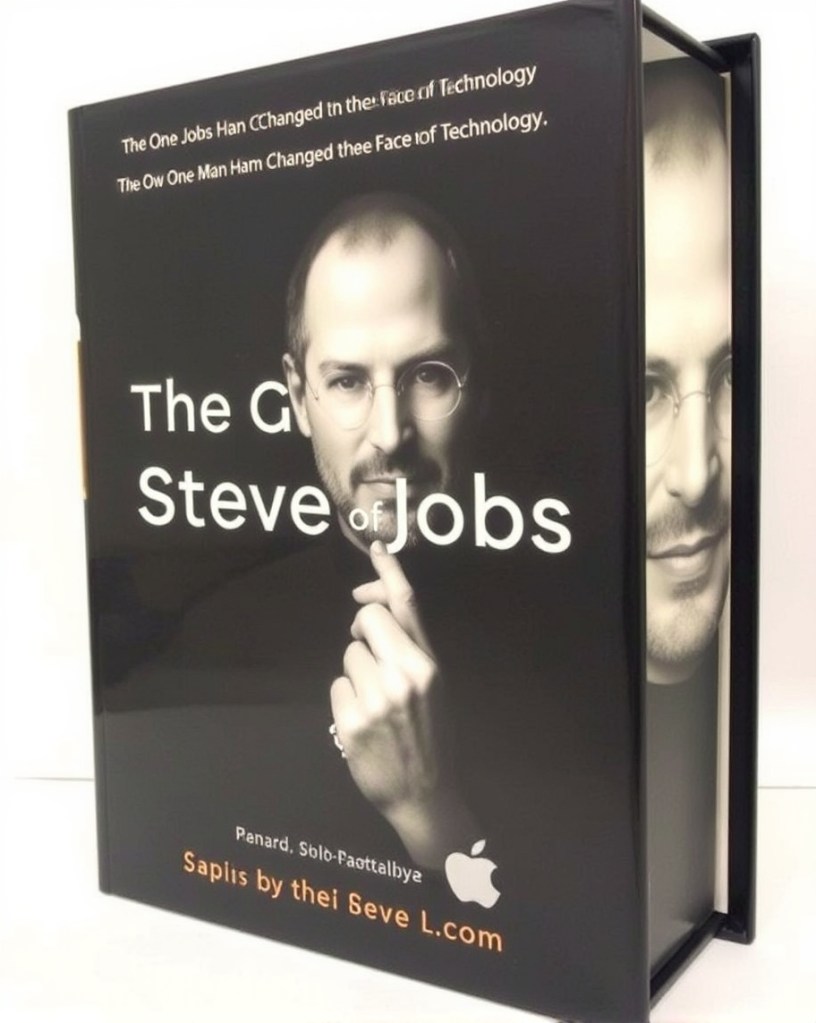
Steve Jobs, co-founder of Apple Inc., is widely regarded as one of the most influential figures in the technology industry and a pioneer of the personal computing revolution. His innovative spirit and relentless pursuit of perfection not only transformed the way we interact with technology but also reshaped entire industries. This article delves into Jobs’ historical significance, his remarkable achievements, and the enduring legacy he left behind.
Early Life and Education
Born on February 24, 1955, in San Francisco, California, Steven Paul Jobs was adopted shortly after birth. He grew up in Cupertino, where he developed an early interest in electronics and mechanics. After high school, Jobs attended Reed College in Oregon but dropped out after just one semester. Despite his brief academic stint, he continued to audit classes, including a calligraphy course that would later influence Apple’s typography and design philosophy.
Founding Apple Inc.
In 1976, Jobs partnered with Steve Wozniak and Ronald Wayne to establish Apple Computer, Inc. The trio started in Jobs’ garage, where they developed the Apple I, one of the first personal computers to feature a single circuit board. The following year, they launched the Apple II, which became a massive success and is credited with popularizing personal computing.Jobs’ vision for Apple was not merely to create computers but to make technology accessible and appealing to the general public. His focus on design and user experience set Apple apart from competitors and laid the groundwork for the company’s future innovations.
Revolutionary Products
Jobs’ tenure at Apple was marked by a series of groundbreaking products that transformed multiple industries:
- Apple Macintosh (1984): The Macintosh was the first mass-produced computer to feature a graphical user interface (GUI) and a mouse. It revolutionized personal computing by making it more intuitive and user-friendly, paving the way for future operating systems.
- iPod (2001): The iPod changed the way people consumed music. With its sleek design and easy-to-use interface, it allowed users to carry thousands of songs in their pockets. The iTunes Store, launched in 2003, further revolutionized the music industry by providing a legal platform for purchasing and downloading music.
- iPhone (2007): The iPhone combined a phone, an iPod, and an internet communicator into a single device. It set new standards for smartphones, introducing features like the App Store, which allowed developers to create applications that expanded the phone’s functionality. The iPhone’s success redefined mobile communication and computing.
- iPad (2010): The iPad created a new category of devices between smartphones and laptops. Its touchscreen interface and portability made it ideal for various applications, from reading and gaming to professional work.
Leadership Style and Philosophy
Jobs was known for his charismatic yet demanding leadership style. He had a reputation for being a perfectionist, often pushing his teams to achieve what seemed impossible. His insistence on high-quality design and functionality became a hallmark of Apple’s products. Jobs believed in the importance of integrating hardware and software to create seamless user eiphoneperiences, a philosophy that continues to guide Apple today.
Challenges and Resilience
Despite his successes, Jobs faced significant challenges. In 1985, after a power struggle with Apple’s board, he was ousted from the company he founded. Undeterred, he founded NeXT, a computer platform development company, and acquired the computer graphics division of Lucasfilm, which became Pixar Animation Studios. Under Jobs’ leadership, Pixar produced groundbreaking animated films like Toy Story, solidifying his reputation as a visionary beyond just computing.Jobs returned to Apple in 1997 when the company was struggling financially. He revitalized the brand, focusing on innovative products and marketing strategies that emphasized simplicity and elegance. His return marked the beginning of Apple’s ascent to becoming one of the most valuable companies in the world.
Philanthropy and Legacy
While Jobs was known for his business acumen, he was also a private philanthropist. Although he did not publicly promote his charitable efforts, he contributed to various causes, including education and healthcare. Jobs’ commitment to environmental sustainability led Apple to adopt eco-friendly practices in its manufacturing processes.Steve Jobs passed away on October 5, 2011, at the age of 56, after a long battle with pancreatic cancer. His legacy endures through the products he created and the culture of innovation he fostered at Apple. Today, his influence is felt across multiple industries, from technology and entertainment to design and marketing.
Conclusion
Steve Jobs was not just a businessman; he was a visionary whose ideas transformed the way we live and interact with technology. His relentless pursuit of excellence and innovation has left an indelible mark on the world, inspiring countless individuals to think differently and challenge the status quo. As we continue to navigate an increasingly digital world, Jobs’ legacy serves as a reminder of the power of creativity and the impact one individual can have on society.
 Janson's blog
He was a very special person, I even felt sad when he died because I liked him that much. He was many things but what I loved is that he lived his life to the fullest and when I saw him speak, he was so inspirational and it felt authentic.
LikeLiked by 1 person
Great post 🌹🌹
LikeLike