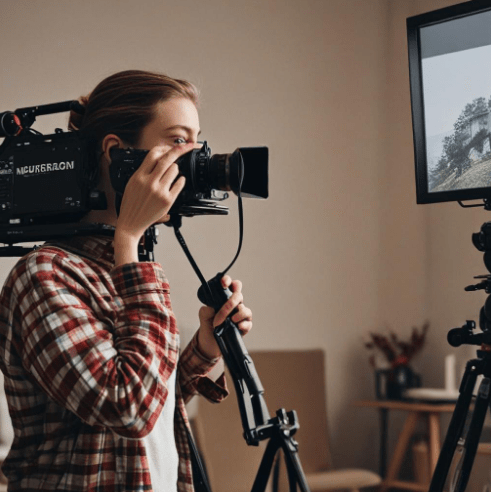
Filmmaking is an exciting and rewarding creative endeavor that combines storytelling, visual art, and technical skills. For beginners, the journey into filmmaking can seem daunting due to the multitude of techniques and equipment involved.
However, understanding the basics can help you get started on your path to creating compelling films. This guide covers essential aspects of filmmaking for beginners, including key techniques, pre-production planning, and practical tips to enhance your skills.
Understanding the Filmmaking Process
Filmmaking is a multifaceted process that involves several stages, each crucial to the final product. The primary stages include:
Pre-Production: This phase involves planning and preparation. It includes scriptwriting, casting, location scouting, and organizing the crew and equipment. A well-structured pre-production phase sets the foundation for a successful shoot.
Production: This is the actual shooting phase where you capture your scenes. It involves directing actors, managing the crew, and ensuring that all technical aspects, such as lighting and sound, are in place.
Post-Production: After filming, the editing process begins. This phase includes cutting and arranging footage, adding sound effects and music, and color grading to enhance the visual appeal.
Basic Filmmaking Techniques
Understanding basic filmmaking techniques is essential for beginners. Here are some fundamental techniques to get you started:
1. Cinematography
Cinematography is the art of capturing moving images. Key elements include:
Camera Angles: Experiment with different angles, such as bird’s-eye, long shots, medium shots, and close-ups, to convey emotions and perspectives effectively.
Lighting: Good lighting is crucial. Use natural light whenever possible, and consider using softbox lights for indoor shoots to create flattering illumination.
Composition: Pay attention to framing and composition. Use the rule of thirds to create balanced and visually appealing shots.
2. Sound Design
Sound plays a vital role in filmmaking. Clear audio enhances the viewer’s experience. Here are some tips:
Use Quality Microphones: Invest in a good shotgun microphone or lavalier mic to capture clear dialogue and sound effects.
Background Noise: Be mindful of background noise during filming. Choose quiet locations and consider using soundproofing techniques if necessary.
3. Editing
Editing is where your film comes together. Here are some basic editing tips:
Use Editing Software: Familiarize yourself with editing software like Adobe Premiere Pro, DaVinci Resolve, or Final Cut Pro. These tools allow you to cut, arrange, and enhance your footage.
Pacing: Pay attention to pacing and rhythm in your edits. Use cuts and transitions strategically to maintain viewer engagement.
Practical Tips for Beginners
Plan Your Shots: Before shooting, plan your shots and create a storyboard. This helps visualize the flow of your film and ensures you capture all necessary scenes.
Practice: The best way to learn filmmaking is by doing. Start with small projects, experiment with different techniques, and learn from your mistakes.
Collaborate: Work with friends or fellow aspiring filmmakers. Collaboration can provide new insights, ideas, and skills that enhance your projects.
Watch and Analyze Films: Study films you admire. Pay attention to cinematography, sound design, and editing techniques. Analyze how filmmakers convey emotions and tell stories.
Seek Feedback: Share your work with others and seek constructive feedback. This can help you identify areas for improvement and refine your skills.
Stay Inspired: Follow filmmaking blogs, watch tutorials, and engage with the filmmaking community. Staying connected and inspired can fuel your creativity and passion.
Conclusion
Filmmaking for beginners is a journey filled with learning and exploration. By understanding the basics of the filmmaking process, mastering essential techniques, and practicing regularly, you can develop your skills and create compelling stories on screen. Embrace the challenges, stay curious, and enjoy the creative process as you embark on your filmmaking adventure.
 Janson's blog